
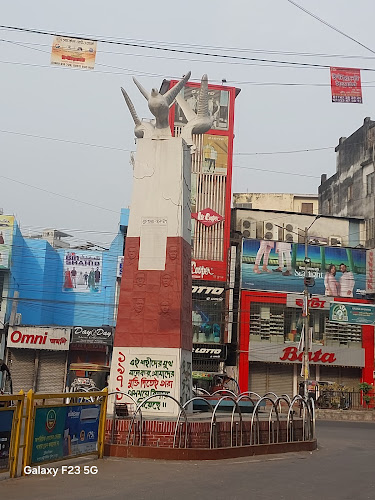
Payra Chattar
About Payra Chattar
Description
Payra Chattar in Rangpur is one of those places that quietly captures the spirit of a city without trying too hard. It’s not just a roundabout or a sculpture—it’s a symbol of pride and remembrance. The central sculpture, standing tall at the heart of Shahid Mobarak Sarani, tells a story that’s both historical and deeply emotional for locals. I remember the first time I saw it; the way the sunlight hit the bronze figures made me stop mid-step. There’s something profoundly grounding about seeing a monument that honors sacrifice while being surrounded by the hum of daily traffic and the chatter of street vendors.
It’s a historical landmark, yes, but it also feels like a living part of Rangpur’s rhythm. Locals pass by on their way to work or school, and travelers often pause to take a photo or just soak in the atmosphere. The area around Payra Chattar is lively—rickshaws clinking, buses honking, and the occasional pigeon fluttering by (which, by the way, is quite fitting since “Payra” means pigeon). And yet, amidst all this, the sculpture stands calm and dignified, almost like it’s watching over everything.
People often describe it as a small but meaningful stop on their journey through northern Bangladesh. It’s not a place you’d spend hours at, but it’s one that lingers in your memory. Whether you’re a history buff, a casual traveler, or someone who enjoys seeing how art reflects a community’s soul, Payra Chattar offers a glimpse into Rangpur’s identity. It’s accessible, family-friendly, and, honestly, a great spot to rest your feet and take in the everyday beauty of the city.
Key Features
- A striking central sculpture honoring local history and sacrifice.
- Located at a major intersection, making it easy to find and visit.
- Wheelchair-accessible entrance and parking for visitors with mobility needs.
- Safe and open area suitable for families and children.
- Surrounded by local eateries, small shops, and plenty of photo opportunities.
- Serves as a cultural and social meeting point for residents of Rangpur.
One thing I’ve always loved about Payra Chattar is how it manages to blend the old and the new. You’ll see students taking selfies right next to elderly locals who’ve probably watched the area change over decades. It’s a mix of nostalgia and modern life that makes it feel authentic. The sculpture itself, though modest in size, carries a sense of dignity that’s hard to miss. Some visitors might expect a grand monument, but I’d argue its simplicity is what makes it powerful.
Best Time to Visit
If you ask me, the best time to visit Payra Chattar is in the late afternoon. The light is softer then, and the shadows cast by the sculpture make for some truly stunning photos. Around sunset, the area takes on a golden hue that gives everything a warm, almost cinematic feel. Mornings are quieter if you prefer fewer crowds, though you’ll still hear the city waking up around you—vendors setting up stalls, the smell of fresh tea wafting through the air. Avoid midday if you’re not a fan of heat; Rangpur’s sun can be pretty relentless, especially during summer.
During national holidays or commemorative days, the place sometimes gets decorated with flags and banners. It’s worth catching one of those moments if you can, as they add an extra layer of meaning to the visit. Locals often gather here to pay respects or simply reflect, and it’s quite moving to witness that sense of community firsthand.
How to Get There
Getting to Payra Chattar is fairly straightforward. Since it’s located in a central part of Rangpur, most local transport options will get you there without much fuss. You can hop on a rickshaw if you’re nearby—it’s cheap, convenient, and gives you a good view of the streets. For those coming from farther away, local buses or ride-sharing services are easy to find. If you’re driving, there’s accessible parking in the vicinity, which makes things simple for families or groups traveling together.
Honestly, half the fun of visiting is the journey itself. The roads leading to Payra Chattar are lined with shops selling everything from snacks to souvenirs. I remember stopping by a tiny tea stall on my way and chatting with the vendor about how long he’d been working there—turns out, he’s seen the monument change over time as the city expanded. It’s those little interactions that make travel special, don’t you think?
Tips for Visiting
Here are a few things I’ve learned from my own visits and from chatting with locals:
- Bring your camera or phone: The sculpture looks especially photogenic during the golden hour.
- Stay hydrated: Rangpur can get hot, and there isn’t always shade nearby.
- Be respectful: It’s a historical site that holds meaning for the community, so avoid climbing or touching the sculpture.
- Visit with kids: The open area is safe and gives children space to move around while learning a bit about local history.
- Take time to observe: Don’t just snap a photo and leave. Watch the flow of people, the traffic, and how locals interact with the space—it tells you a lot about the city’s character.
And here’s a small personal tip: grab a cup of local tea from one of the nearby vendors and just sit for a while. There’s something oddly peaceful about watching life go by in a place that’s been a silent witness to so much history. You’ll see students laughing, workers rushing by, and maybe even an old man feeding pigeons—it’s like a slice of everyday Bangladesh right before your eyes.
In a way, Payra Chattar isn’t just a landmark; it’s a reminder of how history and modern life coexist. It stands there quietly, day after day, as the city evolves around it. Some visitors might overlook it, thinking it’s just another sculpture at an intersection, but those who take a moment to look closer will find meaning in its simplicity. It’s not grandiose or flashy, but it doesn’t need to be. It’s real, grounded, and deeply human—just like Rangpur itself.
So if you ever find yourself in Rangpur, make sure to stop by Payra Chattar. Stay for a few minutes, maybe longer. Let the noise of the city fade into the background, and think about the stories this place could tell if it could speak. That’s the beauty of traveling, after all—it’s not just about seeing new places, but about feeling connected to the people and history that shape them.
Key Features
- A striking central sculpture honoring local history and sacrifice.
- Located at a major intersection, making it easy to find and visit.
- Wheelchair-accessible entrance and parking for visitors with mobility needs.
- Safe and open area suitable for families and children.
- Surrounded by local eateries, small shops, and plenty of photo opportunities.
- Serves as a cultural and social meeting point for residents of Rangpur.
More Details
Updated November 9, 2025
Table of Contents Payra Chattar in Rangpur is one of those places that quietly captures the spirit of a city without trying too hard. It’s not just a roundabout or a sculpture—it’s a symbol of pride and remembrance. The central sculpture, standing tall at the heart of Shahid Mobarak Sarani, tells a story that’s both historical and deeply emotional for locals. I remember the first time I saw it; the way the sunlight hit the bronze figures made me stop mid-step. There’s something profoundly grounding about seeing a monument that honors sacrifice while being surrounded by the hum of daily traffic and the chatter of street vendors. It’s a historical landmark, yes, but it also feels like a living part of Rangpur’s rhythm. Locals pass by on their way to work or school, and travelers often pause to take a photo or just soak in the atmosphere. The area around Payra Chattar is lively—rickshaws clinking, buses honking, and the occasional pigeon fluttering by (which, by the way, is quite fitting since “Payra” means pigeon). And yet, amidst all this, the sculpture stands calm and dignified, almost like it’s watching over everything. People often describe it as a small but meaningful stop on their journey through northern Bangladesh. It’s not a place you’d spend hours at, but it’s one that lingers in your memory. Whether you’re a history buff, a casual traveler, or someone who enjoys seeing how art reflects a community’s soul, Payra Chattar offers a glimpse into Rangpur’s identity. It’s accessible, family-friendly, and, honestly, a great spot to rest your feet and take in the everyday beauty of the city. One thing I’ve always loved about Payra Chattar is how it manages to blend the old and the new. You’ll see students taking selfies right next to elderly locals who’ve probably watched the area change over decades. It’s a mix of nostalgia and modern life that makes it feel authentic. The sculpture itself, though modest in size, carries a sense of dignity that’s hard to miss. Some visitors might expect a grand monument, but I’d argue its simplicity is what makes it powerful. If you ask me, the best time to visit Payra Chattar is in the late afternoon. The light is softer then, and the shadows cast by the sculpture make for some truly stunning photos. Around sunset, the area takes on a golden hue that gives everything a warm, almost cinematic feel. Mornings are quieter if you prefer fewer crowds, though you’ll still hear the city waking up around you—vendors setting up stalls, the smell of fresh tea wafting through the air. Avoid midday if you’re not a fan of heat; Rangpur’s sun can be pretty relentless, especially during summer. During national holidays or commemorative days, the place sometimes gets decorated with flags and banners. It’s worth catching one of those moments if you can, as they add an extra layer of meaning to the visit. Locals often gather here to pay respects or simply reflect, and it’s quite moving to witness that sense of community firsthand. Getting to Payra Chattar is fairly straightforward. Since it’s located in a central part of Rangpur, most local transport options will get you there without much fuss. You can hop on a rickshaw if you’re nearby—it’s cheap, convenient, and gives you a good view of the streets. For those coming from farther away, local buses or ride-sharing services are easy to find. If you’re driving, there’s accessible parking in the vicinity, which makes things simple for families or groups traveling together. Honestly, half the fun of visiting is the journey itself. The roads leading to Payra Chattar are lined with shops selling everything from snacks to souvenirs. I remember stopping by a tiny tea stall on my way and chatting with the vendor about how long he’d been working there—turns out, he’s seen the monument change over time as the city expanded. It’s those little interactions that make travel special, don’t you think? Here are a few things I’ve learned from my own visits and from chatting with locals: And here’s a small personal tip: grab a cup of local tea from one of the nearby vendors and just sit for a while. There’s something oddly peaceful about watching life go by in a place that’s been a silent witness to so much history. You’ll see students laughing, workers rushing by, and maybe even an old man feeding pigeons—it’s like a slice of everyday Bangladesh right before your eyes. In a way, Payra Chattar isn’t just a landmark; it’s a reminder of how history and modern life coexist. It stands there quietly, day after day, as the city evolves around it. Some visitors might overlook it, thinking it’s just another sculpture at an intersection, but those who take a moment to look closer will find meaning in its simplicity. It’s not grandiose or flashy, but it doesn’t need to be. It’s real, grounded, and deeply human—just like Rangpur itself. So if you ever find yourself in Rangpur, make sure to stop by Payra Chattar. Stay for a few minutes, maybe longer. Let the noise of the city fade into the background, and think about the stories this place could tell if it could speak. That’s the beauty of traveling, after all—it’s not just about seeing new places, but about feeling connected to the people and history that shape them.Description
Key Features
Best Time to Visit
How to Get There
Tips for Visiting
Key Highlights
- A striking central sculpture honoring local history and sacrifice.
- Located at a major intersection, making it easy to find and visit.
- Wheelchair-accessible entrance and parking for visitors with mobility needs.
- Safe and open area suitable for families and children.
- Surrounded by local eateries, small shops, and plenty of photo opportunities.
- Serves as a cultural and social meeting point for residents of Rangpur.
Location
Places to Stay Near Payra Chattar
Find and Book a Tour
Explore More Travel Guides
No reviews found! Be the first to review!
Traveler Reviews for Payra Chattar
There are no reviews yet. Be the first one to write one.
Have you visited Payra Chattar? Help other travelers by sharing your review.
You Might Also Like
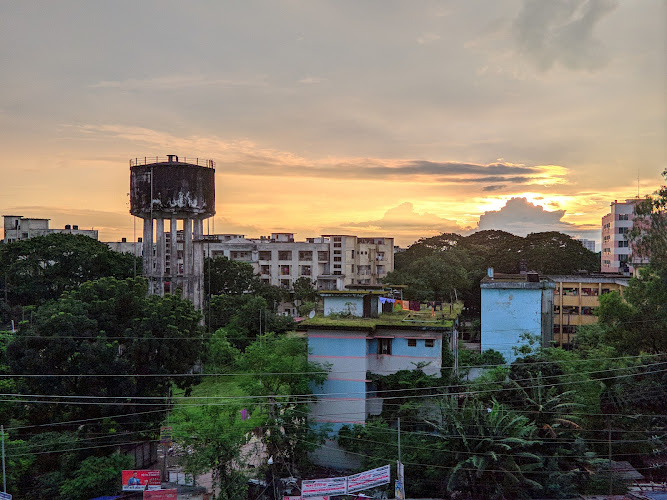
Rangpur
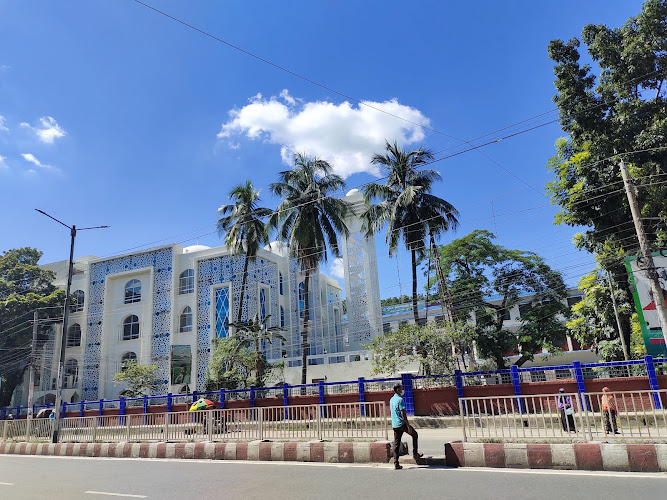
Rangpur Zero Point
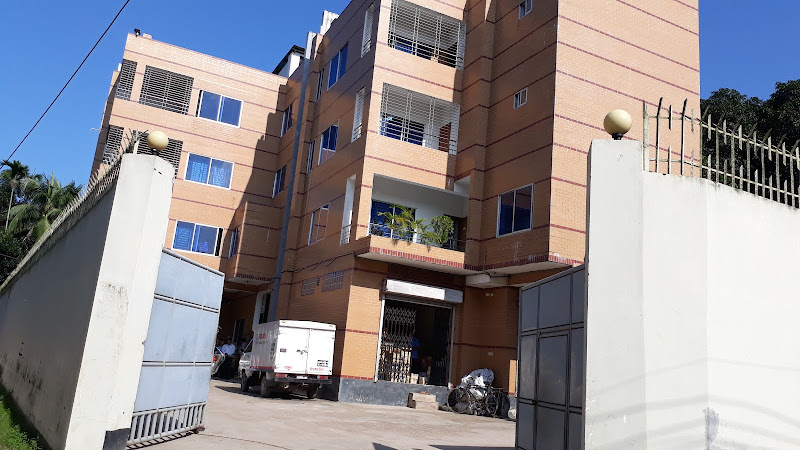
Square Pharma Rangpur Depot and Sales Office
Find Accommodations Nearby
Recommended Tours & Activities
Visitor Reviews
There are no reviews yet. Be the first one to write one.
Share Your Experience
Have you visited Payra Chattar? Help other travelers by leaving a review.