
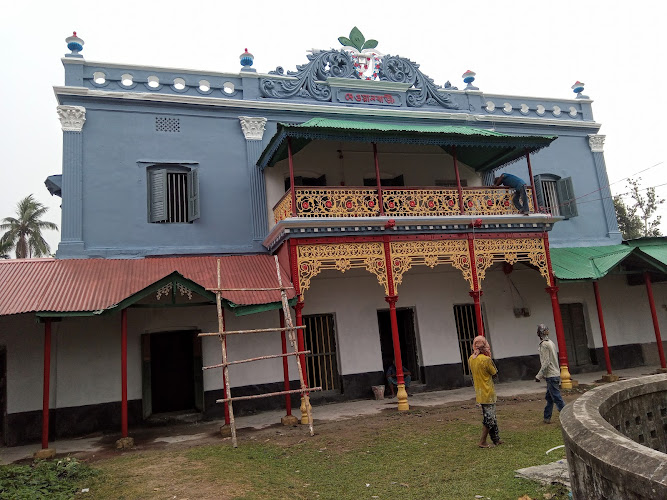
Dewanbari
About Dewanbari
Description
Dewanbari is one of those places that quietly sneaks up on you — the kind of spot that doesn’t shout for attention but leaves a mark long after you’ve left. Tucked away in Rangpur, this historical museum holds the sort of stories that make you pause and think about how much the past still lingers in the air. It’s not a massive, flashy institution with endless halls, but rather a charming, dignified space that feels personal, almost like stepping into someone’s ancestral memory. The atmosphere is calm, almost reverent, but not in a stiff way — more like you’re visiting a friend’s old home filled with tales that deserve to be heard.
Inside, the exhibits speak volumes about the history of the region, tracing back generations of local rulers, cultural transitions, and everyday life in Bengal’s northern heartland. The architecture itself feels like part of the exhibit — aged but graceful, with hints of old craftsmanship that remind you of a time when things were built to last. You can almost hear the echoes of voices that once filled these halls, debating politics, poetry, or maybe just sharing a cup of tea under the high ceilings. It’s a place that rewards curiosity. Every corner seems to whisper a different story, whether it’s through antique furniture, faded portraits, or documents that survived the wear of time.
One of the things that stood out to me when I visited was how accessible the museum is. There’s a genuine effort to make it welcoming — the entrance and parking are wheelchair-friendly, and families with kids will find it surprisingly engaging. Children seem to love wandering around, asking questions about the strange old artifacts and imagining what life might’ve been like centuries ago. There’s no on-site restaurant, which, honestly, I didn’t mind. It kind of adds to the authenticity — you’re not distracted by modern amenities, just fully immersed in the history around you. For a place that’s not widely commercialized, it’s maintained with care and quiet pride.
Sure, it’s not perfect. Some parts of the museum could use a bit of restoration, and the signage might not answer every question you have. But that’s part of its charm. You end up talking to the staff or the locals nearby, and that’s when you get the really good stories — the ones that never make it onto the plaques. It’s a living museum, in a sense, still connected to the people who live around it. And that human connection is what makes Dewanbari more than just another stop on a traveler’s itinerary. It’s a reminder that history isn’t just something you look at behind glass; it’s something you feel.
Key Features
- Historical artifacts that showcase Rangpur’s cultural and political heritage
- Architectural design reflecting traditional Bengali craftsmanship
- Wheelchair-accessible entrance and parking facilities
- Family-friendly environment suitable for children
- Peaceful surroundings ideal for reflection and photography
- Knowledgeable local staff offering personal insights into exhibits
Best Time to Visit
If you’re planning a trip, the cooler months from November to February are ideal. The weather in Rangpur during that time is mild and pleasant, which makes exploring the museum and nearby sites much more comfortable. I went in late December once, and the crisp air made the old building feel even more atmospheric. You can take your time, wander through the exhibits, and maybe even sit outside for a bit afterward, soaking in the quiet. Avoid the heavy monsoon months if you can — not because the museum closes, but because getting around the city can be a bit tricky when the streets are wet and crowded. Plus, the light during the winter months is perfect for photography; the pale sun gives everything a soft golden tone that looks fantastic in pictures.
How to Get There
Reaching Dewanbari is fairly straightforward once you’re in Rangpur. The city is well-connected by road from major areas like Dhaka and Bogura, and buses run quite frequently. If you’re not into long bus rides, you can always hire a private car — it’s a bit more expensive but gives you the flexibility to stop along the way. The museum is located close to the main town area, so even if you’re staying in a local hotel or guesthouse, a short rickshaw or ride-share trip will get you there easily. For those coming from outside the region, the nearest airport is in Saidpur, about an hour’s drive away. From there, taxis and local transport can take you directly to the museum. Honestly, the drive itself is part of the fun — you’ll pass through small villages, green fields, and roadside tea stalls that remind you why traveling through Bangladesh is such an adventure.
Tips for Visiting
Here’s the thing — Dewanbari isn’t the kind of museum you rush through. Take your time. Let the building and its stories sink in. I’d recommend going earlier in the day when it’s quieter, as afternoons can sometimes get a bit busier with school groups or local visitors. Bring a bottle of water and maybe a snack since there’s no restaurant on-site. And if you’re into photography, you’ll love the play of light through the old windows — just make sure to ask permission before taking pictures inside.
Also, talk to the staff. Seriously, they’re the unsung heroes here. Many of them have been around for years and know bits of history you won’t find written anywhere. One of the caretakers once told me about a particular artifact that had been passed down through generations before ending up in the museum — a story that added a whole new layer to what I was looking at. That’s the kind of experience you can’t plan for; it just happens when you take the time to connect.
Another tip: pair your visit with a walk around the surrounding neighborhood. It’s a great way to get a feel for the local rhythm of life. You’ll find small shops, friendly faces, and maybe even someone willing to share a story or two about Dewanbari’s past. History here isn’t locked away — it’s part of the community’s daily life. And that’s what makes visiting so special. You’re not just seeing history; you’re stepping into it.
All in all, Dewanbari is a place that rewards curiosity and a bit of patience. It’s not the most polished museum in the world, but it’s genuine, heartfelt, and deeply tied to the soul of Rangpur. Whether you’re a history buff, a traveler looking for something off the beaten path, or just someone who enjoys discovering hidden corners of culture, Dewanbari has a quiet magic that stays with you. And trust me, once you’ve been there, you’ll find yourself thinking about it long after you’ve left.
Key Features
- Historical artifacts that showcase Rangpur’s cultural and political heritage
- Architectural design reflecting traditional Bengali craftsmanship
- Wheelchair-accessible entrance and parking facilities
- Family-friendly environment suitable for children
- Peaceful surroundings ideal for reflection and photography
- Knowledgeable local staff offering personal insights into exhibits
More Details
Updated November 9, 2025
Table of Contents Dewanbari is one of those places that quietly sneaks up on you — the kind of spot that doesn’t shout for attention but leaves a mark long after you’ve left. Tucked away in Rangpur, this historical museum holds the sort of stories that make you pause and think about how much the past still lingers in the air. It’s not a massive, flashy institution with endless halls, but rather a charming, dignified space that feels personal, almost like stepping into someone’s ancestral memory. The atmosphere is calm, almost reverent, but not in a stiff way — more like you’re visiting a friend’s old home filled with tales that deserve to be heard. Inside, the exhibits speak volumes about the history of the region, tracing back generations of local rulers, cultural transitions, and everyday life in Bengal’s northern heartland. The architecture itself feels like part of the exhibit — aged but graceful, with hints of old craftsmanship that remind you of a time when things were built to last. You can almost hear the echoes of voices that once filled these halls, debating politics, poetry, or maybe just sharing a cup of tea under the high ceilings. It’s a place that rewards curiosity. Every corner seems to whisper a different story, whether it’s through antique furniture, faded portraits, or documents that survived the wear of time. One of the things that stood out to me when I visited was how accessible the museum is. There’s a genuine effort to make it welcoming — the entrance and parking are wheelchair-friendly, and families with kids will find it surprisingly engaging. Children seem to love wandering around, asking questions about the strange old artifacts and imagining what life might’ve been like centuries ago. There’s no on-site restaurant, which, honestly, I didn’t mind. It kind of adds to the authenticity — you’re not distracted by modern amenities, just fully immersed in the history around you. For a place that’s not widely commercialized, it’s maintained with care and quiet pride. Sure, it’s not perfect. Some parts of the museum could use a bit of restoration, and the signage might not answer every question you have. But that’s part of its charm. You end up talking to the staff or the locals nearby, and that’s when you get the really good stories — the ones that never make it onto the plaques. It’s a living museum, in a sense, still connected to the people who live around it. And that human connection is what makes Dewanbari more than just another stop on a traveler’s itinerary. It’s a reminder that history isn’t just something you look at behind glass; it’s something you feel. If you’re planning a trip, the cooler months from November to February are ideal. The weather in Rangpur during that time is mild and pleasant, which makes exploring the museum and nearby sites much more comfortable. I went in late December once, and the crisp air made the old building feel even more atmospheric. You can take your time, wander through the exhibits, and maybe even sit outside for a bit afterward, soaking in the quiet. Avoid the heavy monsoon months if you can — not because the museum closes, but because getting around the city can be a bit tricky when the streets are wet and crowded. Plus, the light during the winter months is perfect for photography; the pale sun gives everything a soft golden tone that looks fantastic in pictures. Reaching Dewanbari is fairly straightforward once you’re in Rangpur. The city is well-connected by road from major areas like Dhaka and Bogura, and buses run quite frequently. If you’re not into long bus rides, you can always hire a private car — it’s a bit more expensive but gives you the flexibility to stop along the way. The museum is located close to the main town area, so even if you’re staying in a local hotel or guesthouse, a short rickshaw or ride-share trip will get you there easily. For those coming from outside the region, the nearest airport is in Saidpur, about an hour’s drive away. From there, taxis and local transport can take you directly to the museum. Honestly, the drive itself is part of the fun — you’ll pass through small villages, green fields, and roadside tea stalls that remind you why traveling through Bangladesh is such an adventure. Here’s the thing — Dewanbari isn’t the kind of museum you rush through. Take your time. Let the building and its stories sink in. I’d recommend going earlier in the day when it’s quieter, as afternoons can sometimes get a bit busier with school groups or local visitors. Bring a bottle of water and maybe a snack since there’s no restaurant on-site. And if you’re into photography, you’ll love the play of light through the old windows — just make sure to ask permission before taking pictures inside. Also, talk to the staff. Seriously, they’re the unsung heroes here. Many of them have been around for years and know bits of history you won’t find written anywhere. One of the caretakers once told me about a particular artifact that had been passed down through generations before ending up in the museum — a story that added a whole new layer to what I was looking at. That’s the kind of experience you can’t plan for; it just happens when you take the time to connect. Another tip: pair your visit with a walk around the surrounding neighborhood. It’s a great way to get a feel for the local rhythm of life. You’ll find small shops, friendly faces, and maybe even someone willing to share a story or two about Dewanbari’s past. History here isn’t locked away — it’s part of the community’s daily life. And that’s what makes visiting so special. You’re not just seeing history; you’re stepping into it. All in all, Dewanbari is a place that rewards curiosity and a bit of patience. It’s not the most polished museum in the world, but it’s genuine, heartfelt, and deeply tied to the soul of Rangpur. Whether you’re a history buff, a traveler looking for something off the beaten path, or just someone who enjoys discovering hidden corners of culture, Dewanbari has a quiet magic that stays with you. And trust me, once you’ve been there, you’ll find yourself thinking about it long after you’ve left.Description
Key Features
Best Time to Visit
How to Get There
Tips for Visiting
Key Highlights
- Historical artifacts that showcase Rangpur’s cultural and political heritage
- Architectural design reflecting traditional Bengali craftsmanship
- Wheelchair-accessible entrance and parking facilities
- Family-friendly environment suitable for children
- Peaceful surroundings ideal for reflection and photography
- Knowledgeable local staff offering personal insights into exhibits
Location
Places to Stay Near Dewanbari
Find and Book a Tour
Explore More Travel Guides
No reviews found! Be the first to review!
Traveler Reviews for Dewanbari
There are no reviews yet. Be the first one to write one.
Have you visited Dewanbari? Help other travelers by sharing your review.
You Might Also Like
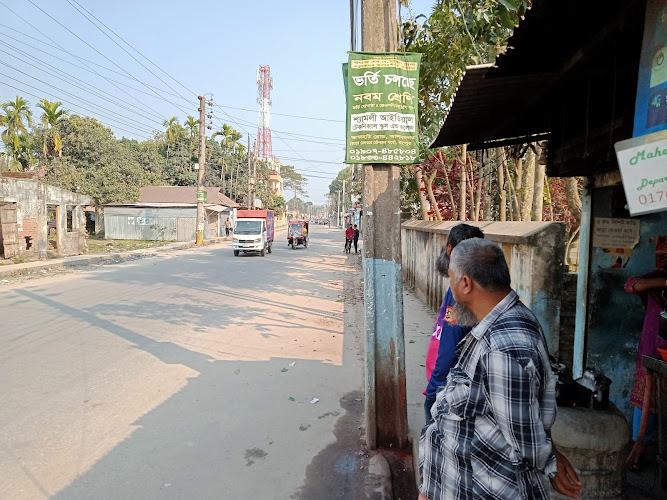
Tajhat Road
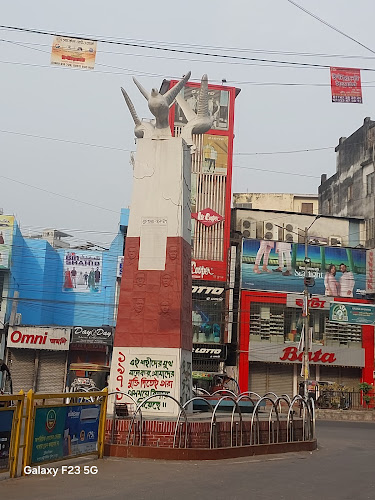
Payra Chattar
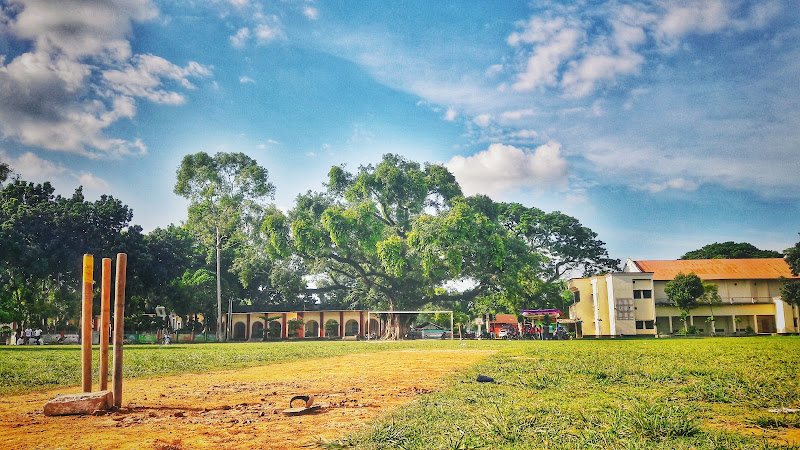
Rangpur Zilla School
Find Accommodations Nearby
Recommended Tours & Activities
Visitor Reviews
There are no reviews yet. Be the first one to write one.
Share Your Experience
Have you visited Dewanbari? Help other travelers by leaving a review.