
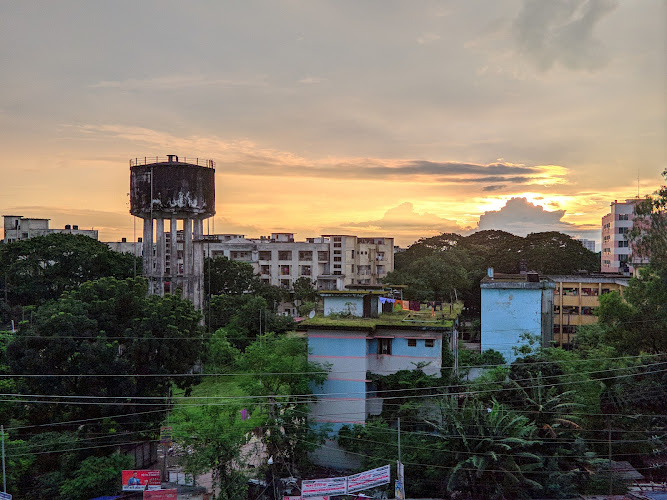
Rangpur
About Rangpur
Description
Rangpur, one of Bangladesh’s most historically rich and culturally layered cities, sits quietly along the Ghaghat River, not far from the mighty Teesta. It’s a place that doesn’t rush you. Instead, it unfolds slowly—the way a good story should. The city has grown into a major urban hub, serving as the administrative heart of the Rangpur Division, yet it still holds onto its rural charm. You’ll find a curious mix of modern life and old-world simplicity here: bustling markets, leafy university campuses, and quiet stretches of riverbanks where time seems to pause for a bit.
When I first visited Rangpur, I remember being struck by how friendly everyone was. A local rickshaw puller insisted I try a cup of tea from his favorite roadside stall—and honestly, it was one of the best cups I’ve ever had. That’s the kind of place Rangpur is: unpretentious, warm, and full of small surprises. The city’s architecture tells its own story too, from the colonial-era mansions to the newer civic buildings that reflect Bangladesh’s growing dynamism. And if you’re into history, you’ll find that Rangpur has layers of it—stories whispered through its old zamindar estates and ancient temples.
It’s not a polished tourist city, and that’s part of its charm. Rangpur feels lived-in and real. It’s a city where you can wander through narrow streets, chat with locals at tea stalls, and get a genuine sense of everyday Bangladeshi life. The city’s balance between agriculture and urban development gives it a grounded, earthy feel. You’ll see fields of rice and jute stretching beyond the city limits, reminding you that this region has always been the heartland of Bengal’s farming heritage.
Key Features
- Historical Landmarks: Rangpur is home to the Tajhat Palace, a stunning marble structure that now serves as a museum showcasing regional artifacts and relics.
- Cultural Diversity: The city’s population reflects a blend of ethnic groups and traditions, with colorful festivals and local fairs throughout the year.
- Educational Hub: Rangpur houses several major institutions, including Begum Rokeya University, making it a center for higher education in northern Bangladesh.
- Local Cuisine: Street food here is a must-try—especially the “fuchka” (crispy shells filled with spicy tamarind water) and the sweet “pitha” cakes during winter.
- Natural Beauty: The nearby Teesta River offers scenic views and opportunities for quiet boat rides, especially during sunset.
- Community Spirit: The friendliness of locals makes visitors feel instantly welcome—there’s a genuine sense of hospitality that’s hard to miss.
Best Time to Visit
The best time to explore Rangpur is from November to February when the weather is pleasant and cool. During these months, the air feels crisp, and the skies are clear—perfect for sightseeing or wandering through the city’s old neighborhoods. The winter season also coincides with local harvest festivals, so you might stumble upon a fair or cultural event without even planning for it.
Summer, on the other hand, can get pretty hot and humid. But if you can handle the heat, you’ll find fewer tourists and a more relaxed pace. The monsoon season (June to September) transforms the landscape into lush green, though travel can be tricky due to occasional flooding. Still, there’s something magical about watching the rain sweep over the Teesta plains—it’s a mood all its own.
How to Get There
Getting to Rangpur is fairly straightforward, though it depends on your starting point. From Dhaka, you can take a direct bus or train—both options offer a scenic journey through the northern countryside. The train ride, in particular, is a favorite among travelers who enjoy watching the landscape shift from bustling towns to quiet villages. It takes roughly 6 to 8 hours depending on the route.
If you’re short on time, domestic flights to nearby Saidpur Airport (about 30 kilometers away) make the trip faster. From there, it’s an easy drive or bus ride into the city. Once you’re in Rangpur, getting around is simple. Rickshaws and CNG auto-rickshaws are everywhere, and they’re not just cheap—they’re part of the experience. You’ll find that most drivers are eager to share stories about their city, often becoming unofficial tour guides along the way.
Tips for Visiting
First things first—bring an open mind. Rangpur isn’t a flashy destination, but it’s authentic. If you’re expecting luxury resorts and fancy restaurants, you might be disappointed. But if you’re looking for real connections, genuine smiles, and a taste of everyday life in northern Bangladesh, you’ll be more than satisfied.
Carry some cash, as card payments aren’t widely accepted outside major hotels or stores. Dress modestly, especially when visiting religious or rural areas—it’s a sign of respect and will help you blend in better. And don’t hesitate to try the local food from street vendors; just make sure it’s freshly cooked. The “cha” (tea) culture here is huge, so don’t be surprised if you’re invited for a cup more than once a day.
If you’re into photography, mornings and late afternoons are your best friends. The light around the rivers and fields is absolutely golden. And one small but important thing: take time to talk to people. The locals are proud of their city, and they’ll tell you stories that no guidebook ever could. I once spent an entire afternoon chatting with a farmer who told me about how the Teesta floods changed his village over the years—it was humbling and beautiful in a way that statistics could never capture.
For travelers who love exploring lesser-known destinations, Rangpur is a gem hiding in plain sight. It’s not overrun by tourists, which means you get to experience it in its truest form. Whether you’re walking through the palace grounds, watching the sunset over the river, or simply sipping tea at a roadside stall, Rangpur has a quiet way of pulling you in. It’s not a place you just visit—it’s a place that lingers with you long after you’ve left.
So pack light, bring curiosity, and give yourself time. Rangpur rewards those who slow down enough to notice the details—the laughter of children by the river, the rhythm of the cycle rickshaws, the aroma of fresh “cha” wafting through the air. It’s these small, fleeting moments that make a trip here unforgettable.
Key Features
- Key Features
- Best Time to Visit
- How to Get There
- Tips for Visiting
More Details
Updated November 9, 2025
Table of Contents
Description
Rangpur, one of Bangladesh’s most historically rich and culturally layered cities, sits quietly along the Ghaghat River, not far from the mighty Teesta. It’s a place that doesn’t rush you. Instead, it unfolds slowly—the way a good story should. The city has grown into a major urban hub, serving as the administrative heart of the Rangpur Division, yet it still holds onto its rural charm. You’ll find a curious mix of modern life and old-world simplicity here: bustling markets, leafy university campuses, and quiet stretches of riverbanks where time seems to pause for a bit.
When I first visited Rangpur, I remember being struck by how friendly everyone was. A local rickshaw puller insisted I try a cup of tea from his favorite roadside stall—and honestly, it was one of the best cups I’ve ever had. That’s the kind of place Rangpur is: unpretentious, warm, and full of small surprises. The city’s architecture tells its own story too, from the colonial-era mansions to the newer civic buildings that reflect Bangladesh’s growing dynamism. And if you’re into history, you’ll find that Rangpur has layers of it—stories whispered through its old zamindar estates and ancient temples.
It’s not a polished tourist city, and that’s part of its charm. Rangpur feels lived-in and real. It’s a city where you can wander through narrow streets, chat with locals at tea stalls, and get a genuine sense of everyday Bangladeshi life. The city’s balance between agriculture and urban development gives it a grounded, earthy feel. You’ll see fields of rice and jute stretching beyond the city limits, reminding you that this region has always been the heartland of Bengal’s farming heritage.
Key Features
- Historical Landmarks: Rangpur is home to the Tajhat Palace, a stunning marble structure that now serves as a museum showcasing regional artifacts and relics.
- Cultural Diversity: The city’s population reflects a blend of ethnic groups and traditions, with colorful festivals and local fairs throughout the year.
- Educational Hub: Rangpur houses several major institutions, including Begum Rokeya University, making it a center for higher education in northern Bangladesh.
- Local Cuisine: Street food here is a must-try—especially the “fuchka” (crispy shells filled with spicy tamarind water) and the sweet “pitha” cakes during winter.
- Natural Beauty: The nearby Teesta River offers scenic views and opportunities for quiet boat rides, especially during sunset.
- Community Spirit: The friendliness of locals makes visitors feel instantly welcome—there’s a genuine sense of hospitality that’s hard to miss.
Best Time to Visit
The best time to explore Rangpur is from November to February when the weather is pleasant and cool. During these months, the air feels crisp, and the skies are clear—perfect for sightseeing or wandering through the city’s old neighborhoods. The winter season also coincides with local harvest festivals, so you might stumble upon a fair or cultural event without even planning for it.
Summer, on the other hand, can get pretty hot and humid. But if you can handle the heat, you’ll find fewer tourists and a more relaxed pace. The monsoon season (June to September) transforms the landscape into lush green, though travel can be tricky due to occasional flooding. Still, there’s something magical about watching the rain sweep over the Teesta plains—it’s a mood all its own.
How to Get There
Getting to Rangpur is fairly straightforward, though it depends on your starting point. From Dhaka, you can take a direct bus or train—both options offer a scenic journey through the northern countryside. The train ride, in particular, is a favorite among travelers who enjoy watching the landscape shift from bustling towns to quiet villages. It takes roughly 6 to 8 hours depending on the route.
If you’re short on time, domestic flights to nearby Saidpur Airport (about 30 kilometers away) make the trip faster. From there, it’s an easy drive or bus ride into the city. Once you’re in Rangpur, getting around is simple. Rickshaws and CNG auto-rickshaws are everywhere, and they’re not just cheap—they’re part of the experience. You’ll find that most drivers are eager to share stories about their city, often becoming unofficial tour guides along the way.
Tips for Visiting
First things first—bring an open mind. Rangpur isn’t a flashy destination, but it’s authentic. If you’re expecting luxury resorts and fancy restaurants, you might be disappointed. But if you’re looking for real connections, genuine smiles, and a taste of everyday life in northern Bangladesh, you’ll be more than satisfied.
Carry some cash, as card payments aren’t widely accepted outside major hotels or stores. Dress modestly, especially when visiting religious or rural areas—it’s a sign of respect and will help you blend in better. And don’t hesitate to try the local food from street vendors; just make sure it’s freshly cooked. The “cha” (tea) culture here is huge, so don’t be surprised if you’re invited for a cup more than once a day.
If you’re into photography, mornings and late afternoons are your best friends. The light around the rivers and fields is absolutely golden. And one small but important thing: take time to talk to people. The locals are proud of their city, and they’ll tell you stories that no guidebook ever could. I once spent an entire afternoon chatting with a farmer who told me about how the Teesta floods changed his village over the years—it was humbling and beautiful in a way that statistics could never capture.
For travelers who love exploring lesser-known destinations, Rangpur is a gem hiding in plain sight. It’s not overrun by tourists, which means you get to experience it in its truest form. Whether you’re walking through the palace grounds, watching the sunset over the river, or simply sipping tea at a roadside stall, Rangpur has a quiet way of pulling you in. It’s not a place you just visit—it’s a place that lingers with you long after you’ve left.
So pack light, bring curiosity, and give yourself time. Rangpur rewards those who slow down enough to notice the details—the laughter of children by the river, the rhythm of the cycle rickshaws, the aroma of fresh “cha” wafting through the air. It’s these small, fleeting moments that make a trip here unforgettable.
Key Highlights
- Key Features
- Best Time to Visit
- How to Get There
- Tips for Visiting
Location
Places to Stay Near Rangpur
Find and Book a Tour
Explore More Travel Guides
No reviews found! Be the first to review!
Traveler Reviews for Rangpur
There are no reviews yet. Be the first one to write one.
Have you visited Rangpur? Help other travelers by sharing your review.
You Might Also Like
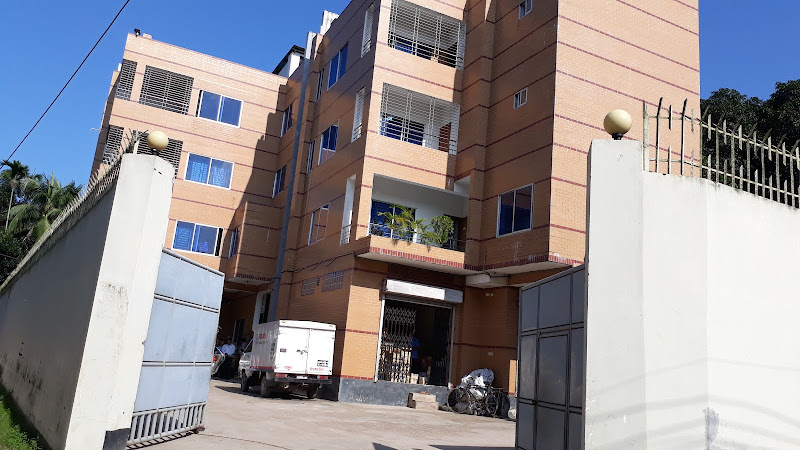
Square Pharma Rangpur Depot and Sales Office
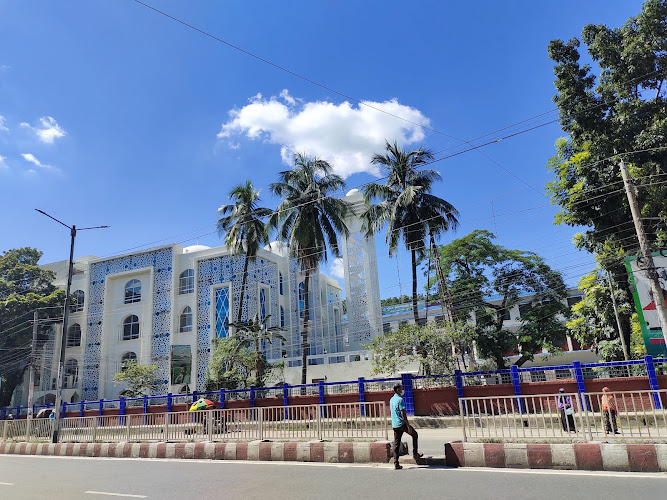
Rangpur Zero Point
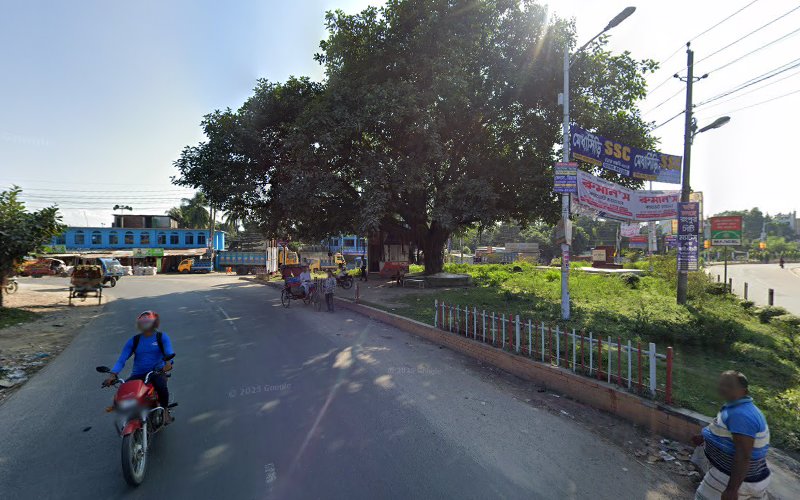
N517
Find Accommodations Nearby
Recommended Tours & Activities
Visitor Reviews
There are no reviews yet. Be the first one to write one.
Share Your Experience
Have you visited Rangpur? Help other travelers by leaving a review.