

PreHistorisch Dorp
About PreHistorisch Dorp
Description
PreHistorisch Dorp in Eindhoven, Netherlands is an open air museum that basically transports you into the heart of the past. It’s not the kind of museum where you just shuffle along hallways, staring at items behind glass. Instead, this historic village comes alive with people dressed in period clothing, traditional crafts being practiced in real time, and experiences that invite you to get your hands dirty. Think of it as stepping directly into the pages of early European history, from prehistoric times through to the Middle Ages.
Visitors often comment on how immersive it feels: the crunch of straw underfoot, the whiff of smoke from a wood fire, or the earthy smell of mud clinging to your shoes after a rainy day. The museum encourages participation—you can grind grain by hand, learn archery with a traditional bow, or paddle down the water in an ancient-style dugout canoe. It’s very different from the typical urban museum experience and that makes it special. Some love the authenticity and energy, while a few come away thinking it’s a little “rough around the edges”—but honestly, that’s part of the charm. Life in the past wasn’t polished, and this place doesn’t pretend it was.
Something I personally appreciate is how approachable the staff and reenactors are. You don’t just watch them work—you can walk right up, ask questions, and they’ll happily explain and even show you how things were done. They embody the spirit of living history, adding a layer of warmth that makes you forget you’re in the twenty-first century. With families, it’s a hit because kids get to run around in the open air and actually interact with history rather than tune out. Adults, meanwhile, can discover unexpected details about how people survived daily life in times when fire, stone, and iron were the most important technologies around.
Over the course of a day you might meet a Roman trader, a medieval blacksmith, or even watch Viking-style gatherings unfold. Seasonal events are also a big highlight – themed festivals such as Vikingfest or the magically weird Heksia bring in an extra dose of excitement, creating memorable moments for visitors of all ages. It’s not “perfect” by any means (you’ll likely come home with sooty clothes and messy hair from all that smoke and straw), but please don’t see that as a negative. That’s exactly what makes it feel real.
Key Features
- Open air museum with a hands-on, living history experience
- Authentic reconstructions of historic settlements from prehistoric times to the Middle Ages
- Interactive activities such as archery, grinding grain, blacksmithing, and canoeing
- Costumed interpreters who share stories and demonstrate traditional skills
- Seasonal events including Vikingfest, medieval fairs, and themed festivals
- Family-friendly setting with changing tables and child-focused workshops
- Wheelchair accessible entrances, parking, and restrooms
- On-site restaurant and seating areas for visitors to rest and refuel
- Free parking available both on-site and nearby streets
- Can also serve as a group accommodation or even a wedding venue for those looking for a truly unique backdrop
Best Time to Visit
The best season to plan a visit to PreHistorisch Dorp depends a bit on what you’re after. If you enjoy festive energy and crowds, summer is a fantastic time—especially when the big themed events are happening. Festivals often include live demonstrations, medieval-style food tastings, and performances that make the entire village feel alive. Longer hours and warmer weather also make exploring more comfortable, particularly if you want to enjoy canoe rides or extended time outdoors.
For travelers who prefer quieter atmospheres, spring and early autumn might be the sweet spot. Fewer visitors mean you can take your time with activities and conversations, making everything feel more personal. Weather can be unpredictable in the Netherlands (pack an umbrella just in case), but the dusky light bouncing off timber houses and smoke curling into cool air carries an atmosphere you just don’t get in midsummer.
Winter is usually the least active period. The museum does host occasional special events in cooler months, but many of the main activities aren’t as available, and some of the rustic charm gets a little lost if you’re shivering the whole time. So, if you want the full-force experience—with mud on your shoes and possibly soot under your fingernails—aim for April to October.
How to Get There
PreHistorisch Dorp is located in Eindhoven, in the Dutch province of North Brabant, making it relatively central and easy to reach within the Netherlands. If you’re coming from within the city, it’s just a quick drive or a short cycle away from Eindhoven’s main areas. Public transport is also straightforward: buses run close to the site, and from Eindhoven Central Station, you can typically hop on a bus that stops within walking distance of the museum.
If you’re driving, free on-site and street parking is available, which honestly is such a relief compared to parking headaches in bigger Dutch cities. Cycling is, unsurprisingly, another popular option—it’s the Netherlands after all. The roads and cycle lanes leading to the museum make for a relaxed and scenic ride if the weather treats you well. International visitors flying into Eindhoven Airport can get to the museum in under 30 minutes via car or taxi. From larger cities like Amsterdam or Utrecht, you’re looking at around 1.5 hours by train and bus combined.
Tips for Visiting
First off, wear clothes you don’t mind getting a bit messy. Part of the appeal of this historic village is that it isn’t sterile—you’ll be around open fires, wood shavings, and sometimes muddy footpaths. Shoes with decent grip aren’t a bad idea either, especially if it’s been raining. Bring a water bottle too, although the on-site restaurant will keep you well-fed with hearty meals and snacks.
If you’re visiting with kids, plan for a whole day. Children can easily get wrapped up in trying traditional crafts, petting animals, climbing on old wooden structures, or even pretending to be medieval farmers. It’s one of those places where time slips by without you realizing. Adults, on the other hand, might enjoy taking in the smaller details, like watching iron being hammered into shape or comparing building techniques across different historical eras.
Arrive early if you want a good pace and to avoid the biggest crowds during weekends. Also, check the schedule before you go—some activities, like canoeing, only run at certain hours. Themed events are popular, so if you hope to attend, book tickets in advance and expect the site to be busy. And here’s a little personal tip: talk to as many reenactors as you can. Each of them has a story to tell, and those little conversations often end up being the most memorable part of the day.
Finally, keep an open mind. PreHistorisch Dorp isn’t about clean displays or polished guided tours. It’s about gritty, hands-on immersion, where you’ll feel the past under your fingertips. Go with the expectation to learn, laugh, and maybe leave with muddy shoes, and you’ll absolutely come away with lasting memories.
Key Features
- Open air museum with a hands-on, living history experience
- Authentic reconstructions of historic settlements from prehistoric times to the Middle Ages
- Interactive activities such as archery, grinding grain, blacksmithing, and canoeing
- Costumed interpreters who share stories and demonstrate traditional skills
- Seasonal events including Vikingfest, medieval fairs, and themed festivals
- Family-friendly setting with changing tables and child-focused workshops
- Wheelchair accessible entrances, parking, and restrooms
- On-site restaurant and seating areas for visitors to rest and refuel
More Details
Updated October 1, 2025
Table of Contents
Description
PreHistorisch Dorp in Eindhoven, Netherlands is an open air museum that basically transports you into the heart of the past. It’s not the kind of museum where you just shuffle along hallways, staring at items behind glass. Instead, this historic village comes alive with people dressed in period clothing, traditional crafts being practiced in real time, and experiences that invite you to get your hands dirty. Think of it as stepping directly into the pages of early European history, from prehistoric times through to the Middle Ages.
Visitors often comment on how immersive it feels: the crunch of straw underfoot, the whiff of smoke from a wood fire, or the earthy smell of mud clinging to your shoes after a rainy day. The museum encourages participation—you can grind grain by hand, learn archery with a traditional bow, or paddle down the water in an ancient-style dugout canoe. It’s very different from the typical urban museum experience and that makes it special. Some love the authenticity and energy, while a few come away thinking it’s a little “rough around the edges”—but honestly, that’s part of the charm. Life in the past wasn’t polished, and this place doesn’t pretend it was.
Something I personally appreciate is how approachable the staff and reenactors are. You don’t just watch them work—you can walk right up, ask questions, and they’ll happily explain and even show you how things were done. They embody the spirit of living history, adding a layer of warmth that makes you forget you’re in the twenty-first century. With families, it’s a hit because kids get to run around in the open air and actually interact with history rather than tune out. Adults, meanwhile, can discover unexpected details about how people survived daily life in times when fire, stone, and iron were the most important technologies around.
Over the course of a day you might meet a Roman trader, a medieval blacksmith, or even watch Viking-style gatherings unfold. Seasonal events are also a big highlight – themed festivals such as Vikingfest or the magically weird Heksia bring in an extra dose of excitement, creating memorable moments for visitors of all ages. It’s not “perfect” by any means (you’ll likely come home with sooty clothes and messy hair from all that smoke and straw), but please don’t see that as a negative. That’s exactly what makes it feel real.
Key Features
- Open air museum with a hands-on, living history experience
- Authentic reconstructions of historic settlements from prehistoric times to the Middle Ages
- Interactive activities such as archery, grinding grain, blacksmithing, and canoeing
- Costumed interpreters who share stories and demonstrate traditional skills
- Seasonal events including Vikingfest, medieval fairs, and themed festivals
- Family-friendly setting with changing tables and child-focused workshops
- Wheelchair accessible entrances, parking, and restrooms
- On-site restaurant and seating areas for visitors to rest and refuel
- Free parking available both on-site and nearby streets
- Can also serve as a group accommodation or even a wedding venue for those looking for a truly unique backdrop
Best Time to Visit
The best season to plan a visit to PreHistorisch Dorp depends a bit on what you’re after. If you enjoy festive energy and crowds, summer is a fantastic time—especially when the big themed events are happening. Festivals often include live demonstrations, medieval-style food tastings, and performances that make the entire village feel alive. Longer hours and warmer weather also make exploring more comfortable, particularly if you want to enjoy canoe rides or extended time outdoors.
For travelers who prefer quieter atmospheres, spring and early autumn might be the sweet spot. Fewer visitors mean you can take your time with activities and conversations, making everything feel more personal. Weather can be unpredictable in the Netherlands (pack an umbrella just in case), but the dusky light bouncing off timber houses and smoke curling into cool air carries an atmosphere you just don’t get in midsummer.
Winter is usually the least active period. The museum does host occasional special events in cooler months, but many of the main activities aren’t as available, and some of the rustic charm gets a little lost if you’re shivering the whole time. So, if you want the full-force experience—with mud on your shoes and possibly soot under your fingernails—aim for April to October.
How to Get There
PreHistorisch Dorp is located in Eindhoven, in the Dutch province of North Brabant, making it relatively central and easy to reach within the Netherlands. If you’re coming from within the city, it’s just a quick drive or a short cycle away from Eindhoven’s main areas. Public transport is also straightforward: buses run close to the site, and from Eindhoven Central Station, you can typically hop on a bus that stops within walking distance of the museum.
If you’re driving, free on-site and street parking is available, which honestly is such a relief compared to parking headaches in bigger Dutch cities. Cycling is, unsurprisingly, another popular option—it’s the Netherlands after all. The roads and cycle lanes leading to the museum make for a relaxed and scenic ride if the weather treats you well. International visitors flying into Eindhoven Airport can get to the museum in under 30 minutes via car or taxi. From larger cities like Amsterdam or Utrecht, you’re looking at around 1.5 hours by train and bus combined.
Tips for Visiting
First off, wear clothes you don’t mind getting a bit messy. Part of the appeal of this historic village is that it isn’t sterile—you’ll be around open fires, wood shavings, and sometimes muddy footpaths. Shoes with decent grip aren’t a bad idea either, especially if it’s been raining. Bring a water bottle too, although the on-site restaurant will keep you well-fed with hearty meals and snacks.
If you’re visiting with kids, plan for a whole day. Children can easily get wrapped up in trying traditional crafts, petting animals, climbing on old wooden structures, or even pretending to be medieval farmers. It’s one of those places where time slips by without you realizing. Adults, on the other hand, might enjoy taking in the smaller details, like watching iron being hammered into shape or comparing building techniques across different historical eras.
Arrive early if you want a good pace and to avoid the biggest crowds during weekends. Also, check the schedule before you go—some activities, like canoeing, only run at certain hours. Themed events are popular, so if you hope to attend, book tickets in advance and expect the site to be busy. And here’s a little personal tip: talk to as many reenactors as you can. Each of them has a story to tell, and those little conversations often end up being the most memorable part of the day.
Finally, keep an open mind. PreHistorisch Dorp isn’t about clean displays or polished guided tours. It’s about gritty, hands-on immersion, where you’ll feel the past under your fingertips. Go with the expectation to learn, laugh, and maybe leave with muddy shoes, and you’ll absolutely come away with lasting memories.
Key Highlights
- Open air museum with a hands-on, living history experience
- Authentic reconstructions of historic settlements from prehistoric times to the Middle Ages
- Interactive activities such as archery, grinding grain, blacksmithing, and canoeing
- Costumed interpreters who share stories and demonstrate traditional skills
- Seasonal events including Vikingfest, medieval fairs, and themed festivals
- Family-friendly setting with changing tables and child-focused workshops
- Wheelchair accessible entrances, parking, and restrooms
- On-site restaurant and seating areas for visitors to rest and refuel
Location
Places to Stay Near PreHistorisch Dorp
Find and Book a Tour
Explore More Travel Guides
No reviews found! Be the first to review!
Traveler Reviews for PreHistorisch Dorp
There are no reviews yet. Be the first one to write one.
Have you visited PreHistorisch Dorp? Help other travelers by sharing your review.
You Might Also Like
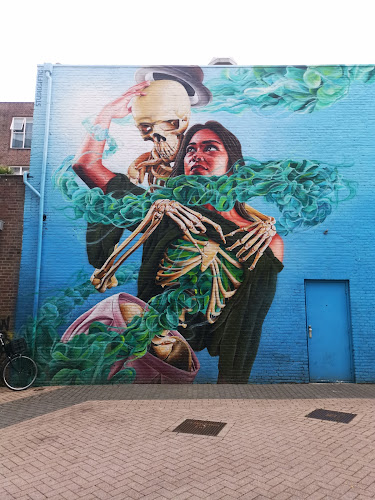
Murales

Eindhoven Museum
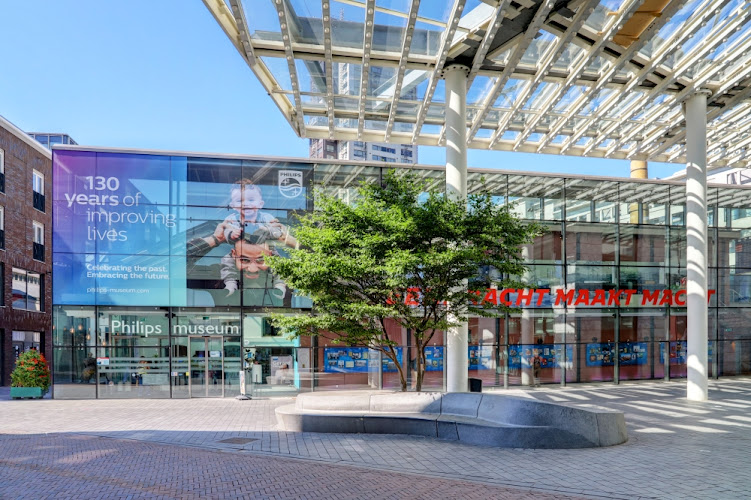
Philips Museum
Find Accommodations Nearby
Recommended Tours & Activities
Visitor Reviews
There are no reviews yet. Be the first one to write one.
Share Your Experience
Have you visited PreHistorisch Dorp? Help other travelers by leaving a review.