
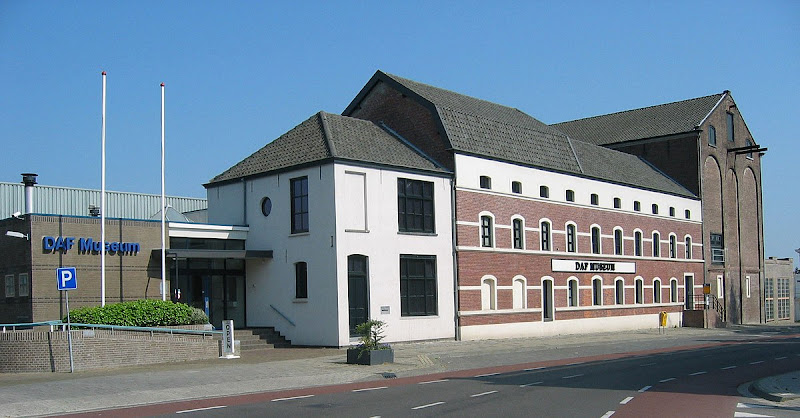
DAF Museum
About DAF Museum
The DAF Museum in Eindhoven, Netherlands, tells the story of an industrial outlier that grew into one of Europe's most recognizable truck makers. In plain terms: this is the place to go when curious about DAF trucks, rare production pieces, oddball prototypes and the practical, sweaty craft of making heavy vehicles. The collection traces the path from the early Van Doorne workshops through the golden eras of postwar production to modern diesel engineering. It is a museum that speaks to engineers, design lovers, transport buffs, families with kids who like big noisy things, and anyone who appreciates how a simple idea can evolve into a brand that reshaped freight and commercial transport across a continent.
The narrative on display moves beyond glossy marketing; exhibits are organized to reveal milestones in DAF history, technical developments in engines and chassis, and the social story behind the company. Van Doorne appears prominently — the family name that seeded DAF — and visitors learn about the tinkering spirit that led to the first prototypes. One can, for instance, stand close to early passenger cars and then walk into halls filled with modern trucks, and the contrast is oddly satisfying. It demonstrates how materials, scale and purpose changed, while core engineering problems remained familiar: how to carry more, safer and more efficiently.
What makes this museum stand out is the depth of its collection. There are pristine production vehicles and also prototypes that never reached the factory line. Those prototypes are the real eye-catchers — some look like they came from a 1960s sci-fi sketch, others like practical experiments in aerodynamics and load distribution. For people who enjoy spotting the weird and the rare, it's a small thrill to find designs that were tested and then quietly shelved. The museum displays modern trucks alongside vintage models, meaning visitors can compare cab ergonomics, instrument panels, and engine layouts across decades.
Restoration and conservation are part of the show. Visitors get to see how old bodies are stripped, rebuilt and repainted, and there are occasional behind-the-scenes glimpses of workshop work. This is not only about pretty machines; it's about the craft of keeping heavy mechanical heritage alive. The exhibits often include details on engines, transmissions, and the development of features such as the continuously variable transmission that DAF helped pioneer for passenger cars back in the day. So if technical detail is the sort of thing that excites you, there are plenty of data points to pore over.
And yes, the museum is designed with visitors in mind. The layout flows logically, with clear signage — although a few long-term fans mention that some labels could be more detailed. Still, the majority of displays combine photographs, original documents and physical parts so that the story becomes tangible. The museum also tries to cater to families: interactive elements and child-friendly explanations mean kids can get close to steering wheels and buttons without causing trouble. It’s one of those places where a child’s eyes widen at the size of a cab, while an older visitor remembers the smell of diesel and the rhythms of factory life.
Accessibility is a practical strength. The main entrance, restrooms and parts of the exhibition are arranged to be wheelchair accessible, which is notable for a vehicle museum where ramps and heavy doors are required. For anyone who needs a quieter visit, the museum staff are generally accommodating — a calm word at the desk often produces suggestions for less-crowded routes through the halls. The onsite restaurant is another thoughtful touch: after two hours of tracing the development of truck design, having a proper coffee and a plate of local fare makes the visit feel complete. And yes, there’s a restroom, so no awkward detours.
Visitors should know that the museum atmosphere fluctuates with events. On typical days it feels calm and focused; on special event days — open-door restoration displays, classic truck rallies or themed exhibitions — the place can be lively and crowded. That’s not a complaint; it simply means the museum doubles as a community hub for transport enthusiasts. The curators rotate some exhibits, so repeat visits reveal new angles. For example, a room that once focused on passenger cars might transform into a short-term exhibition about military vehicles or fire trucks, showcasing DAF chassis adapted for other uses.
Practicalities matter here too. Paid parking is available nearby, and while the town area around the museum can sometimes be busy, the paid parking options usually make life easy for visitors arriving by car. For those taking public transport, the museum is reachable by bus and short rides from the central parts of Eindhoven. And if someone is touring museums across the Netherlands, DAF Museum pairs well with more general industrial heritage or automotive museums; it's a specialized stop that fills a niche in a bigger itinerary.
There is a strong curatorial voice in many of the displays. The museum is clearly proud of DAF’s role in transportation history, but it doesn't avoid complexities. The presentation offers honest takes on industry shifts, labor changes and the commercial pressures that shaped model choices. It acknowledges missteps as well as triumphs — prototypes that never sold, production lines that had to be reinvented, and the company’s pivot points. That balanced approach is appreciated by those who prefer nuance over cheerleading. At times the tone is a little fan-like, but overall the mix of technical depth and historical context keeps the exhibits grounded.
For photographers and documenters, the museum offers solid opportunities. Many of the larger trucks are displayed with room to walk around and photograph, capturing details like badges, instrument clusters and unique bodywork. Visitors who are detail-oriented will find the plaques and explanations helpful, but they may also want to bring a notebook. A curious visitor might jot down model numbers and follow up later with online research about Van Doorne innovations or the evolution of DAF trucks in military and municipal roles.
On the softer side of the experience, the DAF Museum shows how machines are embedded in people's lives. There are personal stories — driver testimonials, archival images of factory floors, and displays about the communities built around DAF employment. Those human touches prevent the museum from becoming a sterile catalogue of metal. Instead, it feels like a remembered place: the clatter of a workshop, a foreman's advice shouted across a bay, the pride of families who saw loved ones work there. The author of this description once watched a retired driver linger by a cab and mouth the names of dials; it was a small, touching moment that reminded everyone around that these trucks meant more than cargo tonnage — they carried livelihoods and memories.
Children and families will likely linger at the interactive bits and the hands-on sections. The museum quietly recommends family-oriented activities: scavenger-style trails through the halls and occasional workshops where kids can assemble simple models. There’s also something to be said for the museum shop, which stocks enthusiast-grade souvenirs and smaller items that help cement a visit in memory. Even if one isn’t a die-hard truck fan, the shop’s tasteful selection makes it easy to take a memento that isn’t tacky.
One downside to note — and it’s only honest to say this — is that the museum, like many specialized institutions, can feel dense for casual visitors who arrive without any prior interest. Those who wander in expecting a light coffee-table stroll may be overwhelmed by the technical depth or bored by detailed engineering displays. But for anyone willing to read a few panels and linger, rewards are plentiful: unexpected historical hooks, design quirks, and the satisfaction of seeing how incremental changes add up to wholesale transformations in function and design.
Finally, the DAF Museum works as a destination because it balances specialist content with visitor-friendly services. With onsite amenities and thoughtful accessibility, it’s not only an archive for historians and a playground for truck fans; it’s a place where a curious traveler can spend an afternoon and come away with a clearer picture of how an industrial brand fits into Dutch and European transportation history. For those who like provenance, prototypes and a behind-the-scenes look at vehicle production, the museum is a solid, often surprising stop on any Eindhoven itinerary.
Key Features
DAF Museum
You Might Also Like

Augustinian Church

Calisthenicspark Eindhoven
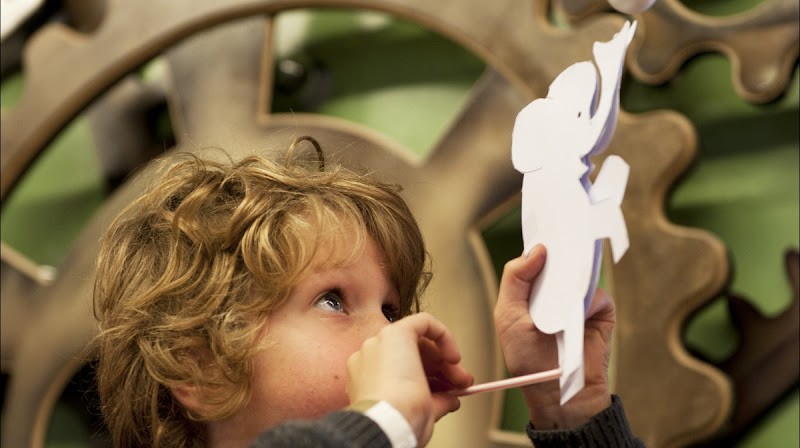
De Ontdekfabriek
Tours & Activities
GetYourGuide provides this tour inventory. We may earn a commission if you book through it; verify current availability, prices, and terms with the provider.
Visitor Reviews
There are no reviews yet. Be the first one to write one.
Share Your Experience
Have you visited DAF Museum? Help other travelers by leaving a review.