Pieterskerk
About Pieterskerk
Description
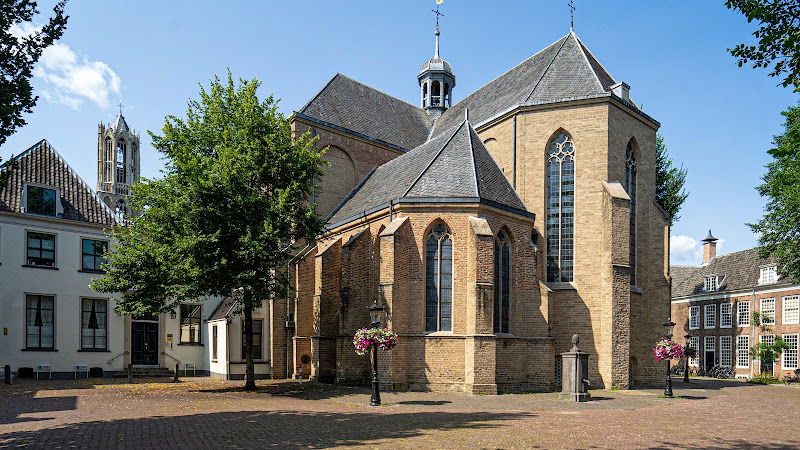
Standing tall in the heart of Utrecht, the Pieterskerk is one of those places that quietly commands attention without shouting for it. It’s not just another old church you pass by on a walking tour—it’s a piece of living history that feels both grand and surprisingly intimate. Built in the 11th century, this Romanesque and Gothic structure has seen centuries of worship, music, and community gatherings. There’s something about its weathered stone and slightly uneven floor that makes you feel the weight of time in the best possible way.
Many travelers come here expecting a typical church visit, but the Pieterskerk often surprises them. It’s not only a house of worship but also a cultural hub, hosting concerts that range from professional choirs to enthusiastic local groups. The acoustics inside are nothing short of breathtaking—rich, resonant, and warm. I remember attending a small choir performance one winter evening; the sound seemed to swirl around the vaulted ceilings like it had a life of its own. You could feel the centuries of music vibrating through the walls. It’s one of those experiences that sticks with you long after you’ve left.
Architecturally, the Pieterskerk is a fascinating blend of Romanesque sturdiness and Gothic grace. The heavy columns and rounded arches of its earlier design give way to pointed windows that let in soft streams of light. It’s a bit of a time capsule, really—a place where you can trace the evolution of European architecture just by looking up. And yet, despite its age and grandeur, there’s a calm simplicity about it. You won’t find it crowded with flashy decorations or overwhelming gold leaf. Instead, it’s the kind of space that invites quiet reflection, whether you’re a history buff, a music lover, or just someone who appreciates beautiful old buildings.
What’s also admirable is how accessible the church is. The entrance is wheelchair-friendly, making it easier for all visitors to enjoy the space without barriers. It’s clear that the caretakers have put thought into balancing preservation with inclusivity. That’s something not every historical site manages to do well, and it deserves a nod of appreciation.
Key Features
- Architectural Heritage: A rare combination of Romanesque and Gothic elements, offering a tangible link to Utrecht’s medieval past.
- Concert Venue: Regular performances by both amateur and professional choirs, known for their exceptional acoustics.
- Historic Ambiance: Ancient stone walls, vaulted ceilings, and a serene atmosphere that captures centuries of history.
- Accessibility: Wheelchair-accessible entrance ensuring a welcoming experience for all visitors.
- Cultural Significance: One of Utrecht’s oldest churches, deeply tied to the city’s religious and artistic heritage.
- Community Hub: Hosts local events, exhibitions, and gatherings that keep the church alive and relevant today.
Best Time to Visit
Timing can make all the difference when visiting the Pieterskerk. Personally, I think early morning or late afternoon are the sweet spots. The light filters through the stained-glass windows just right, casting colorful reflections on the stone floor. You get that magical, almost cinematic effect that makes you want to just stand there and soak it in. Midday tends to be busier, especially when there’s a concert or special event scheduled.
If you’re hoping to catch a performance, check the local listings before you go. The concert season usually peaks in spring and around the winter holidays. There’s something particularly special about hearing choral music echo through the nave when the air outside is crisp and cold. It’s cozy, moving, and honestly, a little bit haunting—in a good way. For those who prefer a quieter visit, weekdays outside of major events are ideal. You’ll often find yourself with plenty of space to wander, reflect, and maybe even chat with one of the friendly volunteers who always seem happy to share a story or two.
How to Get There
Reaching the Pieterskerk is straightforward once you’re in Utrecht’s city center. The church sits in one of the older, more atmospheric parts of town, surrounded by narrow cobbled streets and centuries-old buildings. Most visitors arrive on foot or by bicycle, which feels fitting given Utrecht’s cycling culture. If you’re coming from the central train station, it’s about a 15-minute walk through a maze of charming lanes filled with cafés and small boutiques. Honestly, half the fun is getting a little lost on the way—it’s part of the Utrecht experience.
Public transportation is also a convenient option. Local buses stop within a short walking distance of the area, and taxis or ride-shares are easy to find. Parking, however, can be tricky, as it often is in old European city centers. If you’re driving, it’s best to park in one of the nearby garages and enjoy the final stretch on foot. That way, you can take your time and really appreciate the surroundings before stepping into the quiet majesty of the Pieterskerk.
Tips for Visiting
Here’s the thing about places like the Pieterskerk—they reward curiosity and a bit of patience. Don’t just pop in, snap a few photos, and leave. Take time to really look. Notice the carvings on the columns, the subtle variations in stone color, and the way sound travels through the space. If you’re lucky, you might stumble upon a rehearsal or an impromptu organ performance. I once arrived just as a small choir was practicing, and it turned what was supposed to be a quick visit into an unforgettable hour of pure serenity.
Bring a light jacket, even in summer. Old churches tend to stay cool inside, and you’ll be grateful for the extra layer if you linger. Photography is generally allowed, but be respectful—especially if a service or event is underway. And if you’re traveling with kids, prepare them for a quieter environment. The Pieterskerk isn’t the kind of place where you’ll find interactive displays or loud tours, but it’s a wonderful opportunity to introduce them to history and architecture in a peaceful, meaningful way.
For those with mobility concerns, the accessible entrance makes visiting much easier. The staff and volunteers are usually accommodating and happy to assist. If you want to learn more about the church’s history, look for the small information panels or ask one of the guides—they often have fascinating tidbits that don’t appear in the usual brochures. You might hear about the church’s role in Utrecht’s early religious life or how it survived various periods of change and restoration.
Lastly, give yourself time afterward to explore the surrounding neighborhood. The area around the Pieterskerk is full of hidden gems—quiet courtyards, cozy cafés, and little shops that seem frozen in time. It’s one of those places where you can easily spend an entire afternoon without realizing it. And if you’re anything like me, you’ll leave feeling both grounded and inspired, with a deeper appreciation for how history and modern life can coexist so beautifully.
In short, the Pieterskerk isn’t just a stop on a sightseeing itinerary—it’s an experience that lingers. Whether you come for the architecture, the music, or simply a moment of calm, it offers a glimpse into Utrecht’s soul that’s hard to find anywhere else. And that, in my opinion, is what makes it truly worth the visit.
Key Features
- Key Features
- Best Time to Visit
- How to Get There
- Tips for Visiting
More Details
Updated December 1, 2025
Table of Contents
Description
Standing tall in the heart of Utrecht, the Pieterskerk is one of those places that quietly commands attention without shouting for it. It’s not just another old church you pass by on a walking tour—it’s a piece of living history that feels both grand and surprisingly intimate. Built in the 11th century, this Romanesque and Gothic structure has seen centuries of worship, music, and community gatherings. There’s something about its weathered stone and slightly uneven floor that makes you feel the weight of time in the best possible way.
Many travelers come here expecting a typical church visit, but the Pieterskerk often surprises them. It’s not only a house of worship but also a cultural hub, hosting concerts that range from professional choirs to enthusiastic local groups. The acoustics inside are nothing short of breathtaking—rich, resonant, and warm. I remember attending a small choir performance one winter evening; the sound seemed to swirl around the vaulted ceilings like it had a life of its own. You could feel the centuries of music vibrating through the walls. It’s one of those experiences that sticks with you long after you’ve left.
Architecturally, the Pieterskerk is a fascinating blend of Romanesque sturdiness and Gothic grace. The heavy columns and rounded arches of its earlier design give way to pointed windows that let in soft streams of light. It’s a bit of a time capsule, really—a place where you can trace the evolution of European architecture just by looking up. And yet, despite its age and grandeur, there’s a calm simplicity about it. You won’t find it crowded with flashy decorations or overwhelming gold leaf. Instead, it’s the kind of space that invites quiet reflection, whether you’re a history buff, a music lover, or just someone who appreciates beautiful old buildings.
What’s also admirable is how accessible the church is. The entrance is wheelchair-friendly, making it easier for all visitors to enjoy the space without barriers. It’s clear that the caretakers have put thought into balancing preservation with inclusivity. That’s something not every historical site manages to do well, and it deserves a nod of appreciation.
Key Features
- Architectural Heritage: A rare combination of Romanesque and Gothic elements, offering a tangible link to Utrecht’s medieval past.
- Concert Venue: Regular performances by both amateur and professional choirs, known for their exceptional acoustics.
- Historic Ambiance: Ancient stone walls, vaulted ceilings, and a serene atmosphere that captures centuries of history.
- Accessibility: Wheelchair-accessible entrance ensuring a welcoming experience for all visitors.
- Cultural Significance: One of Utrecht’s oldest churches, deeply tied to the city’s religious and artistic heritage.
- Community Hub: Hosts local events, exhibitions, and gatherings that keep the church alive and relevant today.
Best Time to Visit
Timing can make all the difference when visiting the Pieterskerk. Personally, I think early morning or late afternoon are the sweet spots. The light filters through the stained-glass windows just right, casting colorful reflections on the stone floor. You get that magical, almost cinematic effect that makes you want to just stand there and soak it in. Midday tends to be busier, especially when there’s a concert or special event scheduled.
If you’re hoping to catch a performance, check the local listings before you go. The concert season usually peaks in spring and around the winter holidays. There’s something particularly special about hearing choral music echo through the nave when the air outside is crisp and cold. It’s cozy, moving, and honestly, a little bit haunting—in a good way. For those who prefer a quieter visit, weekdays outside of major events are ideal. You’ll often find yourself with plenty of space to wander, reflect, and maybe even chat with one of the friendly volunteers who always seem happy to share a story or two.
How to Get There
Reaching the Pieterskerk is straightforward once you’re in Utrecht’s city center. The church sits in one of the older, more atmospheric parts of town, surrounded by narrow cobbled streets and centuries-old buildings. Most visitors arrive on foot or by bicycle, which feels fitting given Utrecht’s cycling culture. If you’re coming from the central train station, it’s about a 15-minute walk through a maze of charming lanes filled with cafés and small boutiques. Honestly, half the fun is getting a little lost on the way—it’s part of the Utrecht experience.
Public transportation is also a convenient option. Local buses stop within a short walking distance of the area, and taxis or ride-shares are easy to find. Parking, however, can be tricky, as it often is in old European city centers. If you’re driving, it’s best to park in one of the nearby garages and enjoy the final stretch on foot. That way, you can take your time and really appreciate the surroundings before stepping into the quiet majesty of the Pieterskerk.
Tips for Visiting
Here’s the thing about places like the Pieterskerk—they reward curiosity and a bit of patience. Don’t just pop in, snap a few photos, and leave. Take time to really look. Notice the carvings on the columns, the subtle variations in stone color, and the way sound travels through the space. If you’re lucky, you might stumble upon a rehearsal or an impromptu organ performance. I once arrived just as a small choir was practicing, and it turned what was supposed to be a quick visit into an unforgettable hour of pure serenity.
Bring a light jacket, even in summer. Old churches tend to stay cool inside, and you’ll be grateful for the extra layer if you linger. Photography is generally allowed, but be respectful—especially if a service or event is underway. And if you’re traveling with kids, prepare them for a quieter environment. The Pieterskerk isn’t the kind of place where you’ll find interactive displays or loud tours, but it’s a wonderful opportunity to introduce them to history and architecture in a peaceful, meaningful way.
For those with mobility concerns, the accessible entrance makes visiting much easier. The staff and volunteers are usually accommodating and happy to assist. If you want to learn more about the church’s history, look for the small information panels or ask one of the guides—they often have fascinating tidbits that don’t appear in the usual brochures. You might hear about the church’s role in Utrecht’s early religious life or how it survived various periods of change and restoration.
Lastly, give yourself time afterward to explore the surrounding neighborhood. The area around the Pieterskerk is full of hidden gems—quiet courtyards, cozy cafés, and little shops that seem frozen in time. It’s one of those places where you can easily spend an entire afternoon without realizing it. And if you’re anything like me, you’ll leave feeling both grounded and inspired, with a deeper appreciation for how history and modern life can coexist so beautifully.
In short, the Pieterskerk isn’t just a stop on a sightseeing itinerary—it’s an experience that lingers. Whether you come for the architecture, the music, or simply a moment of calm, it offers a glimpse into Utrecht’s soul that’s hard to find anywhere else. And that, in my opinion, is what makes it truly worth the visit.

Key Highlights
- Key Features
- Best Time to Visit
- How to Get There
- Tips for Visiting
Location
Places to Stay Near Pieterskerk
Find and Book a Tour
Explore More Travel Guides
No reviews found! Be the first to review!
Traveler Reviews for Pieterskerk
There are no reviews yet. Be the first one to write one.
Have you visited Pieterskerk? Help other travelers by sharing your review.
Find Accommodations Nearby
Recommended Tours & Activities
Visitor Reviews
There are no reviews yet. Be the first one to write one.
Share Your Experience
Have you visited Pieterskerk? Help other travelers by leaving a review.