

Philips Museum
About Philips Museum
Description
The Philips Museum in Eindhoven tells the story of a household name and a global technology company through objects, machines and stories that span more than a century. It is a brand museum focused on Philips products and developments in music, lighting, health and communications, presented in a way that mixes clear historical narrative with hands-on, interactive exhibits. Travelers who arrive expecting a dry corporate timeline will be surprised: the museum manages to make filament bulbs, vacuum tubes and early radios feel like characters in a larger tale about invention, work and city life. It sits where the company itself grew from a small engine-room of ideas into an industrial force; the atmosphere is part industrial heritage, part design showcase, and part small theatre for technological storytelling.
Visitors navigate a roughly chronological route that begins with the earliest years of Philips and the era when light bulbs were first transforming homes and streets. The exhibits are organized around the company’s impact on everyday life — how lighting changed cities, how sound systems changed living rooms, how medical devices saved lives. Exhibits on music include radios and record players that sound, and often will coax a grin from anyone who remembers the crackle of an old vinyl or the weight of a Bakelite receiver. The lighting displays showcase early light bulb designs right alongside modern LED innovations, which makes the word evolution feel, well, tangible. And health and healthcare technology are not left behind: there are displays explaining how medical imaging and other Philips innovations evolved, explained in simple language and with hands-on demos aimed at curious travelers and families.
Interactive exhibits are a real strong point. They do what good museums should do: invite participation. There are sound stations where visitors can compare audio quality across eras, light installations that let you see the difference between early incandescent warmth and crisp modern LEDs, and touchable objects that demystify otherwise technical topics. But it’s not all flashy screens; there are also nicely preserved artifacts — early prototypes, company documents, photos — that anchor the storytelling in real, often surprising detail. In short, the museum balances immersive digital storytelling with the charm of authentic historical objects.
Many travelers appreciate the museum’s emphasis on the human story behind the brand. The narrative includes the founders, engineers, factory workers and the city of Eindhoven itself, where Philips played a large role in shaping the local economy and urban development. There are sections that cover workplace life: what a factory floor looked like in the early 20th century, how production methods changed, even how employee culture shaped product design. That local angle gives the museum more personality than a purely corporate showcase would; it makes the Philips Museum feel rooted in place rather than being a glossy PR exhibit. And yes, those old worker photographs and candid snapshots are oddly moving — even for folks who came in expecting only gadgets.
For families, the museum is accommodating. There are kid-friendly activities and exhibits designed to explain technology without talking down to children. Changing tables and accessible restrooms make practical life easier, and the onsite restaurant is a welcome bonus when museum fatigue sets in. The museum’s physical layout is relatively compact compared to national museums, which is both a blessing and a curse: good if we’re thinking short attention spans and tired feet, less ideal if someone wants to lose an entire day in one place. A typical visit usually ranges from 1.5 to 2 hours for most travelers, though enthusiasts who love company history, design or vintage electronics can easily spend more time poking around each display.
There are also guided tour options and audio tours for visitors who want deeper context. These tours are practical for travelers who want efficient, informative visits and are particularly helpful for anyone who enjoys learning through narrative: hearing a guide explain why a particular light bulb design mattered in 1910 builds a surprising amount of meaning around what might otherwise read as mere objects. The museum’s signage is generally clear and available in multiple languages, which is a relief for visitors from outside the Netherlands. And while occasional temporary exhibitions refresh the permanent collection, the core story — Philips’ role in lighting, music, healthcare and communications — is steady and dependable.
Accessibility is taken seriously. The museum provides a wheelchair accessible entrance, parking and restrooms, which makes it realistic for travelers with mobility needs to plan a visit without last-minute worries. Paid parking is available nearby in a garage or lot, and there is a museum shop with design-oriented souvenirs and books for travelers who like to bring back a small piece of the trip. The shop tends to stock well-made replicas, literature on design and technology, and a few fun retro items that make for good gifts or conversation starters once back home.
There’s a subtle but important point about tone and critical balance: this is not an uncritical shrine to the company. The museum acknowledges industrial ups and downs, shifts in global markets and the complexity of technological impacts on society. That nuance is appreciated by travelers who prefer museums that neither whitewash nor villainize history. At the same time, some visitors occasionally note the museum can feel a bit small or quickly toured; this perception often depends on expectations. If someone arrives expecting an encyclopedic national museum, they might leave wanting more. But if a traveler wants an engaging, well-curated glimpse into the company that helped electrify and shape modern life, the Philips Museum delivers with style.
What often surprises visitors — and what travelers frequently bring up in conversation — are the sensory moments. Standing in a dim room watching an early Philips lamp slowly oxidize light across a model street, or listening to an original radio broadcast through a restored set, creates a small, odd intimacy with past domestic life. It’s those moments that transform the visit from a fact-gathering exercise into something a little bit emotional. People tend to leave talking about a single thing that grabbed them, rather than reciting a list of dates. That speaks to the exhibition design: it aims to connect objects to lived experience, and it often succeeds.
Practicalities matter too. The museum stays open regular daytime hours and is conveniently located for visitors exploring Eindhoven’s cultural quarter. It’s an easy add-on for those visiting nearby design or technology hubs in the city. For travelers who prefer to plan, tickets and visiting hours should be checked in advance, and timed entry is sometimes used during busier periods. Walk-in visits are often fine in low season, but during weekends or special exhibitions, booking ahead is recommended to avoid waiting.
On a slightly quirkier note: the museum gives off the feel of a well-loved neighborhood institution rather than a stoic corporate archive. Locals and ex-employees sometimes pop by, and their anecdotes — about lunchtime habits on the factory floor or early product trials that went hilariously awry — add a human texture to the displays. Travelers overhearing these stories often find them the highlight of their visit, because they reveal how technology and daily life have always been tangled together. Those off-script moments, the small conversations, can make a visit memorable.
For photography lovers, the museum offers several photo-worthy corners — vintage design objects, dramatic lighting installations and archival photos — but visitors should be mindful of exhibit rules and respect signage where flash or touch is restricted. The museum’s designers are mindful of storytelling pacing; they place moments of visual drama and reflective space in sequence, which helps the visit feel like a curated experience rather than a random jumble of objects.
Finally, the Philips Museum is a recommended stop for people who care about where technology comes from and how it shaped the modern world. It’s especially appealing for travelers interested in industrial history, product design, audio and lighting technology, and the social stories that accompany big companies. It’s also one of those places where a curious traveler leaves with both tangible facts and an odd little appreciation for the humblest of things — a filament, a volume knob, a tiny printed circuit — that quietly changed everyday life. In short, the Philips Museum is informative, often surprising, and worth the time of anyone passing through Eindhoven who wants to learn how one company helped illuminate and sound out the 20th century and beyond.
Key Features
More Details
Updated August 30, 2025
Table of Contents
Description
The Philips Museum in Eindhoven tells the story of a household name and a global technology company through objects, machines and stories that span more than a century. It is a brand museum focused on Philips products and developments in music, lighting, health and communications, presented in a way that mixes clear historical narrative with hands-on, interactive exhibits. Travelers who arrive expecting a dry corporate timeline will be surprised: the museum manages to make filament bulbs, vacuum tubes and early radios feel like characters in a larger tale about invention, work and city life. It sits where the company itself grew from a small engine-room of ideas into an industrial force; the atmosphere is part industrial heritage, part design showcase, and part small theatre for technological storytelling.
Visitors navigate a roughly chronological route that begins with the earliest years of Philips and the era when light bulbs were first transforming homes and streets. The exhibits are organized around the company’s impact on everyday life — how lighting changed cities, how sound systems changed living rooms, how medical devices saved lives. Exhibits on music include radios and record players that sound, and often will coax a grin from anyone who remembers the crackle of an old vinyl or the weight of a Bakelite receiver. The lighting displays showcase early light bulb designs right alongside modern LED innovations, which makes the word evolution feel, well, tangible. And health and healthcare technology are not left behind: there are displays explaining how medical imaging and other Philips innovations evolved, explained in simple language and with hands-on demos aimed at curious travelers and families.
Interactive exhibits are a real strong point. They do what good museums should do: invite participation. There are sound stations where visitors can compare audio quality across eras, light installations that let you see the difference between early incandescent warmth and crisp modern LEDs, and touchable objects that demystify otherwise technical topics. But it’s not all flashy screens; there are also nicely preserved artifacts — early prototypes, company documents, photos — that anchor the storytelling in real, often surprising detail. In short, the museum balances immersive digital storytelling with the charm of authentic historical objects.
Many travelers appreciate the museum’s emphasis on the human story behind the brand. The narrative includes the founders, engineers, factory workers and the city of Eindhoven itself, where Philips played a large role in shaping the local economy and urban development. There are sections that cover workplace life: what a factory floor looked like in the early 20th century, how production methods changed, even how employee culture shaped product design. That local angle gives the museum more personality than a purely corporate showcase would; it makes the Philips Museum feel rooted in place rather than being a glossy PR exhibit. And yes, those old worker photographs and candid snapshots are oddly moving — even for folks who came in expecting only gadgets.
For families, the museum is accommodating. There are kid-friendly activities and exhibits designed to explain technology without talking down to children. Changing tables and accessible restrooms make practical life easier, and the onsite restaurant is a welcome bonus when museum fatigue sets in. The museum’s physical layout is relatively compact compared to national museums, which is both a blessing and a curse: good if we’re thinking short attention spans and tired feet, less ideal if someone wants to lose an entire day in one place. A typical visit usually ranges from 1.5 to 2 hours for most travelers, though enthusiasts who love company history, design or vintage electronics can easily spend more time poking around each display.
There are also guided tour options and audio tours for visitors who want deeper context. These tours are practical for travelers who want efficient, informative visits and are particularly helpful for anyone who enjoys learning through narrative: hearing a guide explain why a particular light bulb design mattered in 1910 builds a surprising amount of meaning around what might otherwise read as mere objects. The museum’s signage is generally clear and available in multiple languages, which is a relief for visitors from outside the Netherlands. And while occasional temporary exhibitions refresh the permanent collection, the core story — Philips’ role in lighting, music, healthcare and communications — is steady and dependable.
Accessibility is taken seriously. The museum provides a wheelchair accessible entrance, parking and restrooms, which makes it realistic for travelers with mobility needs to plan a visit without last-minute worries. Paid parking is available nearby in a garage or lot, and there is a museum shop with design-oriented souvenirs and books for travelers who like to bring back a small piece of the trip. The shop tends to stock well-made replicas, literature on design and technology, and a few fun retro items that make for good gifts or conversation starters once back home.
There’s a subtle but important point about tone and critical balance: this is not an uncritical shrine to the company. The museum acknowledges industrial ups and downs, shifts in global markets and the complexity of technological impacts on society. That nuance is appreciated by travelers who prefer museums that neither whitewash nor villainize history. At the same time, some visitors occasionally note the museum can feel a bit small or quickly toured; this perception often depends on expectations. If someone arrives expecting an encyclopedic national museum, they might leave wanting more. But if a traveler wants an engaging, well-curated glimpse into the company that helped electrify and shape modern life, the Philips Museum delivers with style.
What often surprises visitors — and what travelers frequently bring up in conversation — are the sensory moments. Standing in a dim room watching an early Philips lamp slowly oxidize light across a model street, or listening to an original radio broadcast through a restored set, creates a small, odd intimacy with past domestic life. It’s those moments that transform the visit from a fact-gathering exercise into something a little bit emotional. People tend to leave talking about a single thing that grabbed them, rather than reciting a list of dates. That speaks to the exhibition design: it aims to connect objects to lived experience, and it often succeeds.
Practicalities matter too. The museum stays open regular daytime hours and is conveniently located for visitors exploring Eindhoven’s cultural quarter. It’s an easy add-on for those visiting nearby design or technology hubs in the city. For travelers who prefer to plan, tickets and visiting hours should be checked in advance, and timed entry is sometimes used during busier periods. Walk-in visits are often fine in low season, but during weekends or special exhibitions, booking ahead is recommended to avoid waiting.
On a slightly quirkier note: the museum gives off the feel of a well-loved neighborhood institution rather than a stoic corporate archive. Locals and ex-employees sometimes pop by, and their anecdotes — about lunchtime habits on the factory floor or early product trials that went hilariously awry — add a human texture to the displays. Travelers overhearing these stories often find them the highlight of their visit, because they reveal how technology and daily life have always been tangled together. Those off-script moments, the small conversations, can make a visit memorable.
For photography lovers, the museum offers several photo-worthy corners — vintage design objects, dramatic lighting installations and archival photos — but visitors should be mindful of exhibit rules and respect signage where flash or touch is restricted. The museum’s designers are mindful of storytelling pacing; they place moments of visual drama and reflective space in sequence, which helps the visit feel like a curated experience rather than a random jumble of objects.
Finally, the Philips Museum is a recommended stop for people who care about where technology comes from and how it shaped the modern world. It’s especially appealing for travelers interested in industrial history, product design, audio and lighting technology, and the social stories that accompany big companies. It’s also one of those places where a curious traveler leaves with both tangible facts and an odd little appreciation for the humblest of things — a filament, a volume knob, a tiny printed circuit — that quietly changed everyday life. In short, the Philips Museum is informative, often surprising, and worth the time of anyone passing through Eindhoven who wants to learn how one company helped illuminate and sound out the 20th century and beyond.
Key Highlights
Philips Museum
Location
Places to Stay Near Philips Museum
Find and Book a Tour
Explore More Travel Guides
No reviews found! Be the first to review!
Traveler Reviews for Philips Museum
There are no reviews yet. Be the first one to write one.
Have you visited Philips Museum? Help other travelers by sharing your review.
You Might Also Like
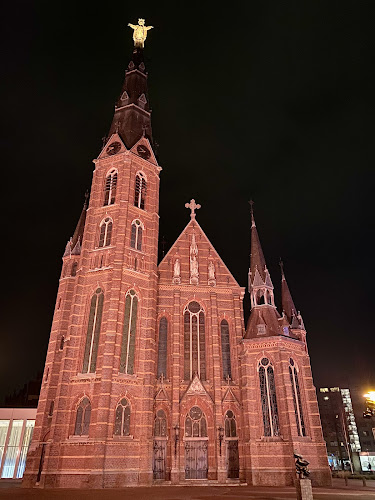
Augustinian Church
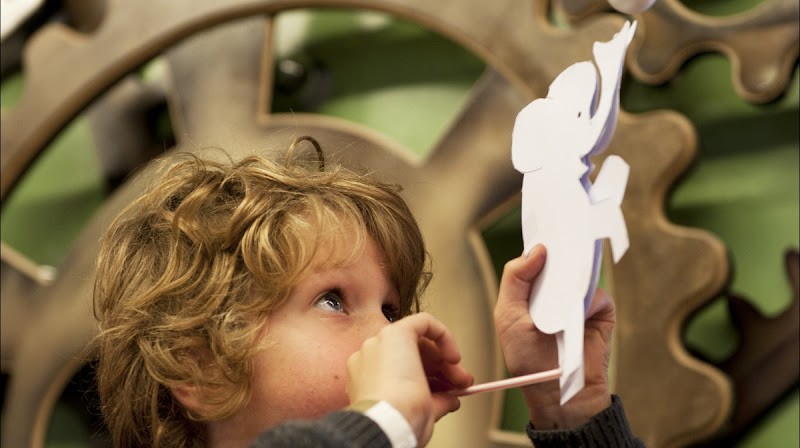
De Ontdekfabriek
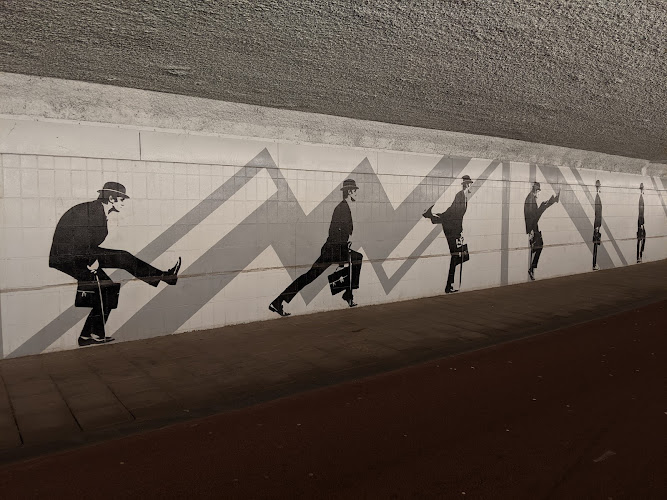
Silly Walks tunnel
Find Accommodations Nearby
Recommended Tours & Activities
Visitor Reviews
There are no reviews yet. Be the first one to write one.
Share Your Experience
Have you visited Philips Museum? Help other travelers by leaving a review.