

Porro Music Monument
About Porro Music Monument
Description
The Porro Music Monument stands as a tribute to one of Colombia's most distinctive musical traditions, celebrating the infectious rhythms and cultural heritage that have shaped the Caribbean coastal region for generations. When you first encounter this memorial, you're immediately struck by how it captures the essence of a genre that's been the soundtrack to countless celebrations, festivals, and everyday moments throughout the country's history. I'll be honest – before visiting monuments dedicated to musical traditions, I always wondered if they could truly capture the spirit of sound through static sculpture. But the Porro Music Monument manages to bridge that gap between the visual and the auditory in ways that genuinely surprised me. The memorial doesn't just commemorate porro music as an abstract concept; it honors the musicians, composers, and everyday people who kept this tradition alive through Colombia's complex history. Porro music itself emerged from the fusion of indigenous, African, and European influences along Colombia's Caribbean coast, creating a brass band sound that's impossible to resist once it gets into your bones. The monument serves as a physical reminder of this cultural melting pot, representing decades of musical evolution that turned local sounds into a national treasure. And let me tell you, standing before this memorial gives you a whole new appreciation for how music can define a region's identity. The structure itself speaks to the communal nature of porro music – this isn't a solitary composer's monument but rather a celebration of collective cultural expression. Musicians who dedicated their lives to perfecting the clarinet lines, trumpet flourishes, and drum patterns that make porro so recognizable are given their due recognition here. It's one of those places where you can actually feel the weight of cultural preservation, even if you're just passing through as a curious traveler.Key Features
The Porro Music Monument offers several elements that make it worth adding to your Colombian itinerary: • A sculptural design that incorporates musical instruments typical of porro bands, including representations of clarinets, drums, and brass instruments that form the backbone of the genre • Informative plaques and displays that provide context about porro's historical development and its significance to Colombian cultural identity • A location that connects visitors to the broader musical landscape of the Caribbean coastal region, serving as an entry point for understanding local traditions • Architectural elements that reflect the festive, celebratory nature of porro music while maintaining the solemnity appropriate for a memorial space • Photo opportunities that capture both the monument itself and the surrounding atmosphere that characterizes areas where porro music has flourished • A relatively compact size that makes it accessible for travelers with limited time but maximum curiosity about Colombian musical heritage • The distinction of honoring a musical genre rather than a single individual, making it representative of community-based cultural expression • Strong visitor ratings indicating that most people who make the effort to visit come away with positive impressions and newfound appreciation for this musical traditionBest Time to Visit
Timing your visit to the Porro Music Monument can significantly enhance your experience, though honestly, this memorial maintains its appeal throughout the year. The Colombian Caribbean coast experiences two main seasons – dry and wet – and each offers distinct advantages for monument visitors. The dry season, typically running from December through April, provides the most comfortable weather conditions for exploring outdoor monuments. During these months, you'll encounter sunny skies and lower humidity levels that make standing outside considerably more pleasant. But here's the thing – this is also peak tourist season, so you might find yourself sharing the space with more visitors than you'd prefer if you're after that contemplative, solitary experience. I've found that visiting during shoulder seasons – around November or May – offers a sweet spot between favorable weather and manageable crowds. The occasional rain shower shouldn't deter you; in fact, experiencing the monument under dramatic cloud formations can add atmospheric depth to your visit. Just pack an umbrella and embrace the tropical climate's unpredictability. If you're genuinely passionate about experiencing porro music in its living, breathing form, coordinate your visit with regional festivals where the genre takes center stage. The Carnaval de Barranquilla in February-March features extensive porro performances, and visiting the monument before or after immersing yourself in actual porro music creates a richer, more connected experience. You'll understand what the monument represents on a visceral level once you've heard those brass sections live. Early morning visits, regardless of season, offer the best lighting for photography and typically fewer fellow tourists. The monument takes on different character depending on the time of day – morning light brings clarity and detail, while late afternoon casts longer shadows that emphasize the sculptural elements. I'm partial to that golden hour just before sunset, when everything seems to glow with warmth that mirrors the music's own spirited energy.How to Get There
Reaching the Porro Music Monument requires some planning, but the journey itself becomes part of your Colombian cultural education. The monument's location connects to the broader network of Caribbean coastal towns where porro music has deep roots, so getting there often means traveling through regions where you'll hear the music floating from windows and outdoor speakers. Most international travelers will arrive through one of Colombia's major coastal airports. From there, you'll need to determine the specific route based on the monument's exact position, which typically involves either local transportation or a combination of regional buses and taxis. Colombian bus systems are remarkably comprehensive – sometimes overcrowded and rarely running exactly on schedule, but they get you where you need to go while providing authentic local interaction. If you're staying in nearby coastal cities, taxi services or rideshare options can deliver you directly to the monument's location. Make sure your driver understands your destination clearly; showing a photo of the monument on your phone works better than relying on address navigation in some areas. Colombian drivers generally know their local landmarks well, and cultural monuments typically register on their mental maps. For travelers who prefer organized experiences, some regional tour operators include the monument as part of broader cultural heritage tours focused on Colombian music and Caribbean coastal traditions. These packaged options remove navigation stress and often provide guides who can explain porro's history and significance in ways that solitary visits can't match. Walking to the monument from nearby accommodations is possible depending on where you're staying. I always recommend exploring on foot when feasible – you'll stumble across street murals, local eateries, and architectural details that vehicle-based travel completely misses. Just be mindful of local safety recommendations and avoid carrying obvious valuables while wandering. Renting a car provides maximum flexibility, though navigating Colombian cities takes some adjustment for travelers accustomed to different driving cultures. Parking near monuments can be challenging, so arrive with patience and possibly a backup plan for leaving your vehicle a bit further away than you'd prefer.Tips for Visiting
Making the most of your Porro Music Monument experience involves more than just showing up and snapping photos. Here's what actual visits have taught me about approaching this cultural landmark thoughtfully. Spend time reading any available information displays before simply photographing the monument. I know we all feel that instinctive need to document everything immediately, but you'll take better, more meaningful photos after understanding what you're looking at. The plaques and historical context transform the monument from generic sculpture into a specific story about musical preservation and cultural pride. Bring your own music along – seriously. Queuing up some classic porro tracks on your phone while standing before the monument creates an immersive experience that static visits lack. Artists like Lucho Bermúdez or the Banda de Baranoa provide the authentic soundtrack this memorial deserves. And yes, use headphones to respect other visitors, unless you encounter a group that wants to share the musical moment together. Dress comfortably for the climate, which along the Colombian Caribbean coast means lightweight, breathable fabrics and sun protection. A hat and sunscreen aren't optional accessories here; they're essential equipment. I learned this the hard way during an early Colombian trip and spent the next three days resembling a lobster. Engage with locals if you see people near the monument who seem approachable. Colombians generally love discussing their musical heritage, and you might hear personal stories about growing up with porro music that no guidebook could ever capture. Some of my best travel memories come from these spontaneous conversations that happen when you express genuine curiosity about local culture. Consider visiting during daylight hours for safety and visibility, though the monument may take on interesting character during evening hours if it's lit. Check current local recommendations about visiting outdoor monuments after dark, as safety conditions can vary. Respect the memorial's commemorative purpose. While it's absolutely appropriate to enjoy your visit and take photos, remember this monument honors a living cultural tradition that holds deep meaning for many Colombians. A balance between tourist enthusiasm and cultural respect makes you a better visitor. Combine your monument visit with broader exploration of porro music culture. Seek out live performances, visit music shops that sell recordings by classic porro artists, or ask locals to recommend venues where the tradition continues. The monument serves as your entry point, but the real experience extends far beyond a single memorial. Don't rush. I've watched too many travelers approach monuments with a checklist mentality – arrive, photograph, leave, check the box. Spending even fifteen quiet minutes at the Porro Music Monument, actually thinking about what porro music represents and why communities felt compelled to build this memorial, creates infinitely more valuable experiences than hurried photo stops. Bring water and perhaps a small snack, especially if you're visiting during warmer parts of the day. Colombian coastal heat is no joke, and getting dehydrated will cut short your cultural exploration faster than anything else. Finally, share your experience thoughtfully. If you're inclined to leave reviews or post on social media, focus on what makes this monument specifically meaningful rather than generic travel content. Future visitors benefit from your honest impressions about whether the monument met your expectations and what you learned about porro's cultural significance. Your perspective contributes to the collective knowledge that helps other music-loving travelers decide whether this memorial deserves space on their itineraries.Key Features
- Key Features
- Best Time to Visit
- How to Get There
- Tips for Visiting
More Details
Updated March 30, 2026
Table of Contents
Description
The Porro Music Monument stands as a tribute to one of Colombia’s most distinctive musical traditions, celebrating the infectious rhythms and cultural heritage that have shaped the Caribbean coastal region for generations. When you first encounter this memorial, you’re immediately struck by how it captures the essence of a genre that’s been the soundtrack to countless celebrations, festivals, and everyday moments throughout the country’s history.
I’ll be honest – before visiting monuments dedicated to musical traditions, I always wondered if they could truly capture the spirit of sound through static sculpture. But the Porro Music Monument manages to bridge that gap between the visual and the auditory in ways that genuinely surprised me. The memorial doesn’t just commemorate porro music as an abstract concept; it honors the musicians, composers, and everyday people who kept this tradition alive through Colombia’s complex history.
Porro music itself emerged from the fusion of indigenous, African, and European influences along Colombia’s Caribbean coast, creating a brass band sound that’s impossible to resist once it gets into your bones. The monument serves as a physical reminder of this cultural melting pot, representing decades of musical evolution that turned local sounds into a national treasure. And let me tell you, standing before this memorial gives you a whole new appreciation for how music can define a region’s identity.
The structure itself speaks to the communal nature of porro music – this isn’t a solitary composer’s monument but rather a celebration of collective cultural expression. Musicians who dedicated their lives to perfecting the clarinet lines, trumpet flourishes, and drum patterns that make porro so recognizable are given their due recognition here. It’s one of those places where you can actually feel the weight of cultural preservation, even if you’re just passing through as a curious traveler.
Key Features
The Porro Music Monument offers several elements that make it worth adding to your Colombian itinerary:
• A sculptural design that incorporates musical instruments typical of porro bands, including representations of clarinets, drums, and brass instruments that form the backbone of the genre
• Informative plaques and displays that provide context about porro’s historical development and its significance to Colombian cultural identity
• A location that connects visitors to the broader musical landscape of the Caribbean coastal region, serving as an entry point for understanding local traditions
• Architectural elements that reflect the festive, celebratory nature of porro music while maintaining the solemnity appropriate for a memorial space
• Photo opportunities that capture both the monument itself and the surrounding atmosphere that characterizes areas where porro music has flourished
• A relatively compact size that makes it accessible for travelers with limited time but maximum curiosity about Colombian musical heritage
• The distinction of honoring a musical genre rather than a single individual, making it representative of community-based cultural expression
• Strong visitor ratings indicating that most people who make the effort to visit come away with positive impressions and newfound appreciation for this musical tradition
Best Time to Visit
Timing your visit to the Porro Music Monument can significantly enhance your experience, though honestly, this memorial maintains its appeal throughout the year. The Colombian Caribbean coast experiences two main seasons – dry and wet – and each offers distinct advantages for monument visitors.
The dry season, typically running from December through April, provides the most comfortable weather conditions for exploring outdoor monuments. During these months, you’ll encounter sunny skies and lower humidity levels that make standing outside considerably more pleasant. But here’s the thing – this is also peak tourist season, so you might find yourself sharing the space with more visitors than you’d prefer if you’re after that contemplative, solitary experience.
I’ve found that visiting during shoulder seasons – around November or May – offers a sweet spot between favorable weather and manageable crowds. The occasional rain shower shouldn’t deter you; in fact, experiencing the monument under dramatic cloud formations can add atmospheric depth to your visit. Just pack an umbrella and embrace the tropical climate’s unpredictability.
If you’re genuinely passionate about experiencing porro music in its living, breathing form, coordinate your visit with regional festivals where the genre takes center stage. The Carnaval de Barranquilla in February-March features extensive porro performances, and visiting the monument before or after immersing yourself in actual porro music creates a richer, more connected experience. You’ll understand what the monument represents on a visceral level once you’ve heard those brass sections live.
Early morning visits, regardless of season, offer the best lighting for photography and typically fewer fellow tourists. The monument takes on different character depending on the time of day – morning light brings clarity and detail, while late afternoon casts longer shadows that emphasize the sculptural elements. I’m partial to that golden hour just before sunset, when everything seems to glow with warmth that mirrors the music’s own spirited energy.
How to Get There
Reaching the Porro Music Monument requires some planning, but the journey itself becomes part of your Colombian cultural education. The monument’s location connects to the broader network of Caribbean coastal towns where porro music has deep roots, so getting there often means traveling through regions where you’ll hear the music floating from windows and outdoor speakers.
Most international travelers will arrive through one of Colombia’s major coastal airports. From there, you’ll need to determine the specific route based on the monument’s exact position, which typically involves either local transportation or a combination of regional buses and taxis. Colombian bus systems are remarkably comprehensive – sometimes overcrowded and rarely running exactly on schedule, but they get you where you need to go while providing authentic local interaction.
If you’re staying in nearby coastal cities, taxi services or rideshare options can deliver you directly to the monument’s location. Make sure your driver understands your destination clearly; showing a photo of the monument on your phone works better than relying on address navigation in some areas. Colombian drivers generally know their local landmarks well, and cultural monuments typically register on their mental maps.
For travelers who prefer organized experiences, some regional tour operators include the monument as part of broader cultural heritage tours focused on Colombian music and Caribbean coastal traditions. These packaged options remove navigation stress and often provide guides who can explain porro’s history and significance in ways that solitary visits can’t match.
Walking to the monument from nearby accommodations is possible depending on where you’re staying. I always recommend exploring on foot when feasible – you’ll stumble across street murals, local eateries, and architectural details that vehicle-based travel completely misses. Just be mindful of local safety recommendations and avoid carrying obvious valuables while wandering.
Renting a car provides maximum flexibility, though navigating Colombian cities takes some adjustment for travelers accustomed to different driving cultures. Parking near monuments can be challenging, so arrive with patience and possibly a backup plan for leaving your vehicle a bit further away than you’d prefer.
Tips for Visiting
Making the most of your Porro Music Monument experience involves more than just showing up and snapping photos. Here’s what actual visits have taught me about approaching this cultural landmark thoughtfully.
Spend time reading any available information displays before simply photographing the monument. I know we all feel that instinctive need to document everything immediately, but you’ll take better, more meaningful photos after understanding what you’re looking at. The plaques and historical context transform the monument from generic sculpture into a specific story about musical preservation and cultural pride.
Bring your own music along – seriously. Queuing up some classic porro tracks on your phone while standing before the monument creates an immersive experience that static visits lack. Artists like Lucho Bermúdez or the Banda de Baranoa provide the authentic soundtrack this memorial deserves. And yes, use headphones to respect other visitors, unless you encounter a group that wants to share the musical moment together.
Dress comfortably for the climate, which along the Colombian Caribbean coast means lightweight, breathable fabrics and sun protection. A hat and sunscreen aren’t optional accessories here; they’re essential equipment. I learned this the hard way during an early Colombian trip and spent the next three days resembling a lobster.
Engage with locals if you see people near the monument who seem approachable. Colombians generally love discussing their musical heritage, and you might hear personal stories about growing up with porro music that no guidebook could ever capture. Some of my best travel memories come from these spontaneous conversations that happen when you express genuine curiosity about local culture.
Consider visiting during daylight hours for safety and visibility, though the monument may take on interesting character during evening hours if it’s lit. Check current local recommendations about visiting outdoor monuments after dark, as safety conditions can vary.
Respect the memorial’s commemorative purpose. While it’s absolutely appropriate to enjoy your visit and take photos, remember this monument honors a living cultural tradition that holds deep meaning for many Colombians. A balance between tourist enthusiasm and cultural respect makes you a better visitor.
Combine your monument visit with broader exploration of porro music culture. Seek out live performances, visit music shops that sell recordings by classic porro artists, or ask locals to recommend venues where the tradition continues. The monument serves as your entry point, but the real experience extends far beyond a single memorial.
Don’t rush. I’ve watched too many travelers approach monuments with a checklist mentality – arrive, photograph, leave, check the box. Spending even fifteen quiet minutes at the Porro Music Monument, actually thinking about what porro music represents and why communities felt compelled to build this memorial, creates infinitely more valuable experiences than hurried photo stops.
Bring water and perhaps a small snack, especially if you’re visiting during warmer parts of the day. Colombian coastal heat is no joke, and getting dehydrated will cut short your cultural exploration faster than anything else.
Finally, share your experience thoughtfully. If you’re inclined to leave reviews or post on social media, focus on what makes this monument specifically meaningful rather than generic travel content. Future visitors benefit from your honest impressions about whether the monument met your expectations and what you learned about porro’s cultural significance. Your perspective contributes to the collective knowledge that helps other music-loving travelers decide whether this memorial deserves space on their itineraries.
Key Highlights
- Key Features
- Best Time to Visit
- How to Get There
- Tips for Visiting
Location
Places to Stay Near Porro Music Monument
Find and Book a Tour
Explore More Travel Guides
No reviews found! Be the first to review!
Porro Music Monument is a prominent Monumento conmemorativo located in Montería.
Visit us at: Cl. 41 #25, Montería, Córdoba, Kolombia.
Traveler Reviews for Porro Music Monument
There are no reviews yet. Be the first one to write one.
Have you visited Porro Music Monument? Help other travelers by sharing your review.
You Might Also Like
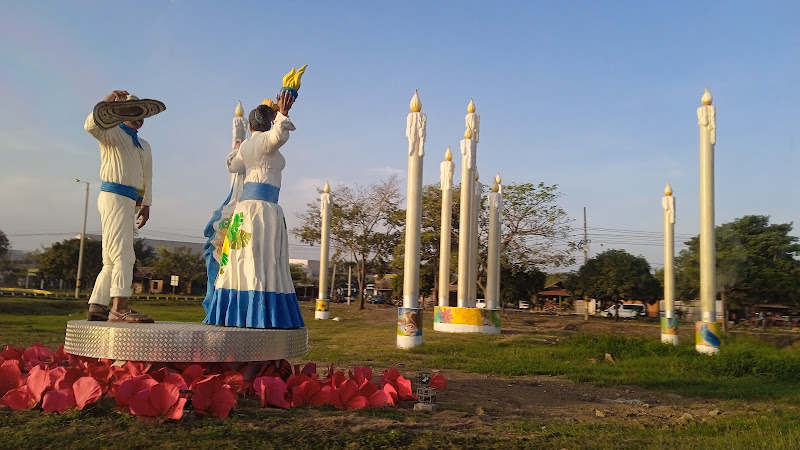
Pilares de Luz
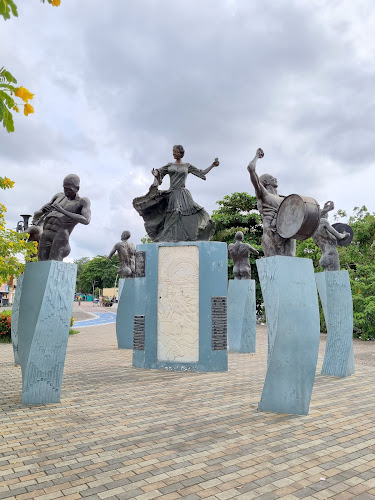
Plaza Cultural del Sinú
Tourist spring Monteria
Find Accommodations Nearby
Recommended Tours & Activities
Visitor Reviews
There are no reviews yet. Be the first one to write one.
Share Your Experience
Have you visited Porro Music Monument? Help other travelers by leaving a review.