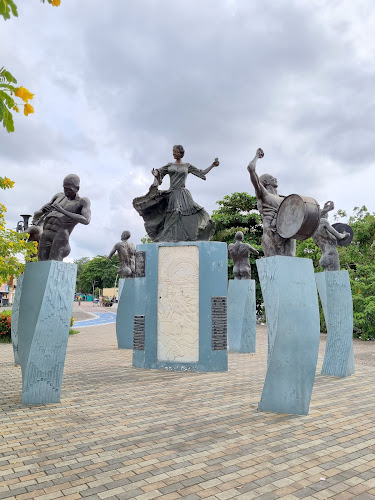
About Plaza Cultural del Sinú

Description

Plaza Cultural del Sinú stands as a testament to Colombia's rich cultural heritage, particularly celebrating the legacy of the indigenous Zenú people who once thrived along the Sinú River. This historical landmark offers travelers a unique glimpse into the region's past while providing a peaceful retreat from the everyday bustle. The plaza serves as both a cultural center and a gathering space where history meets modern Colombian life. Walking through this space, you'll find yourself transported through time. The plaza honors the sophisticated hydraulic engineering systems that the Zenú civilization developed centuries ago, which allowed them to control flooding and create one of the most advanced pre-Columbian societies in South America. And honestly, when you stand there knowing what the indigenous people accomplished with their bare hands and ingenuity, it's pretty humbling. The location along the river creates a natural backdrop that's particularly appealing during the late afternoon when the sun casts golden reflections across the water. I've always believed that historical sites gain something special when they're positioned near natural features, and this plaza doesn't disappoint in that regard. The riverfront setting means you're getting two experiences in one—cultural education and natural beauty. What makes this destination particularly appealing for travelers is its accessibility. Unlike some historical landmarks that feel exclusive or difficult to navigate, Plaza Cultural del Sinú welcomes everyone. Families with children find it an educational yet entertaining stop, while history enthusiasts can spend hours absorbing the cultural significance of the exhibits and monuments throughout the space. The plaza isn't just about looking at old artifacts behind glass cases though. It's become a living, breathing part of the community where local events, gatherings, and cultural celebrations take place regularly. You might stumble upon a traditional music performance or catch artisans demonstrating centuries-old crafts. That's the beauty of places like this—they refuse to become stale museum pieces.

Key Features

The Plaza Cultural del Sinú offers several distinctive elements that make it worth adding to your Colombia itinerary: • Full wheelchair accessibility throughout the entire site, including designated parking areas that make visits stress-free for travelers with mobility considerations • Riverside location providing scenic views and photo opportunities that capture both cultural and natural elements • Educational displays and monuments dedicated to the Zenú civilization's remarkable hydraulic engineering achievements • Family-friendly environment with spaces specifically designed for children to learn about regional history in an engaging way • Regular cultural events and traditional performances that bring indigenous customs to life • Artisan demonstrations showcasing traditional crafts and techniques passed down through generations • Peaceful walking paths along the riverfront perfect for contemplation or casual strolls • Public gathering spaces where locals and visitors naturally interact, offering authentic cultural exchanges • Monument installations that tell the story of the region's pre-Columbian history through visual representations • Photography-worthy architecture that blends historical elements with contemporary Colombian design • Open-air layout that takes advantage of the tropical climate while providing shaded resting areas • Community integration that makes it feel less like a tourist trap and more like a genuine cultural experience

Best Time to Visit

Timing your visit to Plaza Cultural del Sinú can significantly impact your experience, and there's definitely some strategy involved here. The dry season, running roughly from December through March, offers the most comfortable weather conditions for exploring the outdoor spaces. But here's the thing—this is also when you'll encounter more visitors, both tourists and local families taking advantage of school holidays. The crowds aren't overwhelming by any means, but if you're someone who prefers a more solitary experience with historical sites, you might want to consider the shoulder months. April and November can be sweet spots for visiting. The weather remains fairly cooperative, and you'll find fewer people competing for the best photo angles. I've noticed that many seasoned travelers deliberately choose these transitional periods because they get better interactions with locals and more personalized experiences overall. Weekday mornings, particularly Tuesday through Thursday, tend to be quieter than weekends. If your travel schedule allows flexibility, arriving around 9 or 10 AM gives you several hours of exploration before the midday heat becomes intense. And trust me, the tropical sun in this region doesn't mess around. Late afternoon visits between 4 and 6 PM offer another advantage—the temperature cools down, the light becomes gorgeous for photography, and you might catch local residents using the space for evening walks or gatherings. There's something special about seeing how communities actually use their cultural spaces rather than just viewing them as empty monuments. The rainy season from April through November doesn't necessarily mean your visit will be washed out. Rain often comes in short, intense bursts followed by clear skies. Actually, the landscape becomes particularly lush during these months, and the river takes on a more dramatic character. Just pack a light rain jacket and embrace the possibility of a tropical shower. Cultural events and festivals provide unique visiting opportunities throughout the year. Local celebrations often feature traditional music, dance performances, and food vendors that give you deeper insights into regional culture. Check local calendars before your trip—timing your visit to coincide with a festival can transform a good experience into an unforgettable one.

How to Get There

Reaching Plaza Cultural del Sinú requires a bit of planning, but it's definitely manageable for international travelers. Most visitors will fly into a major Colombian city first—Cartagena, Medellín, or Bogotá are the usual entry points. From there, you'll need to arrange ground transportation to the Sinú River region. The journey itself becomes part of the adventure, taking you through diverse Colombian landscapes that shift from urban sprawl to rural countryside. If you're coming from Cartagena, the closest major tourist hub, you're looking at roughly a 7-8 hour drive depending on road conditions and your route. Some travelers opt for private car services, which offer comfort and flexibility for stops along the way. Others choose intercity buses, which are surprisingly comfortable in Colombia and cost considerably less. The bus option does require more patience and probably a better sense of adventure, but it's perfectly safe and gives you authentic local interaction. Renting a car provides the most freedom for exploring the region at your own pace. Colombian highways have improved dramatically over the past decade, though you'll still want to stick to daytime driving and main routes. GPS works reliably in most areas, but downloading offline maps beforehand is smart planning. And be prepared for traffic patterns that might seem... creative compared to what you're used to back home. Once you're in the general vicinity, local taxi services and ride-sharing apps can get you directly to the plaza. Drivers generally know the location well since it's a recognized landmark. Make sure you have the name written down in Spanish just in case—"Plaza Cultural del Sinú"—and showing it on your phone works perfectly fine. The designated parking area makes arriving by personal vehicle straightforward. The wheelchair-accessible parking mentioned earlier isn't just a token gesture—there's genuine thought put into making arrival smooth for everyone. Public transportation within the immediate area exists but can be confusing for first-time visitors. If you're staying locally, asking your hotel or hostel for specific directions often yields better results than trying to navigate the bus system independently. Locals are generally helpful when asked for directions, though having a translation app handy bridges any language gaps.

Tips for Visiting

Making the most of your Plaza Cultural del Sinú experience comes down to preparation and the right mindset. Bring sun protection—seriously, don't skip this. The tropical sun is relentless, and since much of the plaza is open-air, you'll be exposed for extended periods. A good hat, sunscreen with high SPF, and sunglasses aren't optional accessories; they're essential equipment. I learned this the hard way during my travels through Colombia, and trust me, sunburn ruins the next few days of any trip. Comfortable walking shoes matter more than you might think. The plaza covers a decent area, and if you're really taking time to appreciate everything, you'll be on your feet for a couple hours minimum. Those cute sandals or fashionable sneakers that pinch a little? Leave them at the hotel. Your feet will thank you later. Hydration is another non-negotiable. Bring a refillable water bottle and actually drink from it regularly. The combination of heat, sun, and walking can dehydrate you faster than expected. Local vendors sometimes sell drinks, but having your own supply means you're not constantly hunting for refreshments. The wheelchair accessibility is genuine and well-maintained, which makes this an excellent choice if you're traveling with family members who have mobility challenges. But it's worth calling ahead or checking current conditions if accessibility is crucial to your visit—things can change, and it's better to confirm than arrive and face unexpected obstacles. For families with kids, the plaza works wonderfully as an educational stop that doesn't feel like homework. Children can run around more freely than in traditional museums, and the riverside setting gives them space to burn energy. That said, keep an eye on younger ones near the water—the riverbank doesn't have extensive barriers in all areas. Photography is generally welcomed throughout the plaza. The combination of historical monuments, river views, and cultural elements provides endless composition opportunities. Early morning and late afternoon offer the best natural lighting. And here's a tip photographers often overlook—ask permission before photographing local people, especially during cultural events or demonstrations. A smile and gesture go a long way, and you'll often get much better candid shots when people are comfortable with your presence. Spanish language skills help tremendously, though many visitors get by with minimal vocabulary and translation apps. Learning basic phrases like "gracias," "por favor," and "¿dónde está?" shows respect and usually encourages more patient interaction with locals. The effort matters more than perfect pronunciation. Bring some cash in Colombian pesos. While larger cities in Colombia increasingly accept cards, smaller vendors around cultural sites often operate on cash-only basis. Having small bills makes transactions smoother and prevents the awkward situation of trying to pay for a 5,000 peso item with a 50,000 peso note. Plan for at least two hours if you want to genuinely experience the plaza rather than just checking it off a list. Rushing through historical and cultural sites defeats their entire purpose. Sit on a bench, watch the river, observe how locals interact with the space, and let yourself absorb the atmosphere. The best experiences often happen when you're open to spontaneity. If you notice a cultural demonstration or performance starting, stick around even if it wasn't on your schedule. These unplanned moments frequently become the most memorable parts of any trip. Finally, consider visiting multiple times if your itinerary allows. The plaza reveals different aspects depending on time of day, day of week, and what activities happen to be occurring. A quiet weekday morning offers completely different insights than a festival evening, and both perspectives enrich your understanding of this cultural landmark.

Key Features

  • Key Features
  • Best Time to Visit
  • How to Get There
  • Tips for Visiting

More Details

Updated March 30, 2026

Description

Plaza Cultural del Sinú stands as a testament to Colombia’s rich cultural heritage, particularly celebrating the legacy of the indigenous Zenú people who once thrived along the Sinú River. This historical landmark offers travelers a unique glimpse into the region’s past while providing a peaceful retreat from the everyday bustle. The plaza serves as both a cultural center and a gathering space where history meets modern Colombian life.

Walking through this space, you’ll find yourself transported through time. The plaza honors the sophisticated hydraulic engineering systems that the Zenú civilization developed centuries ago, which allowed them to control flooding and create one of the most advanced pre-Columbian societies in South America. And honestly, when you stand there knowing what the indigenous people accomplished with their bare hands and ingenuity, it’s pretty humbling.

The location along the river creates a natural backdrop that’s particularly appealing during the late afternoon when the sun casts golden reflections across the water. I’ve always believed that historical sites gain something special when they’re positioned near natural features, and this plaza doesn’t disappoint in that regard. The riverfront setting means you’re getting two experiences in one—cultural education and natural beauty.

What makes this destination particularly appealing for travelers is its accessibility. Unlike some historical landmarks that feel exclusive or difficult to navigate, Plaza Cultural del Sinú welcomes everyone. Families with children find it an educational yet entertaining stop, while history enthusiasts can spend hours absorbing the cultural significance of the exhibits and monuments throughout the space.

The plaza isn’t just about looking at old artifacts behind glass cases though. It’s become a living, breathing part of the community where local events, gatherings, and cultural celebrations take place regularly. You might stumble upon a traditional music performance or catch artisans demonstrating centuries-old crafts. That’s the beauty of places like this—they refuse to become stale museum pieces.

Key Features

The Plaza Cultural del Sinú offers several distinctive elements that make it worth adding to your Colombia itinerary:

• Full wheelchair accessibility throughout the entire site, including designated parking areas that make visits stress-free for travelers with mobility considerations

• Riverside location providing scenic views and photo opportunities that capture both cultural and natural elements

• Educational displays and monuments dedicated to the Zenú civilization’s remarkable hydraulic engineering achievements

• Family-friendly environment with spaces specifically designed for children to learn about regional history in an engaging way

• Regular cultural events and traditional performances that bring indigenous customs to life

• Artisan demonstrations showcasing traditional crafts and techniques passed down through generations

• Peaceful walking paths along the riverfront perfect for contemplation or casual strolls

• Public gathering spaces where locals and visitors naturally interact, offering authentic cultural exchanges

• Monument installations that tell the story of the region’s pre-Columbian history through visual representations

• Photography-worthy architecture that blends historical elements with contemporary Colombian design

• Open-air layout that takes advantage of the tropical climate while providing shaded resting areas

• Community integration that makes it feel less like a tourist trap and more like a genuine cultural experience

Best Time to Visit

Timing your visit to Plaza Cultural del Sinú can significantly impact your experience, and there’s definitely some strategy involved here.

The dry season, running roughly from December through March, offers the most comfortable weather conditions for exploring the outdoor spaces. But here’s the thing—this is also when you’ll encounter more visitors, both tourists and local families taking advantage of school holidays. The crowds aren’t overwhelming by any means, but if you’re someone who prefers a more solitary experience with historical sites, you might want to consider the shoulder months.

April and November can be sweet spots for visiting. The weather remains fairly cooperative, and you’ll find fewer people competing for the best photo angles. I’ve noticed that many seasoned travelers deliberately choose these transitional periods because they get better interactions with locals and more personalized experiences overall.

Weekday mornings, particularly Tuesday through Thursday, tend to be quieter than weekends. If your travel schedule allows flexibility, arriving around 9 or 10 AM gives you several hours of exploration before the midday heat becomes intense. And trust me, the tropical sun in this region doesn’t mess around.

Late afternoon visits between 4 and 6 PM offer another advantage—the temperature cools down, the light becomes gorgeous for photography, and you might catch local residents using the space for evening walks or gatherings. There’s something special about seeing how communities actually use their cultural spaces rather than just viewing them as empty monuments.

The rainy season from April through November doesn’t necessarily mean your visit will be washed out. Rain often comes in short, intense bursts followed by clear skies. Actually, the landscape becomes particularly lush during these months, and the river takes on a more dramatic character. Just pack a light rain jacket and embrace the possibility of a tropical shower.

Cultural events and festivals provide unique visiting opportunities throughout the year. Local celebrations often feature traditional music, dance performances, and food vendors that give you deeper insights into regional culture. Check local calendars before your trip—timing your visit to coincide with a festival can transform a good experience into an unforgettable one.

How to Get There

Reaching Plaza Cultural del Sinú requires a bit of planning, but it’s definitely manageable for international travelers.

Most visitors will fly into a major Colombian city first—Cartagena, Medellín, or Bogotá are the usual entry points. From there, you’ll need to arrange ground transportation to the Sinú River region. The journey itself becomes part of the adventure, taking you through diverse Colombian landscapes that shift from urban sprawl to rural countryside.

If you’re coming from Cartagena, the closest major tourist hub, you’re looking at roughly a 7-8 hour drive depending on road conditions and your route. Some travelers opt for private car services, which offer comfort and flexibility for stops along the way. Others choose intercity buses, which are surprisingly comfortable in Colombia and cost considerably less. The bus option does require more patience and probably a better sense of adventure, but it’s perfectly safe and gives you authentic local interaction.

Renting a car provides the most freedom for exploring the region at your own pace. Colombian highways have improved dramatically over the past decade, though you’ll still want to stick to daytime driving and main routes. GPS works reliably in most areas, but downloading offline maps beforehand is smart planning. And be prepared for traffic patterns that might seem… creative compared to what you’re used to back home.

Once you’re in the general vicinity, local taxi services and ride-sharing apps can get you directly to the plaza. Drivers generally know the location well since it’s a recognized landmark. Make sure you have the name written down in Spanish just in case—”Plaza Cultural del Sinú”—and showing it on your phone works perfectly fine.

The designated parking area makes arriving by personal vehicle straightforward. The wheelchair-accessible parking mentioned earlier isn’t just a token gesture—there’s genuine thought put into making arrival smooth for everyone.

Public transportation within the immediate area exists but can be confusing for first-time visitors. If you’re staying locally, asking your hotel or hostel for specific directions often yields better results than trying to navigate the bus system independently. Locals are generally helpful when asked for directions, though having a translation app handy bridges any language gaps.

Tips for Visiting

Making the most of your Plaza Cultural del Sinú experience comes down to preparation and the right mindset.

Bring sun protection—seriously, don’t skip this. The tropical sun is relentless, and since much of the plaza is open-air, you’ll be exposed for extended periods. A good hat, sunscreen with high SPF, and sunglasses aren’t optional accessories; they’re essential equipment. I learned this the hard way during my travels through Colombia, and trust me, sunburn ruins the next few days of any trip.

Comfortable walking shoes matter more than you might think. The plaza covers a decent area, and if you’re really taking time to appreciate everything, you’ll be on your feet for a couple hours minimum. Those cute sandals or fashionable sneakers that pinch a little? Leave them at the hotel. Your feet will thank you later.

Hydration is another non-negotiable. Bring a refillable water bottle and actually drink from it regularly. The combination of heat, sun, and walking can dehydrate you faster than expected. Local vendors sometimes sell drinks, but having your own supply means you’re not constantly hunting for refreshments.

The wheelchair accessibility is genuine and well-maintained, which makes this an excellent choice if you’re traveling with family members who have mobility challenges. But it’s worth calling ahead or checking current conditions if accessibility is crucial to your visit—things can change, and it’s better to confirm than arrive and face unexpected obstacles.

For families with kids, the plaza works wonderfully as an educational stop that doesn’t feel like homework. Children can run around more freely than in traditional museums, and the riverside setting gives them space to burn energy. That said, keep an eye on younger ones near the water—the riverbank doesn’t have extensive barriers in all areas.

Photography is generally welcomed throughout the plaza. The combination of historical monuments, river views, and cultural elements provides endless composition opportunities. Early morning and late afternoon offer the best natural lighting. And here’s a tip photographers often overlook—ask permission before photographing local people, especially during cultural events or demonstrations. A smile and gesture go a long way, and you’ll often get much better candid shots when people are comfortable with your presence.

Spanish language skills help tremendously, though many visitors get by with minimal vocabulary and translation apps. Learning basic phrases like “gracias,” “por favor,” and “¿dónde está?” shows respect and usually encourages more patient interaction with locals. The effort matters more than perfect pronunciation.

Bring some cash in Colombian pesos. While larger cities in Colombia increasingly accept cards, smaller vendors around cultural sites often operate on cash-only basis. Having small bills makes transactions smoother and prevents the awkward situation of trying to pay for a 5,000 peso item with a 50,000 peso note.

Plan for at least two hours if you want to genuinely experience the plaza rather than just checking it off a list. Rushing through historical and cultural sites defeats their entire purpose. Sit on a bench, watch the river, observe how locals interact with the space, and let yourself absorb the atmosphere.

The best experiences often happen when you’re open to spontaneity. If you notice a cultural demonstration or performance starting, stick around even if it wasn’t on your schedule. These unplanned moments frequently become the most memorable parts of any trip.

Finally, consider visiting multiple times if your itinerary allows. The plaza reveals different aspects depending on time of day, day of week, and what activities happen to be occurring. A quiet weekday morning offers completely different insights than a festival evening, and both perspectives enrich your understanding of this cultural landmark.

Key Highlights

  • Key Features
  • Best Time to Visit
  • How to Get There
  • Tips for Visiting

Location

Places to Stay Near Plaza Cultural del Sinú

Find and Book a Tour

Explore More Travel Guides

No reviews found! Be the first to review!

Plaza Cultural del Sinú is a prominent Lugar de interés histórico located in Montería.

Visit us at: Av. 1 #Calle 36, Montería, Córdoba, Colombie.

Traveler Reviews for Plaza Cultural del Sinú

There are no reviews yet. Be the first one to write one.

Share Your Experience

Have you visited Plaza Cultural del Sinú? Help other travelers by sharing your review.

Find Accommodations Nearby

Recommended Tours & Activities

Visitor Reviews

There are no reviews yet. Be the first one to write one.

Share Your Experience

Have you visited Plaza Cultural del Sinú? Help other travelers by leaving a review.