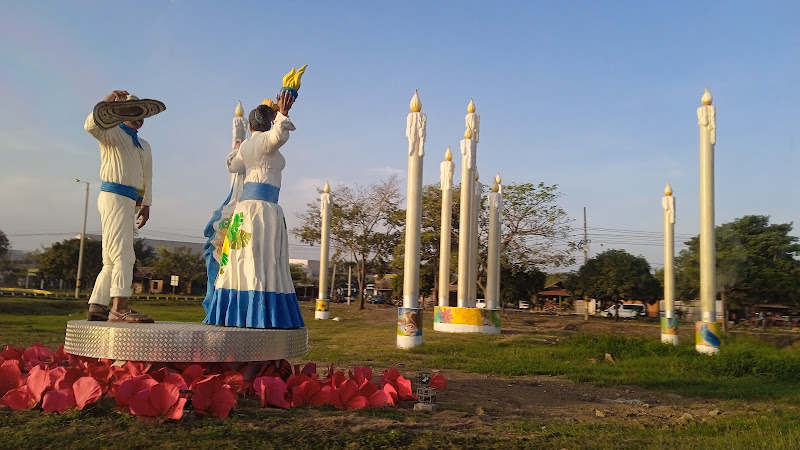
About Pilares de Luz

Description

Pilares de Luz stands as one of those magical natural phenomena that honestly makes you question whether you're seeing things right. And I mean that in the best possible way. This tourist attraction showcases an optical display that occurs when light interacts with ice crystals suspended in the atmosphere, creating vertical beams of light that stretch toward the sky like celestial pillars. It's the kind of thing that makes travelers stop dead in their tracks and reach for their cameras, knowing full well that no photograph will quite capture what their eyes are witnessing. The phenomenon earned its name for good reason—these aren't just random flashes or subtle glows. We're talking about distinct columns of light that can extend hundreds of feet into the air, appearing as if someone installed massive searchlights pointing straight up from the ground. Sometimes they look like spotlights from another dimension, which probably explains why first-time visitors often stand there with their mouths hanging open. What makes Pilares de Luz particularly special is how accessible it is for families traveling with children. The viewing experience doesn't require any strenuous hiking or specialized equipment, making it genuinely kid-friendly without sacrificing the "wow" factor that keeps adults equally mesmerized. I've seen families with toddlers enjoy this just as much as seasoned photographers who've traveled across continents chasing rare atmospheric displays. The conditions need to be just right for these light pillars to form, which adds an element of anticipation to any visit. You're essentially witnessing a temporary sculpture made from light and ice crystals—nature's own light show that exists for a fleeting moment before disappearing back into the ordinary night sky. There's something beautifully humbling about that impermanence.

Key Features

  • Natural light phenomenon created by hexagonal ice crystals acting as atmospheric mirrors
  • Vertical beams of light extending upward from ground-level or nearby light sources
  • Colors ranging from white and yellow to orange and red, depending on the light source
  • Best visibility occurs during cold, calm nights with clear or partly cloudy skies
  • Multiple pillars often visible simultaneously across the viewing area
  • Family-friendly viewing experience suitable for children of all ages
  • Photography opportunities that create stunning, almost otherworldly images
  • Educational value for understanding atmospheric optics and weather patterns
  • No admission fees or specialized equipment required for basic viewing
  • Duration of display varies from minutes to several hours depending on atmospheric conditions

Best Time to Visit

Timing really is everything when it comes to catching Pilares de Luz in their full glory. The phenomenon requires specific atmospheric conditions that don't just happen on command, so you'll need to plan accordingly and maybe pack a little patience along with your camera gear. The cold months deliver the best opportunities, particularly from late autumn through early spring. We're talking November through March in most cases, when temperatures drop low enough for ice crystals to form and suspend in the lower atmosphere. But here's the thing—you don't want it so cold that you can't stand being outside, because viewing these light pillars often means spending at least an hour or two in the night air. Clear or lightly cloudy nights work best, though that might sound contradictory at first. You need those ice crystals suspended in the air, which technically means there's some atmospheric moisture present. However, heavy cloud cover will block your view entirely, so it's a delicate balance. Local weather patterns play a huge role, and checking forecasts for conditions like "diamond dust" or "ice fog" can give you advance warning that conditions might be favorable. The hours after sunset and before sunrise offer prime viewing windows. Artificial light sources from the ground—streetlights, building lights, even car headlights—serve as the foundation for the pillars you'll see stretching skyward. This means populated areas can actually enhance the display rather than detract from it, which is pretty unusual for astronomical or atmospheric phenomena. Weeknight visits often provide a more peaceful experience than weekends, though honestly the crowds here never reach overwhelming levels. And if you're traveling with kids, consider that late-evening viewings around 8 or 9 PM might be more manageable than staying out past midnight, even if the display continues for hours.

How to Get There

Getting to Pilares de Luz requires some planning, but it's far more straightforward than reaching many other natural phenomena that demand similar levels of atmospheric cooperation. The location is accessible to travelers using various transportation methods, which is one reason families find it so manageable. For those driving, the approach is relatively direct with well-maintained roads leading to viewing areas. Winter driving conditions do apply though, so travelers should ensure their vehicle is equipped for cold weather operation. Snow tires or chains might be necessary depending on the specific time of your visit, and keeping an emergency kit in your car just makes good sense when you're heading out to watch atmospheric phenomena in freezing temperatures. Public transportation options exist for travelers who prefer not to drive in winter conditions. Local bus services operate on schedules that can accommodate evening viewing, though you'll want to check return times carefully since you don't want to miss the last bus home while you're standing there gazing at light pillars. Taxi services and ride-sharing apps also serve the area, offering flexible timing that better matches the unpredictable nature of the phenomenon. For international travelers, the nearest major airport provides connections to ground transportation options. Car rental agencies at the airport offer vehicles suitable for winter conditions, and most staff can provide advice on current road conditions and recommended routes. The drive from the airport typically takes less than an hour under normal conditions, though winter weather can extend that timeframe. Parking facilities near prime viewing locations offer adequate space, even during peak viewing season. Arrive early if you're visiting on a weekend or during a particularly favorable weather window, as word spreads quickly when conditions look promising for a spectacular display.

Tips for Visiting

Dress in layers—and I mean really layer up. The best displays happen on cold nights, and you'll be standing relatively still for extended periods while watching and photographing. What feels warm enough for a quick walk from your car often becomes inadequate after thirty minutes of standing in one spot. Thermal underwear, insulated boots, warm gloves, and a hat that covers your ears aren't optional; they're essential equipment for enjoying the experience without cutting your visit short because your toes have gone numb. Bring a thermos filled with hot chocolate, coffee, or tea. There's something special about sipping a warm beverage while watching columns of light stretch toward the stars, and it serves the practical purpose of keeping your core temperature up. Kids especially appreciate having something warm to drink, and it can extend their patience for staying outside longer. Camera equipment deserves some thought beyond just grabbing your phone. Smartphones can capture the pillars, but a DSLR or mirrorless camera with manual controls will deliver far better results. A tripod becomes practically mandatory for the longer exposures needed in low light, and extra batteries are crucial because cold temperatures drain battery life faster than you'd expect. Keep spare batteries in an inside pocket where your body heat keeps them warm. Arrive early and plan to stay a while. The phenomenon doesn't operate on a schedule, and sometimes the most dramatic displays develop gradually over an hour or more. What looks like a modest show when you arrive might transform into something extraordinary if you stick around. I've talked to travelers who left after fifteen minutes only to hear later that they missed the best part by half an hour. Scout your viewing location during daylight if possible. You'll want a spot with a good view of the horizon and minimal obstruction from buildings or trees. Knowing where you'll set up before darkness falls makes everything easier, especially if you're managing kids or dealing with photography equipment. Check local weather reports obsessively in the days leading up to your visit. Meteorological conditions change quickly, and what looked promising three days out might shift dramatically. Local weather enthusiasts and photography groups often share real-time updates on social media when conditions look favorable. Be flexible with your schedule. Mother Nature doesn't care about your travel itinerary, and the best displays often happen when you least expect them. Building in extra days if possible increases your chances of catching a spectacular show. Respect the cold and know your limits, particularly when traveling with children. While Pilares de Luz is kid-friendly, prolonged exposure to freezing temperatures isn't. Watch for signs that anyone in your group is getting too cold, and don't hesitate to take warm-up breaks in your vehicle. Download offline maps or familiarize yourself with the area beforehand. Cell service can be spotty in some viewing locations, and you don't want to find yourself lost in the dark while trying to navigate back to your accommodation. Finally, remember that not every visit will produce a display. The phenomenon depends on atmospheric conditions beyond anyone's control, so approach your visit with realistic expectations and appreciate whatever nature decides to share. Sometimes the anticipation and the attempt become part of the adventure, even if the light pillars don't fully cooperate on your particular night.

Key Features

  • Riverside light installation that creates vertical illuminated reflections
  • Promenade along the Sinú River ideal for evening walks and photography
  • Close proximity to urban amenities and transport (near Montería terminal)
  • Family-friendly public space with benches, landscaping and informal vendors
  • Atmospheric sunset and night-time views that emphasize reflections on water

More Details

Updated March 30, 2026

Description

Pilares de Luz stands as one of those magical natural phenomena that honestly makes you question whether you’re seeing things right. And I mean that in the best possible way. This tourist attraction showcases an optical display that occurs when light interacts with ice crystals suspended in the atmosphere, creating vertical beams of light that stretch toward the sky like celestial pillars. It’s the kind of thing that makes travelers stop dead in their tracks and reach for their cameras, knowing full well that no photograph will quite capture what their eyes are witnessing.

The phenomenon earned its name for good reason—these aren’t just random flashes or subtle glows. We’re talking about distinct columns of light that can extend hundreds of feet into the air, appearing as if someone installed massive searchlights pointing straight up from the ground. Sometimes they look like spotlights from another dimension, which probably explains why first-time visitors often stand there with their mouths hanging open.

What makes Pilares de Luz particularly special is how accessible it is for families traveling with children. The viewing experience doesn’t require any strenuous hiking or specialized equipment, making it genuinely kid-friendly without sacrificing the “wow” factor that keeps adults equally mesmerized. I’ve seen families with toddlers enjoy this just as much as seasoned photographers who’ve traveled across continents chasing rare atmospheric displays.

The conditions need to be just right for these light pillars to form, which adds an element of anticipation to any visit. You’re essentially witnessing a temporary sculpture made from light and ice crystals—nature’s own light show that exists for a fleeting moment before disappearing back into the ordinary night sky. There’s something beautifully humbling about that impermanence.

Key Features

  • Natural light phenomenon created by hexagonal ice crystals acting as atmospheric mirrors
  • Vertical beams of light extending upward from ground-level or nearby light sources
  • Colors ranging from white and yellow to orange and red, depending on the light source
  • Best visibility occurs during cold, calm nights with clear or partly cloudy skies
  • Multiple pillars often visible simultaneously across the viewing area
  • Family-friendly viewing experience suitable for children of all ages
  • Photography opportunities that create stunning, almost otherworldly images
  • Educational value for understanding atmospheric optics and weather patterns
  • No admission fees or specialized equipment required for basic viewing
  • Duration of display varies from minutes to several hours depending on atmospheric conditions

Best Time to Visit

Timing really is everything when it comes to catching Pilares de Luz in their full glory. The phenomenon requires specific atmospheric conditions that don’t just happen on command, so you’ll need to plan accordingly and maybe pack a little patience along with your camera gear.

The cold months deliver the best opportunities, particularly from late autumn through early spring. We’re talking November through March in most cases, when temperatures drop low enough for ice crystals to form and suspend in the lower atmosphere. But here’s the thing—you don’t want it so cold that you can’t stand being outside, because viewing these light pillars often means spending at least an hour or two in the night air.

Clear or lightly cloudy nights work best, though that might sound contradictory at first. You need those ice crystals suspended in the air, which technically means there’s some atmospheric moisture present. However, heavy cloud cover will block your view entirely, so it’s a delicate balance. Local weather patterns play a huge role, and checking forecasts for conditions like “diamond dust” or “ice fog” can give you advance warning that conditions might be favorable.

The hours after sunset and before sunrise offer prime viewing windows. Artificial light sources from the ground—streetlights, building lights, even car headlights—serve as the foundation for the pillars you’ll see stretching skyward. This means populated areas can actually enhance the display rather than detract from it, which is pretty unusual for astronomical or atmospheric phenomena.

Weeknight visits often provide a more peaceful experience than weekends, though honestly the crowds here never reach overwhelming levels. And if you’re traveling with kids, consider that late-evening viewings around 8 or 9 PM might be more manageable than staying out past midnight, even if the display continues for hours.

How to Get There

Getting to Pilares de Luz requires some planning, but it’s far more straightforward than reaching many other natural phenomena that demand similar levels of atmospheric cooperation. The location is accessible to travelers using various transportation methods, which is one reason families find it so manageable.

For those driving, the approach is relatively direct with well-maintained roads leading to viewing areas. Winter driving conditions do apply though, so travelers should ensure their vehicle is equipped for cold weather operation. Snow tires or chains might be necessary depending on the specific time of your visit, and keeping an emergency kit in your car just makes good sense when you’re heading out to watch atmospheric phenomena in freezing temperatures.

Public transportation options exist for travelers who prefer not to drive in winter conditions. Local bus services operate on schedules that can accommodate evening viewing, though you’ll want to check return times carefully since you don’t want to miss the last bus home while you’re standing there gazing at light pillars. Taxi services and ride-sharing apps also serve the area, offering flexible timing that better matches the unpredictable nature of the phenomenon.

For international travelers, the nearest major airport provides connections to ground transportation options. Car rental agencies at the airport offer vehicles suitable for winter conditions, and most staff can provide advice on current road conditions and recommended routes. The drive from the airport typically takes less than an hour under normal conditions, though winter weather can extend that timeframe.

Parking facilities near prime viewing locations offer adequate space, even during peak viewing season. Arrive early if you’re visiting on a weekend or during a particularly favorable weather window, as word spreads quickly when conditions look promising for a spectacular display.

Tips for Visiting

Dress in layers—and I mean really layer up. The best displays happen on cold nights, and you’ll be standing relatively still for extended periods while watching and photographing. What feels warm enough for a quick walk from your car often becomes inadequate after thirty minutes of standing in one spot. Thermal underwear, insulated boots, warm gloves, and a hat that covers your ears aren’t optional; they’re essential equipment for enjoying the experience without cutting your visit short because your toes have gone numb.

Bring a thermos filled with hot chocolate, coffee, or tea. There’s something special about sipping a warm beverage while watching columns of light stretch toward the stars, and it serves the practical purpose of keeping your core temperature up. Kids especially appreciate having something warm to drink, and it can extend their patience for staying outside longer.

Camera equipment deserves some thought beyond just grabbing your phone. Smartphones can capture the pillars, but a DSLR or mirrorless camera with manual controls will deliver far better results. A tripod becomes practically mandatory for the longer exposures needed in low light, and extra batteries are crucial because cold temperatures drain battery life faster than you’d expect. Keep spare batteries in an inside pocket where your body heat keeps them warm.

Arrive early and plan to stay a while. The phenomenon doesn’t operate on a schedule, and sometimes the most dramatic displays develop gradually over an hour or more. What looks like a modest show when you arrive might transform into something extraordinary if you stick around. I’ve talked to travelers who left after fifteen minutes only to hear later that they missed the best part by half an hour.

Scout your viewing location during daylight if possible. You’ll want a spot with a good view of the horizon and minimal obstruction from buildings or trees. Knowing where you’ll set up before darkness falls makes everything easier, especially if you’re managing kids or dealing with photography equipment.

Check local weather reports obsessively in the days leading up to your visit. Meteorological conditions change quickly, and what looked promising three days out might shift dramatically. Local weather enthusiasts and photography groups often share real-time updates on social media when conditions look favorable.

Be flexible with your schedule. Mother Nature doesn’t care about your travel itinerary, and the best displays often happen when you least expect them. Building in extra days if possible increases your chances of catching a spectacular show.

Respect the cold and know your limits, particularly when traveling with children. While Pilares de Luz is kid-friendly, prolonged exposure to freezing temperatures isn’t. Watch for signs that anyone in your group is getting too cold, and don’t hesitate to take warm-up breaks in your vehicle.

Download offline maps or familiarize yourself with the area beforehand. Cell service can be spotty in some viewing locations, and you don’t want to find yourself lost in the dark while trying to navigate back to your accommodation.

Finally, remember that not every visit will produce a display. The phenomenon depends on atmospheric conditions beyond anyone’s control, so approach your visit with realistic expectations and appreciate whatever nature decides to share. Sometimes the anticipation and the attempt become part of the adventure, even if the light pillars don’t fully cooperate on your particular night.

Key Highlights

  • Riverside light installation that creates vertical illuminated reflections
  • Promenade along the Sinú River ideal for evening walks and photography
  • Close proximity to urban amenities and transport (near Montería terminal)
  • Family-friendly public space with benches, landscaping and informal vendors
  • Atmospheric sunset and night-time views that emphasize reflections on water

Location

Places to Stay Near Pilares de Luz

Find and Book a Tour

Explore More Travel Guides

No reviews found! Be the first to review!

Pilares de Luz is a prominent attractions located in Montería.

Visit us at: Gta. de la Terminal de Montería, Montería, Córdoba, Colombia.

Traveler Reviews for Pilares de Luz

There are no reviews yet. Be the first one to write one.

Share Your Experience

Have you visited Pilares de Luz? Help other travelers by sharing your review.

Nearby Attractions

La Ronda del Sinú (riverside promenade and social hub) Catedral San Jerónimo de Montería (city cathedral) Parque Simón Bolívar (central park and plaza)

Find Accommodations Nearby

Recommended Tours & Activities

Visitor Reviews

There are no reviews yet. Be the first one to write one.

Share Your Experience

Have you visited Pilares de Luz? Help other travelers by leaving a review.