
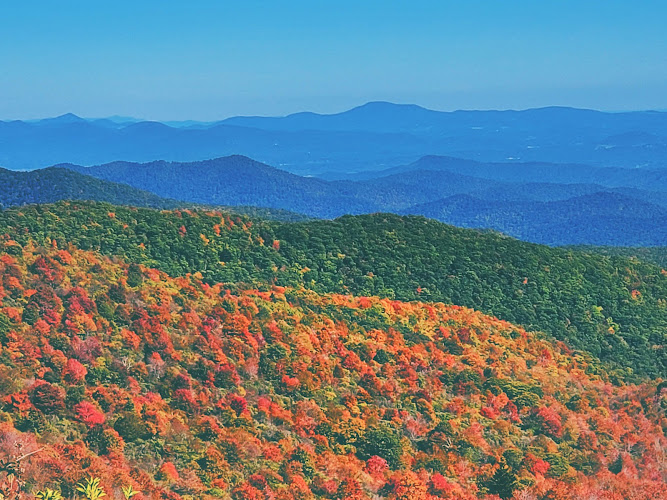
Pisgah National Forest
About Pisgah National Forest
Description
Pisgah National Forest in North Carolina feels like a place that still remembers what wildness really means. It’s one of those rare corners of the world where you can step out of your car, take a deep breath, and instantly feel smaller—in the best possible way. The forest stretches for miles upon miles, a patchwork of towering hardwoods, whispering pines, and streams that seem to sing their own kind of music. It’s not just scenic; it’s alive, and it has this uncanny way of making you forget the noise of modern life.
Now, I’ve been to more than a few national parks and forests, but Pisgah has this rugged charm that’s hard to pin down. It’s not overly polished, and that’s part of its appeal. The trails sometimes feel like they were carved by the boots of generations before you, and the waterfalls—oh, the waterfalls—are the kind that make you stop mid-hike just to stare and think, “Yeah, this is worth every step.”
There’s a real sense of balance here. Sure, there are parts that are easy to access and family-friendly, with picnic tables and clean restrooms, but venture deeper and you’ll find yourself surrounded by pure wilderness. It’s a place where you can hike all day, get a little lost (in a good way), and end up by a river that looks like it’s never been touched. And if you’re into camping, the on-site options make it easy to fall asleep to the sound of crickets and rustling leaves. Dogs are welcome too, which makes it a win in my book—because what’s a forest adventure without your four-legged friend trotting ahead of you?
Of course, not every visit goes perfectly. Sometimes the trails can get muddy after a rainstorm, and the popularity of certain spots means you might rub elbows with more hikers than you’d expect. But even then, Pisgah has this way of rewarding patience. Wait a little, wander a bit off the main path, and you’ll find your own quiet corner. It’s a place that feels both wild and welcoming, a rare combination these days.
Key Features
- Expansive forest landscapes with waterfalls, mountain peaks, and scenic rivers
- Over 500 miles of hiking trails, including kid-friendly routes and challenging climbs
- Wheelchair-accessible entrances, restrooms, and parking areas
- Picnic tables, barbecue grills, and family-friendly recreation areas
- Opportunities for cycling, camping, fishing, and wildlife photography
- Pet-friendly environment with designated trails for dogs
- Public restrooms and well-maintained facilities for convenience
- Accepts debit and credit card payments for certain services and permits
Best Time to Visit
If you ask locals, they’ll tell you there’s no bad time to visit Pisgah National Forest—but each season brings its own personality. Spring is when the forest wakes up, bursting with wildflowers and that fresh, earthy smell after a rain. The waterfalls are at their fullest then, and it’s hard not to stop every few minutes just to take another photo. Summer, on the other hand, is all about long days and cool dips in mountain streams. It gets busy, sure, but there’s this joyful energy in the air—families grilling, kids splashing around, cyclists zipping by on shaded trails.
Personally, fall is my favorite. The air turns crisp, the leaves catch fire in shades of amber and crimson, and every overlook feels like a painting. If you’re into photography or just enjoy a good scenic drive, this season is pure magic. Winter is quieter, less crowded, and has its own stark beauty. The forest feels more introspective then, and if you’re bundled up, it’s a great time for peaceful hikes without the noise of summer crowds. Just be mindful that some higher elevation roads can close due to weather—always check before you go.
How to Get There
Reaching Pisgah National Forest is fairly straightforward, though it depends on which section you’re heading to—it’s a huge area, after all. The forest sprawls across western North Carolina, near towns like Asheville, Brevard, and Boone. Most travelers fly into Asheville Regional Airport and rent a car from there. The drive itself is part of the experience: winding mountain roads, glimpses of waterfalls from the highway, and that feeling of anticipation as the trees start to close in around you.
If you’re coming from out of state, I’d recommend planning your route ahead of time because GPS can get a little spotty in the deeper parts of the forest. Bring a paper map—yes, the old-fashioned kind. It’s saved me more than once when my phone decided to lose signal right before a trailhead. Parking is generally easy to find at major recreation areas, though weekends can get crowded. Arriving early not only helps with parking but also gives you that quiet morning light that makes the forest feel almost otherworldly.
Tips for Visiting
Here’s the thing about Pisgah: it rewards those who come prepared. The forest is massive, and while it’s well-marked in most areas, it’s easy to underestimate how long a hike might take. Bring more water than you think you’ll need, and don’t forget snacks—trail mix, jerky, even a few chocolate bars for morale. And if you’re camping, check the weather before you go. Mountain storms can roll in fast, and trust me, you don’t want to be caught unprepared in a tent when the wind picks up.
Wear sturdy shoes. I learned that the hard way on a “short” hike that turned into an all-day adventure with slippery rocks and muddy switchbacks. Also, keep an eye out for wildlife. You might spot deer, wild turkeys, or even the occasional black bear (they usually keep to themselves, but it’s good to stay alert). If you’re bringing kids, there are plenty of easy trails and picnic spots, so it’s perfect for a family day out. Just remind them not to feed the animals—no matter how cute those squirrels look.
For photographers, sunrise and sunset are golden hours in every sense. The mist that hangs over the valleys in the morning gives everything this dreamy, ethereal glow. And if you’re into stargazing, the lack of city lights means the night sky here is unreal. I once camped near Looking Glass Rock and spent half the night just staring up, counting shooting stars until I lost track. It’s moments like that that make Pisgah stick with you long after you’ve left.
Lastly, respect the place. It’s easy to forget, but every trail, every overlook, every picnic table is part of a shared treasure. Pack out what you pack in, stay on marked paths, and leave things as you found them. Pisgah National Forest has been around long before any of us, and if we treat it right, it’ll be here for generations to come. Whether you’re chasing waterfalls, camping under the stars, or just looking for a quiet escape, this forest delivers something rare—a genuine connection to nature that feels both grounding and freeing all at once.
Key Features
- Expansive forest landscapes with waterfalls, mountain peaks, and scenic rivers
- Over 500 miles of hiking trails, including kid-friendly routes and challenging climbs
- Wheelchair-accessible entrances, restrooms, and parking areas
- Picnic tables, barbecue grills, and family-friendly recreation areas
- Opportunities for cycling, camping, fishing, and wildlife photography
- Pet-friendly environment with designated trails for dogs
- Public restrooms and well-maintained facilities for convenience
- Accepts debit and credit card payments for certain services and permits
More Details
Updated November 9, 2025
Table of Contents
Description
Pisgah National Forest in North Carolina feels like a place that still remembers what wildness really means. It’s one of those rare corners of the world where you can step out of your car, take a deep breath, and instantly feel smaller—in the best possible way. The forest stretches for miles upon miles, a patchwork of towering hardwoods, whispering pines, and streams that seem to sing their own kind of music. It’s not just scenic; it’s alive, and it has this uncanny way of making you forget the noise of modern life.
Now, I’ve been to more than a few national parks and forests, but Pisgah has this rugged charm that’s hard to pin down. It’s not overly polished, and that’s part of its appeal. The trails sometimes feel like they were carved by the boots of generations before you, and the waterfalls—oh, the waterfalls—are the kind that make you stop mid-hike just to stare and think, “Yeah, this is worth every step.”
There’s a real sense of balance here. Sure, there are parts that are easy to access and family-friendly, with picnic tables and clean restrooms, but venture deeper and you’ll find yourself surrounded by pure wilderness. It’s a place where you can hike all day, get a little lost (in a good way), and end up by a river that looks like it’s never been touched. And if you’re into camping, the on-site options make it easy to fall asleep to the sound of crickets and rustling leaves. Dogs are welcome too, which makes it a win in my book—because what’s a forest adventure without your four-legged friend trotting ahead of you?
Of course, not every visit goes perfectly. Sometimes the trails can get muddy after a rainstorm, and the popularity of certain spots means you might rub elbows with more hikers than you’d expect. But even then, Pisgah has this way of rewarding patience. Wait a little, wander a bit off the main path, and you’ll find your own quiet corner. It’s a place that feels both wild and welcoming, a rare combination these days.
Key Features
- Expansive forest landscapes with waterfalls, mountain peaks, and scenic rivers
- Over 500 miles of hiking trails, including kid-friendly routes and challenging climbs
- Wheelchair-accessible entrances, restrooms, and parking areas
- Picnic tables, barbecue grills, and family-friendly recreation areas
- Opportunities for cycling, camping, fishing, and wildlife photography
- Pet-friendly environment with designated trails for dogs
- Public restrooms and well-maintained facilities for convenience
- Accepts debit and credit card payments for certain services and permits
Best Time to Visit
If you ask locals, they’ll tell you there’s no bad time to visit Pisgah National Forest—but each season brings its own personality. Spring is when the forest wakes up, bursting with wildflowers and that fresh, earthy smell after a rain. The waterfalls are at their fullest then, and it’s hard not to stop every few minutes just to take another photo. Summer, on the other hand, is all about long days and cool dips in mountain streams. It gets busy, sure, but there’s this joyful energy in the air—families grilling, kids splashing around, cyclists zipping by on shaded trails.
Personally, fall is my favorite. The air turns crisp, the leaves catch fire in shades of amber and crimson, and every overlook feels like a painting. If you’re into photography or just enjoy a good scenic drive, this season is pure magic. Winter is quieter, less crowded, and has its own stark beauty. The forest feels more introspective then, and if you’re bundled up, it’s a great time for peaceful hikes without the noise of summer crowds. Just be mindful that some higher elevation roads can close due to weather—always check before you go.
How to Get There
Reaching Pisgah National Forest is fairly straightforward, though it depends on which section you’re heading to—it’s a huge area, after all. The forest sprawls across western North Carolina, near towns like Asheville, Brevard, and Boone. Most travelers fly into Asheville Regional Airport and rent a car from there. The drive itself is part of the experience: winding mountain roads, glimpses of waterfalls from the highway, and that feeling of anticipation as the trees start to close in around you.
If you’re coming from out of state, I’d recommend planning your route ahead of time because GPS can get a little spotty in the deeper parts of the forest. Bring a paper map—yes, the old-fashioned kind. It’s saved me more than once when my phone decided to lose signal right before a trailhead. Parking is generally easy to find at major recreation areas, though weekends can get crowded. Arriving early not only helps with parking but also gives you that quiet morning light that makes the forest feel almost otherworldly.
Tips for Visiting
Here’s the thing about Pisgah: it rewards those who come prepared. The forest is massive, and while it’s well-marked in most areas, it’s easy to underestimate how long a hike might take. Bring more water than you think you’ll need, and don’t forget snacks—trail mix, jerky, even a few chocolate bars for morale. And if you’re camping, check the weather before you go. Mountain storms can roll in fast, and trust me, you don’t want to be caught unprepared in a tent when the wind picks up.
Wear sturdy shoes. I learned that the hard way on a “short” hike that turned into an all-day adventure with slippery rocks and muddy switchbacks. Also, keep an eye out for wildlife. You might spot deer, wild turkeys, or even the occasional black bear (they usually keep to themselves, but it’s good to stay alert). If you’re bringing kids, there are plenty of easy trails and picnic spots, so it’s perfect for a family day out. Just remind them not to feed the animals—no matter how cute those squirrels look.
For photographers, sunrise and sunset are golden hours in every sense. The mist that hangs over the valleys in the morning gives everything this dreamy, ethereal glow. And if you’re into stargazing, the lack of city lights means the night sky here is unreal. I once camped near Looking Glass Rock and spent half the night just staring up, counting shooting stars until I lost track. It’s moments like that that make Pisgah stick with you long after you’ve left.
Lastly, respect the place. It’s easy to forget, but every trail, every overlook, every picnic table is part of a shared treasure. Pack out what you pack in, stay on marked paths, and leave things as you found them. Pisgah National Forest has been around long before any of us, and if we treat it right, it’ll be here for generations to come. Whether you’re chasing waterfalls, camping under the stars, or just looking for a quiet escape, this forest delivers something rare—a genuine connection to nature that feels both grounding and freeing all at once.
Key Highlights
- Expansive forest landscapes with waterfalls, mountain peaks, and scenic rivers
- Over 500 miles of hiking trails, including kid-friendly routes and challenging climbs
- Wheelchair-accessible entrances, restrooms, and parking areas
- Picnic tables, barbecue grills, and family-friendly recreation areas
- Opportunities for cycling, camping, fishing, and wildlife photography
- Pet-friendly environment with designated trails for dogs
- Public restrooms and well-maintained facilities for convenience
- Accepts debit and credit card payments for certain services and permits
Location
Places to Stay Near Pisgah National Forest
Find and Book a Tour
Explore More Travel Guides
No reviews found! Be the first to review!
Traveler Reviews for Pisgah National Forest
There are no reviews yet. Be the first one to write one.
Have you visited Pisgah National Forest? Help other travelers by sharing your review.
You Might Also Like
Antelope Springs
Joshua Tree National Park
Bryce Canyon National Park
Find Accommodations Nearby
Recommended Tours & Activities
Visitor Reviews
There are no reviews yet. Be the first one to write one.
Share Your Experience
Have you visited Pisgah National Forest? Help other travelers by leaving a review.