
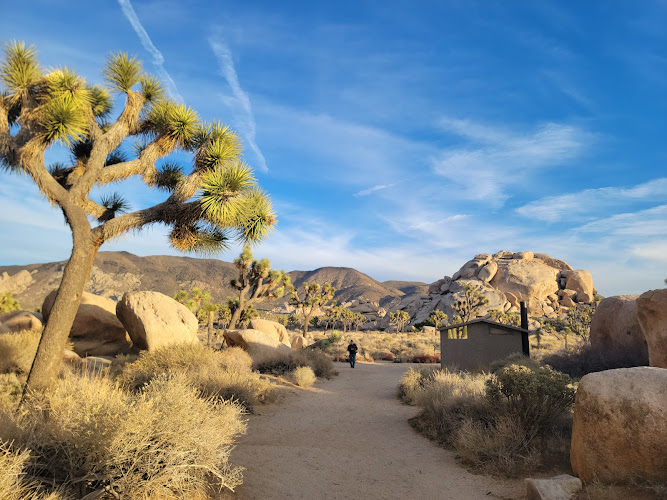
Joshua Tree National Park
About Joshua Tree National Park
Description
Joshua Tree National Park is one of those places that sticks with you long after you’ve brushed the desert dust off your shoes. It’s a sprawling expanse where two desert ecosystems – the Mojave and the Colorado – meet in a kind of rugged harmony. The park’s namesake Joshua trees, with their twisted, spiky silhouettes, seem almost like characters in a story, each one shaped by decades of wind, sun, and survival. You’ll find massive boulder piles that look like they’ve been dropped by some ancient giant, slot canyons that feel like secret passages, and wide-open skies that make you feel small in the best way possible.
It’s not perfect – summer here can be brutally hot, and if you’re expecting lush greenery, you might be in for a shock. But that’s part of the charm. This is a place where you come to embrace the extremes, to feel the dry air in your lungs and the crunch of gravel under your boots. Families, solo hikers, rock climbers, and stargazers all find their own rhythm here. And while it can get busy during peak seasons, there’s always a quiet corner if you’re willing to wander a little off the beaten path.
Between the accessible trails, picnic areas, and the sheer variety of landscapes, it’s easy to see why people keep coming back. It’s not just a park—it’s a reminder of how beautiful and strange the natural world can be when left to its own devices.
Key Features
- Iconic Joshua trees scattered across the desert landscape
- Massive rock formations perfect for climbing and photography
- Accessible trails and picnic areas for all mobility levels
- Clear desert skies ideal for stargazing and astrophotography
- Variety of hiking routes, from short kid-friendly walks to challenging treks
- Unique meeting point of the Mojave and Colorado desert ecosystems
- Dog-friendly areas and trails where leashed pets are welcome
- Public restrooms and shaded picnic tables at key spots
Best Time to Visit
If you ask me, the sweet spot for visiting Joshua Tree is late fall through early spring. The days are cooler, the nights are crisp, and you can actually enjoy a hike without feeling like you’re walking through an oven. Spring brings wildflowers that pop up in the most unexpected places, adding splashes of color to the muted desert tones. Winter, on the other hand, can surprise you with chilly mornings and even the occasional dusting of snow – a surreal sight against the desert backdrop.
Summer is a different beast. Temperatures can easily soar past 100°F, and unless you’re an early riser or a night owl, it can be a real challenge to explore safely. That said, if you’re into stargazing, warm summer nights can be magical here – just bring plenty of water and a healthy respect for the heat.
How to Get There
Joshua Tree National Park is accessible from several entry points, with the most popular being near the towns of Joshua Tree, Twentynine Palms, and Cottonwood. If you’re coming from Los Angeles, it’s roughly a two to three-hour drive, depending on traffic and how many snack stops you make along the way. From Palm Springs, you can be at the park’s south entrance in under an hour, making it a perfect day trip if you’re short on time.
Public transportation options are limited, so having your own vehicle is the most practical way to get around. Once inside, the park’s roads wind through different landscapes, and you’ll want the flexibility to pull over for those “wow” moments – and trust me, there will be plenty.
Tips for Visiting
First things first: bring more water than you think you’ll need. The desert is sneaky like that – you don’t feel yourself sweating, but you’re losing moisture fast. Wear layers, because temperatures can swing wildly between day and night. And don’t underestimate the sun. A wide-brimmed hat and sunscreen are your friends here.
If you’re planning to hike, start early in the day and let someone know your route. Cell service is spotty, and it’s easy to lose track of time when you’re exploring. For families, there are plenty of short, flat trails that kids can handle, and many have shaded picnic areas nearby for a post-hike snack. Dog owners will be glad to know there are designated areas where leashed pets are welcome, though most trails inside the park are off-limits to dogs for wildlife protection.
One of my favorite things to do is find a quiet spot just before sunset. The light turns golden, the rocks start to glow, and the Joshua trees cast long, dramatic shadows. It’s the kind of moment that makes you forget about emails and deadlines. And if you stick around after dark, you’ll see why this place is a stargazer’s dream – the Milky Way stretching overhead like a glittering river.
Lastly, remember that this is a fragile environment. Stay on marked trails, pack out whatever you bring in, and resist the urge to climb on the Joshua trees (they’re not as sturdy as they look). Treat the park with care, and it’ll keep giving back those unforgettable experiences for years to come.
Key Features
- Iconic Joshua trees scattered across the desert landscape
- Massive rock formations perfect for climbing and photography
- Accessible trails and picnic areas for all mobility levels
- Clear desert skies ideal for stargazing and astrophotography
- Variety of hiking routes, from short kid-friendly walks to challenging treks
- Unique meeting point of the Mojave and Colorado desert ecosystems
- Dog-friendly areas and trails where leashed pets are welcome
- Public restrooms and shaded picnic tables at key spots
More Details
Updated August 10, 2025
Table of Contents
Description
Joshua Tree National Park is one of those places that sticks with you long after you’ve brushed the desert dust off your shoes. It’s a sprawling expanse where two desert ecosystems – the Mojave and the Colorado – meet in a kind of rugged harmony. The park’s namesake Joshua trees, with their twisted, spiky silhouettes, seem almost like characters in a story, each one shaped by decades of wind, sun, and survival. You’ll find massive boulder piles that look like they’ve been dropped by some ancient giant, slot canyons that feel like secret passages, and wide-open skies that make you feel small in the best way possible.
It’s not perfect – summer here can be brutally hot, and if you’re expecting lush greenery, you might be in for a shock. But that’s part of the charm. This is a place where you come to embrace the extremes, to feel the dry air in your lungs and the crunch of gravel under your boots. Families, solo hikers, rock climbers, and stargazers all find their own rhythm here. And while it can get busy during peak seasons, there’s always a quiet corner if you’re willing to wander a little off the beaten path.
Between the accessible trails, picnic areas, and the sheer variety of landscapes, it’s easy to see why people keep coming back. It’s not just a park—it’s a reminder of how beautiful and strange the natural world can be when left to its own devices.
Key Features
- Iconic Joshua trees scattered across the desert landscape
- Massive rock formations perfect for climbing and photography
- Accessible trails and picnic areas for all mobility levels
- Clear desert skies ideal for stargazing and astrophotography
- Variety of hiking routes, from short kid-friendly walks to challenging treks
- Unique meeting point of the Mojave and Colorado desert ecosystems
- Dog-friendly areas and trails where leashed pets are welcome
- Public restrooms and shaded picnic tables at key spots
Best Time to Visit
If you ask me, the sweet spot for visiting Joshua Tree is late fall through early spring. The days are cooler, the nights are crisp, and you can actually enjoy a hike without feeling like you’re walking through an oven. Spring brings wildflowers that pop up in the most unexpected places, adding splashes of color to the muted desert tones. Winter, on the other hand, can surprise you with chilly mornings and even the occasional dusting of snow – a surreal sight against the desert backdrop.
Summer is a different beast. Temperatures can easily soar past 100°F, and unless you’re an early riser or a night owl, it can be a real challenge to explore safely. That said, if you’re into stargazing, warm summer nights can be magical here – just bring plenty of water and a healthy respect for the heat.
How to Get There
Joshua Tree National Park is accessible from several entry points, with the most popular being near the towns of Joshua Tree, Twentynine Palms, and Cottonwood. If you’re coming from Los Angeles, it’s roughly a two to three-hour drive, depending on traffic and how many snack stops you make along the way. From Palm Springs, you can be at the park’s south entrance in under an hour, making it a perfect day trip if you’re short on time.
Public transportation options are limited, so having your own vehicle is the most practical way to get around. Once inside, the park’s roads wind through different landscapes, and you’ll want the flexibility to pull over for those “wow” moments – and trust me, there will be plenty.
Tips for Visiting
First things first: bring more water than you think you’ll need. The desert is sneaky like that – you don’t feel yourself sweating, but you’re losing moisture fast. Wear layers, because temperatures can swing wildly between day and night. And don’t underestimate the sun. A wide-brimmed hat and sunscreen are your friends here.
If you’re planning to hike, start early in the day and let someone know your route. Cell service is spotty, and it’s easy to lose track of time when you’re exploring. For families, there are plenty of short, flat trails that kids can handle, and many have shaded picnic areas nearby for a post-hike snack. Dog owners will be glad to know there are designated areas where leashed pets are welcome, though most trails inside the park are off-limits to dogs for wildlife protection.
One of my favorite things to do is find a quiet spot just before sunset. The light turns golden, the rocks start to glow, and the Joshua trees cast long, dramatic shadows. It’s the kind of moment that makes you forget about emails and deadlines. And if you stick around after dark, you’ll see why this place is a stargazer’s dream – the Milky Way stretching overhead like a glittering river.
Lastly, remember that this is a fragile environment. Stay on marked trails, pack out whatever you bring in, and resist the urge to climb on the Joshua trees (they’re not as sturdy as they look). Treat the park with care, and it’ll keep giving back those unforgettable experiences for years to come.
Key Highlights
- Iconic Joshua trees scattered across the desert landscape
- Massive rock formations perfect for climbing and photography
- Accessible trails and picnic areas for all mobility levels
- Clear desert skies ideal for stargazing and astrophotography
- Variety of hiking routes, from short kid-friendly walks to challenging treks
- Unique meeting point of the Mojave and Colorado desert ecosystems
- Dog-friendly areas and trails where leashed pets are welcome
- Public restrooms and shaded picnic tables at key spots
Location
Places to Stay Near Joshua Tree National Park
Find and Book a Tour
Explore More Travel Guides
No reviews found! Be the first to review!
Traveler Reviews for Joshua Tree National Park
There are no reviews yet. Be the first one to write one.
Have you visited Joshua Tree National Park? Help other travelers by sharing your review.
You Might Also Like

Marin Headlands

Lost Forest Research Natural Area

Mount Rainier National Park
Find Accommodations Nearby
Recommended Tours & Activities
Visitor Reviews
There are no reviews yet. Be the first one to write one.
Share Your Experience
Have you visited Joshua Tree National Park? Help other travelers by leaving a review.