
Grand Staircase-Escalante National Monument
About Grand Staircase-Escalante National Monument
Description
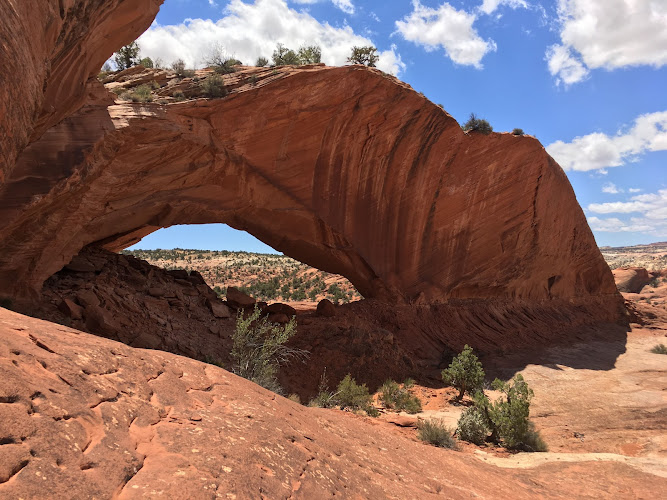
Grand Staircase-Escalante National Monument spans an astonishing 1.7 million acres across southern Utah, making it one of the largest protected natural areas in the United States. The landscape is raw, dramatic, and at times otherworldly, with layers of geology that reveal millions of years of Earth’s history. Travelers will find themselves surrounded by towering cliffs, slot canyons so narrow they feel like secret passageways, sprawling plateaus, sandstone arches, and winding river canyons carved by water and time. For those who love exploring wilderness that still feels remote and untamed, this place easily checks that box.
It’s not the sort of destination where everything is laid out plainly with paved trails and guided signs at every corner. In fact, that’s part of the charm. The monument is managed by the Bureau of Land Management, which means it retains more of a backcountry vibe compared to nearby national parks like Bryce Canyon or Capitol Reef. Visitors should expect rugged dirt roads, unexpected weather, and a sense of solitude that’s hard to come by elsewhere. While this can feel challenging for some, others find it refreshing to experience a region where nature dominates and human presence takes a back seat.
Families, solo travelers, and outdoor enthusiasts each find their own kind of magic here. Kids love splashing around at Lower Calf Creek Falls, hikers can spend hours winding through Peek-a-Boo or Spooky slot canyons, and curious minds have the chance to stumble across fossils and ancient rock formations that speak to a much deeper natural history. While not every stop is easy to access or perfectly signed, those willing to put in the effort are rewarded with sights that feel like personal discoveries rather than overly touristy attractions.
Key Features
- Vast wilderness covering 1.7 million acres across southern Utah
- Iconic slot canyon hikes including Peek-a-Boo, Spooky, and Zebra Slot
- Lower Calf Creek Falls with its 126-foot waterfall tucked into desert cliffs
- Kaiparowits Plateau, a massive remote area rich in fossils and geology
- Colorful sandstone cliffs, natural arches, and unique rock formations
- Opportunities for hiking, camping, backpacking, and cycling
- Accessible areas for families including kid-friendly trails and safe wading spots
- Pet-friendly policies allowing dogs on most trails and backcountry areas
Best Time to Visit
Timing is everything when it comes to exploring the Grand Staircase-Escalante region. Spring and fall are often considered the sweet spots. During these seasons—roughly April through June and September through early November—the temperatures are manageable, the trails are more accessible, and the desert flora comes alive in surprising ways. I’ve hiked Calf Creek in spring when wildflowers line the trail, and it adds an unexpected touch of softness to such a rugged place.
Summer can be harsh with extreme heat that makes mid-day hikes difficult, not to mention dangerous if you don’t carry enough water. On the flip side, winter brings its own quiet beauty. While some trails might be a little tougher with snow or icy patches, the solitude is unmatched and the low sun makes those sandstone cliffs pop with color. It’s not necessarily the easiest time to visit, but if you love dramatic lighting and fewer crowds, it’s worth braving the cold.
How to Get There
Travelers usually reach Grand Staircase-Escalante National Monument by road, and almost every journey here involves long stretches through southern Utah’s desert scenery. Escalante and Boulder, two small towns on Scenic Byway 12, provide gateways into some of the most accessible parts of the monument. Kanab, farther to the south, opens access to other areas and is a good staging point if you’re pairing your trip with Zion or Bryce Canyon. Honestly, the drives themselves are half the adventure. Scenic Byway 12 repeatedly shows up on lists of the most beautiful roads in America, winding over high plateaus and delivering jaw-dropping views at every turn.
If you're planning to explore the backcountry areas like Hole-in-the-Rock Road or the Kaiparowits Plateau, prepare for long dirt roads that can be tough on small vehicles. After a big storm, some of these roads are nearly impossible to pass without a high-clearance or 4WD vehicle. And there’s not exactly a gas station every 20 miles out here. Planning for fuel and supplies in advance is absolutely essential. Some folks underestimate this, try to wing it, and end up with uncomfortable stories of being stuck for hours—or worse.
Tips for Visiting
There’s no shortage of tips for navigating a place this expansive, but here are some that come straight from experience and the kind of things you’ll wish someone told you before your first trip:
- Pack extra water: Sounds obvious, right? But you’ll need more than you think. The desert is dry, the hikes can be long, and there are very few reliable water sources out there.
- Embrace the dirt roads: Much of the adventure lies beyond the pavement. If your trip allows, rent or drive a high-clearance vehicle so you can access trails that lie off the beaten path. Just check conditions in advance.
- Start early: Not just to beat the heat, but also to get those golden morning rays lighting up the sandstone. It’s the kind of light photographers chase, but even if you’re just out for a hike, it really changes the atmosphere.
- Watch the weather: Flash floods in slot canyons are no joke. Storms dozens of miles away can still funnel water your way. Always check forecasts and don’t take risks when exploring narrow canyons.
- Visit the visitor centers: Places like the Big Water or Kanab Visitor Center offer maps, trail updates, and geology exhibits that actually make the hikes feel more meaningful. I once picked up a fossil guide there and ended up spotting patterns in the rocks I’d normally have walked right past.
- Bring patience & flexibility: Trails aren’t always as clearly marked as in national parks, road conditions change, and sometimes plans need to pivot. The spontaneity is part of the experience.
- Keep it family-friendly: If you’re traveling with kids, look for accessible hikes like Lower Calf Creek Falls. It’s long, but worth it, and kids love ending at the waterfall.
- Respect the land: This is still wild country. Pack out your trash, stick to durable surfaces for camping, and try to leave it as unspoiled as you found it.
At the end of the day, visiting Grand Staircase-Escalante is about embracing unpredictability and discovering landscapes that feel raw and immense. It’s not always the easiest place to explore, but it has an authenticity that lingers with you long after you’ve left. Whether you’re slogging down a sandy trail, scrambling through a narrow slot canyon, or watching the sunset light up miles of cliffs, this is one of those rare corners of the US that feels entirely its own world.
Key Features
- Vast wilderness covering 1.7 million acres across southern Utah
- Iconic slot canyon hikes including Peek-a-Boo, Spooky, and Zebra Slot
- Lower Calf Creek Falls with its 126-foot waterfall tucked into desert cliffs
- Kaiparowits Plateau, a massive remote area rich in fossils and geology
- Colorful sandstone cliffs, natural arches, and unique rock formations
- Opportunities for hiking, camping, backpacking, and cycling
- Accessible areas for families including kid-friendly trails and safe wading spots
- Pet-friendly policies allowing dogs on most trails and backcountry areas
More Details
Updated October 1, 2025
Table of Contents
- Description
- Key Features
- Best Time to Visit
- How to Get There
- Tips for Visiting
- Key Highlights
- Location
- Places to Stay Near Grand Staircase-Escalante National Monument
- Find and Book a Tour
- Explore More Travel Guides
- Nearby Places You Might Like
- Traveler Reviews for Grand Staircase-Escalante National Monument
- Share Your Experience
Description
Grand Staircase-Escalante National Monument spans an astonishing 1.7 million acres across southern Utah, making it one of the largest protected natural areas in the United States. The landscape is raw, dramatic, and at times otherworldly, with layers of geology that reveal millions of years of Earth’s history. Travelers will find themselves surrounded by towering cliffs, slot canyons so narrow they feel like secret passageways, sprawling plateaus, sandstone arches, and winding river canyons carved by water and time. For those who love exploring wilderness that still feels remote and untamed, this place easily checks that box.
It’s not the sort of destination where everything is laid out plainly with paved trails and guided signs at every corner. In fact, that’s part of the charm. The monument is managed by the Bureau of Land Management, which means it retains more of a backcountry vibe compared to nearby national parks like Bryce Canyon or Capitol Reef. Visitors should expect rugged dirt roads, unexpected weather, and a sense of solitude that’s hard to come by elsewhere. While this can feel challenging for some, others find it refreshing to experience a region where nature dominates and human presence takes a back seat.
Families, solo travelers, and outdoor enthusiasts each find their own kind of magic here. Kids love splashing around at Lower Calf Creek Falls, hikers can spend hours winding through Peek-a-Boo or Spooky slot canyons, and curious minds have the chance to stumble across fossils and ancient rock formations that speak to a much deeper natural history. While not every stop is easy to access or perfectly signed, those willing to put in the effort are rewarded with sights that feel like personal discoveries rather than overly touristy attractions.
Key Features
- Vast wilderness covering 1.7 million acres across southern Utah
- Iconic slot canyon hikes including Peek-a-Boo, Spooky, and Zebra Slot
- Lower Calf Creek Falls with its 126-foot waterfall tucked into desert cliffs
- Kaiparowits Plateau, a massive remote area rich in fossils and geology
- Colorful sandstone cliffs, natural arches, and unique rock formations
- Opportunities for hiking, camping, backpacking, and cycling
- Accessible areas for families including kid-friendly trails and safe wading spots
- Pet-friendly policies allowing dogs on most trails and backcountry areas
Best Time to Visit
Timing is everything when it comes to exploring the Grand Staircase-Escalante region. Spring and fall are often considered the sweet spots. During these seasons—roughly April through June and September through early November—the temperatures are manageable, the trails are more accessible, and the desert flora comes alive in surprising ways. I’ve hiked Calf Creek in spring when wildflowers line the trail, and it adds an unexpected touch of softness to such a rugged place.
Summer can be harsh with extreme heat that makes mid-day hikes difficult, not to mention dangerous if you don’t carry enough water. On the flip side, winter brings its own quiet beauty. While some trails might be a little tougher with snow or icy patches, the solitude is unmatched and the low sun makes those sandstone cliffs pop with color. It’s not necessarily the easiest time to visit, but if you love dramatic lighting and fewer crowds, it’s worth braving the cold.
How to Get There
Travelers usually reach Grand Staircase-Escalante National Monument by road, and almost every journey here involves long stretches through southern Utah’s desert scenery. Escalante and Boulder, two small towns on Scenic Byway 12, provide gateways into some of the most accessible parts of the monument. Kanab, farther to the south, opens access to other areas and is a good staging point if you’re pairing your trip with Zion or Bryce Canyon. Honestly, the drives themselves are half the adventure. Scenic Byway 12 repeatedly shows up on lists of the most beautiful roads in America, winding over high plateaus and delivering jaw-dropping views at every turn.
If you’re planning to explore the backcountry areas like Hole-in-the-Rock Road or the Kaiparowits Plateau, prepare for long dirt roads that can be tough on small vehicles. After a big storm, some of these roads are nearly impossible to pass without a high-clearance or 4WD vehicle. And there’s not exactly a gas station every 20 miles out here. Planning for fuel and supplies in advance is absolutely essential. Some folks underestimate this, try to wing it, and end up with uncomfortable stories of being stuck for hours—or worse.
Tips for Visiting
There’s no shortage of tips for navigating a place this expansive, but here are some that come straight from experience and the kind of things you’ll wish someone told you before your first trip:
- Pack extra water: Sounds obvious, right? But you’ll need more than you think. The desert is dry, the hikes can be long, and there are very few reliable water sources out there.
- Embrace the dirt roads: Much of the adventure lies beyond the pavement. If your trip allows, rent or drive a high-clearance vehicle so you can access trails that lie off the beaten path. Just check conditions in advance.
- Start early: Not just to beat the heat, but also to get those golden morning rays lighting up the sandstone. It’s the kind of light photographers chase, but even if you’re just out for a hike, it really changes the atmosphere.
- Watch the weather: Flash floods in slot canyons are no joke. Storms dozens of miles away can still funnel water your way. Always check forecasts and don’t take risks when exploring narrow canyons.
- Visit the visitor centers: Places like the Big Water or Kanab Visitor Center offer maps, trail updates, and geology exhibits that actually make the hikes feel more meaningful. I once picked up a fossil guide there and ended up spotting patterns in the rocks I’d normally have walked right past.
- Bring patience & flexibility: Trails aren’t always as clearly marked as in national parks, road conditions change, and sometimes plans need to pivot. The spontaneity is part of the experience.
- Keep it family-friendly: If you’re traveling with kids, look for accessible hikes like Lower Calf Creek Falls. It’s long, but worth it, and kids love ending at the waterfall.
- Respect the land: This is still wild country. Pack out your trash, stick to durable surfaces for camping, and try to leave it as unspoiled as you found it.
At the end of the day, visiting Grand Staircase-Escalante is about embracing unpredictability and discovering landscapes that feel raw and immense. It’s not always the easiest place to explore, but it has an authenticity that lingers with you long after you’ve left. Whether you’re slogging down a sandy trail, scrambling through a narrow slot canyon, or watching the sunset light up miles of cliffs, this is one of those rare corners of the US that feels entirely its own world.
Key Highlights
- Vast wilderness covering 1.7 million acres across southern Utah
- Iconic slot canyon hikes including Peek-a-Boo, Spooky, and Zebra Slot
- Lower Calf Creek Falls with its 126-foot waterfall tucked into desert cliffs
- Kaiparowits Plateau, a massive remote area rich in fossils and geology
- Colorful sandstone cliffs, natural arches, and unique rock formations
- Opportunities for hiking, camping, backpacking, and cycling
- Accessible areas for families including kid-friendly trails and safe wading spots
- Pet-friendly policies allowing dogs on most trails and backcountry areas
Location
Places to Stay Near Grand Staircase-Escalante National Monument
Find and Book a Tour
Explore More Travel Guides
No reviews found! Be the first to review!
Traveler Reviews for Grand Staircase-Escalante National Monument
There are no reviews yet. Be the first one to write one.
Have you visited Grand Staircase-Escalante National Monument? Help other travelers by sharing your review.
You Might Also Like

Walt Disney World® Resort
Bronx Riv Pathway

North Cascades National Park
Find Accommodations Nearby
Recommended Tours & Activities
Visitor Reviews
There are no reviews yet. Be the first one to write one.
Share Your Experience
Have you visited Grand Staircase-Escalante National Monument? Help other travelers by leaving a review.