
Bryce Canyon National Park
About Bryce Canyon National Park
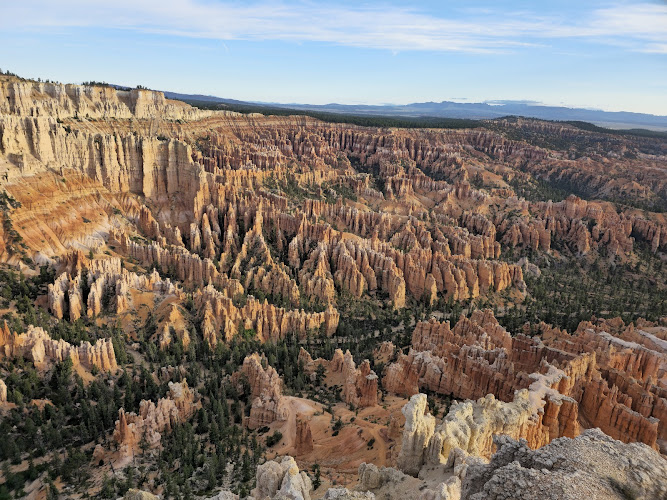
Bryce Canyon National Park in Utah is one of those places that, honestly, pictures just don’t do justice. The park is famous for its natural amphitheaters and those wild-looking rock formations called hoodoos—towering spires of orange, red, and pink stone that look almost otherworldly. When you stand at an overlook and see thousands of them stretching into the horizon, it feels like you’re peering into some ancient, alien city carved by time and weather. And yet, despite its dramatic scenery, the park still has a certain quietness about it. It’s not just about the views—it’s about the way the air feels crisp, the way the light changes the rocks from soft pastels at dawn to fiery reds at sunset.
Now, not every visitor walks away completely blown away. Some find the trails a bit crowded in peak season, or they might expect a “Grand Canyon” scale and feel underwhelmed. But the majority of travelers fall in love with the park’s unique character. For me, the first time I walked down into the amphitheater, I remember stopping halfway because I couldn’t believe how different the hoodoos looked up close. From above, they’re striking, but when you’re actually among them, you see the textures, the curves, and even the little trees clinging to life in the cracks. It’s humbling. And if you’re someone who enjoys landscapes that feel almost surreal, Bryce Canyon will stick with you long after you’ve left.
Key Features
- Iconic hoodoos—thousands of natural rock spires shaped by erosion
- Amphitheater viewpoints like Sunrise Point, Sunset Point, Inspiration Point, and Bryce Point
- Hiking trails ranging from easy rim walks to challenging descents into the canyon
- Wheelchair-accessible entrances and parking areas
- Family-friendly hikes and kid-friendly activities
- Onsite amenities including picnic tables, public restrooms, and cycling lanes
- Pet-friendly areas where dogs are allowed
- Free parking lots with convenient access to major trailheads
Best Time to Visit
Timing your trip to Bryce Canyon can make a huge difference. Spring and fall are often the sweet spots—cooler temperatures, fewer crowds, and just the right balance of daylight. I’ve gone in May, and it was perfect: wildflowers along the trails and crisp mornings that made coffee taste even better. Summer is the busiest season, and while the days are warm, the park sits at a higher elevation than you might expect, so evenings can still get chilly. Winter, though, is something special. Imagine the red hoodoos dusted with snow—it’s like stepping into a painting. Of course, some trails may be icy, but if you’re up for it, the contrast of colors is unforgettable.
If you’re into stargazing, plan a night visit. The park is an official Dark Sky destination, and the Milky Way practically leaps out of the sky. I remember lying on a blanket one August night, just staring up, and realizing I hadn’t seen stars that bright since I was a kid. So, if you can, stick around after sunset—you won’t regret it.
How to Get There
Reaching Bryce Canyon isn’t complicated, but it does require a bit of planning. The park is located in southern Utah, a few hours’ drive from major cities like Las Vegas or Salt Lake City. Many travelers pair it with a road trip through the “Mighty Five” national parks in Utah, which makes sense because the drives between them are scenic in their own right. If you’re flying in, the closest major airports are in Las Vegas or Salt Lake City, though smaller regional airports like Cedar City or St. George can get you closer.
Driving is the most practical way to visit, and once you’re inside the park, a free shuttle service runs during peak months to cut down on traffic. I’d recommend using it—it saves time circling for parking, and the drivers often share little tidbits about the park that you won’t find in a guidebook. If you’re like me and enjoy the freedom of your own car, the scenic drive through the park is about 18 miles one way, with plenty of pull-offs for photos and short hikes.
Tips for Visiting
First off, don’t underestimate the altitude. Bryce Canyon sits over 8,000 feet above sea level, and if you’re not used to it, even short hikes can leave you winded. Take it slow, drink plenty of water, and don’t be surprised if you need to catch your breath more often than usual. I learned that the hard way on my first visit—I thought I was in decent shape until I started climbing back up from the Navajo Loop trail and realized my legs and lungs weren’t on the same page.
Comfortable shoes are a must. The trails can be dusty, uneven, and steep in sections. Sunscreen and a hat will also save you from the strong mountain sun, even on cooler days. If you’re traveling with kids, the shorter rim trails are great—they’re safe, easy, and still deliver those jaw-dropping views. And for picnics, the park has designated areas with tables, which makes it easy to take a break without rushing back to town.
Crowds can be heavy around the main viewpoints, especially in summer, so consider hitting them early in the morning or later in the evening. The light is better then anyway, and you’ll have a more peaceful experience. If you’re bringing your dog, remember that pets are allowed in certain areas but not on most trails. Stick to the paved paths and designated zones, and both you and your pup will have a good time.
Lastly, don’t just rush through. Too many visitors treat Bryce Canyon as a quick stop on their road trip checklist. Stay a night if you can, watch the sunrise, hike into the hoodoos, and let the place sink in. It’s the kind of park that rewards those who linger a little longer. And when you leave, you’ll carry not just photos, but a memory of standing among rock spires that have been sculpted for millions of years—reminders of just how small and temporary we are, in the best possible way.
Key Features
- Iconic hoodoos—thousands of natural rock spires shaped by erosion
- Amphitheater viewpoints like Sunrise Point, Sunset Point, Inspiration Point, and Bryce Point
- Hiking trails ranging from easy rim walks to challenging descents into the canyon
- Wheelchair-accessible entrances and parking areas
- Family-friendly hikes and kid-friendly activities
- Onsite amenities including picnic tables, public restrooms, and cycling lanes
- Pet-friendly areas where dogs are allowed
- Free parking lots with convenient access to major trailheads
You Might Also Like

Baxter Lake

Carowinds
Datha Island
Tours & Activities
GetYourGuide provides this tour inventory. We may earn a commission if you book through it; verify current availability, prices, and terms with the provider.
Visitor Reviews
There are no reviews yet. Be the first one to write one.
Share Your Experience
Have you visited Bryce Canyon National Park? Help other travelers by leaving a review.