
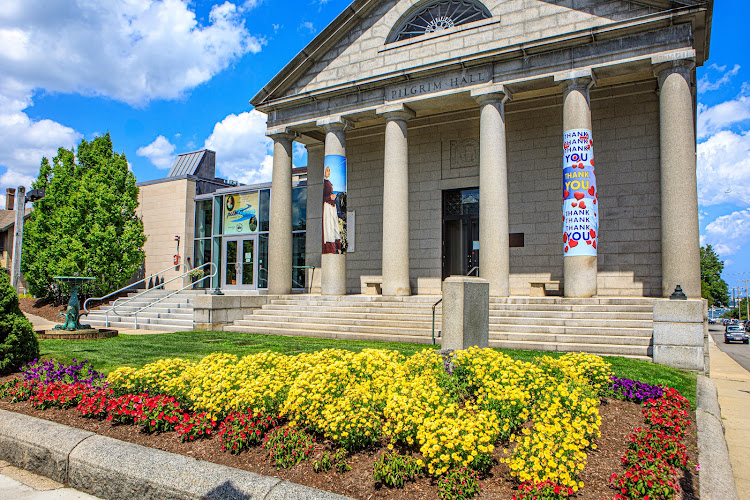
Pilgrim Hall Museum
About Pilgrim Hall Museum
Description
The Pilgrim Hall Museum presents a deeply human, sometimes messy, always intriguing chapter of early American history. As the oldest public museum in the United States, established in 1824, it preserves original possessions of the early Pilgrims and interprets the story of the Plymouth Colony with a seriousness that still leaves room for curiosity. Visitors will find a collection of 17th-century artifacts, portraits, furniture, textiles, and manuscripts that connect the landing pilgrims to the daily realities of life in the new world. The museum emphasizes tangible objects — not replicas — and that palpable sense of time and touch is rare to see in many places.
The museum's exhibits focus on personal belongings and community archives: chairs, household items, family heirlooms, and documents attributed to notable figures such as William Bradford and other early settlers. These objects do more than illustrate events; they suggest routines, hopes, and the sheer adaptability that early colonists needed to survive. While the museum avoids myth-making, it also contributes to the larger story about colonial New England and interactions with Indigenous neighbors, particularly the Wampanoag people, offering glimpses into multiple perspectives when interpreting artifacts and records.
Pilgrim Hall is more than a static display. It operates as a museum, a library of sorts, and a tourist attraction that travelers often add to their New England itineraries. The curators stitch context into each gallery, so visitors who come for a quick peek often leave with unexpected details, like the provenance of an old chair, the patchwork repairs on a 17th-century textile, or the small, hand-written notes attached to a family bible. This is the kind of place where quiet observation pays off and where questions are encouraged.
Most visitors report a meaningful, reflective visit. Many praise the authenticity of the collection and the way small, domestic objects help tell big historical stories. At the same time, some point out that the museum's interpretive style is deliberately restrained — it trusts the artifacts to speak — so it may feel less interactive than newer, hands-on museums aimed specifically at families. That’s not a flaw exactly; it’s a feature. Pilgrim Hall suits travelers who want close-up, contemplative engagement with early American material culture.
The building itself, while historic in origin, functions today with modern visitor amenities. Onsite services include guided tours and staff-led presentations that help illuminate difficult topics and answer unexpected queries. The museum offers a gift shop and accessible facilities, and its programs frequently include special exhibitions and educational events that appeal to school groups and history buffs alike. And yes, it is kid-friendly; younger visitors often light up when hearing real stories about daily life in the 1600s, though parents should know the museum leans toward artifacts and stories rather than experiential play zones.
Key Features
- Oldest public museum in the United States, established 1824 — a living link to early museum practice and preservation
- Extensive collection of original Pilgrim possessions: furniture, textiles, portraits, manuscripts, and domestic tools
- Focus on primary-source artifacts that reveal daily life in Plymouth Colony and early New England
- Curated galleries with rotating exhibitions and themed displays to keep repeat visits fresh
- Onsite tours led by knowledgeable staff who contextualize objects and answer visitor questions
- Wheelchair accessible entrance, parking, and restroom facilities to support visitors with mobility needs
- On-site parking for added convenience — especially helpful for road-tripping travelers
- Gift shop offering books, reproductions, and unique souvenirs related to the Pilgrims and early America
- Good for kids — educational programs and family-friendly interpretation available
- Blend of museum, research-oriented library resources, and historical society roots for deeper study
Best Time to Visit
Timing a visit to Pilgrim Hall Museum depends on what kind of travel rhythm a person likes. Peak season is late spring through early fall, when tourists stream into Plymouth for warm weather, harbor views, and other historic sites. If travelers prefer fewer crowds and a quieter pace, late fall (after the foliage peak) and early spring provide calmer galleries and more space to linger. Winter visits can be atmospheric — there is a particular hush to the exhibits on a cold gray day — but hours may be reduced and special programs less frequent.
Mornings on weekdays are the sweet spot for those who want solitude and time to read labels without hovering crowds. Conversely, weekend afternoons are prime for family visitors and groups, and one should expect a livelier atmosphere then. For history nerds, planning a trip to coincide with a special exhibition or a curator talk can be especially rewarding, though that requires checking schedules in advance. And yes, holiday weekends can be busy; arriving early and combining the museum with nearby attractions makes for a full but satisfying day.
How to Get There
Most travelers find driving the most straightforward way to reach the museum because onsite parking is available and convenient — a definite plus for road trips along the Massachusetts coastline. The museum sits within easy reach of Plymouth’s historic district, so once parked, the rest of the day can unfold on foot: café stops, waterfront strolls, and other nearby sites are typically within walking distance.
For those relying on public transit, regional bus services and seasonal transportation options connect Plymouth with larger hubs; schedules vary by season, so it’s wise to confirm times before travel. Once in town, many visitors find the museum approachable from central Plymouth on foot or via a short taxi or ride-share trip, which is handy if a group prefers to leave the car parked while exploring multiple destinations.
Travelers flying into the region usually land at Boston-area airports. From there, a mix of rental cars, commuter rail to neighboring towns, and shuttle or bus services can get visitors to Plymouth. The last leg often involves a short, scenic drive and the satisfaction of transitioning from urban to maritime New England landscapes. Bring a map app for quick navigation — but also allow for small detours; part of the joy of visiting historic towns is the surprise of narrow streets and local bakeries discovered en route.
Tips for Visiting
Plan ahead but also stay open to serendipity. Pilgrim Hall rewards slow looking. Read the exhibit labels patiently — they contain surprising stories about everyday objects that meant everything to early settlers. If the museum offers guided tours the day of your visit, take one; curators and docents often share details that don’t make it onto display cards.
Buy tickets early during busy months. Even though the museum is not massive, it draws steady interest because of its authenticity and historical significance. Weekday mornings are quieter, so if you can swing it, visit then to enjoy a more reflective experience. Families traveling with children should note that while the museum is excellent for learning, it relies on interpretation rather than interactive play; bring a sketchbook or a scavenger-list to keep younger visitors engaged.
Accessibility matters here: the museum provides a wheelchair accessible entrance, parking, and restroom, which makes visits easier for many travelers. If mobility is a concern, a quick phone call to ask about elevator access or temporarily closed sections can save time and disappointment. The staff is used to helping visitors plan their visit to be as comfortable as possible.
Don’t skip the gift shop. It’s a small but thoughtful selection: books, high-quality reproductions, and items that reflect the museum’s strength in material culture. A well-chosen souvenir from the gift shop can be a meaningful keepsake — or a great last-minute gift for the friend who insists they’ll visit someday (and probably will, if you tell them how good this museum is).
Expect to spend an hour or more. Some visitors breeze through in 30 minutes, but to fully absorb the artifacts and read the contextual information, allocate 60–90 minutes. That makes it possible to combine a relaxed museum visit with lunch in town or a stroll along the waterfront afterwards. Also, be prepared for subtle emotional responses; genuine artifacts often elicit a stronger reaction than reproductions, and many visitors find themselves reflecting on family stories or national narratives while seated near a humble 17th-century table.
Finally, bring curiosity and questions. Pilgrim Hall does not shy away from complex subjects and often engages visitors in conversations about colonization, Indigenous histories, and the formation of colonial society. If visitors want a more rounded experience, complement the visit with time spent exploring local Indigenous histories and nearby historic sites that provide additional perspectives on the region’s past.
Personal aside: the guide remembers being surprised by how domestic details — a patched blanket, a worn chair arm, marginal notes in an old ledger — changed the scale of the past. Those little things made the people who once used them feel closer, less mythic, and more human. If a museum can do that, it has succeeded in connecting lives across centuries. Pilgrim Hall tends to do just that, quietly, object by object.
Key Features
- Original Mayflower-era possessions and artifacts
- Portraits and early colonial furniture
- Exhibits interpreting Pilgrim and Wampanoag histories
- Intimate gallery spaces for close-up viewing
- Central location in historic downtown Plymouth
More Details
Updated August 29, 2025
Table of Contents
Description
The Pilgrim Hall Museum presents a deeply human, sometimes messy, always intriguing chapter of early American history. As the oldest public museum in the United States, established in 1824, it preserves original possessions of the early Pilgrims and interprets the story of the Plymouth Colony with a seriousness that still leaves room for curiosity. Visitors will find a collection of 17th-century artifacts, portraits, furniture, textiles, and manuscripts that connect the landing pilgrims to the daily realities of life in the new world. The museum emphasizes tangible objects — not replicas — and that palpable sense of time and touch is rare to see in many places.
The museum’s exhibits focus on personal belongings and community archives: chairs, household items, family heirlooms, and documents attributed to notable figures such as William Bradford and other early settlers. These objects do more than illustrate events; they suggest routines, hopes, and the sheer adaptability that early colonists needed to survive. While the museum avoids myth-making, it also contributes to the larger story about colonial New England and interactions with Indigenous neighbors, particularly the Wampanoag people, offering glimpses into multiple perspectives when interpreting artifacts and records.
Pilgrim Hall is more than a static display. It operates as a museum, a library of sorts, and a tourist attraction that travelers often add to their New England itineraries. The curators stitch context into each gallery, so visitors who come for a quick peek often leave with unexpected details, like the provenance of an old chair, the patchwork repairs on a 17th-century textile, or the small, hand-written notes attached to a family bible. This is the kind of place where quiet observation pays off and where questions are encouraged.
Most visitors report a meaningful, reflective visit. Many praise the authenticity of the collection and the way small, domestic objects help tell big historical stories. At the same time, some point out that the museum’s interpretive style is deliberately restrained — it trusts the artifacts to speak — so it may feel less interactive than newer, hands-on museums aimed specifically at families. That’s not a flaw exactly; it’s a feature. Pilgrim Hall suits travelers who want close-up, contemplative engagement with early American material culture.
The building itself, while historic in origin, functions today with modern visitor amenities. Onsite services include guided tours and staff-led presentations that help illuminate difficult topics and answer unexpected queries. The museum offers a gift shop and accessible facilities, and its programs frequently include special exhibitions and educational events that appeal to school groups and history buffs alike. And yes, it is kid-friendly; younger visitors often light up when hearing real stories about daily life in the 1600s, though parents should know the museum leans toward artifacts and stories rather than experiential play zones.
Key Features
- Oldest public museum in the United States, established 1824 — a living link to early museum practice and preservation
- Extensive collection of original Pilgrim possessions: furniture, textiles, portraits, manuscripts, and domestic tools
- Focus on primary-source artifacts that reveal daily life in Plymouth Colony and early New England
- Curated galleries with rotating exhibitions and themed displays to keep repeat visits fresh
- Onsite tours led by knowledgeable staff who contextualize objects and answer visitor questions
- Wheelchair accessible entrance, parking, and restroom facilities to support visitors with mobility needs
- On-site parking for added convenience — especially helpful for road-tripping travelers
- Gift shop offering books, reproductions, and unique souvenirs related to the Pilgrims and early America
- Good for kids — educational programs and family-friendly interpretation available
- Blend of museum, research-oriented library resources, and historical society roots for deeper study
Best Time to Visit
Timing a visit to Pilgrim Hall Museum depends on what kind of travel rhythm a person likes. Peak season is late spring through early fall, when tourists stream into Plymouth for warm weather, harbor views, and other historic sites. If travelers prefer fewer crowds and a quieter pace, late fall (after the foliage peak) and early spring provide calmer galleries and more space to linger. Winter visits can be atmospheric — there is a particular hush to the exhibits on a cold gray day — but hours may be reduced and special programs less frequent.
Mornings on weekdays are the sweet spot for those who want solitude and time to read labels without hovering crowds. Conversely, weekend afternoons are prime for family visitors and groups, and one should expect a livelier atmosphere then. For history nerds, planning a trip to coincide with a special exhibition or a curator talk can be especially rewarding, though that requires checking schedules in advance. And yes, holiday weekends can be busy; arriving early and combining the museum with nearby attractions makes for a full but satisfying day.
How to Get There
Most travelers find driving the most straightforward way to reach the museum because onsite parking is available and convenient — a definite plus for road trips along the Massachusetts coastline. The museum sits within easy reach of Plymouth’s historic district, so once parked, the rest of the day can unfold on foot: café stops, waterfront strolls, and other nearby sites are typically within walking distance.
For those relying on public transit, regional bus services and seasonal transportation options connect Plymouth with larger hubs; schedules vary by season, so it’s wise to confirm times before travel. Once in town, many visitors find the museum approachable from central Plymouth on foot or via a short taxi or ride-share trip, which is handy if a group prefers to leave the car parked while exploring multiple destinations.
Travelers flying into the region usually land at Boston-area airports. From there, a mix of rental cars, commuter rail to neighboring towns, and shuttle or bus services can get visitors to Plymouth. The last leg often involves a short, scenic drive and the satisfaction of transitioning from urban to maritime New England landscapes. Bring a map app for quick navigation — but also allow for small detours; part of the joy of visiting historic towns is the surprise of narrow streets and local bakeries discovered en route.
Tips for Visiting
Plan ahead but also stay open to serendipity. Pilgrim Hall rewards slow looking. Read the exhibit labels patiently — they contain surprising stories about everyday objects that meant everything to early settlers. If the museum offers guided tours the day of your visit, take one; curators and docents often share details that don’t make it onto display cards.
Buy tickets early during busy months. Even though the museum is not massive, it draws steady interest because of its authenticity and historical significance. Weekday mornings are quieter, so if you can swing it, visit then to enjoy a more reflective experience. Families traveling with children should note that while the museum is excellent for learning, it relies on interpretation rather than interactive play; bring a sketchbook or a scavenger-list to keep younger visitors engaged.
Accessibility matters here: the museum provides a wheelchair accessible entrance, parking, and restroom, which makes visits easier for many travelers. If mobility is a concern, a quick phone call to ask about elevator access or temporarily closed sections can save time and disappointment. The staff is used to helping visitors plan their visit to be as comfortable as possible.
Don’t skip the gift shop. It’s a small but thoughtful selection: books, high-quality reproductions, and items that reflect the museum’s strength in material culture. A well-chosen souvenir from the gift shop can be a meaningful keepsake — or a great last-minute gift for the friend who insists they’ll visit someday (and probably will, if you tell them how good this museum is).
Expect to spend an hour or more. Some visitors breeze through in 30 minutes, but to fully absorb the artifacts and read the contextual information, allocate 60–90 minutes. That makes it possible to combine a relaxed museum visit with lunch in town or a stroll along the waterfront afterwards. Also, be prepared for subtle emotional responses; genuine artifacts often elicit a stronger reaction than reproductions, and many visitors find themselves reflecting on family stories or national narratives while seated near a humble 17th-century table.
Finally, bring curiosity and questions. Pilgrim Hall does not shy away from complex subjects and often engages visitors in conversations about colonization, Indigenous histories, and the formation of colonial society. If visitors want a more rounded experience, complement the visit with time spent exploring local Indigenous histories and nearby historic sites that provide additional perspectives on the region’s past.
Personal aside: the guide remembers being surprised by how domestic details — a patched blanket, a worn chair arm, marginal notes in an old ledger — changed the scale of the past. Those little things made the people who once used them feel closer, less mythic, and more human. If a museum can do that, it has succeeded in connecting lives across centuries. Pilgrim Hall tends to do just that, quietly, object by object.
Key Highlights
- Original Mayflower-era possessions and artifacts
- Portraits and early colonial furniture
- Exhibits interpreting Pilgrim and Wampanoag histories
- Intimate gallery spaces for close-up viewing
- Central location in historic downtown Plymouth
Location
Places to Stay Near Pilgrim Hall Museum
Find and Book a Tour
Explore More Travel Guides
No reviews found! Be the first to review!
Traveler Reviews for Pilgrim Hall Museum
There are no reviews yet. Be the first one to write one.
Have you visited Pilgrim Hall Museum? Help other travelers by sharing your review.
Nearby Attractions
You Might Also Like
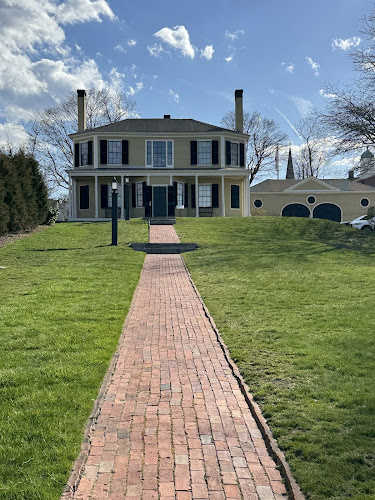
Hedge House Museum
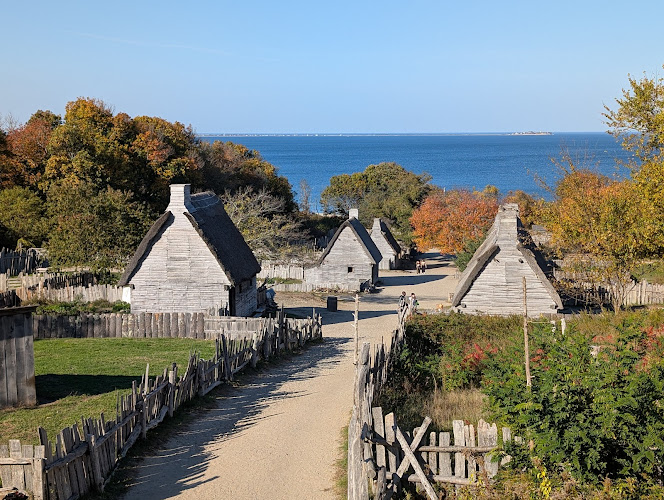
Plimoth Patuxet Museums
Brewster Gardens
Find Accommodations Nearby
Recommended Tours & Activities
Visitor Reviews
There are no reviews yet. Be the first one to write one.
Share Your Experience
Have you visited Pilgrim Hall Museum? Help other travelers by leaving a review.