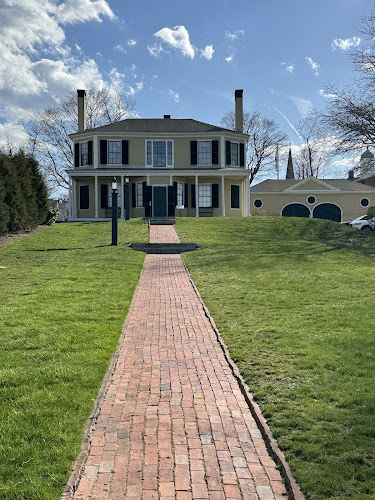
Once the home of a sea captain, the property displays characteristics that make it unusual among historic houses: octagonal rooms carved into a classic rectangular volume, finely detailed woodwork, and an attached carriage house that hints at an era when horses and wagons were a routine part of daily comings and goings. The house is presented as a lived-in, period-correct domestic environment, so visitors can get a sense of how a well-to-do maritime family arranged domestic space and displayed possessions in the years after the American Revolution.
Interpretation focuses on local history, architectural detail, and social context, so the Hedge House Museum is less about blockbuster artifacts and more about atmosphere: the curve of an octagonal wall, the light falling across original moldings, a hearth that once heated multiple rooms. It is the kind of place where small details reward attention. And yes, there are guided tours that unpack the oddities — why an octagon? what did a carriage house look like when it still smelled of oil and hay? — making it especially useful for people who like stories, not just dates.
Managed with care and open to the public on a seasonal schedule, the house includes a small gift shop and organized tours led by knowledgeable docents. The collection is modest but meaningful: period furnishings, family items, and interpretive displays that explain how the house fits into Plymouth’s broader historical tapestry. Visitors who come expecting a big museum experience might be surprised — in a good way — by how intimate and detail-rich a single historic home can be. It is a good complement to the more headline-grabbing Pilgrim-era institutions nearby, offering a different timespan and a different set of stories about life in this coastal town.
For the history-minded traveler, the Hedge House Museum offers a focused, contemplative visit. For casual sightseers, it delivers charm and architectural intrigue without the overwhelm of a large museum. The house’s Federal-style proportions and the rarity of octagonal interior forms make it an architectural highlight in Plymouth’s roster of historic properties.
Best Time to Visit
Spring through early fall is when the Hedge House Museum is at its friendliest for visitors. The museum tends to operate on a seasonal schedule, and warmer months usually bring more regular hours and frequent guided tours. That said, shoulder seasons — late spring and early autumn — are the sweet spot for those who like fewer crowds and mild weather. The light in late afternoon at this time of year highlights wood grain and plasterwork in the rooms, which, if one is being a little poetic, makes the house seem to breathe.
Weekend visits in summer will likely mean more visitors and a steadier flow of tours. If someone prefers quieter experiences, midweek visits during May, September, or October usually prove more relaxed. Holiday weekends attract families and groups, and while that lively atmosphere is nice for some, it can make it harder to linger in small rooms. For photographers who want detail shots of cornices and hardware, early morning tour slots or late afternoon visits often provide the best light and calmest rooms.
Weather matters too. A rainy day can be surprisingly rewarding because the museum’s intimate interior feels cozy and atmospheric. Conversely, blazing summer heat might mean a shorter visit as people move on to waterfront views and outdoor attractions. So plan according to temperament: seekers of quiet and architectural detail should aim for shoulder seasons and weekdays; family travelers who want a fuller itinerary should plan for summer weekends and combine the house with nearby attractions.
How to Get There
Visitors typically reach the museum as part of a day spent exploring Plymouth. From the region’s larger hubs, driving is the most straightforward option. The house is located within the historic town center, so once in town visitors will find parking areas and streets that place the site within comfortable walking distance of other central attractions. The town itself is well signed and pedestrian-friendly, making it easy to pair a Hedge House visit with other stops on foot.
For those arriving by public transport, regional buses serve Plymouth from cities like Boston, and local transit or short taxi rides can bridge the final miles to the historic district. Ride-share services and taxis operate in the area; they are handy for visitors who prefer not to hunt for parking. Walking from other downtown historic sites is often pleasant and allows time to take in storefronts, harbor views, and interpretive markers along the way.
Travelers coming from farther afield often base themselves in nearby towns or in the Boston area and make a day trip. In that case, leaving early avoids commuter traffic and makes it possible to visit multiple historic sites in a single day. The house is compact enough that parking then walking around town is simple; but because the streets can be narrow and find-a-spot parking sometimes limited on busy days, arriving mid-morning or after peak lunch hours makes life easier.
Tips for Visiting
Plan at least 45 to 90 minutes for a visit. The guided tours are concise but rich; they will usually cover the layout, unique octagonal rooms, and the carriage house. Allow extra time to browse the gift shop — it’s a small operation, but often carries topical books and tasteful reproductions that make great mementos. And leave time to simply sit nearby and digest: historic houses reward slow-looking.
Tickets and tour schedules vary seasonally. It is a good idea to check the museum’s opening schedule before traveling, especially in shoulder seasons when hours can be limited. If a visitor is planning multiple museum stops in Plymouth, asking at one site about combined tickets or suggested routes can save time and occasionally money. The museum often works in concert with local historical groups to offer thematic walking tours or special events, so keep an eye out for those — they add context and are usually led by passionate local historians.
Accessibility is a mixed bag at many historic houses because of narrow staircases and period construction. Visitors with mobility concerns should contact the museum in advance to learn about accommodations; staff are usually helpful and can suggest the best ways to see the house without undue difficulty. Families with young children should note that the spaces are intimate; small kids can enjoy the novelty of period rooms, but it helps to brief them in advance about indoor voices and staying close, because fragile artifacts are everywhere.
Photography policies vary. Many historic house museums allow non-flash photography for personal use, but flash, tripods, or commercial photography generally require permission. If a visitor is a shutterbug, asking a docent at the start of the tour saves awkward moments later. And yes, the octagonal rooms are photogenic — but they are small, so a wide lens or a patient eye for detail works better than trying to capture everything in one shot.
Combine the visit with related local experiences. The Hedge House Museum pairs well with other history sites in the town, maritime walks, and waterfront dining. For those who enjoy themes, a day that includes the house, a harbor walk, and a museum focused on earlier colonial history gives a layered sense of how different eras overlap in one place. The museum makes a great stop for people who like to see how ordinary lives were lived across generations — the social history threads are subtle but satisfying.
Finally, be curious and ask questions. Docents at small house museums love to talk about preservation decisions, quirky architectural features, and the provenance of objects on display. The best insights are often the ones that come from a quick chat after the tour — the kind of detail that won’t be in every guidebook but will stick with a visitor for a long time. The author remembers once learning from a docent about a single nail pattern that revealed a later repair — tiny detail, but it opened a whole conversation about continuity, repair, and the human hands that kept the house standing. That, really, is the point of a visit: connecting with the small human stories that accumulate into local history.
 Real Journey Travels