
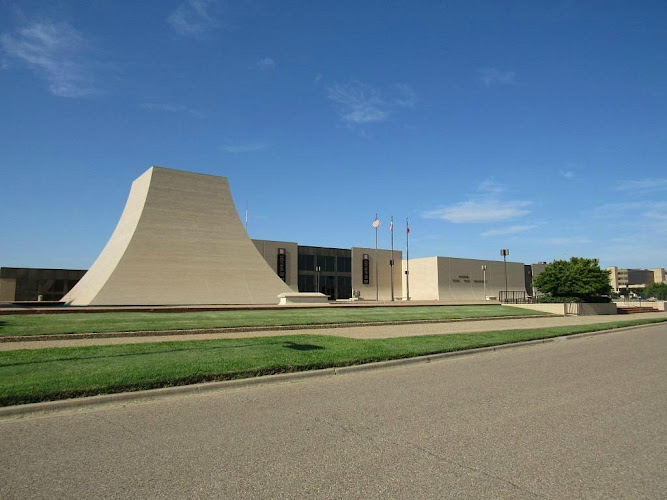
Museum of Texas Tech University
About Museum of Texas Tech University
Description
The Museum of Texas Tech University stands as a major cultural and scientific hub on the university campus in Lubbock. It houses millions of objects spanning art, natural history, geology, and cultural artifacts, and pairs public exhibits with a working research laboratory and planetarium. Visitors will find expansive paleontology displays (yes, dinosaurs), robust art galleries, and natural science collections that reflect both the plains of West Texas and stories from around the world. The Moody Planetarium inside the complex turns a museum visit into a small, regular dose of cosmic perspective — good for kids who love rockets and adults who secretly like being talked to like a curious ten-year-old.
What makes the museum a little different from many university museums is how it balances research and public programming. Scientists and curators here do real lab work behind the scenes, which filters into rotating exhibitions and educational programs. That means some exhibits feel fresh and cutting-edge rather than static. The collection depth — from fossils that hint at life millions of years ago to contemporary art and cultural artifacts — gives the place an unusual range. One moment a family might be tracing the bones of an ancient beast, and the next they’re standing in front of a contemporary painting that makes them go huh, when did modern art become so good at making people feel weird? The museum seems to invite that mix of wonder and puzzlement.
Accessibility and visitor care are clearly thought through. The building offers a wheelchair-accessible entrance, parking, and restrooms, so mobility-challenged guests can explore with less friction. There’s a café when hunger inevitably hits (it’s a museum — it will), a gift shop for that slightly-too-expensive but oddly satisfying souvenir, and free on-site parking that makes it less of a headache to stop by when driving through Lubbock. The museum runs guided tours and family-friendly programs, and staff often tailor experiences for school groups, homeschool co-ops, and curious adults. For travelers, it’s the kind of attraction that rewards slow curiosity; plan time, and you’ll be rewarded.
Visitors who come for the dinosaurs generally aren’t disappointed. The paleontology exhibits are prominent, with specimens and interpretive displays that trace regional geology and prehistoric ecosystems. For those interested in art, the public art collection and rotating exhibitions highlight regional, national, and international artists, offering a surprisingly thoughtful counterpoint to the science-focused galleries. The museum also interprets local history, ranching heritage, and archaeological finds from the surrounding plains, so it doubles as an introduction to the culture and environment of West Texas.
Finally, the place has a slightly college-town charm. It’s part research center and part community museum, and that intersection creates programs that feel purposeful and occasionally experimental. The author once attended a late-afternoon lecture there and came away with a better understanding of how science actually works: messy, collaborative, and more interesting than the headlines usually allow. In short, the Museum of Texas Tech University is a destination worth carving out of a Lubbock itinerary, especially for travelers who enjoy museums that combine scholarship, family appeal, and a few delightful surprises.
Key Features
- Millions of objects across art, natural history, geology, and cultural collections, providing wide-ranging exhibits.
- Prominent paleontology displays, including dinosaur fossils and regional geology interpretations.
- Moody Planetarium offering regular shows that mix science with spectacle — great for families and stargazers.
- On-site research laboratories where museum scientists work; exhibits often reflect active research.
- Rotating special exhibitions that bring new topics and artists to the museum year-round.
- Wheelchair-accessible entrance, parking, and restrooms to support visitors with mobility needs.
- Free on-site parking, making drop-ins practical for road-trippers and day visitors.
- Café and gift shop for meals, snacks, and museum keepsakes.
- Guided tours and educational programming for schools, families, and adult learners.
- Family-friendly layout and exhibits suitable for kids of various ages.
Best Time to Visit
The museum is enjoyable year-round, but timing matters depending on what a traveler wants to squeeze out of the visit. Weekday mornings are the quietest and best for people who like to take their time in galleries and photograph exhibits without crowds underfoot. If a traveler’s priority is the planetarium, check the program schedule in advance: popular shows often sell out on weekend afternoons, especially during school breaks.
Spring and fall bring comfortable weather to Lubbock, so pairing a museum visit with a campus walk or a trip to nearby outdoor sites (like the Lubbock Lake Landmark) makes for a full day. Summer is busy with family visitors; that’s great if you like the energy of kids on school break but expect more lines for planetarium shows and limited seating in the café. Winter tends to be calmer, and it’s a perfect time to enjoy indoor exhibits without the wait.
For travelers who want special programming, keep an eye on the museum’s calendar for temporary exhibitions, evening lectures, and family days. These events can turn a regular visit into a memorable experience, but they also attract locals, so book early when possible.
How to Get There
The museum is located on the Texas Tech University campus in Lubbock, which makes it fairly straightforward to reach whether arriving by car or public transit. Driving is the most common option for visitors from out of town. Free on-site parking is available, which removes the usual downtown parking headache; still, arrive earlier on weekends or during special events to ensure a convenient spot.
If relying on public transportation, Lubbock’s local bus service routes can get you close to campus; expect a short walk across campus pathways to reach the museum entrance. Rideshare services operate in Lubbock as well and drop-off near the building is convenient for travelers without a rental car.
For those combining a visit with other regional stops: Lubbock is the hub for West Texas, and the museum makes a sensible cultural stop between outdoor excursions and local dining. The campus location means that if one wants to pair the museum with other Texas Tech attractions or a campus tour, everything is within easy walking distance. Travelers who prefer to use a GPS device should enter the museum name (or the university campus) rather than an address to avoid parking lot or campus routing quirks; signage on campus is helpful once near.
Tips for Visiting
Plan at least two hours, preferably three. The museum has deep collections and rotating exhibits, and rushing through will leave you feeling like you missed the good bits. If the Moody Planetarium show is on your must-see list, build the showtime into your schedule first and then explore galleries; the timing often dictates the rest of the visit.
Bring a reusable water bottle and comfortable shoes. The museum’s café is handy, but the best way to enjoy a long visit is to pace it and stay hydrated. Also, wear shoes that are easy to walk in for several hours — those paleontology halls force you to cover ground.
Check exhibit and planetarium schedules in advance. Temporary exhibitions and planetarium showtimes vary; some special exhibitions are ticketed or have limited capacity. If traveling with children, look for family-friendly program times and hands-on activities — the museum tends to tailor events that engage younger visitors.
Photography is usually allowed for personal use in many galleries, but flash and tripods are often restricted. If photography matters to you, confirm rules at the front desk to avoid awkward moments. And if a particular exhibit sparks curiosity, speak to gallery staff; they often have context, extra resources, or can point to related displays you might otherwise miss.
Use the guided tours if time allows. Even a short docent-led walk can reveal hidden anecdotes — the kind that make a museum memorable. The author has found that the best stories come from staff who work with collections daily; they’ll point out small details and research links that signage can’t do justice to.
If mobility is a concern, rest assured the museum is set up for accessibility. Wheelchair-accessible entrance, parking, and restrooms are available, and staff can assist with accommodations or special needs when notified in advance. For families with strollers, the layout is manageable, but plan for some tight corners in older galleries.
Finish in the gift shop and café. Even if those aren’t priorities, they offer a good break before heading back out into the Texas sun. The shop often carries unique, locally themed items that make better souvenirs than the generic stuff found elsewhere.
Finally, pair the visit with nearby attractions. The museum sits in a part of town that invites exploration — from campus points of interest to other cultural stops. A museum afternoon followed by a local dinner is a great way to absorb Lubbock’s mix of science, history, and friendliness without feeling rushed.
Overall, the Museum of Texas Tech University rewards curiosity. Whether a traveler is fascinated by dinosaurs, art, or the process of scientific discovery, the museum delivers an experience that is educational, occasionally thought-provoking, and reliably engaging. It’s one of those places that sneaks up on you: plan to arrive skeptical of how much you’ll see, and leave with a few new facts and one or two images that stick with you for days.
Key Features
- Extensive multidisciplinary collections (Anthropology, Art, Paleontology, Natural History, History, Clothing & Textiles)
- Nine permanent galleries with Southwest and contemporary art displays
- Active research collections and laboratories integrated with public programming
- Moody Planetarium and educational shows (check schedule)
- Free admission and a campus-centric location with easy access
More Details
Updated August 29, 2025
Table of Contents
Description
The Museum of Texas Tech University stands as a major cultural and scientific hub on the university campus in Lubbock. It houses millions of objects spanning art, natural history, geology, and cultural artifacts, and pairs public exhibits with a working research laboratory and planetarium. Visitors will find expansive paleontology displays (yes, dinosaurs), robust art galleries, and natural science collections that reflect both the plains of West Texas and stories from around the world. The Moody Planetarium inside the complex turns a museum visit into a small, regular dose of cosmic perspective — good for kids who love rockets and adults who secretly like being talked to like a curious ten-year-old.
What makes the museum a little different from many university museums is how it balances research and public programming. Scientists and curators here do real lab work behind the scenes, which filters into rotating exhibitions and educational programs. That means some exhibits feel fresh and cutting-edge rather than static. The collection depth — from fossils that hint at life millions of years ago to contemporary art and cultural artifacts — gives the place an unusual range. One moment a family might be tracing the bones of an ancient beast, and the next they’re standing in front of a contemporary painting that makes them go huh, when did modern art become so good at making people feel weird? The museum seems to invite that mix of wonder and puzzlement.
Accessibility and visitor care are clearly thought through. The building offers a wheelchair-accessible entrance, parking, and restrooms, so mobility-challenged guests can explore with less friction. There’s a café when hunger inevitably hits (it’s a museum — it will), a gift shop for that slightly-too-expensive but oddly satisfying souvenir, and free on-site parking that makes it less of a headache to stop by when driving through Lubbock. The museum runs guided tours and family-friendly programs, and staff often tailor experiences for school groups, homeschool co-ops, and curious adults. For travelers, it’s the kind of attraction that rewards slow curiosity; plan time, and you’ll be rewarded.
Visitors who come for the dinosaurs generally aren’t disappointed. The paleontology exhibits are prominent, with specimens and interpretive displays that trace regional geology and prehistoric ecosystems. For those interested in art, the public art collection and rotating exhibitions highlight regional, national, and international artists, offering a surprisingly thoughtful counterpoint to the science-focused galleries. The museum also interprets local history, ranching heritage, and archaeological finds from the surrounding plains, so it doubles as an introduction to the culture and environment of West Texas.
Finally, the place has a slightly college-town charm. It’s part research center and part community museum, and that intersection creates programs that feel purposeful and occasionally experimental. The author once attended a late-afternoon lecture there and came away with a better understanding of how science actually works: messy, collaborative, and more interesting than the headlines usually allow. In short, the Museum of Texas Tech University is a destination worth carving out of a Lubbock itinerary, especially for travelers who enjoy museums that combine scholarship, family appeal, and a few delightful surprises.
Key Features
- Millions of objects across art, natural history, geology, and cultural collections, providing wide-ranging exhibits.
- Prominent paleontology displays, including dinosaur fossils and regional geology interpretations.
- Moody Planetarium offering regular shows that mix science with spectacle — great for families and stargazers.
- On-site research laboratories where museum scientists work; exhibits often reflect active research.
- Rotating special exhibitions that bring new topics and artists to the museum year-round.
- Wheelchair-accessible entrance, parking, and restrooms to support visitors with mobility needs.
- Free on-site parking, making drop-ins practical for road-trippers and day visitors.
- Café and gift shop for meals, snacks, and museum keepsakes.
- Guided tours and educational programming for schools, families, and adult learners.
- Family-friendly layout and exhibits suitable for kids of various ages.
Best Time to Visit
The museum is enjoyable year-round, but timing matters depending on what a traveler wants to squeeze out of the visit. Weekday mornings are the quietest and best for people who like to take their time in galleries and photograph exhibits without crowds underfoot. If a traveler’s priority is the planetarium, check the program schedule in advance: popular shows often sell out on weekend afternoons, especially during school breaks.
Spring and fall bring comfortable weather to Lubbock, so pairing a museum visit with a campus walk or a trip to nearby outdoor sites (like the Lubbock Lake Landmark) makes for a full day. Summer is busy with family visitors; that’s great if you like the energy of kids on school break but expect more lines for planetarium shows and limited seating in the café. Winter tends to be calmer, and it’s a perfect time to enjoy indoor exhibits without the wait.
For travelers who want special programming, keep an eye on the museum’s calendar for temporary exhibitions, evening lectures, and family days. These events can turn a regular visit into a memorable experience, but they also attract locals, so book early when possible.
How to Get There
The museum is located on the Texas Tech University campus in Lubbock, which makes it fairly straightforward to reach whether arriving by car or public transit. Driving is the most common option for visitors from out of town. Free on-site parking is available, which removes the usual downtown parking headache; still, arrive earlier on weekends or during special events to ensure a convenient spot.
If relying on public transportation, Lubbock’s local bus service routes can get you close to campus; expect a short walk across campus pathways to reach the museum entrance. Rideshare services operate in Lubbock as well and drop-off near the building is convenient for travelers without a rental car.
For those combining a visit with other regional stops: Lubbock is the hub for West Texas, and the museum makes a sensible cultural stop between outdoor excursions and local dining. The campus location means that if one wants to pair the museum with other Texas Tech attractions or a campus tour, everything is within easy walking distance. Travelers who prefer to use a GPS device should enter the museum name (or the university campus) rather than an address to avoid parking lot or campus routing quirks; signage on campus is helpful once near.
Tips for Visiting
Plan at least two hours, preferably three. The museum has deep collections and rotating exhibits, and rushing through will leave you feeling like you missed the good bits. If the Moody Planetarium show is on your must-see list, build the showtime into your schedule first and then explore galleries; the timing often dictates the rest of the visit.
Bring a reusable water bottle and comfortable shoes. The museum’s café is handy, but the best way to enjoy a long visit is to pace it and stay hydrated. Also, wear shoes that are easy to walk in for several hours — those paleontology halls force you to cover ground.
Check exhibit and planetarium schedules in advance. Temporary exhibitions and planetarium showtimes vary; some special exhibitions are ticketed or have limited capacity. If traveling with children, look for family-friendly program times and hands-on activities — the museum tends to tailor events that engage younger visitors.
Photography is usually allowed for personal use in many galleries, but flash and tripods are often restricted. If photography matters to you, confirm rules at the front desk to avoid awkward moments. And if a particular exhibit sparks curiosity, speak to gallery staff; they often have context, extra resources, or can point to related displays you might otherwise miss.
Use the guided tours if time allows. Even a short docent-led walk can reveal hidden anecdotes — the kind that make a museum memorable. The author has found that the best stories come from staff who work with collections daily; they’ll point out small details and research links that signage can’t do justice to.
If mobility is a concern, rest assured the museum is set up for accessibility. Wheelchair-accessible entrance, parking, and restrooms are available, and staff can assist with accommodations or special needs when notified in advance. For families with strollers, the layout is manageable, but plan for some tight corners in older galleries.
Finish in the gift shop and café. Even if those aren’t priorities, they offer a good break before heading back out into the Texas sun. The shop often carries unique, locally themed items that make better souvenirs than the generic stuff found elsewhere.
Finally, pair the visit with nearby attractions. The museum sits in a part of town that invites exploration — from campus points of interest to other cultural stops. A museum afternoon followed by a local dinner is a great way to absorb Lubbock’s mix of science, history, and friendliness without feeling rushed.
Overall, the Museum of Texas Tech University rewards curiosity. Whether a traveler is fascinated by dinosaurs, art, or the process of scientific discovery, the museum delivers an experience that is educational, occasionally thought-provoking, and reliably engaging. It’s one of those places that sneaks up on you: plan to arrive skeptical of how much you’ll see, and leave with a few new facts and one or two images that stick with you for days.
Key Highlights
- Extensive multidisciplinary collections (Anthropology, Art, Paleontology, Natural History, History, Clothing & Textiles)
- Nine permanent galleries with Southwest and contemporary art displays
- Active research collections and laboratories integrated with public programming
- Moody Planetarium and educational shows (check schedule)
- Free admission and a campus-centric location with easy access
Location
Places to Stay Near Museum of Texas Tech University
Find and Book a Tour
Explore More Travel Guides
No reviews found! Be the first to review!
Traveler Reviews for Museum of Texas Tech University
There are no reviews yet. Be the first one to write one.
Have you visited Museum of Texas Tech University? Help other travelers by sharing your review.
Nearby Attractions
You Might Also Like

Vintage Township Park

Wagner Park

Silent Wings Museum
Find Accommodations Nearby
Recommended Tours & Activities
Visitor Reviews
There are no reviews yet. Be the first one to write one.
Share Your Experience
Have you visited Museum of Texas Tech University? Help other travelers by leaving a review.