
Blue Water Majesty Museum
About Blue Water Majesty Museum
Description
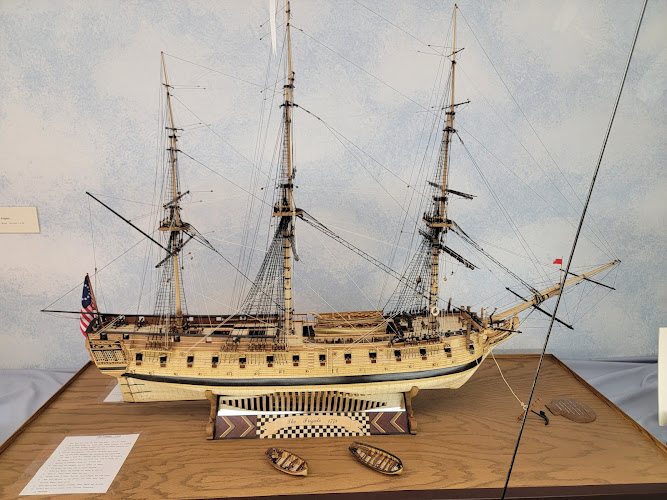
The Blue Water Majesty Museum in Canton, Ohio is a curious blend of maritime fascination and small-town museum charm that surprises a lot of first-time visitors. It frames water, ships, and model-making as a form of storytelling — the kind of storytelling that doesn't always shout, but that rewards those who slow down and actually look. The museum showcases a collection of ship models, maritime art, and interpretive exhibits that together trace human relationships with water: travel, trade, craftsmanship, and the odd romance with big engines and tiny rigging.
On the surface it looks like a model-ship lover's dream, and sure, that label fits. But there is more here than glass cases full of painstakingly carved hulls. The displays are organized to give context: why particular ships mattered, how their designs evolved, and what life aboard might have been like. And sometimes the voice is quietly playful — a placard that lets a little history slip in with a wink. That approach makes the museum approachable rather than academic, which is good because not every visitor wants a deep dive into naval architecture. Some just want to ooh and aah at a miniature figure steering a 19th-century schooner through painted-canvas waves.
Accessibility and practical comforts are not afterthoughts. The museum offers a wheelchair accessible entrance, parking, and restroom facilities, which makes a real difference if someone in the group has mobility needs. There is on-site parking — yes, really convenient — plus a gift shop where visitors can pick up model kits, postcards, and oddball maritime trinkets. For those who like a bit of live narration, guided tours are available and the small theater hosts short presentations and occasional film screenings that explore a theme or highlight a particular piece from the collection.
Families will find the place well-suited for kids. Exhibits tend to be hands-on where appropriate, with simple explanations and interactive moments that keep younger minds from wandering off. The museum staff seems to understand that kids learn better with a screw driver, a string, or a scale model to prod, rather than with dense wall text, so the layout invites exploration. And yes, if a child asks a question that sidetracks the docent, it usually turns into a mini-lesson that the rest of the room benefits from too.
One of the things that gives Blue Water Majesty its distinct personality is its scale. It is not cavernous like a big-city institution, and that intimacy can be an advantage. Exhibits feel curated rather than cataloged. Because of the size, the museum crafts rotating exhibits and special displays around particular themes: a week of tugboat history, a month celebrating commercial shipping routes, that sort of thing. These shorter-term exhibits mean even repeat visitors are often greeted with something new. And because it’s not trying to be the largest, the museum can focus on quality, interesting artifacts, and storytelling that actually lands.
There is, if one wants to be picky, a slightly homegrown aesthetic. Lighting sometimes leans toward the practical side rather than theatrical; a few cases show their age. But that homegrown quality lends honesty. It is the kind of place where skilled volunteers and passionate staffers are clearly the backbone — people who will chat for ten minutes about rigging techniques without sounding like they’re lecturing, and who sometimes reveal a personal connection to a restored model or a donated artifact. The human element is visible, and it often makes the visit feel like being accepted into a club that likes to geek out about ships.
Blue Water Majesty also quietly educates about broader themes: trade networks, immigration pathways that used ships, the development of shipbuilding technology, and even environmental angles tied to waterways. These contextual threads elevate the museum from a collection of pretty models to a place that helps visitors understand how water shaped people and economies, particularly in the Great Lakes and inland river context that Ohio sits within. The interpretive panels are readable and well-placed, and they balance technical details with narrative hooks so a layperson can get something out of them.
The museum experience is enhanced by a compact but thoughtful theater where short talks and films run on rotation. Those shorts are perfect for rainy days or for folding into an afternoon itinerary before heading out to other Canton attractions. The gift shop is modest but curated: model kits for hobbyists, books on maritime history, and a few whimsical souvenirs. Again, not a huge retail operation, but enough to send someone home with a tangible memento. For visitors who enjoy behind-the-scenes glimpses, staff sometimes offer focused tours that show restoration techniques or explain how a particular model was made. Those must-book-in-advance style offerings are well worth it if they’re available during a visit.
Practicality matters to travelers, and here the museum scores well. Restrooms are available, signage is clear, and the museum layout flows in a way that avoids backtracking. The overall visit time tends to be about one to two hours for most visitors; someone deeply into ship models could happily linger for longer, and a family with young kids may spend less if youngsters get antsy. Either way, the space is compact enough that visitors feel satisfied rather than exhausted by the end.
Something lesser-known that often delights repeat visitors is the museum’s willingness to spotlight local makers and hobbyists. Exhibits sometimes include locally made ship models or community-contributed pieces, and that injects regional color into a subject that can otherwise feel detached from place. Canton’s industrial history, nearby waterways, and the presence of amateur model-making communities all bubble to the surface here, connecting the museum to the region in subtle but meaningful ways.
There is also an honesty about the museum’s resources. Because it’s not flush with big-city funding, some exhibits are more modestly installed, but the interpretive work is sharp and the passion shows. A visitor who expects shiny blockbuster displays might be surprised, and for some that could be a disappointment. But a person who appreciates a well-told subject, hands-on learning, and knowledgeable staff will likely leave impressed. The museum’s curators focus on quality of narrative over sheer scale, and that choice pays off.
For travelers planning a day in Canton, the Blue Water Majesty Museum makes a smart stop. It pairs well with other local attractions and offers a calm, rewarding interlude from busier tourist spots. Staff can recommend timed presentations, and the museum’s guided tours often add color and background that aren’t obvious from exhibit labels alone. Visitors who enjoy maritime history, ship models, or regional cultural institutions will find a pleasant, content-rich experience here.
In short, Blue Water Majesty Museum is the kind of place that quietly wins over people. It doesn’t shout its importance; rather, it lays out ship models, stories, and historical threads and trusts that curious visitors will pick them up. There’s warmth in that trust. And between accessible facilities, family-friendly exhibits, on-site parking, and occasional behind-the-scenes access, the museum does a solid job serving both enthusiasts and casual visitors alike. It’s not perfect, but then again, perfection is overrated. This place offers authenticity, knowledge, and the small pleasures of seeing serious craftsmanship at scale. If someone is in Canton and wants a museum that rewards attention without demanding it, Blue Water Majesty is likely to be a surprisingly good bet.
Key Features
More Details
Updated August 29, 2025
Table of Contents
Description
The Blue Water Majesty Museum in Canton, Ohio is a curious blend of maritime fascination and small-town museum charm that surprises a lot of first-time visitors. It frames water, ships, and model-making as a form of storytelling — the kind of storytelling that doesn’t always shout, but that rewards those who slow down and actually look. The museum showcases a collection of ship models, maritime art, and interpretive exhibits that together trace human relationships with water: travel, trade, craftsmanship, and the odd romance with big engines and tiny rigging.
On the surface it looks like a model-ship lover’s dream, and sure, that label fits. But there is more here than glass cases full of painstakingly carved hulls. The displays are organized to give context: why particular ships mattered, how their designs evolved, and what life aboard might have been like. And sometimes the voice is quietly playful — a placard that lets a little history slip in with a wink. That approach makes the museum approachable rather than academic, which is good because not every visitor wants a deep dive into naval architecture. Some just want to ooh and aah at a miniature figure steering a 19th-century schooner through painted-canvas waves.
Accessibility and practical comforts are not afterthoughts. The museum offers a wheelchair accessible entrance, parking, and restroom facilities, which makes a real difference if someone in the group has mobility needs. There is on-site parking — yes, really convenient — plus a gift shop where visitors can pick up model kits, postcards, and oddball maritime trinkets. For those who like a bit of live narration, guided tours are available and the small theater hosts short presentations and occasional film screenings that explore a theme or highlight a particular piece from the collection.
Families will find the place well-suited for kids. Exhibits tend to be hands-on where appropriate, with simple explanations and interactive moments that keep younger minds from wandering off. The museum staff seems to understand that kids learn better with a screw driver, a string, or a scale model to prod, rather than with dense wall text, so the layout invites exploration. And yes, if a child asks a question that sidetracks the docent, it usually turns into a mini-lesson that the rest of the room benefits from too.
One of the things that gives Blue Water Majesty its distinct personality is its scale. It is not cavernous like a big-city institution, and that intimacy can be an advantage. Exhibits feel curated rather than cataloged. Because of the size, the museum crafts rotating exhibits and special displays around particular themes: a week of tugboat history, a month celebrating commercial shipping routes, that sort of thing. These shorter-term exhibits mean even repeat visitors are often greeted with something new. And because it’s not trying to be the largest, the museum can focus on quality, interesting artifacts, and storytelling that actually lands.
There is, if one wants to be picky, a slightly homegrown aesthetic. Lighting sometimes leans toward the practical side rather than theatrical; a few cases show their age. But that homegrown quality lends honesty. It is the kind of place where skilled volunteers and passionate staffers are clearly the backbone — people who will chat for ten minutes about rigging techniques without sounding like they’re lecturing, and who sometimes reveal a personal connection to a restored model or a donated artifact. The human element is visible, and it often makes the visit feel like being accepted into a club that likes to geek out about ships.
Blue Water Majesty also quietly educates about broader themes: trade networks, immigration pathways that used ships, the development of shipbuilding technology, and even environmental angles tied to waterways. These contextual threads elevate the museum from a collection of pretty models to a place that helps visitors understand how water shaped people and economies, particularly in the Great Lakes and inland river context that Ohio sits within. The interpretive panels are readable and well-placed, and they balance technical details with narrative hooks so a layperson can get something out of them.
The museum experience is enhanced by a compact but thoughtful theater where short talks and films run on rotation. Those shorts are perfect for rainy days or for folding into an afternoon itinerary before heading out to other Canton attractions. The gift shop is modest but curated: model kits for hobbyists, books on maritime history, and a few whimsical souvenirs. Again, not a huge retail operation, but enough to send someone home with a tangible memento. For visitors who enjoy behind-the-scenes glimpses, staff sometimes offer focused tours that show restoration techniques or explain how a particular model was made. Those must-book-in-advance style offerings are well worth it if they’re available during a visit.
Practicality matters to travelers, and here the museum scores well. Restrooms are available, signage is clear, and the museum layout flows in a way that avoids backtracking. The overall visit time tends to be about one to two hours for most visitors; someone deeply into ship models could happily linger for longer, and a family with young kids may spend less if youngsters get antsy. Either way, the space is compact enough that visitors feel satisfied rather than exhausted by the end.
Something lesser-known that often delights repeat visitors is the museum’s willingness to spotlight local makers and hobbyists. Exhibits sometimes include locally made ship models or community-contributed pieces, and that injects regional color into a subject that can otherwise feel detached from place. Canton’s industrial history, nearby waterways, and the presence of amateur model-making communities all bubble to the surface here, connecting the museum to the region in subtle but meaningful ways.
There is also an honesty about the museum’s resources. Because it’s not flush with big-city funding, some exhibits are more modestly installed, but the interpretive work is sharp and the passion shows. A visitor who expects shiny blockbuster displays might be surprised, and for some that could be a disappointment. But a person who appreciates a well-told subject, hands-on learning, and knowledgeable staff will likely leave impressed. The museum’s curators focus on quality of narrative over sheer scale, and that choice pays off.
For travelers planning a day in Canton, the Blue Water Majesty Museum makes a smart stop. It pairs well with other local attractions and offers a calm, rewarding interlude from busier tourist spots. Staff can recommend timed presentations, and the museum’s guided tours often add color and background that aren’t obvious from exhibit labels alone. Visitors who enjoy maritime history, ship models, or regional cultural institutions will find a pleasant, content-rich experience here.
In short, Blue Water Majesty Museum is the kind of place that quietly wins over people. It doesn’t shout its importance; rather, it lays out ship models, stories, and historical threads and trusts that curious visitors will pick them up. There’s warmth in that trust. And between accessible facilities, family-friendly exhibits, on-site parking, and occasional behind-the-scenes access, the museum does a solid job serving both enthusiasts and casual visitors alike. It’s not perfect, but then again, perfection is overrated. This place offers authenticity, knowledge, and the small pleasures of seeing serious craftsmanship at scale. If someone is in Canton and wants a museum that rewards attention without demanding it, Blue Water Majesty is likely to be a surprisingly good bet.
Key Highlights
Blue Water Majesty Museum
Location
Places to Stay Near Blue Water Majesty Museum
Find and Book a Tour
Explore More Travel Guides
No reviews found! Be the first to review!
Traveler Reviews for Blue Water Majesty Museum
There are no reviews yet. Be the first one to write one.
Have you visited Blue Water Majesty Museum? Help other travelers by sharing your review.
You Might Also Like
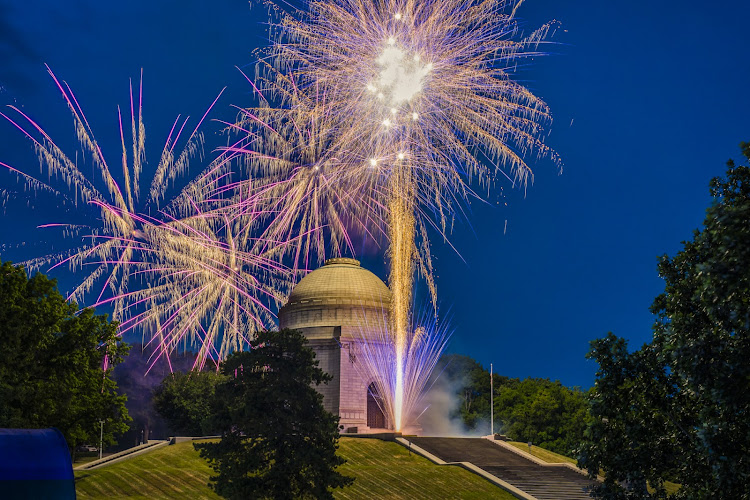
McKinley Presidential Library & Museum
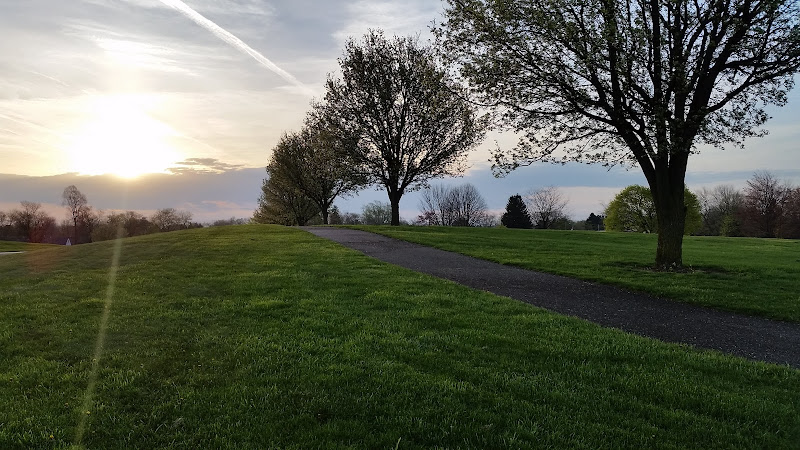
Harmont Park
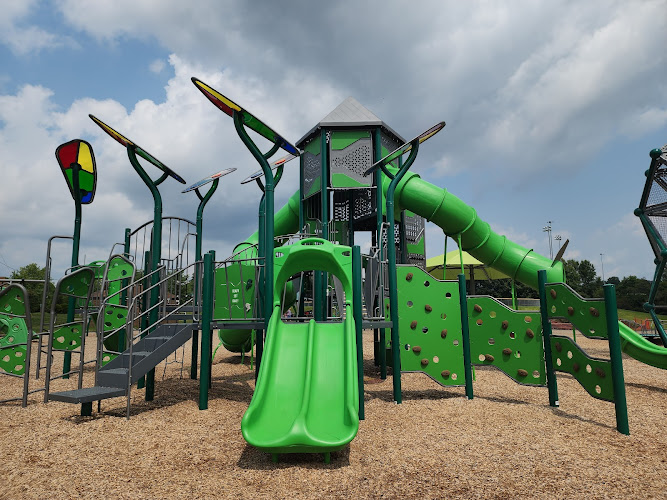
Weis Park
Find Accommodations Nearby
Recommended Tours & Activities
Visitor Reviews
There are no reviews yet. Be the first one to write one.
Share Your Experience
Have you visited Blue Water Majesty Museum? Help other travelers by leaving a review.