
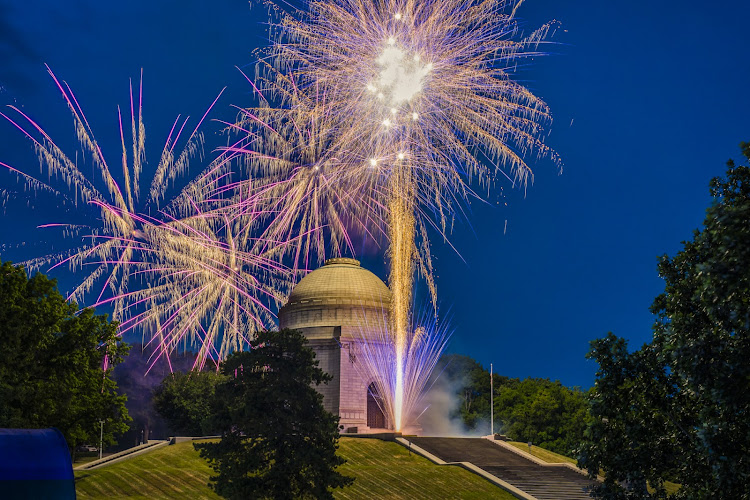
McKinley Presidential Library & Museum
About McKinley Presidential Library & Museum
Description
The McKinley Presidential Library & Museum is presented as a layered destination where local history, presidential artifacts, and hands-on science meet under one roof. Operated by the Stark County Historical Society, the museum focuses squarely on the life and legacy of President William McKinley while also housing a research library, rotating exhibits, and a planetarium that tends to surprise visitors who arrive expecting a strictly historical experience. In short, it is part history museum, part science center, and part community research hub — which is a slightly odd, and utterly charming, combination.
At its core, the museum tells the story of the 25th President of the United States, using artifacts, photographs, curated displays, and interpretive panels to trace McKinley from a Ohio childhood through his career in national politics. For people who geek out over presidential history, this place often ranks high because of the depth of its collection related to McKinley and his family. The exhibit layout manages to be detailed without feeling academically dry; labels are readable, and display cases are well lit. There are personal items, campaign materials, and contextual exhibits that place McKinley within the larger sweep of late 19th and early 20th century American life.
But, here's the twist: the Hoover-Price Planetarium (often simply called the planetarium by locals) occupies the same complex and offers regularly scheduled shows that draw school groups, families, and astronomy buffs. Planetarium programming ranges from full-dome star shows geared to kids, to evening laser and lecture events for older audiences. For many visitors, the planetarium is the highlight — especially on cloudy or rainy days when the rest of the county might be feeling gloomy. A quiet evening show under the simulated stars often leaves people talking about it afterward, and it's an unexpectedly immersive complement to the historical galleries.
The facility doubles as the Stark County Historical Society headquarters and includes a research library and archive that quietly attracts genealogists, students, and local historians. Those who wander in thinking the museum is only about McKinley are frequently pleased to discover deep archival resources: newspapers on microfilm, local government records, photographs, and rare manuscripts. It’s the kind of place where someone researching a family tree might spend hours and emerge with stories they never expected to find. That research function gives the site a civic weight; it's not just about display, it's about preservation and scholarship.
Accessibility is straightforward. The museum provides a wheelchair accessible entrance, accessible parking, and accessible restrooms. For travelers planning a visit with mobility concerns, the physical layout is generally accommodating — most permanent exhibits are on accessible routes, and staff are used to helping visitors navigate the site. The museum also offers tours led by docents; these often add life to artifacts that might otherwise be skimmed over. Docents know local anecdotes and sometimes they'll pause to tell a small, quirky story about McKinley or Canton that doesn't make it into guidebooks. Those little asides are worth the extra five minutes, truly.
Visitors will find basic visitor amenities: free on-site parking, Wi-Fi in the building, restrooms, and a gift shop stocked with books, reproductions, and planetarium-themed gifts. There is no on-site restaurant, so many folks pair a museum visit with lunch in nearby Canton; the free parking makes that logistically easy. Admission is paid, though there are discounted rates for active military. The fee supports both regular exhibits and rotating programming, which means repeat visits often reveal something new. People who live in the region typically return for the planetarium seasonals and for special exhibits that rotate through the Keller Gallery and other display spaces.
Child-friendly programming and family-oriented exhibits make the site a reliable pick for school groups and parents. Interactive displays — particularly those in the science-leaning sections — are designed with kids in mind. Hands-on elements, a touchable object or two, and planetarium shows styled for younger audiences help keep children engaged. That said, the museum is also a good stop for adults who enjoy military, political, or local history. The balance between educational content and accessibility is handled fairly well; the site rarely feels like a lecture, and more often feels like a story unfolding through objects and images.
There are, of course, some caveats. At busier times the planetarium can fill quickly and some of the popular temporary exhibits draw lines — patience helps here. Also, while the museum is well-maintained, some visitors note that certain display areas could benefit from modernization; the historical society has been steadily addressing that through exhibit refreshes and new interpretive materials. Overall, praise tends to focus on the depth of the McKinley collection and the planetarium experience, while criticisms, when they appear, usually point to occasional crowding or the need for rotating exhibit updates.
For travelers who like to plan, a typical visit can be scheduled for 1.5 to 3 hours depending on interest level. Those intent on the research library should budget more time — archival work rarely adheres to a one-hour schedule. There is a rhythm to a visit: start with the permanent exhibits on McKinley to ground the narrative, then pop into the planetarium for a show, and finish with a browse of archives or the gift shop. This flow tends to leave people satisfied rather than rushed.
One lesser-known attribute is the museum’s role as a community hub. It hosts lectures, film nights, and special events that appeal to locals and out-of-towners alike. If a traveler happens to be in town during a themed lecture — say, on turn-of-the-century politics or on early Ohio industry — it can add texture to the visit and provide a more intimate glimpse into regional history. Also, for anyone who enjoys genealogy, the research staff are surprisingly approachable and often willing to point visitors toward resources that aren't obvious on the first walk-through.
Finally, the McKinley Presidential Library & Museum offers a tangible chance to connect with an era of American history that shaped the 20th century. It rewards both the casual visitor and the deeply curious: casual visitors come away with a clear narrative of a President and his times, while history buffs and researchers discover layers of archival material. And the planetarium? It’s the delightful curveball — a reminder that a place grounded in history can still look up and find wonder in the stars.
Key Features
More Details
Updated August 29, 2025
Table of Contents
Description
The McKinley Presidential Library & Museum is presented as a layered destination where local history, presidential artifacts, and hands-on science meet under one roof. Operated by the Stark County Historical Society, the museum focuses squarely on the life and legacy of President William McKinley while also housing a research library, rotating exhibits, and a planetarium that tends to surprise visitors who arrive expecting a strictly historical experience. In short, it is part history museum, part science center, and part community research hub — which is a slightly odd, and utterly charming, combination.
At its core, the museum tells the story of the 25th President of the United States, using artifacts, photographs, curated displays, and interpretive panels to trace McKinley from a Ohio childhood through his career in national politics. For people who geek out over presidential history, this place often ranks high because of the depth of its collection related to McKinley and his family. The exhibit layout manages to be detailed without feeling academically dry; labels are readable, and display cases are well lit. There are personal items, campaign materials, and contextual exhibits that place McKinley within the larger sweep of late 19th and early 20th century American life.
But, here’s the twist: the Hoover-Price Planetarium (often simply called the planetarium by locals) occupies the same complex and offers regularly scheduled shows that draw school groups, families, and astronomy buffs. Planetarium programming ranges from full-dome star shows geared to kids, to evening laser and lecture events for older audiences. For many visitors, the planetarium is the highlight — especially on cloudy or rainy days when the rest of the county might be feeling gloomy. A quiet evening show under the simulated stars often leaves people talking about it afterward, and it’s an unexpectedly immersive complement to the historical galleries.
The facility doubles as the Stark County Historical Society headquarters and includes a research library and archive that quietly attracts genealogists, students, and local historians. Those who wander in thinking the museum is only about McKinley are frequently pleased to discover deep archival resources: newspapers on microfilm, local government records, photographs, and rare manuscripts. It’s the kind of place where someone researching a family tree might spend hours and emerge with stories they never expected to find. That research function gives the site a civic weight; it’s not just about display, it’s about preservation and scholarship.
Accessibility is straightforward. The museum provides a wheelchair accessible entrance, accessible parking, and accessible restrooms. For travelers planning a visit with mobility concerns, the physical layout is generally accommodating — most permanent exhibits are on accessible routes, and staff are used to helping visitors navigate the site. The museum also offers tours led by docents; these often add life to artifacts that might otherwise be skimmed over. Docents know local anecdotes and sometimes they’ll pause to tell a small, quirky story about McKinley or Canton that doesn’t make it into guidebooks. Those little asides are worth the extra five minutes, truly.
Visitors will find basic visitor amenities: free on-site parking, Wi-Fi in the building, restrooms, and a gift shop stocked with books, reproductions, and planetarium-themed gifts. There is no on-site restaurant, so many folks pair a museum visit with lunch in nearby Canton; the free parking makes that logistically easy. Admission is paid, though there are discounted rates for active military. The fee supports both regular exhibits and rotating programming, which means repeat visits often reveal something new. People who live in the region typically return for the planetarium seasonals and for special exhibits that rotate through the Keller Gallery and other display spaces.
Child-friendly programming and family-oriented exhibits make the site a reliable pick for school groups and parents. Interactive displays — particularly those in the science-leaning sections — are designed with kids in mind. Hands-on elements, a touchable object or two, and planetarium shows styled for younger audiences help keep children engaged. That said, the museum is also a good stop for adults who enjoy military, political, or local history. The balance between educational content and accessibility is handled fairly well; the site rarely feels like a lecture, and more often feels like a story unfolding through objects and images.
There are, of course, some caveats. At busier times the planetarium can fill quickly and some of the popular temporary exhibits draw lines — patience helps here. Also, while the museum is well-maintained, some visitors note that certain display areas could benefit from modernization; the historical society has been steadily addressing that through exhibit refreshes and new interpretive materials. Overall, praise tends to focus on the depth of the McKinley collection and the planetarium experience, while criticisms, when they appear, usually point to occasional crowding or the need for rotating exhibit updates.
For travelers who like to plan, a typical visit can be scheduled for 1.5 to 3 hours depending on interest level. Those intent on the research library should budget more time — archival work rarely adheres to a one-hour schedule. There is a rhythm to a visit: start with the permanent exhibits on McKinley to ground the narrative, then pop into the planetarium for a show, and finish with a browse of archives or the gift shop. This flow tends to leave people satisfied rather than rushed.
One lesser-known attribute is the museum’s role as a community hub. It hosts lectures, film nights, and special events that appeal to locals and out-of-towners alike. If a traveler happens to be in town during a themed lecture — say, on turn-of-the-century politics or on early Ohio industry — it can add texture to the visit and provide a more intimate glimpse into regional history. Also, for anyone who enjoys genealogy, the research staff are surprisingly approachable and often willing to point visitors toward resources that aren’t obvious on the first walk-through.
Finally, the McKinley Presidential Library & Museum offers a tangible chance to connect with an era of American history that shaped the 20th century. It rewards both the casual visitor and the deeply curious: casual visitors come away with a clear narrative of a President and his times, while history buffs and researchers discover layers of archival material. And the planetarium? It’s the delightful curveball — a reminder that a place grounded in history can still look up and find wonder in the stars.
Key Highlights
McKinley Presidential Library & Museum
Location
Places to Stay Near McKinley Presidential Library & Museum
Find and Book a Tour
Explore More Travel Guides
No reviews found! Be the first to review!
Traveler Reviews for McKinley Presidential Library & Museum
There are no reviews yet. Be the first one to write one.
Have you visited McKinley Presidential Library & Museum? Help other travelers by sharing your review.
You Might Also Like
Escape Room at the Nest
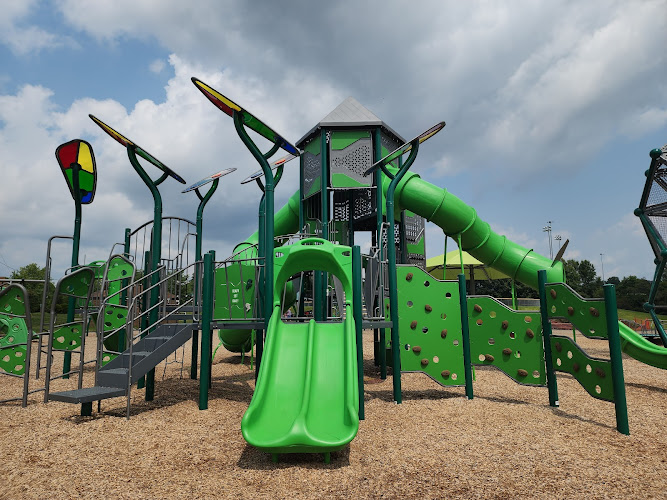
Weis Park
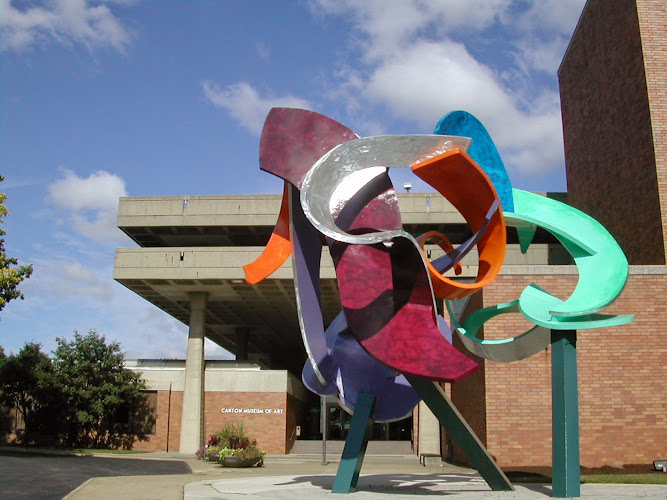
Canton Museum of Art
Find Accommodations Nearby
Recommended Tours & Activities
Visitor Reviews
There are no reviews yet. Be the first one to write one.
Share Your Experience
Have you visited McKinley Presidential Library & Museum? Help other travelers by leaving a review.