
Plimoth Patuxet Museums
About Plimoth Patuxet Museums
Description
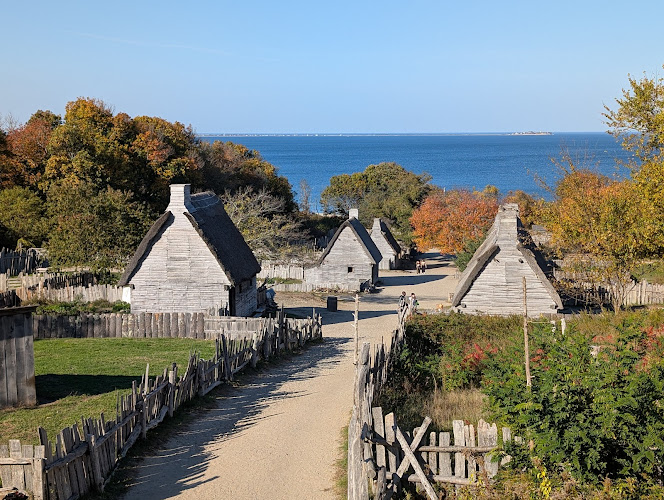
Plimoth Patuxet Museums is a living history museum in Plymouth, Massachusetts that drops you into a 17th-century Pilgrim village and the neighboring Wampanoag homesite. It is not a hushed hall of artifacts where you peer through glass; instead, you walk into reconstructed houses, garden plots, and a working grist mill where costumed actors go about daily tasks. The actors speak and work as if they belonged to the 1600s — and yes, that first-person interpretation can feel strange and brilliant at the same time. If you like history that moves, smells of wood smoke and bread baking, and a little theatricality, this place will stick with you.
At the heart of the experience are two complementary stories: the English village representing Pilgrim life and the Patuxet/Wampanoag homesite that tells indigenous histories and lifeways. The museums have made a point of presenting multiple perspectives. You can listen to Wampanoag interpreters explain traditional foodways and seasonal practices, and separately see how Pilgrim colonists built shelter, cooked, and maintained their tiny, hard-scrabble settlement. Those dual narratives are what make Plimoth Patuxet more than a novelty re-creation — it becomes a place to think about encounters, survival, culture, and change.
Visitors will find a working reproduction of a grist mill — yes, the noisy wheel and grinding stones actually operate — along with a reconstructed English village of houses, craft yards, and garden plots that reflect 17th-century techniques. There’s also a theater for short films and programs, a gift shop stocking thoughtful books and reproductions, and a cafe if you need a quick refuel (and trust, you will). Guided tours and live performances are regular features, and special programs for kids and schools make the site especially well known among families and educators.
Practical note: Plimoth Patuxet is run as a nonprofit and charges an admission fee. That fee supports preservation, educational programs, and the staff who interpret and maintain the site. There are some perks — active military discounts are often available — and the site makes an effort to be accessible: wheelchair accessible entrances, parking, and restrooms are provided, as are family-friendly amenities like changing tables. Two slow J1772 EV chargers are on the grounds for those driving electric, which I thought was a nice modern touch juxtaposed against mud-splattered 17th-century boots.
One of the best things about the museum is how tactile it is. Children and adults can watch artisans turning wool into yarn, see food cooked over open hearths, smell smoke and herbs, and — if you’re brave — try your hand at simple chores under the guidance of staff. I once watched my nephew, a very skeptical 10-year-old, get roped into shelling beans and come away with this odd, delighted glow. He insisted afterward that history was now his favorite subject. So yeah, the site works on little attention spans.
That said, the experience is deliberately interpretive. If you expect a conventional museum filled with explanatory plaques and strictly modern narration, be aware that parts of the site emphasize immersion and role-play. Some guests love this; others find it theatrical or wish for more explicit context at times. The museum balances this by offering both first-person interactions and more traditional exhibits and films, so you can pick a level of engagement that suits you.
Plimoth Patuxet also frequently updates and runs special events tied to seasons and anniversaries. Thanksgiving-related programming, traditional craft demonstrations, and history-focused talks happen throughout the year. The onsite theater shows short documentaries that help orient visitors — think of them as quick, well-produced primers before you set off into the village and homesite.
Food and shopping are handled thoughtfully. The museum cafe offers simple, comfort-style food and a place to sit; it’s not gourmet, but it’s exactly what families need after a morning of wandering historic streets. The gift shop carries books, reproductions, and local crafts that make smarter souvenirs than the usual trinkets — if you appreciate quality, you’ll find things worth taking home.
Accessibility and family logistics are not afterthoughts here. Wheelchair access is available in key areas, restrooms have accessible stalls, and families with small children will appreciate changing tables. The site is designed to be navigable but remember: paths can be uneven and muddy after rain. Wear sensible shoes. Layers. Always layers. New England weather has mood swings and the microclimate on the water can be breezy even on a warm day.
Finally, expect to leave with questions. The museum is good at provoking curiosity — why were some crops chosen, what trade networks existed, how did Wampanoag and Pilgrim lives intersect in practice — and it provides routes to learn more through programs and educational resources. For many visitors the real value here isn’t just seeing 1600s-style houses; it’s the chance to wrestle with complex history in a place that encourages conversation rather than tidy conclusions.
If one more personal aside is allowed: on a slow weekday visit years ago, an older volunteer took time to show me the tiny details of a wooden spoon — the way its bowl was carved to minimize waste, the little nick marks from repair. Those small, human details are what linger. History can feel abstract in a textbook, but when you touch a spoon someone shaped by hand centuries ago, it gets personal. Plimoth Patuxet has plenty of those moments, if you look for them.
Key Features
More Details
Updated August 29, 2025
Table of Contents
Description
Plimoth Patuxet Museums is a living history museum in Plymouth, Massachusetts that drops you into a 17th-century Pilgrim village and the neighboring Wampanoag homesite. It is not a hushed hall of artifacts where you peer through glass; instead, you walk into reconstructed houses, garden plots, and a working grist mill where costumed actors go about daily tasks. The actors speak and work as if they belonged to the 1600s — and yes, that first-person interpretation can feel strange and brilliant at the same time. If you like history that moves, smells of wood smoke and bread baking, and a little theatricality, this place will stick with you.
At the heart of the experience are two complementary stories: the English village representing Pilgrim life and the Patuxet/Wampanoag homesite that tells indigenous histories and lifeways. The museums have made a point of presenting multiple perspectives. You can listen to Wampanoag interpreters explain traditional foodways and seasonal practices, and separately see how Pilgrim colonists built shelter, cooked, and maintained their tiny, hard-scrabble settlement. Those dual narratives are what make Plimoth Patuxet more than a novelty re-creation — it becomes a place to think about encounters, survival, culture, and change.
Visitors will find a working reproduction of a grist mill — yes, the noisy wheel and grinding stones actually operate — along with a reconstructed English village of houses, craft yards, and garden plots that reflect 17th-century techniques. There’s also a theater for short films and programs, a gift shop stocking thoughtful books and reproductions, and a cafe if you need a quick refuel (and trust, you will). Guided tours and live performances are regular features, and special programs for kids and schools make the site especially well known among families and educators.
Practical note: Plimoth Patuxet is run as a nonprofit and charges an admission fee. That fee supports preservation, educational programs, and the staff who interpret and maintain the site. There are some perks — active military discounts are often available — and the site makes an effort to be accessible: wheelchair accessible entrances, parking, and restrooms are provided, as are family-friendly amenities like changing tables. Two slow J1772 EV chargers are on the grounds for those driving electric, which I thought was a nice modern touch juxtaposed against mud-splattered 17th-century boots.
One of the best things about the museum is how tactile it is. Children and adults can watch artisans turning wool into yarn, see food cooked over open hearths, smell smoke and herbs, and — if you’re brave — try your hand at simple chores under the guidance of staff. I once watched my nephew, a very skeptical 10-year-old, get roped into shelling beans and come away with this odd, delighted glow. He insisted afterward that history was now his favorite subject. So yeah, the site works on little attention spans.
That said, the experience is deliberately interpretive. If you expect a conventional museum filled with explanatory plaques and strictly modern narration, be aware that parts of the site emphasize immersion and role-play. Some guests love this; others find it theatrical or wish for more explicit context at times. The museum balances this by offering both first-person interactions and more traditional exhibits and films, so you can pick a level of engagement that suits you.
Plimoth Patuxet also frequently updates and runs special events tied to seasons and anniversaries. Thanksgiving-related programming, traditional craft demonstrations, and history-focused talks happen throughout the year. The onsite theater shows short documentaries that help orient visitors — think of them as quick, well-produced primers before you set off into the village and homesite.
Food and shopping are handled thoughtfully. The museum cafe offers simple, comfort-style food and a place to sit; it’s not gourmet, but it’s exactly what families need after a morning of wandering historic streets. The gift shop carries books, reproductions, and local crafts that make smarter souvenirs than the usual trinkets — if you appreciate quality, you’ll find things worth taking home.
Accessibility and family logistics are not afterthoughts here. Wheelchair access is available in key areas, restrooms have accessible stalls, and families with small children will appreciate changing tables. The site is designed to be navigable but remember: paths can be uneven and muddy after rain. Wear sensible shoes. Layers. Always layers. New England weather has mood swings and the microclimate on the water can be breezy even on a warm day.
Finally, expect to leave with questions. The museum is good at provoking curiosity — why were some crops chosen, what trade networks existed, how did Wampanoag and Pilgrim lives intersect in practice — and it provides routes to learn more through programs and educational resources. For many visitors the real value here isn’t just seeing 1600s-style houses; it’s the chance to wrestle with complex history in a place that encourages conversation rather than tidy conclusions.
If one more personal aside is allowed: on a slow weekday visit years ago, an older volunteer took time to show me the tiny details of a wooden spoon — the way its bowl was carved to minimize waste, the little nick marks from repair. Those small, human details are what linger. History can feel abstract in a textbook, but when you touch a spoon someone shaped by hand centuries ago, it gets personal. Plimoth Patuxet has plenty of those moments, if you look for them.
Key Highlights
Plimoth Patuxet Museums
Location
Places to Stay Near Plimoth Patuxet Museums
Find and Book a Tour
Explore More Travel Guides
No reviews found! Be the first to review!
Traveler Reviews for Plimoth Patuxet Museums
There are no reviews yet. Be the first one to write one.
Have you visited Plimoth Patuxet Museums? Help other travelers by sharing your review.
You Might Also Like
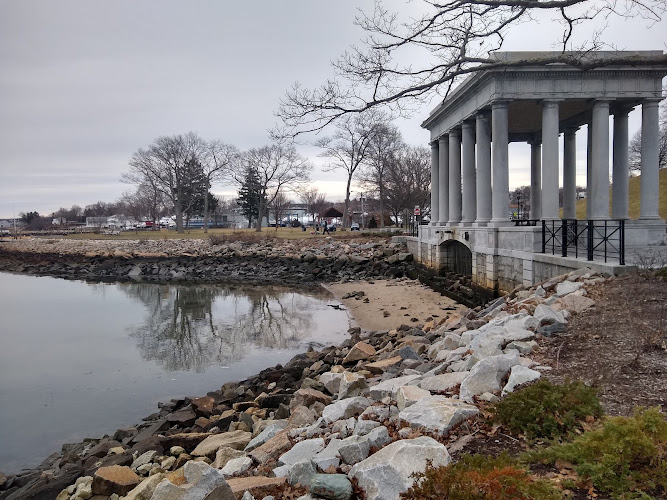
Pilgrim Memorial State Park
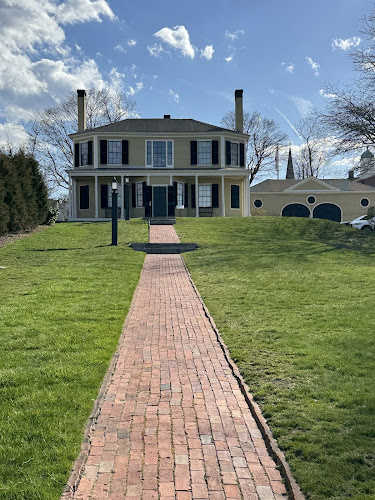
Hedge House Museum
Brewster Gardens
Find Accommodations Nearby
Recommended Tours & Activities
Visitor Reviews
There are no reviews yet. Be the first one to write one.
Share Your Experience
Have you visited Plimoth Patuxet Museums? Help other travelers by leaving a review.