Description
Penza sits in the heart of western Russia, about 630 kilometers southeast of Moscow, and honestly, it’s one of those places that doesn’t always make it onto the typical tourist radar. And that’s exactly what makes it special. This city of roughly half a million people has managed to preserve an authentic Russian character that you won’t find in the more touristy destinations. I’ve always believed that the best travel experiences happen in places where locals outnumber visitors by a significant margin, and Penza delivers on that front.
The city was founded back in 1663 as a fortress to protect Russia’s southeastern borders, which explains its strategic location. Over the centuries, it evolved from a military outpost into a cultural and industrial center that somehow maintained its provincial charm. What strikes most visitors first is how the city balances its Soviet-era architecture with older classical buildings and modern developments. It’s not trying to be something it’s not, which I find refreshing in an age where every city seems desperate to recreate itself as a tourist attraction.
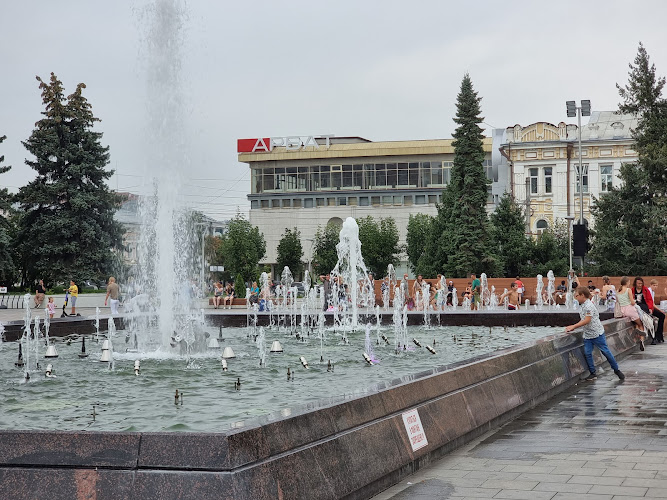
Fountain Square serves as the beating heart of Penza, where locals gather throughout the day and especially during warm evenings. The musical fountain there becomes a real gathering spot, and you’ll see families, couples, and groups of friends just enjoying themselves without the self-consciousness that comes with performing for tourists. The mosaic artwork adds a distinctly Soviet aesthetic that reminds you of the city’s recent history, while the stage hosts various performances and events that give you a genuine glimpse into contemporary Russian culture.
Key Features
- Fountain Square – The social and geographic center of the city featuring a musical fountain synchronized to music and lights, creating evening spectacles that draw crowds throughout the warmer months
- Belinsky Park – A sprawling green space named after the famous Russian literary critic Vissarion Belinsky, offering recreational activities including a challenging ropes course for adventure seekers and various children’s rides that make it popular with families
- Penza Zoo – Home to an impressive collection of wildlife including bears, lions, exotic birds, and primate species, providing an unexpected wildlife experience in the heart of western Russia
- Penza Folk Museum – A fascinating institution dedicated to preserving and showcasing Russian folklore traditions, contemporary folk art, intricate wood carvings, and beautiful ceramic pieces that represent the region’s artistic heritage
- Museum of One Painting – Perhaps the most unique cultural institution in Penza, this museum takes a revolutionary approach by displaying just one famous Russian artwork at a time, allowing visitors to fully immerse themselves in a single masterpiece without the overwhelming fatigue that comes from traditional galleries
- Provincial Russian atmosphere – The genuine, unhurried pace of life and authentic cultural experiences that come from visiting a city where tourism isn’t the primary industry
Best Time to Visit
Here’s where I need to be honest with you – Penza experiences pretty extreme temperature variations throughout the year, and your choice of when to visit will dramatically affect your experience. The city sits in a continental climate zone, which basically means hot summers and really cold winters.
Most travelers find late spring through early autumn the most comfortable period for visiting. May through September offers temperatures that range from pleasant to warm, typically between 15°C to 25°C (59°F to 77°F), though July and August can occasionally push into the upper 20s or low 30s Celsius. This is when you’ll get the most out of outdoor attractions like Belinsky Park and the zoo. The musical fountain at Fountain Square operates during this season too, which would be a shame to miss.
I’m personally drawn to visiting in late May or early June. The city shakes off its winter coat, everything’s blooming, and you get that special energy that comes with the arrival of warm weather in places with harsh winters. Plus, you’ll encounter fewer tourists than during the peak July-August period when Russian families take their summer holidays.
But don’t completely write off autumn. September and early October can be absolutely gorgeous, with fall colors transforming the parks and slightly cooler temperatures making walking around the city quite pleasant. You’ll need a jacket, sure, but the crisp air and golden leaves create a romantic atmosphere that some travelers prefer.
Winter in Penza is not for the faint of heart. Temperatures regularly drop well below freezing, sometimes reaching -20°C (-4°F) or colder. However, if you’re the adventurous type who doesn’t mind bundling up, winter Penza offers an authentic Russian winter experience without the tourist crowds. The snow-covered city takes on a different character entirely, though you’ll obviously miss out on the fountain and some outdoor attractions.
How to Get There
Getting to Penza requires a bit more effort than reaching Russia’s major tourist hubs, but that’s part of what keeps it authentic. The city is well-connected to Moscow and other major Russian cities, so you have several options depending on your preferences and budget.
Flying is the fastest option. Penza Airport serves domestic flights, primarily from Moscow. The flight takes roughly an hour and a half from the capital. Once you land, you’ll need to take a taxi or arrange transport into the city center, which sits about 15 kilometers from the airport. Just be aware that flight schedules can be limited compared to major airports, so you’ll want to book in advance and verify times.
Trains represent the traditional Russian way to travel, and honestly, taking the train to Penza gives you a much better sense of the country’s vastness and character. Multiple daily trains connect Penza with Moscow, with journey times ranging from about 11 to 14 hours depending on the service. Some travelers prefer overnight trains, which save on accommodation costs and maximize daytime hours for exploration. The train station in Penza is centrally located, making it convenient for reaching hotels and attractions.
There’s also bus service from Moscow and other cities, though I generally wouldn’t recommend it for international travelers unless you’re specifically seeking that experience. The journey takes longer than the train and isn’t necessarily more comfortable or significantly cheaper.
If you’re already in other parts of Russia, Penza’s position makes it accessible from various directions. The city sits along major transportation routes connecting Moscow with the Volga region and points further east.
Tips for Visiting
Learning at least basic Russian phrases will dramatically improve your Penza experience. Unlike Moscow or St. Petersburg where tourist infrastructure means you can often get by with English, Penza doesn’t cater to international visitors in the same way. Even simple phrases for greetings, thank you, and asking for directions will open doors and earn you appreciative smiles. Download a translation app before you arrive – your mobile data might not always work perfectly, so grab an offline dictionary too.
The Museum of One Painting deserves special mention because visitors sometimes arrive with wrong expectations. The whole concept is to spend quality time with a single masterpiece rather than rushing through galleries checking artworks off a list. Plan to spend at least 45 minutes there. Sit down, really look at the painting, let your mind wander. This isn’t a quick photo opportunity – it’s a meditation on art.
Cash remains important in Penza more so than in Russia’s larger cities. While credit cards work at major establishments, smaller shops, cafes, and market vendors often prefer or require cash. ATMs are available, but withdraw money during banking hours just in case you encounter any issues that require assistance.
The zoo is larger than you might expect, so wear comfortable walking shoes and allocate at least two to three hours for a proper visit. It gets crowded on weekends and holidays with local families, so weekday mornings offer a more relaxed experience if your schedule allows.
Belinsky Park transforms with the seasons, and locals use it year-round. Don’t assume it’s only a summer destination. Even if weather limits some activities, walking through the park gives you insight into how Russians embrace outdoor life regardless of temperature.
Food in Penza leans heavily toward traditional Russian cuisine rather than international options. This is actually wonderful if you’re willing to try local specialties. Look for restaurants serving pelmeni, blini, and borsch. The portions tend to be generous – Russian hospitality means feeding people well.
Public transportation in Penza works efficiently once you figure out the system. Buses and marshrutkas (minibuses) cover the city, and fares are incredibly cheap by Western standards. However, routes aren’t always clearly marked in English, so having your destination written in Russian or marked on a map helps tremendously.
Photography enthusiasts should know that the golden hour light in Penza, especially around Fountain Square and in Belinsky Park, creates beautiful conditions. The city’s architectural mix provides interesting subjects, from Soviet-era apartment blocks to classical buildings.
And here’s something I learned through experience – Russians in provincial cities like Penza can seem reserved initially, but they’re often incredibly generous once you make even a small effort to connect. Don’t interpret quietness as unfriendliness. A smile and attempt at Russian goes remarkably far.
Plan your museum visits around opening hours, which can vary and sometimes include unexpected closures. Having backup plans prevents disappointment if you arrive to find something closed for renovation or a special event.