
Irkutsk
About Irkutsk
Description
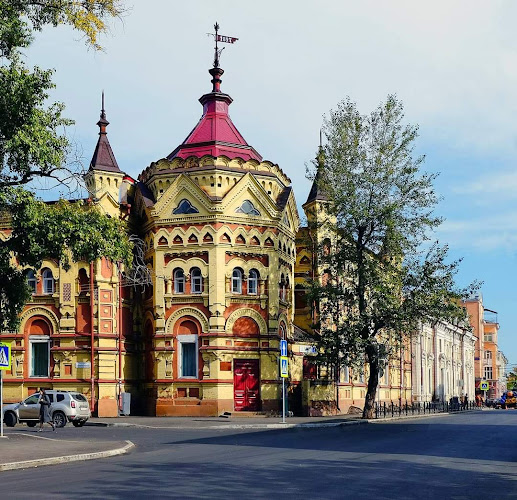
Irkutsk stands as one of Siberia's most compelling urban centers, and honestly, it's a place that catches most travelers by surprise. When people think of Siberia, they usually imagine endless frozen wilderness and not much else. But this city of nearly 600,000 people breaks that stereotype in the most wonderful way. Located in southeastern Siberia, Irkutsk has been called the "Paris of Siberia" for generations, though I'd argue it has its own distinct character that doesn't need comparison to any European capital. The city emerged as a trading post back in 1661 and quickly grew into an essential hub along the old tea routes connecting Moscow with China. Walking through the historic center today, you'll notice the incredible mix of architectural styles that tell the story of Irkutsk's evolution through centuries. And let me tell you, the preservation of these old wooden houses with their intricate lacework is something special. Many of these traditional Siberian homes still stand alongside grand stone buildings from the Imperial era, creating this fascinating urban landscape you won't find anywhere else in Russia. What makes Irkutsk particularly significant for travelers is its position as the gateway to Lake Baikal, the world's deepest and oldest freshwater lake. Most visitors use the city as their base before heading out to explore Baikal's shores, but spending time in Irkutsk itself rewards you with genuine cultural experiences. The city maintains this interesting balance between being thoroughly Russian while having distinct Siberian characteristics shaped by indigenous Buryat culture and the harsh continental climate. The Angara River flows right through the city center, and it's one of those natural features that truly shapes a place's identity. This is the only river flowing out of Lake Baikal, and watching the water rush under the bridges even in winter when everything else is frozen solid is pretty remarkable. The riverfront areas have become popular gathering spots, and during summer months you'll see locals swimming, fishing, and simply enjoying the waterside.Key Features
- Historic wooden architecture featuring traditional Siberian design with ornate window frames and decorative elements that have survived more than a century
- 130 Kvartal district, a recently restored historical quarter where old merchant houses now contain museums, cafes, and galleries showcasing local art and culture
- The Angara River flowing through the city center, providing scenic waterfront walks and the unusual sight of water remaining unfrozen even during harsh winters due to its source from deep Lake Baikal
- Proximity to Lake Baikal, just 70 kilometers away, making Irkutsk the primary staging point for visitors heading to the world's deepest lake
- Znamensky Monastery, one of Siberia's oldest Orthodox religious sites, housing the graves of notable figures from Russian history including Decembrist revolutionaries
- The main pedestrian street Uritskogo where traditional buildings mix with modern cafes and shops, offering a glimpse into contemporary Siberian urban life
- Irkutsk Regional Museum with extensive collections covering natural history, indigenous Buryat culture, and the region's development from frontier outpost to major city
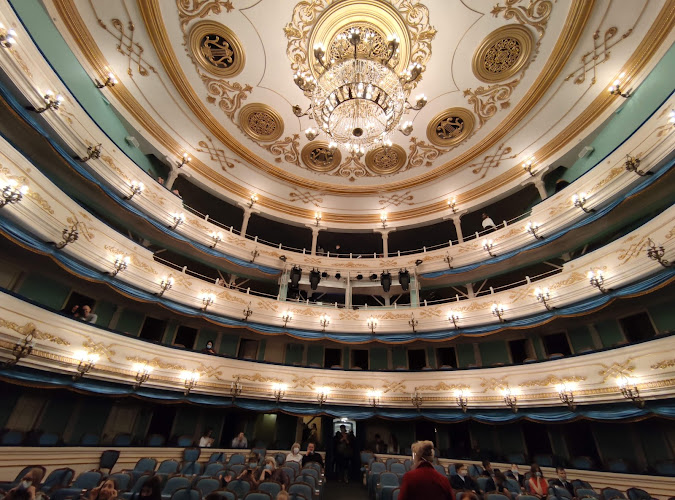
- A thriving theater scene with the Musical Theater and Drama Theater presenting performances that draw audiences from across the region
- Central Market where you can experience authentic local food culture including omul fish from Baikal and unique Siberian delicacies
- Multiple universities and research institutions that give the city a youthful energy despite its historical roots
Best Time to Visit
Here's where planning gets interesting because Irkutsk operates on extremes. The city experiences a sharply continental climate with temperature swings that'll make your head spin if you're not prepared. I've talked to travelers who visited in both summer and winter, and they practically describe two different cities. Summer months from June through August offer the most comfortable conditions for exploring. Temperatures typically range from 20 to 25 degrees Celsius, which feels absolutely perfect after the brutal winter. This is when the city truly comes alive with outdoor festivals, riverside activities, and that magical Siberian phenomenon where the sun barely sets at all. You'll have daylight until nearly midnight, giving you endless time to explore. The downside? Everyone else has the same idea, so accommodation prices peak and popular spots get crowded. But here's something most guidebooks won't tell you – late May and early September can actually be ideal times to visit. You'll catch either the excitement of spring thaw or the golden colors of early autumn, with fewer tourists and more reasonable prices. The weather stays relatively mild, though you should pack layers because temperatures can shift unexpectedly. Winter travel from December through February appeals to adventurous souls who want the full Siberian experience. Temperatures regularly drop to minus 20 or even minus 30 Celsius, and yes, it's as cold as it sounds. Yet there's something almost magical about experiencing Irkutsk under its blanket of snow and ice. The winter landscape around Lake Baikal becomes absolutely otherworldly, with the frozen lake surface transforming into a tourist attraction itself. Winter also means fewer crowds and genuine interaction with locals rather than fellow travelers. Just make sure you invest in proper winter gear – this isn't the place to skimp on warm clothing. March through May and October through November are shoulder seasons that I'd generally recommend avoiding unless you score a great deal on accommodation. Spring brings muddy conditions as snow melts, and autumn can feel depressingly grey before the proper winter snow arrives.How to Get There
Getting to Irkutsk requires some planning since we're talking about deep Siberia here, but it's more accessible than you might expect. The city maintains excellent connections with the rest of Russia and several international destinations. Flying is the most practical option for most travelers. Irkutsk International Airport serves the city with regular flights from Moscow, taking about six hours. Several Russian carriers operate this route daily, and prices vary significantly depending on season and how far in advance you book. You'll also find direct flights from other major Russian cities including St. Petersburg, Novosibirsk, and Vladivostok. International connections exist to Beijing, Seoul, and a few other Asian cities, though these tend to be less frequent. From the airport, you're looking at roughly 10 kilometers to reach the city center. Taxis are available and reasonably priced by Western standards, though having your destination written in Russian helps avoid confusion. Some hotels offer pickup services if you arrange in advance. Now, if you're romantically inclined and have time to spare, the Trans-Siberian Railway offers an unforgettable journey to Irkutsk. The train ride from Moscow takes about three and a half days covering more than 5,000 kilometers of Russian landscape. Many travelers consider this journey a highlight of their entire trip, watching the scenery gradually transform from European Russia through the Ural Mountains into endless Siberian forests. The railway station in Irkutsk is centrally located and quite grand, reflecting the importance of rail transport in Siberia's development. You can also reach Irkutsk by train from Vladivostok in the east or from various cities along the Trans-Siberian route. Train classes range from basic platskart (open dormitory cars) to more comfortable kupe (four-berth compartments) to luxurious first-class options. Booking through Russian Railways can be tricky for foreigners, but several online platforms now simplify the process. Driving to Irkutsk is technically possible but only recommended for experienced road-trippers familiar with Russian highway conditions and regulations. Distances are enormous and road quality varies dramatically outside major routes.Tips for Visiting
Getting the most out of your Irkutsk experience means preparing for aspects of travel that differ significantly from what you'd encounter in Western Europe or North America. Let me share some practical insights that'll save you headaches. First and foremost, sort out your Russian visa well before traveling. Russia's visa system remains somewhat complicated, requiring an official invitation and specific documentation. Start this process at least a month before your planned departure, preferably longer. Once in Irkutsk, you'll need to register your stay if you're there more than seven business days, which hotels typically handle automatically but something to verify with any private accommodation. Language presents a real challenge in Irkutsk since English isn't widely spoken outside tourist-focused businesses. Download offline translation apps and consider learning basic Russian phrases – even attempts at speaking Russian are generally appreciated by locals. Having your hotel address and key destinations written in Cyrillic helps enormously when communicating with taxi drivers or asking directions. Currency matters here because credit cards aren't universally accepted despite what you might expect in a city this size. Bring sufficient cash and exchange it at official exchange points rather than the airport for better rates. ATMs are common in the city center, but inform your bank about travel to Russia beforehand to avoid blocked cards. Dress appropriately for the climate regardless of when you visit. Winter demands serious cold-weather gear including insulated boots, thermal layers, and a proper winter coat rated for extreme temperatures. Locals might joke about tourists bundled up excessively, but hypothermia isn't funny. Summer clothing should include layers since evenings cool down considerably even in July. Public transportation in Irkutsk functions efficiently once you understand the system. Marshrutkas (minibuses) and trams cover most of the city at minimal cost. Routes can be confusing for newcomers, so don't hesitate to ask fellow passengers for help – Russians often appear stern but frequently assist lost travelers. Water quality varies, and many visitors prefer sticking to bottled water to avoid stomach issues. The local tap water is generally safe for Russians accustomed to it, but foreign systems might react differently. Take time to wander beyond the obvious tourist sites. Some of my favorite Irkutsk moments came from simply exploring residential neighborhoods, discovering small cafes, and observing daily life. The city reveals itself gradually to those willing to explore without rigid plans. Respect local customs particularly around religious sites. Orthodox churches welcome visitors but expect modest dress and quiet behavior. Photography inside churches often isn't permitted without asking first. Finally, embrace the fact that Irkutsk operates at its own pace. Services might move slower than you're accustomed to, communication can be challenging, and things don't always work as expected. That's part of the experience of visiting deep Siberia. Patience and humor go a long way in making your visit memorable for the right reasons.Key Features
- Well-preserved wooden merchant architecture and historic centre
- Cultural institutions: museums, theaters and Decembrist-era sites
- Riverside promenade along the Angara River
- Gateway city for excursions to Lake Baikal and Olkhon Island
- Vibrant markets, cafes and regional Siberian cuisine
More Details
Updated March 30, 2026
Table of Contents
Description
Irkutsk stands as one of Siberia’s most compelling urban centers, and honestly, it’s a place that catches most travelers by surprise. When people think of Siberia, they usually imagine endless frozen wilderness and not much else. But this city of nearly 600,000 people breaks that stereotype in the most wonderful way. Located in southeastern Siberia, Irkutsk has been called the “Paris of Siberia” for generations, though I’d argue it has its own distinct character that doesn’t need comparison to any European capital.
The city emerged as a trading post back in 1661 and quickly grew into an essential hub along the old tea routes connecting Moscow with China. Walking through the historic center today, you’ll notice the incredible mix of architectural styles that tell the story of Irkutsk’s evolution through centuries. And let me tell you, the preservation of these old wooden houses with their intricate lacework is something special. Many of these traditional Siberian homes still stand alongside grand stone buildings from the Imperial era, creating this fascinating urban landscape you won’t find anywhere else in Russia.
What makes Irkutsk particularly significant for travelers is its position as the gateway to Lake Baikal, the world’s deepest and oldest freshwater lake. Most visitors use the city as their base before heading out to explore Baikal’s shores, but spending time in Irkutsk itself rewards you with genuine cultural experiences. The city maintains this interesting balance between being thoroughly Russian while having distinct Siberian characteristics shaped by indigenous Buryat culture and the harsh continental climate.
The Angara River flows right through the city center, and it’s one of those natural features that truly shapes a place’s identity. This is the only river flowing out of Lake Baikal, and watching the water rush under the bridges even in winter when everything else is frozen solid is pretty remarkable. The riverfront areas have become popular gathering spots, and during summer months you’ll see locals swimming, fishing, and simply enjoying the waterside.
Key Features
- Historic wooden architecture featuring traditional Siberian design with ornate window frames and decorative elements that have survived more than a century
- 130 Kvartal district, a recently restored historical quarter where old merchant houses now contain museums, cafes, and galleries showcasing local art and culture
- The Angara River flowing through the city center, providing scenic waterfront walks and the unusual sight of water remaining unfrozen even during harsh winters due to its source from deep Lake Baikal
- Proximity to Lake Baikal, just 70 kilometers away, making Irkutsk the primary staging point for visitors heading to the world’s deepest lake
- Znamensky Monastery, one of Siberia’s oldest Orthodox religious sites, housing the graves of notable figures from Russian history including Decembrist revolutionaries
- The main pedestrian street Uritskogo where traditional buildings mix with modern cafes and shops, offering a glimpse into contemporary Siberian urban life
- Irkutsk Regional Museum with extensive collections covering natural history, indigenous Buryat culture, and the region’s development from frontier outpost to major city
- A thriving theater scene with the Musical Theater and Drama Theater presenting performances that draw audiences from across the region
- Central Market where you can experience authentic local food culture including omul fish from Baikal and unique Siberian delicacies
- Multiple universities and research institutions that give the city a youthful energy despite its historical roots
Best Time to Visit
Here’s where planning gets interesting because Irkutsk operates on extremes. The city experiences a sharply continental climate with temperature swings that’ll make your head spin if you’re not prepared. I’ve talked to travelers who visited in both summer and winter, and they practically describe two different cities.
Summer months from June through August offer the most comfortable conditions for exploring. Temperatures typically range from 20 to 25 degrees Celsius, which feels absolutely perfect after the brutal winter. This is when the city truly comes alive with outdoor festivals, riverside activities, and that magical Siberian phenomenon where the sun barely sets at all. You’ll have daylight until nearly midnight, giving you endless time to explore. The downside? Everyone else has the same idea, so accommodation prices peak and popular spots get crowded.
But here’s something most guidebooks won’t tell you – late May and early September can actually be ideal times to visit. You’ll catch either the excitement of spring thaw or the golden colors of early autumn, with fewer tourists and more reasonable prices. The weather stays relatively mild, though you should pack layers because temperatures can shift unexpectedly.
Winter travel from December through February appeals to adventurous souls who want the full Siberian experience. Temperatures regularly drop to minus 20 or even minus 30 Celsius, and yes, it’s as cold as it sounds. Yet there’s something almost magical about experiencing Irkutsk under its blanket of snow and ice. The winter landscape around Lake Baikal becomes absolutely otherworldly, with the frozen lake surface transforming into a tourist attraction itself. Winter also means fewer crowds and genuine interaction with locals rather than fellow travelers. Just make sure you invest in proper winter gear – this isn’t the place to skimp on warm clothing.
March through May and October through November are shoulder seasons that I’d generally recommend avoiding unless you score a great deal on accommodation. Spring brings muddy conditions as snow melts, and autumn can feel depressingly grey before the proper winter snow arrives.
How to Get There
Getting to Irkutsk requires some planning since we’re talking about deep Siberia here, but it’s more accessible than you might expect. The city maintains excellent connections with the rest of Russia and several international destinations.
Flying is the most practical option for most travelers. Irkutsk International Airport serves the city with regular flights from Moscow, taking about six hours. Several Russian carriers operate this route daily, and prices vary significantly depending on season and how far in advance you book. You’ll also find direct flights from other major Russian cities including St. Petersburg, Novosibirsk, and Vladivostok. International connections exist to Beijing, Seoul, and a few other Asian cities, though these tend to be less frequent.
From the airport, you’re looking at roughly 10 kilometers to reach the city center. Taxis are available and reasonably priced by Western standards, though having your destination written in Russian helps avoid confusion. Some hotels offer pickup services if you arrange in advance.
Now, if you’re romantically inclined and have time to spare, the Trans-Siberian Railway offers an unforgettable journey to Irkutsk. The train ride from Moscow takes about three and a half days covering more than 5,000 kilometers of Russian landscape. Many travelers consider this journey a highlight of their entire trip, watching the scenery gradually transform from European Russia through the Ural Mountains into endless Siberian forests. The railway station in Irkutsk is centrally located and quite grand, reflecting the importance of rail transport in Siberia’s development.
You can also reach Irkutsk by train from Vladivostok in the east or from various cities along the Trans-Siberian route. Train classes range from basic platskart (open dormitory cars) to more comfortable kupe (four-berth compartments) to luxurious first-class options. Booking through Russian Railways can be tricky for foreigners, but several online platforms now simplify the process.
Driving to Irkutsk is technically possible but only recommended for experienced road-trippers familiar with Russian highway conditions and regulations. Distances are enormous and road quality varies dramatically outside major routes.
Tips for Visiting
Getting the most out of your Irkutsk experience means preparing for aspects of travel that differ significantly from what you’d encounter in Western Europe or North America. Let me share some practical insights that’ll save you headaches.
First and foremost, sort out your Russian visa well before traveling. Russia’s visa system remains somewhat complicated, requiring an official invitation and specific documentation. Start this process at least a month before your planned departure, preferably longer. Once in Irkutsk, you’ll need to register your stay if you’re there more than seven business days, which hotels typically handle automatically but something to verify with any private accommodation.
Language presents a real challenge in Irkutsk since English isn’t widely spoken outside tourist-focused businesses. Download offline translation apps and consider learning basic Russian phrases – even attempts at speaking Russian are generally appreciated by locals. Having your hotel address and key destinations written in Cyrillic helps enormously when communicating with taxi drivers or asking directions.
Currency matters here because credit cards aren’t universally accepted despite what you might expect in a city this size. Bring sufficient cash and exchange it at official exchange points rather than the airport for better rates. ATMs are common in the city center, but inform your bank about travel to Russia beforehand to avoid blocked cards.
Dress appropriately for the climate regardless of when you visit. Winter demands serious cold-weather gear including insulated boots, thermal layers, and a proper winter coat rated for extreme temperatures. Locals might joke about tourists bundled up excessively, but hypothermia isn’t funny. Summer clothing should include layers since evenings cool down considerably even in July.
Public transportation in Irkutsk functions efficiently once you understand the system. Marshrutkas (minibuses) and trams cover most of the city at minimal cost. Routes can be confusing for newcomers, so don’t hesitate to ask fellow passengers for help – Russians often appear stern but frequently assist lost travelers.
Water quality varies, and many visitors prefer sticking to bottled water to avoid stomach issues. The local tap water is generally safe for Russians accustomed to it, but foreign systems might react differently.
Take time to wander beyond the obvious tourist sites. Some of my favorite Irkutsk moments came from simply exploring residential neighborhoods, discovering small cafes, and observing daily life. The city reveals itself gradually to those willing to explore without rigid plans.
Respect local customs particularly around religious sites. Orthodox churches welcome visitors but expect modest dress and quiet behavior. Photography inside churches often isn’t permitted without asking first.
Finally, embrace the fact that Irkutsk operates at its own pace. Services might move slower than you’re accustomed to, communication can be challenging, and things don’t always work as expected. That’s part of the experience of visiting deep Siberia. Patience and humor go a long way in making your visit memorable for the right reasons.
Key Highlights
- Well-preserved wooden merchant architecture and historic centre
- Cultural institutions: museums, theaters and Decembrist-era sites
- Riverside promenade along the Angara River
- Gateway city for excursions to Lake Baikal and Olkhon Island
- Vibrant markets, cafes and regional Siberian cuisine
Location
Places to Stay Near Irkutsk
Find and Book a Tour
Explore More Travel Guides
No reviews found! Be the first to review!
Irkutsk is a prominent Attractions located in Irkutsk.
Traveler Reviews for Irkutsk
There are no reviews yet. Be the first one to write one.
Have you visited Irkutsk? Help other travelers by sharing your review.
Nearby Attractions
You Might Also Like
Irkutskiy Akademicheskiy Dramaticheskiy Teatr Imeni N.p. Okhlopkova
Baikal Museum gems
House Museum of Prince Sergey Volkonsky
Find Accommodations Nearby
Recommended Tours & Activities
Visitor Reviews
There are no reviews yet. Be the first one to write one.
Share Your Experience
Have you visited Irkutsk? Help other travelers by leaving a review.