
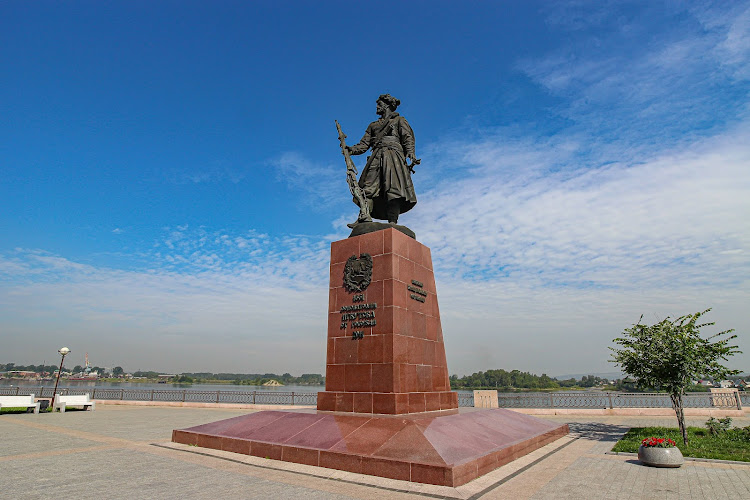
Yakov Pokhabov, Pamyatnik
About Yakov Pokhabov, Pamyatnik
Description
The Yakov Pokhabov Monument stands as a testament to local heritage and the enduring spirit of remembrance that defines many communities across Russia. This historical landmark pays tribute to an individual whose contributions have resonated through generations, though admittedly, the specifics of Pokhabov's life might not be immediately familiar to international travelers. And that's part of what makes visiting such monuments fascinating—you're stepping into a narrative that locals hold dear, even if guidebooks haven't caught up yet. What strikes most visitors first is the monument's presence within its surroundings. It's not one of those overpowering structures that demands attention through sheer size alone. Instead, there's something genuine about how it occupies its space, inviting contemplation rather than just quick photo opportunities. The craftsmanship reflects traditional monument-making techniques, and you can tell that thought went into creating something meant to last. I remember chatting with a local resident during my travels who mentioned how monuments like this serve as gathering points for the community during commemorative dates. They're not just static objects for tourists to check off lists—they're living parts of the urban landscape where history intersects with daily life. The monument has clearly struck a chord with visitors, with the vast majority finding the experience worthwhile and the site well-maintained. For travelers seeking authentic cultural experiences beyond the usual tourist circuits, this monument offers exactly that kind of opportunity. It represents a chance to engage with local history on terms that aren't mediated through international tourism marketing. You won't find crowds of tour buses here, which honestly makes the experience more meaningful. But you will find a place that residents respect and visitors increasingly appreciate for its historical significance and peaceful atmosphere.Key Features
- Wheelchair accessible entrance ensures the monument welcomes visitors of all mobility levels, making it an inclusive destination for families and travelers with diverse accessibility needs
- Family-friendly environment perfectly suited for educational visits with children, offering opportunities to teach younger generations about historical figures and the importance of remembrance
- Traditional monument architecture that reflects regional artistic styles and construction methods common to commemorative structures in the area
- Peaceful setting that provides a quiet space for reflection away from busier tourist attractions, ideal for contemplative travelers
- Authentic local experience where you're more likely to encounter residents going about their daily routines than organized tour groups
- Well-maintained grounds that demonstrate ongoing community care and respect for the memorial site
- Photography opportunities that capture both the monument itself and the character of the surrounding neighborhood
- Cultural insight into how communities honor their historical figures and maintain connections to their past
- Convenient location that can be easily incorporated into broader explorations of the area without requiring extensive detours
Best Time to Visit
Timing your visit to the Yakov Pokhabov Monument depends largely on what kind of experience you're after. If you're like me and prefer experiencing places without crowds, early morning hours typically offer the most solitude. The monument doesn't operate on restricted hours since it's an outdoor memorial, which gives you flexibility that indoor attractions simply can't match. Spring and early autumn present ideal weather conditions for visiting. You'll avoid the harsh winter cold that can make extended outdoor visits uncomfortable, and the summer heat won't leave you searching for shade. April through June and September through early October tend to be sweet spots when temperatures are moderate and the surrounding area looks its best. That said, winter visits have their own appeal. There's something about monuments covered in fresh snow that adds an extra layer of solemnity and beauty to the experience. Just dress appropriately—and I mean really dress for it, because standing still while examining a monument in sub-zero temperatures is different from walking briskly through cold weather. For those interested in experiencing the monument when it holds special significance for locals, commemorative dates associated with Yakov Pokhabov would be worth researching. These occasions often bring community members together, and while you might encounter more people, you'll also witness how the monument functions as a living memorial rather than just a static attraction. Weekday visits generally offer quieter experiences than weekends, though this monument doesn't typically draw massive crowds regardless. The lighting throughout the day changes the monument's appearance considerably, so photography enthusiasts might want to visit at different times to capture various moods—golden hour produces particularly striking results.How to Get There
Getting to the Yakov Pokhabov Monument requires some local knowledge, but that's part of the adventure. Unlike major tourist attractions with dedicated transportation routes, reaching this historical landmark means navigating like residents do, which honestly provides more authentic travel experiences anyway. Public transportation represents your most practical option if you're staying elsewhere in the city. Local buses serve the area, though you'll need to familiarize yourself with route numbers and stops beforehand. The good news is that most transportation apps work reasonably well in the region, and asking locals for directions usually yields helpful responses. Russians appreciate when foreigners make genuine efforts to navigate their cities independently. For those comfortable with ride-sharing services, this method eliminates navigation stress and delivers you directly to the monument. Just make sure your driver understands exactly where you're headed—having the monument's name written in Cyrillic can prevent miscommunications. I've learned this lesson the hard way more times than I care to admit. Walking to the monument works well if your accommodation is reasonably close. This approach lets you absorb the neighborhood's character and stumble upon unexpected discoveries along the way. Bring comfortable shoes and allow extra time for getting slightly lost, which will probably happen but shouldn't stress you out. Some of my best travel memories come from wrong turns that led to unplanned adventures. Cycling offers another viable option in warmer months, assuming you're comfortable navigating traffic patterns that might differ from what you're accustomed to back home. Many cities now offer bike-sharing programs that make this increasingly accessible for short-term visitors. Taxi services remain available, though costs vary depending on your starting point. Always agree on pricing beforehand or ensure the meter is running to avoid disputes later. Most drivers are honest, but establishing expectations upfront prevents misunderstandings.Tips for Visiting
Approaching your visit thoughtfully makes all the difference between a forgettable stop and a meaningful experience. First off, do some basic research about Yakov Pokhabov before you arrive. Understanding who he was and why the community erected this monument in his honor transforms your visit from simply seeing a statue to connecting with actual history. Even a quick read through available materials enriches what you'll observe. Dress respectfully when visiting. While this isn't a religious site requiring specific clothing, it is a memorial that locals hold in regard. Avoid overly casual attire that might seem dismissive of the monument's significance. This consideration goes a long way in demonstrating cultural awareness. Bring weather-appropriate gear since you'll be outdoors. That means sun protection during warmer months and proper layering when temperatures drop. Don't let preventable discomfort cut your visit short—I once spent barely five minutes at a monument because I'd underestimated how cold it would be, and I've regretted that rushed experience ever since. Photography is generally acceptable, but be mindful of your surroundings. If locals are present for memorial purposes, exercise discretion about when and how you take photos. The monument exists primarily for remembrance, not as a backdrop for your vacation pics, so maintaining that perspective shows respect. Consider visiting with a local guide or at least someone who speaks the language if you want deeper insights. Plaques and inscriptions are likely in Russian, and having someone who can translate adds layers of understanding you'd otherwise miss. Plus, locals often know stories and details that never make it into official descriptions. Take your time. Modern travel culture pushes us toward checking off lists and rushing to the next destination, but monuments reward patient observation. Notice the details in the craftsmanship, observe how light plays across surfaces, and let yourself actually think about what this place represents. The wheelchair accessible entrance means visitors with mobility challenges can experience the monument fully, which is genuinely commendable. However, check current ground conditions, especially after rain or snow, as even accessible paths can become challenging under certain weather conditions. If you're visiting with children, prepare some age-appropriate context beforehand. Kids benefit from understanding why places matter, and framing the visit as a story rather than just "looking at a statue" keeps their interest. The site's kid-friendly designation suggests others have successfully brought young ones along. Finally, consider leaving the monument area as you found it. This sounds obvious, but keeping the space clean and undisturbed demonstrates appreciation for the privilege of visiting. Small actions like properly disposing of any trash or being careful not to damage surrounding areas contribute to preserving the site for future visitors. Connecting with places like the Yakov Pokhabov Monument represents what travel should be about—stepping outside familiar comfort zones to engage with how other communities remember, honor, and maintain their histories. It won't be the flashiest destination you'll visit, but it might well be among the most genuine.Key Features
- Riverside location on Ulitsa Nizhnyaya Naberezhnaya with Angara River views
- Figurative sculpture honoring Yakov Pokhabov and local heritage
- Plaque/inscription providing historical context (Russian language)
- Well-maintained small plaza suitable for photos and quiet reflection
- Close integration with pedestrian promenade and seasonal public events
More Details
Updated March 30, 2026
Table of Contents
Description
The Yakov Pokhabov Monument stands as a testament to local heritage and the enduring spirit of remembrance that defines many communities across Russia. This historical landmark pays tribute to an individual whose contributions have resonated through generations, though admittedly, the specifics of Pokhabov’s life might not be immediately familiar to international travelers. And that’s part of what makes visiting such monuments fascinating—you’re stepping into a narrative that locals hold dear, even if guidebooks haven’t caught up yet.
What strikes most visitors first is the monument’s presence within its surroundings. It’s not one of those overpowering structures that demands attention through sheer size alone. Instead, there’s something genuine about how it occupies its space, inviting contemplation rather than just quick photo opportunities. The craftsmanship reflects traditional monument-making techniques, and you can tell that thought went into creating something meant to last.
I remember chatting with a local resident during my travels who mentioned how monuments like this serve as gathering points for the community during commemorative dates. They’re not just static objects for tourists to check off lists—they’re living parts of the urban landscape where history intersects with daily life. The monument has clearly struck a chord with visitors, with the vast majority finding the experience worthwhile and the site well-maintained.
For travelers seeking authentic cultural experiences beyond the usual tourist circuits, this monument offers exactly that kind of opportunity. It represents a chance to engage with local history on terms that aren’t mediated through international tourism marketing. You won’t find crowds of tour buses here, which honestly makes the experience more meaningful. But you will find a place that residents respect and visitors increasingly appreciate for its historical significance and peaceful atmosphere.
Key Features
- Wheelchair accessible entrance ensures the monument welcomes visitors of all mobility levels, making it an inclusive destination for families and travelers with diverse accessibility needs
- Family-friendly environment perfectly suited for educational visits with children, offering opportunities to teach younger generations about historical figures and the importance of remembrance
- Traditional monument architecture that reflects regional artistic styles and construction methods common to commemorative structures in the area
- Peaceful setting that provides a quiet space for reflection away from busier tourist attractions, ideal for contemplative travelers
- Authentic local experience where you’re more likely to encounter residents going about their daily routines than organized tour groups
- Well-maintained grounds that demonstrate ongoing community care and respect for the memorial site
- Photography opportunities that capture both the monument itself and the character of the surrounding neighborhood
- Cultural insight into how communities honor their historical figures and maintain connections to their past
- Convenient location that can be easily incorporated into broader explorations of the area without requiring extensive detours
Best Time to Visit
Timing your visit to the Yakov Pokhabov Monument depends largely on what kind of experience you’re after. If you’re like me and prefer experiencing places without crowds, early morning hours typically offer the most solitude. The monument doesn’t operate on restricted hours since it’s an outdoor memorial, which gives you flexibility that indoor attractions simply can’t match.
Spring and early autumn present ideal weather conditions for visiting. You’ll avoid the harsh winter cold that can make extended outdoor visits uncomfortable, and the summer heat won’t leave you searching for shade. April through June and September through early October tend to be sweet spots when temperatures are moderate and the surrounding area looks its best.
That said, winter visits have their own appeal. There’s something about monuments covered in fresh snow that adds an extra layer of solemnity and beauty to the experience. Just dress appropriately—and I mean really dress for it, because standing still while examining a monument in sub-zero temperatures is different from walking briskly through cold weather.
For those interested in experiencing the monument when it holds special significance for locals, commemorative dates associated with Yakov Pokhabov would be worth researching. These occasions often bring community members together, and while you might encounter more people, you’ll also witness how the monument functions as a living memorial rather than just a static attraction.
Weekday visits generally offer quieter experiences than weekends, though this monument doesn’t typically draw massive crowds regardless. The lighting throughout the day changes the monument’s appearance considerably, so photography enthusiasts might want to visit at different times to capture various moods—golden hour produces particularly striking results.
How to Get There
Getting to the Yakov Pokhabov Monument requires some local knowledge, but that’s part of the adventure. Unlike major tourist attractions with dedicated transportation routes, reaching this historical landmark means navigating like residents do, which honestly provides more authentic travel experiences anyway.
Public transportation represents your most practical option if you’re staying elsewhere in the city. Local buses serve the area, though you’ll need to familiarize yourself with route numbers and stops beforehand. The good news is that most transportation apps work reasonably well in the region, and asking locals for directions usually yields helpful responses. Russians appreciate when foreigners make genuine efforts to navigate their cities independently.
For those comfortable with ride-sharing services, this method eliminates navigation stress and delivers you directly to the monument. Just make sure your driver understands exactly where you’re headed—having the monument’s name written in Cyrillic can prevent miscommunications. I’ve learned this lesson the hard way more times than I care to admit.
Walking to the monument works well if your accommodation is reasonably close. This approach lets you absorb the neighborhood’s character and stumble upon unexpected discoveries along the way. Bring comfortable shoes and allow extra time for getting slightly lost, which will probably happen but shouldn’t stress you out. Some of my best travel memories come from wrong turns that led to unplanned adventures.
Cycling offers another viable option in warmer months, assuming you’re comfortable navigating traffic patterns that might differ from what you’re accustomed to back home. Many cities now offer bike-sharing programs that make this increasingly accessible for short-term visitors.
Taxi services remain available, though costs vary depending on your starting point. Always agree on pricing beforehand or ensure the meter is running to avoid disputes later. Most drivers are honest, but establishing expectations upfront prevents misunderstandings.
Tips for Visiting
Approaching your visit thoughtfully makes all the difference between a forgettable stop and a meaningful experience. First off, do some basic research about Yakov Pokhabov before you arrive. Understanding who he was and why the community erected this monument in his honor transforms your visit from simply seeing a statue to connecting with actual history. Even a quick read through available materials enriches what you’ll observe.
Dress respectfully when visiting. While this isn’t a religious site requiring specific clothing, it is a memorial that locals hold in regard. Avoid overly casual attire that might seem dismissive of the monument’s significance. This consideration goes a long way in demonstrating cultural awareness.
Bring weather-appropriate gear since you’ll be outdoors. That means sun protection during warmer months and proper layering when temperatures drop. Don’t let preventable discomfort cut your visit short—I once spent barely five minutes at a monument because I’d underestimated how cold it would be, and I’ve regretted that rushed experience ever since.
Photography is generally acceptable, but be mindful of your surroundings. If locals are present for memorial purposes, exercise discretion about when and how you take photos. The monument exists primarily for remembrance, not as a backdrop for your vacation pics, so maintaining that perspective shows respect.
Consider visiting with a local guide or at least someone who speaks the language if you want deeper insights. Plaques and inscriptions are likely in Russian, and having someone who can translate adds layers of understanding you’d otherwise miss. Plus, locals often know stories and details that never make it into official descriptions.
Take your time. Modern travel culture pushes us toward checking off lists and rushing to the next destination, but monuments reward patient observation. Notice the details in the craftsmanship, observe how light plays across surfaces, and let yourself actually think about what this place represents.
The wheelchair accessible entrance means visitors with mobility challenges can experience the monument fully, which is genuinely commendable. However, check current ground conditions, especially after rain or snow, as even accessible paths can become challenging under certain weather conditions.
If you’re visiting with children, prepare some age-appropriate context beforehand. Kids benefit from understanding why places matter, and framing the visit as a story rather than just “looking at a statue” keeps their interest. The site’s kid-friendly designation suggests others have successfully brought young ones along.
Finally, consider leaving the monument area as you found it. This sounds obvious, but keeping the space clean and undisturbed demonstrates appreciation for the privilege of visiting. Small actions like properly disposing of any trash or being careful not to damage surrounding areas contribute to preserving the site for future visitors.
Connecting with places like the Yakov Pokhabov Monument represents what travel should be about—stepping outside familiar comfort zones to engage with how other communities remember, honor, and maintain their histories. It won’t be the flashiest destination you’ll visit, but it might well be among the most genuine.
Key Highlights
- Riverside location on Ulitsa Nizhnyaya Naberezhnaya with Angara River views
- Figurative sculpture honoring Yakov Pokhabov and local heritage
- Plaque/inscription providing historical context (Russian language)
- Well-maintained small plaza suitable for photos and quiet reflection
- Close integration with pedestrian promenade and seasonal public events
Location
Places to Stay Near Yakov Pokhabov, Pamyatnik
Find and Book a Tour
Explore More Travel Guides
No reviews found! Be the first to review!
Yakov Pokhabov, Pamyatnik is a prominent attractions located in Irkutsk.
Visit us at: Ulitsa Nizhnyaya Naberezhnaya, 2, Irkutsk, Irkutsk Oblast, Russia, 664011.
Traveler Reviews for Yakov Pokhabov, Pamyatnik
There are no reviews yet. Be the first one to write one.
Have you visited Yakov Pokhabov, Pamyatnik? Help other travelers by sharing your review.
Nearby Attractions
You Might Also Like
Irkutskiy Oblastnoy Istoriko-Memorial
Иркутский областной художественный музей им. В.П. Сукачева
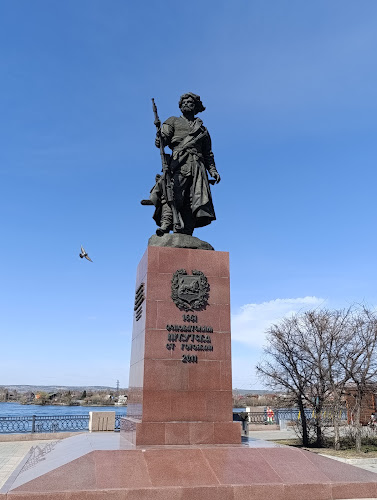
Nizhnyaya Naberezhnaya Angary
Find Accommodations Nearby
Recommended Tours & Activities
Visitor Reviews
There are no reviews yet. Be the first one to write one.
Share Your Experience
Have you visited Yakov Pokhabov, Pamyatnik? Help other travelers by leaving a review.