
Tank «Irkutsk Komsomolets»
About Tank «Irkutsk Komsomolets»
Description
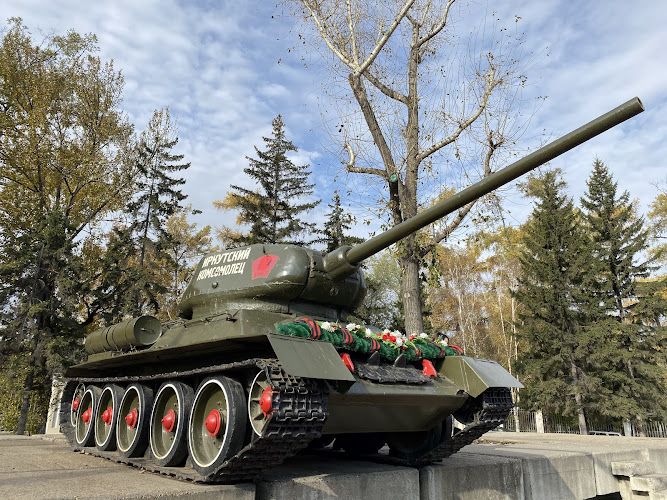
The Tank «Irkutsk Komsomolets» stands as a powerful reminder of Russia's wartime history, positioned as a memorial that draws both history enthusiasts and curious travelers to its weathered steel frame. This isn't your typical museum piece tucked safely behind glass—it's an actual T-34 tank that participated in World War II, now serving as a monument to the courage and sacrifice of those who fought during one of humanity's darkest chapters. I've always found something deeply moving about standing next to these massive war machines. There's this weight to them, not just physical but emotional too. The tank represents the contribution of Irkutsk's Komsomol youth organization, who helped fund and build military equipment during the Great Patriotic War, which is what Russians call World War II. And honestly, when you're standing there looking at the real thing, history stops being just dates in a textbook and becomes something you can almost touch. The monument serves multiple purposes for visitors. It's a place of reflection, a photo opportunity, and an educational experience all rolled into one. Families bring their children here to teach them about their country's history, veterans come to remember fallen comrades, and travelers like yourself can gain insight into how deeply the war affected this Siberian city. The tank itself shows its age and battle scars, which somehow makes it more authentic than a pristine restoration would be. What strikes most visitors is the sheer size of the thing. Tanks always look smaller in movies, but when you're standing beside one, you realize just how formidable these machines were on the battlefield. The memorial has become a gathering point for Victory Day celebrations each May 9th, when locals come together to honor those who served.Key Features
The Tank «Irkutsk Komsomolets» offers several distinctive elements that make it worth including in your Irkutsk itinerary: • An authentic T-34 tank that saw actual combat during World War II, not a replica or reproduction • A memorial dedicated specifically to the Komsomol youth organization's contribution to the war effort • Historical plaques and information boards that provide context about Irkutsk's role in supporting the Soviet military during wartime • An open-air setting that allows visitors to walk around the tank and examine it from all angles • A popular spot for Victory Day commemorations and other patriotic celebrations throughout the year • Good accessibility for families with children who are interested in military history • Free admission, making it an budget-friendly stop for travelers • Opportunities for photography, particularly for those interested in military equipment or Soviet-era monuments • Location that's relatively easy to find and incorporate into a broader city tour • A genuine piece of local pride that reflects Irkutsk's contribution to the Soviet war machine during the 1940sBest Time to Visit
Timing your visit to the Tank «Irkutsk Komsomolets» depends largely on what kind of experience you're after and how much cold you can tolerate. Let me be straight with you—Irkutsk winters are brutal, with temperatures regularly dropping to minus 20 or 30 degrees Celsius. But there's something almost poetic about seeing a wartime tank covered in frost and snow, standing sentinel through another harsh Siberian winter. Summer months from June through August offer the most comfortable conditions for visiting. You'll have long daylight hours, temperatures that actually feel pleasant (usually between 15-25 degrees Celsius), and you won't need to bundle up in multiple layers just to take a photo. The ground around the memorial is accessible, and you can take your time examining the details without your fingers going numb. May 9th stands out as the most significant date to visit if you want to witness the tank in its full cultural context. Victory Day is huge in Russia, and the memorial becomes a focal point for ceremonies, flowers, and gatherings of veterans and their families. You'll see the tank decorated with ribbons and surrounded by people paying their respects. It's moving, really. But be prepared for crowds if you come on this date. Spring (April to May) and fall (September to October) present middle-ground options. The weather's manageable, though you'll want a decent jacket. These shoulder seasons mean fewer tourists too, so you might have the memorial more to yourself. I personally think there's something special about visiting historical war monuments when it's a bit grey and overcast—somehow fits the mood better than bright sunshine. Winter visits from November through March are for the hardcore history buffs or those who don't mind serious cold. The upside? You'll definitely have the place to yourself most days. Just dress appropriately with proper winter gear, and don't plan to spend more than 15-20 minutes outside unless you're particularly fond of frostbite.How to Get There
Getting to the Tank «Irkutsk Komsomolets» requires some basic navigation skills, but it's not rocket science. Irkutsk isn't a massive metropolis where you'll get hopelessly lost, and the memorial's location makes it accessible through several transportation options. Public transportation serves the area reasonably well. Several marshrutka routes (those iconic Russian minibuses) pass near the memorial, and they're incredibly cheap—usually just a few dozen rubles for a ride. The challenge for foreign visitors is that route numbers and stops aren't always clearly marked in English, so having your destination written in Russian on your phone can be a lifesaver. Show it to the driver or locals, and they'll generally help you out. Russians might seem stern at first, but they're surprisingly helpful when you're obviously trying to figure things out. Taxis and ride-sharing services like Yandex Taxi work well in Irkutsk and won't break the bank compared to Western prices. You can use the app in English, and the drivers will get you there without any language barriers becoming a problem. This is probably your easiest option if you're not confident about navigating public transit in a foreign country. Walking to the memorial is possible if you're staying in central Irkutsk, though the distance depends on your exact hotel location. The city is fairly walkable during warmer months, and you'll get to see more of the local architecture and daily life. Just make sure you have a good offline map on your phone because internet can be spotty if you're relying on tourist SIM cards. For those renting a car (which I generally don't recommend in Russian cities unless you're experienced with local driving habits), parking near the memorial exists but isn't specifically designated for wheelchair users. The entrance itself isn't wheelchair accessible, which is worth noting if you're traveling with someone who has mobility challenges.Tips for Visiting
Here's where I share some practical wisdom from someone who's learned that visiting Soviet-era monuments requires a slightly different approach than your typical tourist attraction. First thing—dress appropriately for the weather, even more than you think you need to. I can't stress this enough. Irkutsk weather can change quickly, and standing around a metal tank in an open area means you're exposed to wind and elements. Even in summer, bring a light jacket because evenings can get cool. The memorial doesn't have facilities, bathrooms, or a gift shop. This isn't a commercial operation with amenities—it's a genuine memorial. Plan accordingly. Use the restroom before you head out, and bring any snacks or drinks you might want with you. Photography is generally welcomed and expected. Don't feel shy about taking pictures, though I'd suggest being respectful if there are veterans or locals paying their respects. Maybe not the best time for selfie sticks and goofy poses when someone's grandmother is laying flowers in memory of her father. Use common sense and read the room. If you're traveling with kids, this can actually be a great educational opportunity. The tank is impressive enough to hold children's attention, and it's something tangible they can see and (usually) touch rather than just another painting in a museum. But keep an eye on them—these are historical monuments, not playground equipment, and climbing on them isn't appropriate. Learning even just a few Russian phrases helps tremendously. "Spasibo" (thank you) and "Izvinite" (excuse me) go a long way in showing respect. If you want to ask locals about their memories or family connections to the war, having a translation app ready makes conversations possible. Russians often have family stories from WWII, and they might share them if you show genuine interest. Visiting outside of major holidays gives you a more contemplative experience. The memorial takes on different characters depending on when you visit—busy and celebratory during Victory Day, quiet and reflective on random Tuesday afternoons. Neither is better; they're just different experiences. Combine your visit with other nearby attractions to make the most of your time. Irkutsk has plenty to see, and you can easily incorporate the tank memorial into a larger walking tour or day of exploration. It doesn't require hours to appreciate, maybe 20-30 minutes unless you're a serious military history buff. Finally, approach this memorial with the respect it deserves. This isn't just a cool old tank—it represents real people who died in a catastrophic war that shaped the modern world. Whether you agree with Soviet policies or not, the sacrifice of individual soldiers transcends politics. A moment of quiet reflection costs nothing and means everything.Key Features
- Key Features
- Best Time to Visit
- How to Get There
- Tips for Visiting
More Details
Updated March 30, 2026
Table of Contents
Description
The Tank «Irkutsk Komsomolets» stands as a powerful reminder of Russia’s wartime history, positioned as a memorial that draws both history enthusiasts and curious travelers to its weathered steel frame. This isn’t your typical museum piece tucked safely behind glass—it’s an actual T-34 tank that participated in World War II, now serving as a monument to the courage and sacrifice of those who fought during one of humanity’s darkest chapters.
I’ve always found something deeply moving about standing next to these massive war machines. There’s this weight to them, not just physical but emotional too. The tank represents the contribution of Irkutsk’s Komsomol youth organization, who helped fund and build military equipment during the Great Patriotic War, which is what Russians call World War II. And honestly, when you’re standing there looking at the real thing, history stops being just dates in a textbook and becomes something you can almost touch.
The monument serves multiple purposes for visitors. It’s a place of reflection, a photo opportunity, and an educational experience all rolled into one. Families bring their children here to teach them about their country’s history, veterans come to remember fallen comrades, and travelers like yourself can gain insight into how deeply the war affected this Siberian city. The tank itself shows its age and battle scars, which somehow makes it more authentic than a pristine restoration would be.
What strikes most visitors is the sheer size of the thing. Tanks always look smaller in movies, but when you’re standing beside one, you realize just how formidable these machines were on the battlefield. The memorial has become a gathering point for Victory Day celebrations each May 9th, when locals come together to honor those who served.
Key Features
The Tank «Irkutsk Komsomolets» offers several distinctive elements that make it worth including in your Irkutsk itinerary:
• An authentic T-34 tank that saw actual combat during World War II, not a replica or reproduction
• A memorial dedicated specifically to the Komsomol youth organization’s contribution to the war effort
• Historical plaques and information boards that provide context about Irkutsk’s role in supporting the Soviet military during wartime
• An open-air setting that allows visitors to walk around the tank and examine it from all angles
• A popular spot for Victory Day commemorations and other patriotic celebrations throughout the year
• Good accessibility for families with children who are interested in military history
• Free admission, making it an budget-friendly stop for travelers
• Opportunities for photography, particularly for those interested in military equipment or Soviet-era monuments
• Location that’s relatively easy to find and incorporate into a broader city tour
• A genuine piece of local pride that reflects Irkutsk’s contribution to the Soviet war machine during the 1940s
Best Time to Visit
Timing your visit to the Tank «Irkutsk Komsomolets» depends largely on what kind of experience you’re after and how much cold you can tolerate. Let me be straight with you—Irkutsk winters are brutal, with temperatures regularly dropping to minus 20 or 30 degrees Celsius. But there’s something almost poetic about seeing a wartime tank covered in frost and snow, standing sentinel through another harsh Siberian winter.
Summer months from June through August offer the most comfortable conditions for visiting. You’ll have long daylight hours, temperatures that actually feel pleasant (usually between 15-25 degrees Celsius), and you won’t need to bundle up in multiple layers just to take a photo. The ground around the memorial is accessible, and you can take your time examining the details without your fingers going numb.
May 9th stands out as the most significant date to visit if you want to witness the tank in its full cultural context. Victory Day is huge in Russia, and the memorial becomes a focal point for ceremonies, flowers, and gatherings of veterans and their families. You’ll see the tank decorated with ribbons and surrounded by people paying their respects. It’s moving, really. But be prepared for crowds if you come on this date.
Spring (April to May) and fall (September to October) present middle-ground options. The weather’s manageable, though you’ll want a decent jacket. These shoulder seasons mean fewer tourists too, so you might have the memorial more to yourself. I personally think there’s something special about visiting historical war monuments when it’s a bit grey and overcast—somehow fits the mood better than bright sunshine.
Winter visits from November through March are for the hardcore history buffs or those who don’t mind serious cold. The upside? You’ll definitely have the place to yourself most days. Just dress appropriately with proper winter gear, and don’t plan to spend more than 15-20 minutes outside unless you’re particularly fond of frostbite.
How to Get There
Getting to the Tank «Irkutsk Komsomolets» requires some basic navigation skills, but it’s not rocket science. Irkutsk isn’t a massive metropolis where you’ll get hopelessly lost, and the memorial’s location makes it accessible through several transportation options.
Public transportation serves the area reasonably well. Several marshrutka routes (those iconic Russian minibuses) pass near the memorial, and they’re incredibly cheap—usually just a few dozen rubles for a ride. The challenge for foreign visitors is that route numbers and stops aren’t always clearly marked in English, so having your destination written in Russian on your phone can be a lifesaver. Show it to the driver or locals, and they’ll generally help you out. Russians might seem stern at first, but they’re surprisingly helpful when you’re obviously trying to figure things out.
Taxis and ride-sharing services like Yandex Taxi work well in Irkutsk and won’t break the bank compared to Western prices. You can use the app in English, and the drivers will get you there without any language barriers becoming a problem. This is probably your easiest option if you’re not confident about navigating public transit in a foreign country.
Walking to the memorial is possible if you’re staying in central Irkutsk, though the distance depends on your exact hotel location. The city is fairly walkable during warmer months, and you’ll get to see more of the local architecture and daily life. Just make sure you have a good offline map on your phone because internet can be spotty if you’re relying on tourist SIM cards.
For those renting a car (which I generally don’t recommend in Russian cities unless you’re experienced with local driving habits), parking near the memorial exists but isn’t specifically designated for wheelchair users. The entrance itself isn’t wheelchair accessible, which is worth noting if you’re traveling with someone who has mobility challenges.
Tips for Visiting
Here’s where I share some practical wisdom from someone who’s learned that visiting Soviet-era monuments requires a slightly different approach than your typical tourist attraction.
First thing—dress appropriately for the weather, even more than you think you need to. I can’t stress this enough. Irkutsk weather can change quickly, and standing around a metal tank in an open area means you’re exposed to wind and elements. Even in summer, bring a light jacket because evenings can get cool.
The memorial doesn’t have facilities, bathrooms, or a gift shop. This isn’t a commercial operation with amenities—it’s a genuine memorial. Plan accordingly. Use the restroom before you head out, and bring any snacks or drinks you might want with you.
Photography is generally welcomed and expected. Don’t feel shy about taking pictures, though I’d suggest being respectful if there are veterans or locals paying their respects. Maybe not the best time for selfie sticks and goofy poses when someone’s grandmother is laying flowers in memory of her father. Use common sense and read the room.
If you’re traveling with kids, this can actually be a great educational opportunity. The tank is impressive enough to hold children’s attention, and it’s something tangible they can see and (usually) touch rather than just another painting in a museum. But keep an eye on them—these are historical monuments, not playground equipment, and climbing on them isn’t appropriate.
Learning even just a few Russian phrases helps tremendously. “Spasibo” (thank you) and “Izvinite” (excuse me) go a long way in showing respect. If you want to ask locals about their memories or family connections to the war, having a translation app ready makes conversations possible. Russians often have family stories from WWII, and they might share them if you show genuine interest.
Visiting outside of major holidays gives you a more contemplative experience. The memorial takes on different characters depending on when you visit—busy and celebratory during Victory Day, quiet and reflective on random Tuesday afternoons. Neither is better; they’re just different experiences.
Combine your visit with other nearby attractions to make the most of your time. Irkutsk has plenty to see, and you can easily incorporate the tank memorial into a larger walking tour or day of exploration. It doesn’t require hours to appreciate, maybe 20-30 minutes unless you’re a serious military history buff.
Finally, approach this memorial with the respect it deserves. This isn’t just a cool old tank—it represents real people who died in a catastrophic war that shaped the modern world. Whether you agree with Soviet policies or not, the sacrifice of individual soldiers transcends politics. A moment of quiet reflection costs nothing and means everything.
Key Highlights
- Key Features
- Best Time to Visit
- How to Get There
- Tips for Visiting
Location
Places to Stay Near Tank «Irkutsk Komsomolets»
Find and Book a Tour
Explore More Travel Guides
No reviews found! Be the first to review!
Tank «Irkutsk Komsomolets» is a prominent attractions located in Irkutsk.
Visit us at: Sovetskaya St, Irkutsk, Irkutsk Oblast, Russia, 664047.
Traveler Reviews for Tank «Irkutsk Komsomolets»
There are no reviews yet. Be the first one to write one.
Have you visited Tank «Irkutsk Komsomolets»? Help other travelers by sharing your review.
You Might Also Like
Skver Im. Kirova
Baikal Museum gems
House Museum of Prince Sergey Volkonsky
Find Accommodations Nearby
Recommended Tours & Activities
Visitor Reviews
There are no reviews yet. Be the first one to write one.
Share Your Experience
Have you visited Tank «Irkutsk Komsomolets»? Help other travelers by leaving a review.