

Institut Solnechno-Zemnoy Fiziki So Ran, Baykal’skaya Astrofizicheskaya Observatoriya
About Institut Solnechno-Zemnoy Fiziki So Ran, Baykal’skaya Astrofizicheskaya Observatoriya
Description
The Institut Solnechno-Zemnoy Fiziki SO RAN, home to the Baikal Astrophysical Observatory, represents one of Russia's most significant scientific installations dedicated to understanding the cosmos and solar-terrestrial physics. Located in the Irkutsk region of Siberia, this remarkable facility sits in a remote area where light pollution is virtually nonexistent, making it an exceptional location for astronomical research and celestial observation. For travelers with even a passing interest in astronomy, physics, or the mysteries of our universe, this observatory offers something quite different from the typical tourist trail through Russia. What makes this place genuinely special is its dual nature as both a working scientific institution and a destination that welcomes curious visitors. You're not just looking at displays in a museum here - this is an active research center where real scientists conduct groundbreaking work on solar physics, cosmic rays, and various astronomical phenomena. The main telescope facility has been contributing to our understanding of the universe for decades, and there's something profoundly moving about standing in a place where human knowledge is actively expanding. The journey to get here is admittedly not the easiest, but that's precisely what has kept the night skies so remarkably dark. I've always believed that the best experiences require a bit of effort, and this observatory certainly fits that category. The surrounding landscape near Lake Baikal adds another dimension to the visit - you're in one of the most pristine natural environments on Earth, where the air is clean, the scenery is spectacular, and the connection to both earth and sky feels more tangible than in most places.Key Features
- Professional-grade telescopes used for active solar and stellar research that visitors can sometimes observe during tours
- Minimal light pollution creating exceptional stargazing conditions that rival some of the world's best astronomical sites
- Educational programs and occasional public observation sessions where staff astronomers share their knowledge with visitors
- Unique location near Lake Baikal, allowing travelers to combine scientific tourism with natural exploration
- Genuine working research facility rather than a tourist-focused planetarium, offering authentic scientific atmosphere
- Opportunities to learn about solar-terrestrial physics and how solar activity affects our planet
- Small group sizes due to the remote location, ensuring more personalized experiences compared to crowded observatories
- Spectacular surrounding landscape providing photography opportunities during daylight hours
- Connection to Russia's proud scientific heritage and ongoing contributions to astrophysics research
- Seasonal variation in observation opportunities, with different celestial phenomena visible throughout the year
Best Time to Visit
Timing your visit to the Baikal Astrophysical Observatory requires thinking about what you want from the experience. The summer months from June through August offer the most comfortable conditions for travel, with warmer temperatures and more accessible roads. But here's the thing - summer in this region means shorter nights, which obviously limits prime stargazing hours. And those famous white nights that occur at higher latitudes can actually interfere with astronomical observations. For the absolute best astronomical viewing, the winter months from December through February provide incredibly long nights and some of the clearest skies you'll encounter anywhere on the planet. The cold Siberian air is exceptionally transparent, creating ideal conditions for telescope work. However, you need to be prepared for seriously cold temperatures - I'm talking about -25°C to -35°C kind of cold. That's not for everyone, and it definitely requires proper clothing and preparation. My personal recommendation would be the shoulder seasons of late April to May or September to October. You get reasonably long nights for observation, temperatures that are challenging but manageable, and fewer tourists competing for attention at the facility. September in particular offers a sweet spot where the weather hasn't turned brutally cold yet, but the nights are getting sufficiently dark for quality observation. If you're hoping to catch the Aurora Borealis during your visit, winter months increase your chances considerably, though this region is at the southern edge of the aurora zone. The observatory staff can sometimes coordinate visits around solar activity predictions, though advance booking becomes essential for these popular periods. Keep in mind that the observatory doesn't operate like a commercial attraction with daily hours. Research activities take priority, and visitor access is often scheduled around the scientific work being conducted. This means booking ahead is practically mandatory regardless of when you visit. The facility occasionally closes to tourists during particularly important research periods or adverse weather conditions.How to Get There
Getting to the Baikal Astrophysical Observatory is definitely an adventure in itself, and you should factor in significant travel time when planning your trip. The nearest major city is Irkutsk, which serves as your gateway to the region. Irkutsk has an international airport with connections to Moscow, and from there, you're looking at roughly another 70 kilometers of travel - but those aren't necessarily easy kilometers. Most visitors arrange transportation from Irkutsk through tour operators or by hiring private drivers who know the route. Public transportation doesn't really service the observatory directly, which is partly why the location remains so pristine. The road conditions vary dramatically depending on the season, with winter requiring 4x4 vehicles and experienced drivers familiar with Siberian winter driving conditions. If you're the adventurous type and want to drive yourself, rental cars are available in Irkutsk, but make absolutely certain you're getting a vehicle appropriate for the terrain and season. GPS can be unreliable in this region, so having physical maps and ideally a local phone number for the observatory is wise. The route takes you through some stunningly beautiful countryside, so the journey itself offers plenty to appreciate. Some visitors combine their observatory trip with stays at Lake Baikal resorts or tourist facilities, which can sometimes arrange group transportation. This approach has the added benefit of connecting you with other travelers who share similar interests. And honestly, having companions makes the remote location feel less isolated, especially if you're not entirely comfortable with the language barrier. For international travelers, obtaining the necessary permits and permissions for visiting scientific facilities in Russia can require advance planning. Working with a travel agency that specializes in scientific tourism or educational travel through Russia can smooth out many potential bureaucratic complications.Tips for Visiting
First and foremost, contact the observatory well in advance of your intended visit. This isn't the kind of place where you can just show up and expect a tour. The staff are primarily researchers, not tour guides, and visitor programs need to be scheduled around ongoing scientific work. Getting tickets or reservations ahead of time is really not optional here - it's essential. Dress in layers no matter what season you're visiting. Even summer evenings can get surprisingly cool, and if you'll be standing outside observing through telescopes, you'll want more warmth than you might expect. For winter visits, invest in proper cold-weather gear - we're talking thermal underwear, insulated boots, heavy gloves, and face protection. The observatory staff can provide specific recommendations based on current conditions. Bring a red-filtered flashlight if you have one. Red light doesn't interfere with night vision adaptation the way white light does, and astronomers appreciate visitors who understand this consideration. If you don't have one, the observatory can usually provide guidance on lighting during nighttime observations. Learn a few basic Russian phrases if you don't speak the language. While some staff members speak English, particularly the scientists involved in international research collaborations, you shouldn't count on comprehensive English support. Translation apps can help, but cellular coverage in this remote area can be spotty. Photography enthusiasts should bring sturdy tripods and equipment suitable for long exposures. The dark skies here provide incredible opportunities for astrophotography, but you'll need to know your equipment well. And ask permission before photographing any of the observatory's instruments or facilities - some equipment may be considered sensitive. Don't expect extensive tourist amenities. There isn't a gift shop stocked with souvenirs or a cafe serving hot chocolate. This is a scientific facility first and foremost. Bring snacks and water, particularly if you're visiting during an extended observation session. The nearest restaurants and shops are back toward Irkutsk. Be respectful of the scientific mission. The researchers working here are conducting important work, and visitors are guests in their workspace. Follow all instructions from staff members, don't touch equipment unless specifically invited to do so, and keep noise levels appropriate for the setting. Consider combining your observatory visit with other Lake Baikal attractions. The region offers incredible natural beauty, unique wildlife, and cultural experiences that complement the scientific focus of the observatory. Many travelers find that spending 3-4 days in the area allows for a more complete experience rather than rushing in and out. Finally, come with realistic expectations and genuine curiosity. This isn't Disneyland with flashy presentations and interactive exhibits. It's a real research facility where you might spend time looking at what appears to be just dots of light through a telescope. But if you approach it with an open mind and appreciation for the science being conducted, the experience can be genuinely memorable and unlike anything else you'll encounter in your travels.Key Features
- Professional-grade telescopes used for active solar and stellar research that visitors can sometimes observe during tours
- Minimal light pollution creating exceptional stargazing conditions that rival some of the world's best astronomical sites
- Educational programs and occasional public observation sessions where staff astronomers share their knowledge with visitors
- Unique location near Lake Baikal, allowing travelers to combine scientific tourism with natural exploration
- Genuine working research facility rather than a tourist-focused planetarium, offering authentic scientific atmosphere
- Opportunities to learn about solar-terrestrial physics and how solar activity affects our planet
- Small group sizes due to the remote location, ensuring more personalized experiences compared to crowded observatories
- Spectacular surrounding landscape providing photography opportunities during daylight hours
More Details
Updated March 30, 2026
Table of Contents
- Description
- Key Features
- Best Time to Visit
- How to Get There
- Tips for Visiting
- Key Highlights
- Location
- Places to Stay Near Institut Solnechno-Zemnoy Fiziki So Ran, Baykal'skaya Astrofizicheskaya Observatoriya
- Find and Book a Tour
- Explore More Travel Guides
- Nearby Places You Might Like
- Traveler Reviews for Institut Solnechno-Zemnoy Fiziki So Ran, Baykal’skaya Astrofizicheskaya Observatoriya
- Share Your Experience
Description
The Institut Solnechno-Zemnoy Fiziki SO RAN, home to the Baikal Astrophysical Observatory, represents one of Russia’s most significant scientific installations dedicated to understanding the cosmos and solar-terrestrial physics. Located in the Irkutsk region of Siberia, this remarkable facility sits in a remote area where light pollution is virtually nonexistent, making it an exceptional location for astronomical research and celestial observation. For travelers with even a passing interest in astronomy, physics, or the mysteries of our universe, this observatory offers something quite different from the typical tourist trail through Russia.
What makes this place genuinely special is its dual nature as both a working scientific institution and a destination that welcomes curious visitors. You’re not just looking at displays in a museum here – this is an active research center where real scientists conduct groundbreaking work on solar physics, cosmic rays, and various astronomical phenomena. The main telescope facility has been contributing to our understanding of the universe for decades, and there’s something profoundly moving about standing in a place where human knowledge is actively expanding.
The journey to get here is admittedly not the easiest, but that’s precisely what has kept the night skies so remarkably dark. I’ve always believed that the best experiences require a bit of effort, and this observatory certainly fits that category. The surrounding landscape near Lake Baikal adds another dimension to the visit – you’re in one of the most pristine natural environments on Earth, where the air is clean, the scenery is spectacular, and the connection to both earth and sky feels more tangible than in most places.
Key Features
- Professional-grade telescopes used for active solar and stellar research that visitors can sometimes observe during tours
- Minimal light pollution creating exceptional stargazing conditions that rival some of the world’s best astronomical sites
- Educational programs and occasional public observation sessions where staff astronomers share their knowledge with visitors
- Unique location near Lake Baikal, allowing travelers to combine scientific tourism with natural exploration
- Genuine working research facility rather than a tourist-focused planetarium, offering authentic scientific atmosphere
- Opportunities to learn about solar-terrestrial physics and how solar activity affects our planet
- Small group sizes due to the remote location, ensuring more personalized experiences compared to crowded observatories
- Spectacular surrounding landscape providing photography opportunities during daylight hours
- Connection to Russia’s proud scientific heritage and ongoing contributions to astrophysics research
- Seasonal variation in observation opportunities, with different celestial phenomena visible throughout the year
Best Time to Visit
Timing your visit to the Baikal Astrophysical Observatory requires thinking about what you want from the experience. The summer months from June through August offer the most comfortable conditions for travel, with warmer temperatures and more accessible roads. But here’s the thing – summer in this region means shorter nights, which obviously limits prime stargazing hours. And those famous white nights that occur at higher latitudes can actually interfere with astronomical observations.
For the absolute best astronomical viewing, the winter months from December through February provide incredibly long nights and some of the clearest skies you’ll encounter anywhere on the planet. The cold Siberian air is exceptionally transparent, creating ideal conditions for telescope work. However, you need to be prepared for seriously cold temperatures – I’m talking about -25°C to -35°C kind of cold. That’s not for everyone, and it definitely requires proper clothing and preparation.
My personal recommendation would be the shoulder seasons of late April to May or September to October. You get reasonably long nights for observation, temperatures that are challenging but manageable, and fewer tourists competing for attention at the facility. September in particular offers a sweet spot where the weather hasn’t turned brutally cold yet, but the nights are getting sufficiently dark for quality observation.
If you’re hoping to catch the Aurora Borealis during your visit, winter months increase your chances considerably, though this region is at the southern edge of the aurora zone. The observatory staff can sometimes coordinate visits around solar activity predictions, though advance booking becomes essential for these popular periods.
Keep in mind that the observatory doesn’t operate like a commercial attraction with daily hours. Research activities take priority, and visitor access is often scheduled around the scientific work being conducted. This means booking ahead is practically mandatory regardless of when you visit. The facility occasionally closes to tourists during particularly important research periods or adverse weather conditions.
How to Get There
Getting to the Baikal Astrophysical Observatory is definitely an adventure in itself, and you should factor in significant travel time when planning your trip. The nearest major city is Irkutsk, which serves as your gateway to the region. Irkutsk has an international airport with connections to Moscow, and from there, you’re looking at roughly another 70 kilometers of travel – but those aren’t necessarily easy kilometers.
Most visitors arrange transportation from Irkutsk through tour operators or by hiring private drivers who know the route. Public transportation doesn’t really service the observatory directly, which is partly why the location remains so pristine. The road conditions vary dramatically depending on the season, with winter requiring 4×4 vehicles and experienced drivers familiar with Siberian winter driving conditions.
If you’re the adventurous type and want to drive yourself, rental cars are available in Irkutsk, but make absolutely certain you’re getting a vehicle appropriate for the terrain and season. GPS can be unreliable in this region, so having physical maps and ideally a local phone number for the observatory is wise. The route takes you through some stunningly beautiful countryside, so the journey itself offers plenty to appreciate.
Some visitors combine their observatory trip with stays at Lake Baikal resorts or tourist facilities, which can sometimes arrange group transportation. This approach has the added benefit of connecting you with other travelers who share similar interests. And honestly, having companions makes the remote location feel less isolated, especially if you’re not entirely comfortable with the language barrier.
For international travelers, obtaining the necessary permits and permissions for visiting scientific facilities in Russia can require advance planning. Working with a travel agency that specializes in scientific tourism or educational travel through Russia can smooth out many potential bureaucratic complications.
Tips for Visiting
First and foremost, contact the observatory well in advance of your intended visit. This isn’t the kind of place where you can just show up and expect a tour. The staff are primarily researchers, not tour guides, and visitor programs need to be scheduled around ongoing scientific work. Getting tickets or reservations ahead of time is really not optional here – it’s essential.
Dress in layers no matter what season you’re visiting. Even summer evenings can get surprisingly cool, and if you’ll be standing outside observing through telescopes, you’ll want more warmth than you might expect. For winter visits, invest in proper cold-weather gear – we’re talking thermal underwear, insulated boots, heavy gloves, and face protection. The observatory staff can provide specific recommendations based on current conditions.
Bring a red-filtered flashlight if you have one. Red light doesn’t interfere with night vision adaptation the way white light does, and astronomers appreciate visitors who understand this consideration. If you don’t have one, the observatory can usually provide guidance on lighting during nighttime observations.
Learn a few basic Russian phrases if you don’t speak the language. While some staff members speak English, particularly the scientists involved in international research collaborations, you shouldn’t count on comprehensive English support. Translation apps can help, but cellular coverage in this remote area can be spotty.
Photography enthusiasts should bring sturdy tripods and equipment suitable for long exposures. The dark skies here provide incredible opportunities for astrophotography, but you’ll need to know your equipment well. And ask permission before photographing any of the observatory’s instruments or facilities – some equipment may be considered sensitive.
Don’t expect extensive tourist amenities. There isn’t a gift shop stocked with souvenirs or a cafe serving hot chocolate. This is a scientific facility first and foremost. Bring snacks and water, particularly if you’re visiting during an extended observation session. The nearest restaurants and shops are back toward Irkutsk.
Be respectful of the scientific mission. The researchers working here are conducting important work, and visitors are guests in their workspace. Follow all instructions from staff members, don’t touch equipment unless specifically invited to do so, and keep noise levels appropriate for the setting.
Consider combining your observatory visit with other Lake Baikal attractions. The region offers incredible natural beauty, unique wildlife, and cultural experiences that complement the scientific focus of the observatory. Many travelers find that spending 3-4 days in the area allows for a more complete experience rather than rushing in and out.
Finally, come with realistic expectations and genuine curiosity. This isn’t Disneyland with flashy presentations and interactive exhibits. It’s a real research facility where you might spend time looking at what appears to be just dots of light through a telescope. But if you approach it with an open mind and appreciation for the science being conducted, the experience can be genuinely memorable and unlike anything else you’ll encounter in your travels.
Key Highlights
- Professional-grade telescopes used for active solar and stellar research that visitors can sometimes observe during tours
- Minimal light pollution creating exceptional stargazing conditions that rival some of the world's best astronomical sites
- Educational programs and occasional public observation sessions where staff astronomers share their knowledge with visitors
- Unique location near Lake Baikal, allowing travelers to combine scientific tourism with natural exploration
- Genuine working research facility rather than a tourist-focused planetarium, offering authentic scientific atmosphere
- Opportunities to learn about solar-terrestrial physics and how solar activity affects our planet
- Small group sizes due to the remote location, ensuring more personalized experiences compared to crowded observatories
- Spectacular surrounding landscape providing photography opportunities during daylight hours
Location
Places to Stay Near Institut Solnechno-Zemnoy Fiziki So Ran, Baykal'skaya Astrofizicheskaya Observatoriya
Find and Book a Tour
Explore More Travel Guides
No reviews found! Be the first to review!
Institut Solnechno-Zemnoy Fiziki So Ran, Baykal’skaya Astrofizicheskaya Observatoriya is a prominent attractions located in Listvyanka.
Visit us at: Partizanskaya Ulitsa, 29, Listvyanka, Irkutsk Oblast, Russia, 664520.
Traveler Reviews for Institut Solnechno-Zemnoy Fiziki So Ran, Baykal’skaya Astrofizicheskaya Observatoriya
There are no reviews yet. Be the first one to write one.
Have you visited Institut Solnechno-Zemnoy Fiziki So Ran, Baykal’skaya Astrofizicheskaya Observatoriya? Help other travelers by sharing your review.
You Might Also Like
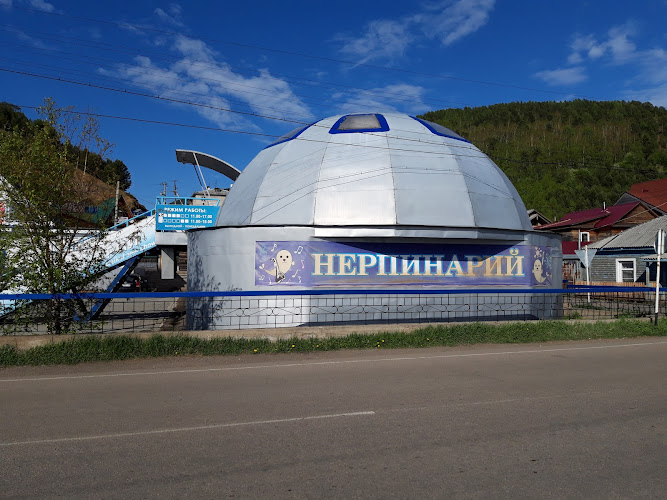
Nerpinariy
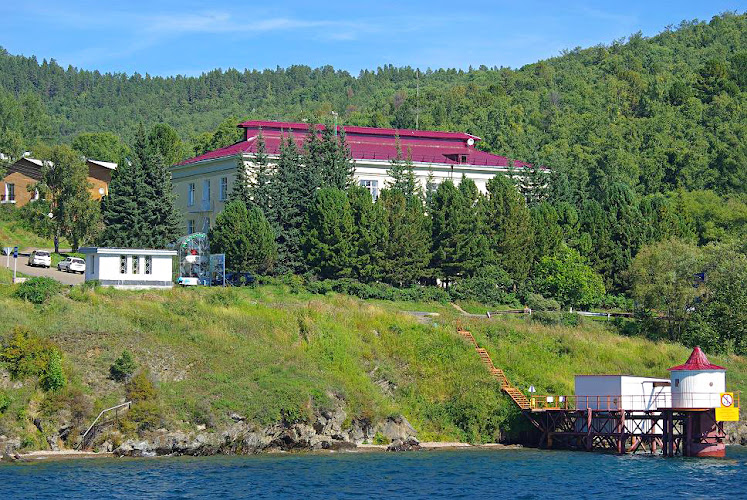
Baikal Museum

Retro Park, House Family Osipov
Find Accommodations Nearby
Recommended Tours & Activities
Visitor Reviews
There are no reviews yet. Be the first one to write one.
Share Your Experience
Have you visited Institut Solnechno-Zemnoy Fiziki So Ran, Baykal’skaya Astrofizicheskaya Observatoriya? Help other travelers by leaving a review.