
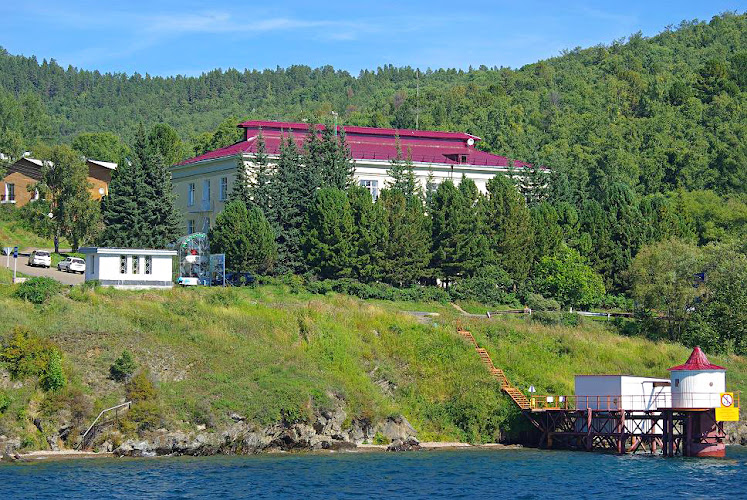
Baikal Museum
About Baikal Museum
Description
The Baikal Museum sits right on the shores of what many consider the world's most fascinating lake, and honestly, it's one of those places that deserves way more attention than it typically gets. This isn't your standard dusty museum with old artifacts behind glass – though there's nothing wrong with those either. What makes this place special is how it manages to bring Lake Baikal's underwater world and surrounding ecosystem right to you, without requiring you to dive into those frigid waters yourself. I've always been drawn to places that connect you with nature in unexpected ways, and the Baikal Museum does exactly that. The museum focuses entirely on the unique biological systems of Lake Baikal, which if you didn't know, holds about 20% of the world's fresh surface water and is home to species that exist literally nowhere else on Earth. The museum's aquariums showcase these endemic species – creatures that have evolved in complete isolation for millions of years. You'll see the famous Baikal seal (nerpa), which happens to be the only exclusively freshwater seal species in the world. Watching these curious animals is genuinely mesmerizing, even for folks who think they're not really "animal people." The facility itself might not be massive, but what it lacks in size it makes up for in focused, quality exhibits. And there's something refreshing about a museum that knows its subject matter inside and out rather than trying to be everything to everyone. The staff here are clearly passionate about Lake Baikal's preservation, and that enthusiasm comes through in how they present the information. You can tell this isn't just a job for them – it's a mission.Key Features
The Baikal Museum offers several distinctive elements that make it worth carving out time in your Siberian adventure: • Live aquarium displays featuring endemic Baikal species including the nerpa seals, omul fish, and various species of sculpins that exist nowhere else on the planet • Interactive exhibits explaining Lake Baikal's geological formation and its status as the world's oldest and deepest lake at roughly 25 million years old and 1,642 meters deep • Virtual bathyscaphe experience that simulates a descent to the lake's deepest points, giving visitors a sense of the underwater landscape without the need for actual diving equipment • Educational programs and live performances that make learning about freshwater ecosystems actually engaging rather than feeling like homework • Wheelchair accessible facilities throughout the building, making it genuinely inclusive for visitors with mobility challenges • Gender-neutral restroom facilities, which is pretty progressive for a regional museum in Siberia • Kid-friendly exhibits that manage to educate without talking down to younger visitors – something many museums struggle with • Microscope stations where you can examine plankton and microorganisms from the lake, which sounds nerdy but is actually fascinating when you realize these tiny creatures form the foundation of the entire ecosystem • Seasonal exhibits that rotate based on current research happening at the lake, keeping the content fresh even for repeat visitors • Collections of regional flora specimens that help you understand the broader ecosystem beyond just the lake itselfBest Time to Visit
Timing your visit to the Baikal Museum really depends on what kind of Lake Baikal experience you're after overall. The museum itself operates year-round, but your broader travel plans will likely dictate when you show up. Summer months from June through August bring the warmest weather and longest daylight hours, which makes getting around easier and more pleasant. But – and this is a big but – this is also peak tourist season. The museum can get pretty crowded, especially with Russian domestic tourists and organized tour groups. If you don't mind sharing space with lots of other curious visitors, summer works great. The weather outside is actually nice enough that you can combine your museum visit with walks along the shore or other outdoor activities in the area. September and early October offer what I'd call the sweet spot for many travelers. The crowds thin out considerably, the fall colors around the lake are absolutely stunning, and the museum feels more intimate. You'll have more space to really absorb the exhibits without someone's elbow in your ribcage. The temperatures start dropping though, so pack accordingly. Winter visits from December through March are for the adventurous souls. Lake Baikal freezes over and transforms into this otherworldly landscape of ice formations that you won't believe are real until you see them yourself. The museum takes on a different character in winter – it becomes a warm refuge where you can learn about what's happening beneath all that ice. Fewer tourists brave the Siberian winter, so you might practically have the place to yourself on some days. Just be prepared for serious cold, we're talking temperatures that can drop below -30°C. Spring months of April and May are a bit unpredictable. Ice is breaking up, weather can be moody, and the tourist infrastructure is still waking up from winter hibernation. But if you like having places mostly to yourself and don't mind occasionally challenging conditions, spring has its charm.How to Get There
Getting to the Baikal Museum requires a bit of planning since we're talking about one of the most remote regions in Russia. The museum is located near the settlement of Listvyanka, which serves as one of the main gateways to Lake Baikal for most travelers. Your journey will almost certainly start in Irkutsk, the regional capital and closest major city. Most international travelers fly into Irkutsk, which has decent connections from Moscow and some Asian cities. From Irkutsk, you've got several options to reach Listvyanka and the museum. The most common method is taking a marshrutka (shared minibus) from Irkutsk's main bus station. These run regularly throughout the day during tourist season and cost just a few hundred rubles. The journey takes about 70 kilometers and roughly 90 minutes depending on road conditions and how many stops your driver makes. It's not the most comfortable ride – Russian marshrutkas aren't exactly known for their suspension systems – but it's authentic and economical. Taxis and private transfers are available if you prefer more comfort and control over your schedule. You can arrange these through your hotel or various apps, though they'll cost significantly more than the marshrutka. However, having a driver who can wait and take you to other spots around the area might be worth the extra expense. During summer months, there's also a hydrofoil boat service from Irkutsk that travels along the Angara River to Lake Baikal and stops near Listvyanka. This takes longer than driving but offers beautiful views and a different perspective on the region. Just check schedules carefully as they're weather dependent. Once you're in Listvyanka, the museum is fairly easy to find. The settlement isn't huge, and most locals can point you in the right direction if you show them the museum's name in Russian. It's located right along the shoreline, so you can orient yourself by keeping the lake in view. Some organized tours from Irkutsk include the museum as part of a broader Lake Baikal day trip package. These can be convenient if you want everything arranged and don't mind the structured schedule.Tips for Visiting
After hearing from various travelers who've made the trek to the Baikal Museum, here's what you should know before you go. Bring cash in rubles. While Russia is slowly modernizing its payment systems, small regional attractions like this museum don't always have reliable card readers, and foreign cards can be especially problematic. The admission fee is quite reasonable by international standards, but you'll want cash for any gift shop purchases or donations. Allow more time than you think you'll need. Yes, it's a small museum, but if you actually read the exhibits and watch the seal feedings and participate in any of the interactive elements, you can easily spend 2-3 hours here. Rushing through defeats the purpose. Check the feeding schedules for the nerpa seals when you arrive. These happen at specific times during the day, and they're genuinely one of the highlights. The seals are playful and entertaining, and watching them in their tank gives you appreciation for how they've adapted to Baikal's unique conditions. Dress in layers even during summer. Lake Baikal creates its own microclimate, and temperatures near the shore can be significantly cooler than inland areas. The museum itself is climate controlled, but you'll likely be walking around outside before or after your visit. Ask questions. The staff members are usually quite knowledgeable and many speak at least some English, especially during peak tourist season. They're generally happy to share information beyond what's on the exhibit labels, and you might learn something that completely changes how you see the lake. Combine your museum visit with other Listvyanka activities. The settlement has a fish market, hiking trails, and the Chersky Stone viewpoint that offers panoramic views of the lake. Making a full day of it gives you better value for the travel time from Irkutsk. Photography is generally allowed, but check about flash usage, especially near the aquariums. Flash can stress the animals and no photograph is worth that. If you're traveling with kids, the museum works really well for families. The aquariums and interactive exhibits keep younger attention spans engaged, and the educational approach isn't too heavy-handed. It's actually a nice break from pure outdoor activities if you're doing a longer Baikal trip. Consider visiting the museum early in your Lake Baikal journey rather than at the end. Understanding the lake's ecology and unique characteristics enhances your appreciation for everything else you'll see and do in the region. It provides context that makes other experiences richer. Don't skip the virtual bathyscaphe ride if it's operating. Some people think it sounds gimmicky, but it's actually a well-done simulation that shows you parts of the lake you'd never otherwise experience.Key Features
- Key Features
- Best Time to Visit
- How to Get There
- Tips for Visiting
More Details
Updated March 30, 2026
Table of Contents
Description
The Baikal Museum sits right on the shores of what many consider the world’s most fascinating lake, and honestly, it’s one of those places that deserves way more attention than it typically gets. This isn’t your standard dusty museum with old artifacts behind glass – though there’s nothing wrong with those either. What makes this place special is how it manages to bring Lake Baikal’s underwater world and surrounding ecosystem right to you, without requiring you to dive into those frigid waters yourself.
I’ve always been drawn to places that connect you with nature in unexpected ways, and the Baikal Museum does exactly that. The museum focuses entirely on the unique biological systems of Lake Baikal, which if you didn’t know, holds about 20% of the world’s fresh surface water and is home to species that exist literally nowhere else on Earth. The museum’s aquariums showcase these endemic species – creatures that have evolved in complete isolation for millions of years. You’ll see the famous Baikal seal (nerpa), which happens to be the only exclusively freshwater seal species in the world. Watching these curious animals is genuinely mesmerizing, even for folks who think they’re not really “animal people.”
The facility itself might not be massive, but what it lacks in size it makes up for in focused, quality exhibits. And there’s something refreshing about a museum that knows its subject matter inside and out rather than trying to be everything to everyone. The staff here are clearly passionate about Lake Baikal’s preservation, and that enthusiasm comes through in how they present the information. You can tell this isn’t just a job for them – it’s a mission.
Key Features
The Baikal Museum offers several distinctive elements that make it worth carving out time in your Siberian adventure:
• Live aquarium displays featuring endemic Baikal species including the nerpa seals, omul fish, and various species of sculpins that exist nowhere else on the planet
• Interactive exhibits explaining Lake Baikal’s geological formation and its status as the world’s oldest and deepest lake at roughly 25 million years old and 1,642 meters deep
• Virtual bathyscaphe experience that simulates a descent to the lake’s deepest points, giving visitors a sense of the underwater landscape without the need for actual diving equipment
• Educational programs and live performances that make learning about freshwater ecosystems actually engaging rather than feeling like homework
• Wheelchair accessible facilities throughout the building, making it genuinely inclusive for visitors with mobility challenges
• Gender-neutral restroom facilities, which is pretty progressive for a regional museum in Siberia
• Kid-friendly exhibits that manage to educate without talking down to younger visitors – something many museums struggle with
• Microscope stations where you can examine plankton and microorganisms from the lake, which sounds nerdy but is actually fascinating when you realize these tiny creatures form the foundation of the entire ecosystem
• Seasonal exhibits that rotate based on current research happening at the lake, keeping the content fresh even for repeat visitors
• Collections of regional flora specimens that help you understand the broader ecosystem beyond just the lake itself
Best Time to Visit
Timing your visit to the Baikal Museum really depends on what kind of Lake Baikal experience you’re after overall. The museum itself operates year-round, but your broader travel plans will likely dictate when you show up.
Summer months from June through August bring the warmest weather and longest daylight hours, which makes getting around easier and more pleasant. But – and this is a big but – this is also peak tourist season. The museum can get pretty crowded, especially with Russian domestic tourists and organized tour groups. If you don’t mind sharing space with lots of other curious visitors, summer works great. The weather outside is actually nice enough that you can combine your museum visit with walks along the shore or other outdoor activities in the area.
September and early October offer what I’d call the sweet spot for many travelers. The crowds thin out considerably, the fall colors around the lake are absolutely stunning, and the museum feels more intimate. You’ll have more space to really absorb the exhibits without someone’s elbow in your ribcage. The temperatures start dropping though, so pack accordingly.
Winter visits from December through March are for the adventurous souls. Lake Baikal freezes over and transforms into this otherworldly landscape of ice formations that you won’t believe are real until you see them yourself. The museum takes on a different character in winter – it becomes a warm refuge where you can learn about what’s happening beneath all that ice. Fewer tourists brave the Siberian winter, so you might practically have the place to yourself on some days. Just be prepared for serious cold, we’re talking temperatures that can drop below -30°C.
Spring months of April and May are a bit unpredictable. Ice is breaking up, weather can be moody, and the tourist infrastructure is still waking up from winter hibernation. But if you like having places mostly to yourself and don’t mind occasionally challenging conditions, spring has its charm.
How to Get There
Getting to the Baikal Museum requires a bit of planning since we’re talking about one of the most remote regions in Russia. The museum is located near the settlement of Listvyanka, which serves as one of the main gateways to Lake Baikal for most travelers.
Your journey will almost certainly start in Irkutsk, the regional capital and closest major city. Most international travelers fly into Irkutsk, which has decent connections from Moscow and some Asian cities. From Irkutsk, you’ve got several options to reach Listvyanka and the museum.
The most common method is taking a marshrutka (shared minibus) from Irkutsk’s main bus station. These run regularly throughout the day during tourist season and cost just a few hundred rubles. The journey takes about 70 kilometers and roughly 90 minutes depending on road conditions and how many stops your driver makes. It’s not the most comfortable ride – Russian marshrutkas aren’t exactly known for their suspension systems – but it’s authentic and economical.
Taxis and private transfers are available if you prefer more comfort and control over your schedule. You can arrange these through your hotel or various apps, though they’ll cost significantly more than the marshrutka. However, having a driver who can wait and take you to other spots around the area might be worth the extra expense.
During summer months, there’s also a hydrofoil boat service from Irkutsk that travels along the Angara River to Lake Baikal and stops near Listvyanka. This takes longer than driving but offers beautiful views and a different perspective on the region. Just check schedules carefully as they’re weather dependent.
Once you’re in Listvyanka, the museum is fairly easy to find. The settlement isn’t huge, and most locals can point you in the right direction if you show them the museum’s name in Russian. It’s located right along the shoreline, so you can orient yourself by keeping the lake in view.
Some organized tours from Irkutsk include the museum as part of a broader Lake Baikal day trip package. These can be convenient if you want everything arranged and don’t mind the structured schedule.
Tips for Visiting
After hearing from various travelers who’ve made the trek to the Baikal Museum, here’s what you should know before you go.
Bring cash in rubles. While Russia is slowly modernizing its payment systems, small regional attractions like this museum don’t always have reliable card readers, and foreign cards can be especially problematic. The admission fee is quite reasonable by international standards, but you’ll want cash for any gift shop purchases or donations.
Allow more time than you think you’ll need. Yes, it’s a small museum, but if you actually read the exhibits and watch the seal feedings and participate in any of the interactive elements, you can easily spend 2-3 hours here. Rushing through defeats the purpose.
Check the feeding schedules for the nerpa seals when you arrive. These happen at specific times during the day, and they’re genuinely one of the highlights. The seals are playful and entertaining, and watching them in their tank gives you appreciation for how they’ve adapted to Baikal’s unique conditions.
Dress in layers even during summer. Lake Baikal creates its own microclimate, and temperatures near the shore can be significantly cooler than inland areas. The museum itself is climate controlled, but you’ll likely be walking around outside before or after your visit.
Ask questions. The staff members are usually quite knowledgeable and many speak at least some English, especially during peak tourist season. They’re generally happy to share information beyond what’s on the exhibit labels, and you might learn something that completely changes how you see the lake.
Combine your museum visit with other Listvyanka activities. The settlement has a fish market, hiking trails, and the Chersky Stone viewpoint that offers panoramic views of the lake. Making a full day of it gives you better value for the travel time from Irkutsk.
Photography is generally allowed, but check about flash usage, especially near the aquariums. Flash can stress the animals and no photograph is worth that.
If you’re traveling with kids, the museum works really well for families. The aquariums and interactive exhibits keep younger attention spans engaged, and the educational approach isn’t too heavy-handed. It’s actually a nice break from pure outdoor activities if you’re doing a longer Baikal trip.
Consider visiting the museum early in your Lake Baikal journey rather than at the end. Understanding the lake’s ecology and unique characteristics enhances your appreciation for everything else you’ll see and do in the region. It provides context that makes other experiences richer.
Don’t skip the virtual bathyscaphe ride if it’s operating. Some people think it sounds gimmicky, but it’s actually a well-done simulation that shows you parts of the lake you’d never otherwise experience.
Key Highlights
- Key Features
- Best Time to Visit
- How to Get There
- Tips for Visiting
Location
Places to Stay Near Baikal Museum
Find and Book a Tour
Explore More Travel Guides
No reviews found! Be the first to review!
Baikal Museum is a prominent museums located in Listvyanka.
Visit us at: Akademicheskaya Ulitsa, 1А, Listvyanka, Irkutsk Oblast, Russia, 664520.
Traveler Reviews for Baikal Museum
There are no reviews yet. Be the first one to write one.
Have you visited Baikal Museum? Help other travelers by sharing your review.
You Might Also Like
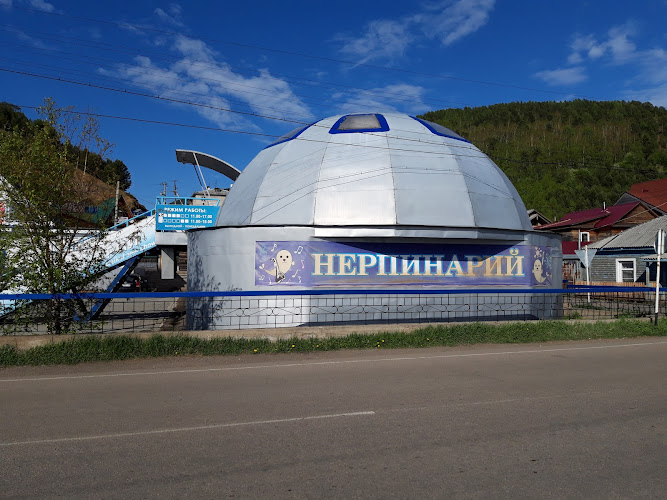
Nerpinariy

Institut Solnechno-Zemnoy Fiziki So Ran, Baykal'skaya Astrofizicheskaya Observatoriya
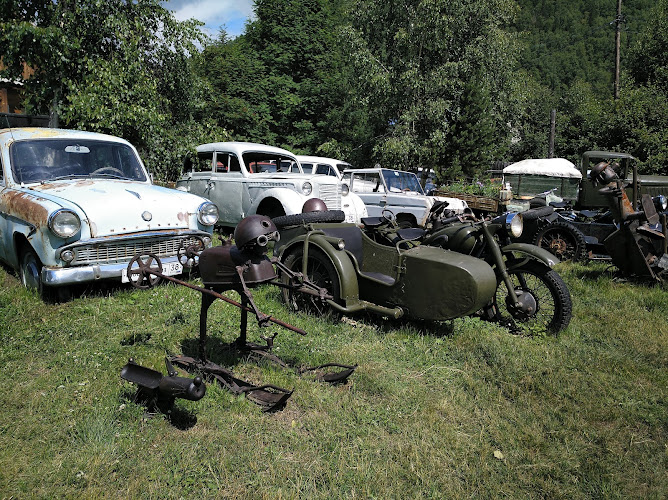
Retro Park, House Family Osipov
Find Accommodations Nearby
Recommended Tours & Activities
Visitor Reviews
There are no reviews yet. Be the first one to write one.
Share Your Experience
Have you visited Baikal Museum? Help other travelers by leaving a review.