Church of the Holy Apostles Peter and Paul
About Church of the Holy Apostles Peter and Paul
Description
The Church of the Holy Apostles Peter and Paul stands as a testament to spiritual devotion and architectural beauty that continues to draw visitors from around the world. This sacred space serves both as an active place of worship and a cultural landmark that speaks volumes about the religious heritage of its community. When I first encountered this church during my travels, I was struck by how it manages to feel both grand and intimate at the same time—a rare quality in religious architecture. What makes this church particularly special is its role as both a shrine and an active parish church, meaning visitors get to experience living faith rather than just historical preservation. The atmosphere here carries that distinctive quality you only find in places where generations have come to pray, celebrate, and mark life's most important moments. You'll notice it in the worn steps, the carefully tended interior, and the way light filters through in patterns that have remained unchanged for decades. The church has developed a reputation among travelers who seek authentic spiritual experiences rather than just ticking off tourist boxes. And honestly, that's what sets it apart. This isn't a museum piece—it's a breathing, functioning part of community life that happens to welcome visitors with open arms. The dedication to the Holy Apostles Peter and Paul gives the church its theological foundation, honoring two of Christianity's most significant figures who represent both the establishment of the early church and its missionary spirit.Key Features
- Authentic worship space that maintains its primary religious function while welcoming visitors and pilgrims throughout the year
- Architectural elements that reflect traditional church design principles with careful attention to sacred geometry and symbolic representation
- Interior spaces designed for both communal worship and personal prayer, offering quiet corners for contemplation away from the main congregational areas
- Religious iconography and sacred art that tells the story of the apostles Peter and Paul, providing visual theology for those who take time to study the details
- A welcoming atmosphere that balances reverence with accessibility, making it suitable for both devout pilgrims and curious cultural tourists
- Active liturgical calendar with regular services that allow visitors to experience authentic worship traditions rather than staged performances
- Peaceful grounds or surrounding area that provides transition space between the secular world outside and the sacred space within
- Community engagement that demonstrates faith in action, not just preservation of historical traditions
Best Time to Visit
Timing your visit to the Church of the Holy Apostles Peter and Paul can significantly impact your experience, and I've learned this lesson at various religious sites over the years. The best time really depends on what you're looking for—spiritual participation, architectural appreciation, or peaceful contemplation. For those interested in experiencing the church during active worship, attending services during major feast days dedicated to Saints Peter and Paul (typically celebrated on June 29th) offers an extraordinary glimpse into the community's devotional life. The energy during these celebrations is something you simply can't replicate during ordinary visiting hours. But be prepared for crowds, as these occasions draw dedicated faithful from the surrounding region. Weekday mornings generally provide the most peaceful visiting experience. You'll often find the church nearly empty except for a few devoted parishioners, giving you space to absorb the atmosphere without feeling rushed or crowded. I remember visiting a similar church on a Tuesday morning and having nearly thirty minutes of solitude—it completely changed my perception of the space. Early morning hours, particularly around sunrise, offer exceptional photographic opportunities if you're interested in capturing the interplay of natural light with the church's architectural features. The quality of light during these hours has this soft, almost ethereal quality that afternoon sun just can't match. Avoid visiting during wedding season (typically late spring through early fall on weekends) unless you don't mind potentially being turned away or limited in where you can go within the church. Religious services always take precedence over tourism, as they should. Weather-wise, spring and fall provide comfortable conditions for exploring both the church interior and any surrounding grounds. Summer can get quite warm inside older churches that lack modern climate control, while winter visits offer their own austere beauty but require dressing in layers.How to Get There
Getting to the Church of the Holy Apostles Peter and Paul requires some planning, but it's absolutely manageable for travelers willing to do a bit of homework beforehand. The church's location makes it accessible through several transportation methods, though some work better than others depending on your starting point and travel style. Public transportation typically offers the most economical approach. Research local bus routes or tram lines that service the area near the church. Many religious sites are situated along established public transit routes since they serve local communities. Download transit apps for the region before you arrive—they're absolute lifesavers when navigating unfamiliar public transportation systems. I've gotten hopelessly lost more times than I care to admit by relying solely on paper maps and assumptions. Taxi services or ride-sharing apps provide door-to-door convenience, particularly useful if you're traveling with elderly companions or visiting during inclement weather. Make sure your driver knows you're heading to a church rather than a similarly-named landmark or street. I once ended up at the wrong end of town because of this exact confusion. For those renting cars, parking availability near churches can be hit or miss. Many religious sites were built long before automobile access became a consideration, meaning parking might be limited to street parking blocks away. Factor in extra time for finding parking and walking to the church entrance. Walking from nearby hotels or city centers can be remarkably pleasant if distances are reasonable. This approach lets you experience the neighborhood context surrounding the church, which often adds layers of understanding to your visit. Churches don't exist in isolation—they're woven into the fabric of their communities. If you're using navigation apps, verify the church's exact location before departing. Some churches have multiple entrances or associated buildings that might confuse GPS systems. Looking up landmark photos beforehand helps you confirm you've arrived at the correct destination.Tips for Visiting
Visiting the Church of the Holy Apostles Peter and Paul rewards those who come prepared with both practical knowledge and appropriate expectations. Here's what you need to know to make your visit meaningful and respectful. Dress modestly—this isn't just about following rules but showing respect for active worship space. Cover shoulders and knees at minimum. And honestly, comfortable shoes matter more than you might think since you'll likely be standing on stone or hard floors. I made the mistake of wearing fashion-forward but impractical shoes to a church once and spent the entire visit shifting my weight around uncomfortably. Check service schedules before arriving. Nothing's more awkward than walking into the middle of a private ceremony or getting turned away because the church is closed for a funeral. Many churches post schedules online or on signs near entrances, but calling ahead never hurts if you're planning a special trip. Photography policies vary wildly between churches. Some welcome it, others restrict it during services, and a few ban it entirely. When in doubt, ask permission. Taking photos without asking comes across as disrespectful and touristy in the worst way. If photography is allowed, disable flash and be mindful of people praying—your vacation photos aren't more important than someone's spiritual practice. Silence or very quiet conversation shows respect for the sacred nature of the space. Even if the church appears empty, someone might be praying in a side chapel or preparing for services. Your loud conversation about lunch plans can wait until you're back outside. Consider making a small donation if there's an offering box or donation point. These churches rely on community support and visitor contributions for maintenance and ministry. Even a few dollars helps, and it feels right to contribute something when you're essentially accessing cultural and spiritual heritage for free. Take time to actually observe rather than just documenting. Put your phone away for at least part of your visit and simply sit in a pew, noticing details you'd miss while hunting for the perfect Instagram shot. The worn prayer book someone left behind, the smell of old wood and candle wax, the acoustic properties when footsteps echo—these sensory details create lasting memories that photos never quite capture. Visit during different times if your schedule allows. A church experienced during morning silence feels completely different from the same space filled with evening worshippers. Both perspectives offer value, and seeing both gives you a more complete understanding. Respect any areas marked as restricted or private. These boundaries exist for good reasons, whether practical (structural concerns) or spiritual (reserved sacred spaces). Don't be that visitor who ignores signs and wanders where they shouldn't. If services are occurring during your visit, you're generally welcome to observe from the back unless posted signs indicate otherwise. Participating is often welcomed too, though understanding when to stand, sit, or kneel might be confusing if you're unfamiliar with the tradition. Following what others do is perfectly acceptable. Local guides or church volunteers sometimes offer informal information or tours. Engaging with them—respectfully and without demanding their time—can transform a good visit into an exceptional one. They know stories and details that never make it into guidebooks.Key Features
- Intimate parish church with active Orthodox services
- Traditional Russian architectural elements including onion domes and decorative façade
- Well-preserved interior iconostasis and religious artworks
- Accessible central location on Ulitsa Rakhmaninova
- Photogenic exterior and peaceful atmosphere for reflection
More Details
Updated March 30, 2026
Table of Contents
- Description
- Key Features
- Best Time to Visit
- How to Get There
- Tips for Visiting
- Key Highlights
- Location
- Places to Stay Near Church of the Holy Apostles Peter and Paul
- Find and Book a Tour
- Explore More Travel Guides
- Nearby Places You Might Like
- Traveler Reviews for Church of the Holy Apostles Peter and Paul
- Share Your Experience
Description
The Church of the Holy Apostles Peter and Paul stands as a testament to spiritual devotion and architectural beauty that continues to draw visitors from around the world. This sacred space serves both as an active place of worship and a cultural landmark that speaks volumes about the religious heritage of its community. When I first encountered this church during my travels, I was struck by how it manages to feel both grand and intimate at the same time—a rare quality in religious architecture.
What makes this church particularly special is its role as both a shrine and an active parish church, meaning visitors get to experience living faith rather than just historical preservation. The atmosphere here carries that distinctive quality you only find in places where generations have come to pray, celebrate, and mark life’s most important moments. You’ll notice it in the worn steps, the carefully tended interior, and the way light filters through in patterns that have remained unchanged for decades.
The church has developed a reputation among travelers who seek authentic spiritual experiences rather than just ticking off tourist boxes. And honestly, that’s what sets it apart. This isn’t a museum piece—it’s a breathing, functioning part of community life that happens to welcome visitors with open arms. The dedication to the Holy Apostles Peter and Paul gives the church its theological foundation, honoring two of Christianity’s most significant figures who represent both the establishment of the early church and its missionary spirit.
Key Features
- Authentic worship space that maintains its primary religious function while welcoming visitors and pilgrims throughout the year
- Architectural elements that reflect traditional church design principles with careful attention to sacred geometry and symbolic representation
- Interior spaces designed for both communal worship and personal prayer, offering quiet corners for contemplation away from the main congregational areas
- Religious iconography and sacred art that tells the story of the apostles Peter and Paul, providing visual theology for those who take time to study the details
- A welcoming atmosphere that balances reverence with accessibility, making it suitable for both devout pilgrims and curious cultural tourists
- Active liturgical calendar with regular services that allow visitors to experience authentic worship traditions rather than staged performances
- Peaceful grounds or surrounding area that provides transition space between the secular world outside and the sacred space within
- Community engagement that demonstrates faith in action, not just preservation of historical traditions
Best Time to Visit
Timing your visit to the Church of the Holy Apostles Peter and Paul can significantly impact your experience, and I’ve learned this lesson at various religious sites over the years. The best time really depends on what you’re looking for—spiritual participation, architectural appreciation, or peaceful contemplation.
For those interested in experiencing the church during active worship, attending services during major feast days dedicated to Saints Peter and Paul (typically celebrated on June 29th) offers an extraordinary glimpse into the community’s devotional life. The energy during these celebrations is something you simply can’t replicate during ordinary visiting hours. But be prepared for crowds, as these occasions draw dedicated faithful from the surrounding region.
Weekday mornings generally provide the most peaceful visiting experience. You’ll often find the church nearly empty except for a few devoted parishioners, giving you space to absorb the atmosphere without feeling rushed or crowded. I remember visiting a similar church on a Tuesday morning and having nearly thirty minutes of solitude—it completely changed my perception of the space.
Early morning hours, particularly around sunrise, offer exceptional photographic opportunities if you’re interested in capturing the interplay of natural light with the church’s architectural features. The quality of light during these hours has this soft, almost ethereal quality that afternoon sun just can’t match.
Avoid visiting during wedding season (typically late spring through early fall on weekends) unless you don’t mind potentially being turned away or limited in where you can go within the church. Religious services always take precedence over tourism, as they should.
Weather-wise, spring and fall provide comfortable conditions for exploring both the church interior and any surrounding grounds. Summer can get quite warm inside older churches that lack modern climate control, while winter visits offer their own austere beauty but require dressing in layers.
How to Get There
Getting to the Church of the Holy Apostles Peter and Paul requires some planning, but it’s absolutely manageable for travelers willing to do a bit of homework beforehand. The church’s location makes it accessible through several transportation methods, though some work better than others depending on your starting point and travel style.
Public transportation typically offers the most economical approach. Research local bus routes or tram lines that service the area near the church. Many religious sites are situated along established public transit routes since they serve local communities. Download transit apps for the region before you arrive—they’re absolute lifesavers when navigating unfamiliar public transportation systems. I’ve gotten hopelessly lost more times than I care to admit by relying solely on paper maps and assumptions.
Taxi services or ride-sharing apps provide door-to-door convenience, particularly useful if you’re traveling with elderly companions or visiting during inclement weather. Make sure your driver knows you’re heading to a church rather than a similarly-named landmark or street. I once ended up at the wrong end of town because of this exact confusion.
For those renting cars, parking availability near churches can be hit or miss. Many religious sites were built long before automobile access became a consideration, meaning parking might be limited to street parking blocks away. Factor in extra time for finding parking and walking to the church entrance.
Walking from nearby hotels or city centers can be remarkably pleasant if distances are reasonable. This approach lets you experience the neighborhood context surrounding the church, which often adds layers of understanding to your visit. Churches don’t exist in isolation—they’re woven into the fabric of their communities.
If you’re using navigation apps, verify the church’s exact location before departing. Some churches have multiple entrances or associated buildings that might confuse GPS systems. Looking up landmark photos beforehand helps you confirm you’ve arrived at the correct destination.
Tips for Visiting
Visiting the Church of the Holy Apostles Peter and Paul rewards those who come prepared with both practical knowledge and appropriate expectations. Here’s what you need to know to make your visit meaningful and respectful.
Dress modestly—this isn’t just about following rules but showing respect for active worship space. Cover shoulders and knees at minimum. And honestly, comfortable shoes matter more than you might think since you’ll likely be standing on stone or hard floors. I made the mistake of wearing fashion-forward but impractical shoes to a church once and spent the entire visit shifting my weight around uncomfortably.
Check service schedules before arriving. Nothing’s more awkward than walking into the middle of a private ceremony or getting turned away because the church is closed for a funeral. Many churches post schedules online or on signs near entrances, but calling ahead never hurts if you’re planning a special trip.
Photography policies vary wildly between churches. Some welcome it, others restrict it during services, and a few ban it entirely. When in doubt, ask permission. Taking photos without asking comes across as disrespectful and touristy in the worst way. If photography is allowed, disable flash and be mindful of people praying—your vacation photos aren’t more important than someone’s spiritual practice.
Silence or very quiet conversation shows respect for the sacred nature of the space. Even if the church appears empty, someone might be praying in a side chapel or preparing for services. Your loud conversation about lunch plans can wait until you’re back outside.
Consider making a small donation if there’s an offering box or donation point. These churches rely on community support and visitor contributions for maintenance and ministry. Even a few dollars helps, and it feels right to contribute something when you’re essentially accessing cultural and spiritual heritage for free.
Take time to actually observe rather than just documenting. Put your phone away for at least part of your visit and simply sit in a pew, noticing details you’d miss while hunting for the perfect Instagram shot. The worn prayer book someone left behind, the smell of old wood and candle wax, the acoustic properties when footsteps echo—these sensory details create lasting memories that photos never quite capture.
Visit during different times if your schedule allows. A church experienced during morning silence feels completely different from the same space filled with evening worshippers. Both perspectives offer value, and seeing both gives you a more complete understanding.
Respect any areas marked as restricted or private. These boundaries exist for good reasons, whether practical (structural concerns) or spiritual (reserved sacred spaces). Don’t be that visitor who ignores signs and wanders where they shouldn’t.
If services are occurring during your visit, you’re generally welcome to observe from the back unless posted signs indicate otherwise. Participating is often welcomed too, though understanding when to stand, sit, or kneel might be confusing if you’re unfamiliar with the tradition. Following what others do is perfectly acceptable.
Local guides or church volunteers sometimes offer informal information or tours. Engaging with them—respectfully and without demanding their time—can transform a good visit into an exceptional one. They know stories and details that never make it into guidebooks.
Key Highlights
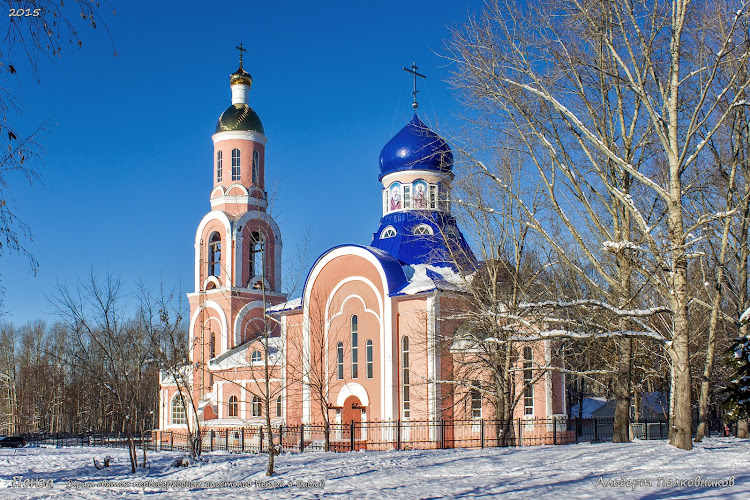
- Intimate parish church with active Orthodox services
- Traditional Russian architectural elements including onion domes and decorative façade
- Well-preserved interior iconostasis and religious artworks
- Accessible central location on Ulitsa Rakhmaninova
- Photogenic exterior and peaceful atmosphere for reflection
Location
Places to Stay Near Church of the Holy Apostles Peter and Paul
Find and Book a Tour
Explore More Travel Guides
No reviews found! Be the first to review!
Church of the Holy Apostles Peter and Paul is a prominent Храм located in Penza.
Visit us at: Ulitsa Rakhmaninova, 53, Penza, Penza Oblast, 러시아 440060.
Traveler Reviews for Church of the Holy Apostles Peter and Paul
There are no reviews yet. Be the first one to write one.
Have you visited Church of the Holy Apostles Peter and Paul? Help other travelers by sharing your review.
Nearby Attractions
Find Accommodations Nearby
Recommended Tours & Activities
Visitor Reviews
There are no reviews yet. Be the first one to write one.
Share Your Experience
Have you visited Church of the Holy Apostles Peter and Paul? Help other travelers by leaving a review.
