About PEACE OSAKA (International Peace Center)

Description

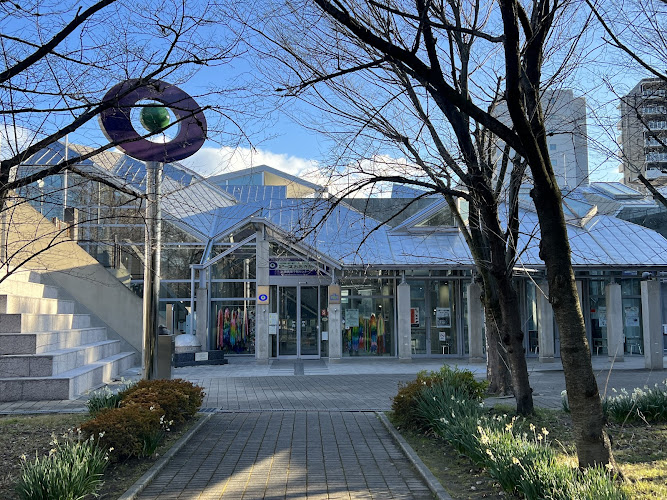
Peace Osaka, officially known as the Osaka International Peace Center, is one of those places that quietly leaves a mark on you long after you’ve walked out the doors. Spread across three floors, the museum dives deep into the history of World War II with a particular focus on the devastating air raids that struck Osaka. It’s not the kind of attraction where you’ll be snapping selfies every five minutes—this is more of a space for reflection, learning, and honestly, a bit of soul-searching. The exhibits don’t shy away from showing the harsh realities of war. Some displays can be graphic, but that’s part of its power. It’s about confronting the past rather than glossing over it.

What makes Peace Osaka stand out is how it balances the heavy subject matter with a clear message of hope and peace. You’ll find detailed dioramas, photographs, survivor testimonies, and artifacts that bring the wartime experience uncomfortably close. But you’ll also find exhibits that focus on rebuilding, resilience, and the importance of working toward a peaceful future. It’s not a lighthearted stop, but it is a meaningful one. And although some visitors might feel it’s a bit intense, most people walk away with a deeper appreciation for the fragility of peace and the importance of remembering history.

I still remember my first visit—I was expecting something more like a traditional history museum, but instead, I found myself standing in front of a burned-out bicycle that once belonged to a child. It hit me harder than I expected. That’s the kind of impact this place has. It’s not about dates and timelines; it’s about human lives and stories. If you’re traveling through Osaka and want to connect with something beyond the usual shopping and food adventures, this museum is worth setting aside a couple of hours for.

Key Features

  • Three floors of exhibits covering World War II, with a strong focus on Osaka’s air raid history
  • Graphic but powerful displays including artifacts, photographs, and survivor accounts
  • Interactive learning spaces and peace education programs designed for students and families
  • Wheelchair-accessible entrance and restrooms for inclusive access
  • Child-friendly educational programs that introduce the concept of peace in an age-appropriate way
  • Quiet, reflective atmosphere that encourages thoughtful exploration rather than quick browsing

Best Time to Visit

If you’re planning a trip, weekdays are usually the best bet. The museum tends to get busier with school groups in the mornings, but by early afternoon it’s often quieter and easier to take your time. Spring and autumn are particularly nice since you can pair your visit with a stroll around Osaka Castle Park right outside. Summer can be hot and humid, which makes the museum’s air-conditioned interior a welcome break, but keep in mind it might feel heavier to spend hours indoors looking at intense exhibits. Personally, I think winter afternoons are underrated—it’s calm, peaceful, and you can really focus on the displays without feeling rushed.

How to Get There

Peace Osaka is located within walking distance of Osaka Castle, so it’s very easy to combine the two in a single day. The closest train stations are Morinomiya and Tanimachi 4-chome, both of which are about a 10-minute walk. If you’re already touring Osaka Castle, just follow the signs and you’ll find the museum tucked into a quiet corner of the park. Public transport in Osaka is efficient and reliable, so there’s really no need to stress about finding your way. And if you’re like me and tend to wander off, the castle grounds themselves are a pleasant detour if you accidentally take the long way around.

Tips for Visiting

First and foremost, give yourself enough time. Two hours is a good minimum, but if you’re someone who likes to read every plaque and really absorb the stories, you might want closer to three. The exhibits are emotionally heavy, so don’t be surprised if you need to take a short break. There are rest areas inside where you can sit quietly for a few minutes.

Photography is restricted in some areas, and honestly, it’s better that way. This isn’t the kind of place where you want to be snapping photos—it’s more about being present. If you’re traveling with kids, just know that while the museum is child-friendly, some of the content is graphic. It might spark some tough but important conversations.

Another tip: pair your visit with a walk through Osaka Castle Park afterwards. It’s a nice way to clear your head and reflect on what you’ve just seen. Bring a bottle of water, wear comfortable shoes, and don’t rush. This is one of those experiences that’s best when you let it sink in slowly. And if you’re the type who likes souvenirs, the museum shop has thoughtful items like books and peace-themed goods rather than the usual trinkets.

In the end, Peace Osaka isn’t just another museum—it’s a reminder of why peace matters and why we shouldn’t take it for granted. It may not be the most cheerful stop on your Osaka itinerary, but it’s one of the most meaningful. And sometimes, that’s exactly what makes travel worthwhile.

Key Features

  • Three floors of exhibits covering World War II, with a strong focus on Osaka’s air raid history
  • Graphic but powerful displays including artifacts, photographs, and survivor accounts
  • Interactive learning spaces and peace education programs designed for students and families
  • Wheelchair-accessible entrance and restrooms for inclusive access
  • Child-friendly educational programs that introduce the concept of peace in an age-appropriate way
  • Quiet, reflective atmosphere that encourages thoughtful exploration rather than quick browsing

More Details

Updated September 23, 2025


Description

Peace Osaka, officially known as the Osaka International Peace Center, is one of those places that quietly leaves a mark on you long after you’ve walked out the doors. Spread across three floors, the museum dives deep into the history of World War II with a particular focus on the devastating air raids that struck Osaka. It’s not the kind of attraction where you’ll be snapping selfies every five minutes—this is more of a space for reflection, learning, and honestly, a bit of soul-searching. The exhibits don’t shy away from showing the harsh realities of war. Some displays can be graphic, but that’s part of its power. It’s about confronting the past rather than glossing over it.

What makes Peace Osaka stand out is how it balances the heavy subject matter with a clear message of hope and peace. You’ll find detailed dioramas, photographs, survivor testimonies, and artifacts that bring the wartime experience uncomfortably close. But you’ll also find exhibits that focus on rebuilding, resilience, and the importance of working toward a peaceful future. It’s not a lighthearted stop, but it is a meaningful one. And although some visitors might feel it’s a bit intense, most people walk away with a deeper appreciation for the fragility of peace and the importance of remembering history.

I still remember my first visit—I was expecting something more like a traditional history museum, but instead, I found myself standing in front of a burned-out bicycle that once belonged to a child. It hit me harder than I expected. That’s the kind of impact this place has. It’s not about dates and timelines; it’s about human lives and stories. If you’re traveling through Osaka and want to connect with something beyond the usual shopping and food adventures, this museum is worth setting aside a couple of hours for.

Key Features

  • Three floors of exhibits covering World War II, with a strong focus on Osaka’s air raid history
  • Graphic but powerful displays including artifacts, photographs, and survivor accounts
  • Interactive learning spaces and peace education programs designed for students and families
  • Wheelchair-accessible entrance and restrooms for inclusive access
  • Child-friendly educational programs that introduce the concept of peace in an age-appropriate way
  • Quiet, reflective atmosphere that encourages thoughtful exploration rather than quick browsing

Best Time to Visit

If you’re planning a trip, weekdays are usually the best bet. The museum tends to get busier with school groups in the mornings, but by early afternoon it’s often quieter and easier to take your time. Spring and autumn are particularly nice since you can pair your visit with a stroll around Osaka Castle Park right outside. Summer can be hot and humid, which makes the museum’s air-conditioned interior a welcome break, but keep in mind it might feel heavier to spend hours indoors looking at intense exhibits. Personally, I think winter afternoons are underrated—it’s calm, peaceful, and you can really focus on the displays without feeling rushed.

How to Get There

Peace Osaka is located within walking distance of Osaka Castle, so it’s very easy to combine the two in a single day. The closest train stations are Morinomiya and Tanimachi 4-chome, both of which are about a 10-minute walk. If you’re already touring Osaka Castle, just follow the signs and you’ll find the museum tucked into a quiet corner of the park. Public transport in Osaka is efficient and reliable, so there’s really no need to stress about finding your way. And if you’re like me and tend to wander off, the castle grounds themselves are a pleasant detour if you accidentally take the long way around.

Tips for Visiting

First and foremost, give yourself enough time. Two hours is a good minimum, but if you’re someone who likes to read every plaque and really absorb the stories, you might want closer to three. The exhibits are emotionally heavy, so don’t be surprised if you need to take a short break. There are rest areas inside where you can sit quietly for a few minutes.

Photography is restricted in some areas, and honestly, it’s better that way. This isn’t the kind of place where you want to be snapping photos—it’s more about being present. If you’re traveling with kids, just know that while the museum is child-friendly, some of the content is graphic. It might spark some tough but important conversations.

Another tip: pair your visit with a walk through Osaka Castle Park afterwards. It’s a nice way to clear your head and reflect on what you’ve just seen. Bring a bottle of water, wear comfortable shoes, and don’t rush. This is one of those experiences that’s best when you let it sink in slowly. And if you’re the type who likes souvenirs, the museum shop has thoughtful items like books and peace-themed goods rather than the usual trinkets.

In the end, Peace Osaka isn’t just another museum—it’s a reminder of why peace matters and why we shouldn’t take it for granted. It may not be the most cheerful stop on your Osaka itinerary, but it’s one of the most meaningful. And sometimes, that’s exactly what makes travel worthwhile.

Key Highlights

  • Three floors of exhibits covering World War II, with a strong focus on Osaka’s air raid history
  • Graphic but powerful displays including artifacts, photographs, and survivor accounts
  • Interactive learning spaces and peace education programs designed for students and families
  • Wheelchair-accessible entrance and restrooms for inclusive access
  • Child-friendly educational programs that introduce the concept of peace in an age-appropriate way
  • Quiet, reflective atmosphere that encourages thoughtful exploration rather than quick browsing

Location

Places to Stay Near PEACE OSAKA (International Peace Center)

Find and Book a Tour

Explore More Travel Guides

No reviews found! Be the first to review!

Traveler Reviews for PEACE OSAKA (International Peace Center)

There are no reviews yet. Be the first one to write one.

Share Your Experience

Have you visited PEACE OSAKA (International Peace Center)? Help other travelers by sharing your review.

Find Accommodations Nearby

Recommended Tours & Activities

Visitor Reviews

There are no reviews yet. Be the first one to write one.

Share Your Experience

Have you visited PEACE OSAKA (International Peace Center)? Help other travelers by leaving a review.