Description
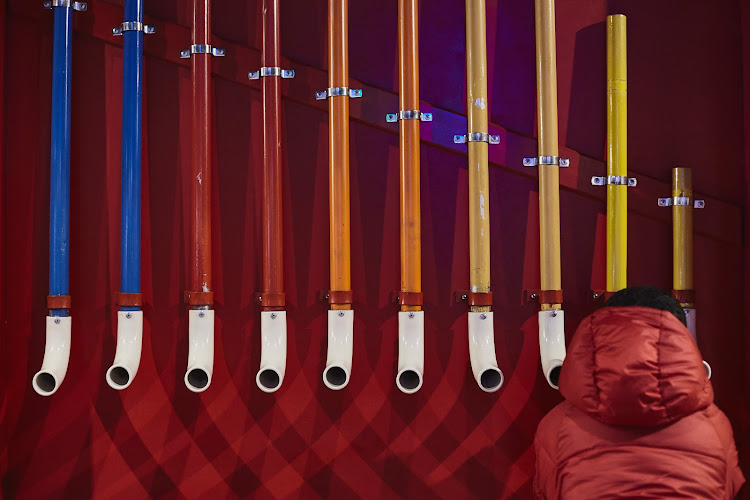
Right off the bat, if you ask me what I wish I had growing up, it’s a museum where you can touch stuff without a security guard breathing down your neck (I’m not salty, just honest). The Participatory Science Museum in Buenos Aires is just that – a hands-on haven where you’re invited not only to look but to dive right in, poke, prod, and experiment. I mean, when was the last time a museum actually asked you to play with the exhibits and rewarded curiosity with a jaw-dropping science show? Yep, this place breaks the usual rules.
The museum brings science, art, technology, math, and that gloriously unpredictable Argentine weather under one roof, with spaces that beg you to roll up your sleeves. Let’s be real for a second: museums can get stuffy, almost intimidating. But here, wide-eyed school kids, slightly skeptical teens, and yes, even us grown-ups, get to rediscover that urge to ask “What happens if I try this?” It’s not about cramming facts; it’s about lighting a spark.
And about the crowds: you’ll see a lot of parents, school groups, and the odd science nerd (like yours truly, lurking with camera in hand). Yes, weekends are popular – but there’s a joyful chaos in the laughter and experiments gone awry. It’s sensory, it’s occasionally loud, and it’s unapologetically fun. Sometimes you run into those exhibits that could use a quick tune-up, and once or twice I’ve needed to dodge a rogue toddler, but honestly, that’s the life of any busy, loved local attraction.
If you’re scouting for an experience that’ll have your kids raving – and maybe learn a thing or two yourself – this museum deserves a top spot on your Buenos Aires to-do list. Oh, and wheelchair users: the space is kind in design. Entry and restrooms are step-free. Just note the parking can be tricky if you’re looking for designated wheelchair spots.
Key Features
-
Interactive Exhibits: From creating tornadoes in a bottle to mind-bending optical illusions, you can literally get your hands dirty. Remember that electric ball that makes your hair stand up? It’s here, and still irresistible.
-
All Ages Welcome: The participatory angle means toddlers and grandparents all find something to marvel at – whether it’s a color-changing prism or a musical staircase (no, really, I watched a four-year-old and a 70-year-old both jam on this thing).
-
Math and Technology Displays: You’ll find puzzles that reveal real-world math and gadgets so clever you’ll want to tinker all day. Even if algebra was your nemesis in high school, you’ll probably have an “aha” moment here.
-
Weather Explainers: Not just for weather geeks. Hands-on stations make meteorology feel like, well, play – from wind tunnels to rain simulators. Basically, you become your own weather forecaster.
-
Science Shows & Demonstrations: These happen throughout the day and are the secret sauce. Try not to miss them. Watching liquid nitrogen in action never gets old.
-
Accessibility: Wheelchair-accessible entrance and restrooms so everyone can enjoy the show (do bring your own food though, since there’s no on-site restaurant).
-
Family Amenities: Restrooms are available and – joy of joys for parents – changing tables are on hand. No more balancing babies on your lap in a stall. If only all museums thought of that!
-
Art x Science Crossovers: Some exhibits link creative explorations with scientific concepts – expect to see art and technology making sparks (sometimes literal).
Best Time to Visit
Let’s talk timing. First off, do yourself a favor and avoid peak weekends or public holidays if you want the full “I have the museum to myself!” fantasy (I’ve tried both; midweek is hands-down the winner). School field trips are a riot but can fill up the exhibits. Pro tip: Check local calendars for holidays and school breaks, since that’s when the museum feels more like a lively science carnival.
If you’re coming as a family, aim for late morning when energy levels are high and the exhibits reset from the day before. Mid-afternoon can get busier, but sometimes that’s when the bigger shows are scheduled – a fair trade if you ask me. I once visited on a drizzly Thursday and basically had free rein – rainy days seem to keep some folks at home. Anytime between March and November is lovely, especially since the summer crowds thin out and you’ll dodge the city’s sometimes stifling January heat. And—no shame—if you’re a solo visitor who loves geeking out, the quiet hours around opening or right before closing are your best bet for really exploring.
How to Get There
Buenos Aires isn’t short on transport options, but here’s the lowdown from the perspective of someone who’s tripped and fumbled their way through the city more than once.
Public transit is king: buses and the Subte (subway) connect the museum’s area seamlessly to most parts of the city. I usually hop on Line B of the Subte—super efficient, even on a shoestring budget. (It’s fun bumping shoulders with locals, anyway.) Plan for a short walk from the closest station, and give yourself time to take in the city vibes as you stroll.
If you’re opting for a taxi or ride-share (say, you’re wrangling a kid squad or carrying gear), just be aware that street traffic can get—how do I put this politely—intense. Leave buffer time. I wildly underestimated how busy it gets during rush hour, and let’s just say I got to practice my Spanish apologizing for being late.
Bike riders, rejoice: the city now boasts bike-share stations. It’s a novel way to reach the museum and adds a pinch of adventure to your day, although I’d avoid cycling in heavy rain. For parking, street spaces fill up fast, and there’s no dedicated lot for wheelchair users, so factor in a little patience if you’re arriving by car. My advice? Pack light, keep your valuables snug, and enjoy the little discoveries on your way—Buenos Aires has a way of surprising you in the smallest alleys and plazas.
Tips for Visiting
Alright, here comes the wisdom I wish someone handed me before my first visit—scrawled on a napkin perhaps, or whispered by a fellow science geek in line.
-
Buy tickets early if you can. Especially during weekends or when there’s a special event. Nothing worse than wrangling excited kids only to find a long wait or, gasp, a sold-out sign.
-
Pace yourself! There’s no rush—you really can’t “do” the whole museum in less than two hours. (I once tried to speedrun it and missed half the best stuff.)
-
Bring snacks and water. There isn’t an on-site restaurant. Find a nearby café or pack a picnic; you’ll thank yourself midway through that third round of experiments.
-
Dress comfortably. Seriously, wear shoes you can stand in for hours. Also, bring a light sweater—some parts get chilly if the AC’s on full blast.
-
Don’t skip the live shows. The drama of real-time science is worth every minute—just check the schedule at the info desk when you arrive.
-
Capture the moments, but respect the rules. Some exhibits allow photography, others ask you to pocket your phone. Staff are friendly, so just ask—they know the cool angles, too.
-
For families: Swing by the changing facilities if you need them. Lockers are available for stashing bags, so you can roam hands-free. Keep an eye on kids during crowded hours—some little explorers get fully swept up in the magic.
-
Accessibility matters: The museum has thought things through with step-free access and accessible restrooms, though the hunt for accessible parking can be tricky. If you have questions or need help, staff are usually quick to assist.
-
Keep an open mind. Even if a few exhibits are under maintenance or have a bit of “lived-in” charm, that’s part of the experience. It’s a working, growing, bustling science playground—not a showpiece behind glass.
-
Ask staff about hidden gems. There are always quirky experiments tucked away—I learned about a shadow art installation from a staffer