Parque 9 de Julio
About Parque 9 de Julio
Description
Parque 9 de Julio stands as one of Argentina's most significant urban green spaces, offering locals and travelers alike a refreshing escape from the urban hustle. Spanning over 400 acres in San Miguel de Tucumán, this expansive park represents the heart of recreational life in northwestern Argentina. The park gets its name from Argentina's Independence Day, celebrated on July 9th, which makes sense given how the space itself embodies a kind of freedom—freedom to roam, to relax, and to reconnect with nature even while staying in the city. What strikes most visitors first is just how much territory this park covers. You could honestly spend an entire day here and still not experience everything it has to offer. I remember when I first visited parks like this, I'd underestimate how much time I'd need, thinking I could breeze through in an hour or two. Big mistake. The boating lake alone deserves at least an hour of your afternoon, especially if you're the type who enjoys just watching the water and the people around it. The park features multiple themed gardens that change character depending on which section you're exploring. Some areas feel almost European in design, with manicured pathways and formal plantings, while others embrace a more natural, wild aesthetic that lets the native landscape shine through. And honestly, this variety is what prevents the park from feeling monotonous despite its size. The museum housed within the park grounds adds an educational dimension that elevates this space beyond just being another pretty park. Meanwhile, the historic train that chugs through certain sections creates this nostalgic atmosphere that appeals to both kids and adults who never quite outgrew their fascination with locomotives. It's these unexpected elements—the combination of nature, history, and recreation—that make Parque 9 de Julio memorable rather than forgettable.Key Features
The attractions and amenities at Parque 9 de Julio deserve proper attention because they really do set this park apart from your average urban green space:- Boating Lake: The centerpiece of the park where visitors can rent paddle boats or simply walk around the perimeter enjoying the waterfront views. The lake attracts various bird species, making it unexpectedly good for casual birdwatching.
- Multiple Gardens: Different themed garden areas showcase both native Argentine plants and international species, creating distinct atmospheres throughout the park.
- Museum: On-site cultural institution that provides historical context about the region and adds educational value to what might otherwise be purely recreational visits.
- Historic Train: A functioning train that operates within the park, offering rides that are particularly popular with families and train enthusiasts.
- Cycling Lanes: Dedicated bike paths that wind through the park, making it ideal for cyclists who want car-free riding experiences.
- Playground Areas: Multiple play zones equipped with slides, swings, and other equipment designed for children of various ages.
- Dog Park: Designated area where dogs can run off-leash, making this a favorite spot for local pet owners and traveling dog lovers.
- Skateboarding Area: Purpose-built space for skateboarders and inline skaters, complete with ramps and rails.
- Hiking Trails: Marked paths suitable for walkers and hikers of different fitness levels, including kid-friendly routes.
- Picnic Tables: Scattered throughout the park, providing designated spots for meals though many visitors prefer blankets on the open grass.
- Accessibility Features: Wheelchair accessible entrances and parking areas ensure the park welcomes visitors with mobility challenges.
Best Time to Visit
Timing your visit to Parque 9 de Julio can genuinely make the difference between a good experience and a great one. The park operates year-round, but each season brings its own character and challenges. Spring (September through November) arguably offers the most pleasant conditions. The gardens burst into bloom during these months, temperatures hover in that comfortable range where you're neither sweating nor shivering, and the park hasn't yet reached its peak summer crowds. If you're into photography, spring provides the most diverse color palette with flowering plants at their showiest. Summer (December through February) sees the highest visitor numbers, particularly during January when many Argentines take their vacations. The park gets busy—sometimes almost too busy—but the boating lake becomes especially appealing when temperatures climb. Just be prepared for intense heat during midday hours. The smart locals arrive early morning or wait until late afternoon when the sun loses some of its punch. Autumn (March through May) brings cooler temperatures and fewer crowds as kids return to school. The changing foliage creates beautiful scenery, though not quite as dramatically as in some other regions. This season works particularly well for serious walkers and cyclists who want to cover distance without battling summer heat or crowds. Winter (June through August) is the least crowded season, which has its advantages if you prefer solitude. Temperatures can get quite cool, especially in early morning and evening, but midday visits remain pleasant. Some attractions may operate on reduced schedules during winter months, so check ahead if you're specifically interested in the train rides or boat rentals. Weekday visits typically offer more peaceful experiences than weekends, when local families descend on the park in numbers. If your schedule allows flexibility, Tuesday through Thursday mornings provide the best balance of pleasant weather, operational facilities, and manageable crowd levels.How to Get There
Getting to Parque 9 de Julio isn't complicated, though your transportation method will depend on where you're staying and your comfort level with different travel modes. The park sits relatively close to downtown San Miguel de Tucumán, making it accessible from most hotels and accommodations in the city center. Many visitors simply walk if their lodging is within a reasonable distance—the park's size means you'll see it from several blocks away, making navigation straightforward. Public buses serve the area around the park, with multiple lines stopping near various entrances. The local bus system in Tucumán works reasonably well, though schedules can be a bit unpredictable. If you're staying in the city for several days, asking locals or hotel staff about specific bus routes serving the park will give you current information that's more reliable than what you might find online. Taxis and ride-sharing services like Uber or Cabify operate in Tucumán and can drop you directly at whichever entrance makes most sense for your plans. This option works particularly well if you're traveling with young kids, mobility challenges, or just don't want to navigate public transportation in an unfamiliar city. If you're driving, the park offers parking areas including designated wheelchair accessible spots. However, parking can fill up quickly on weekends and holidays, so arriving early becomes even more important if you're bringing a vehicle. Street parking exists around the park's perimeter but comes with the usual urban parking challenges. Cycling to the park makes perfect sense if you're already planning to ride within it. The surrounding neighborhoods have varying levels of bike-friendly infrastructure, so scout your route beforehand or ask experienced local cyclists for recommendations on the safest approaches.Tips for Visiting
Actually enjoying Parque 9 de Julio versus just showing up requires a bit of advance thought. Here's what actually matters based on real visitor experiences rather than generic travel advice. Bring more water than you think you'll need. Sure, there are places to buy drinks within and around the park, but they're not everywhere, and carrying your own supply means you won't cut your exploration short just because you got thirsty. And trust me, walking around a 400-acre park generates thirst faster than you'd expect. The picnic situation deserves consideration. While picnic tables exist, many visitors prefer spreading blankets on the grass for a more relaxed vibe. If you're planning an outdoor meal, bringing your own food from outside the park often provides better quality and value than on-site options. Pack everything in bags you don't mind carrying, though, because distances can be substantial. Comfortable walking shoes matter more here than at smaller parks. You'll be covering significant ground even if you think you're just taking a quick stroll. I've seen too many tourists in inappropriate footwear limping their way back to entrances after underestimating the terrain. For families with children, the playground areas get crowded during peak hours, typically late morning through early afternoon on weekends. Arriving earlier or later provides better access to equipment with shorter waits. The dog park follows similar patterns if you're bringing four-legged companions. Photographers should note that the best light happens during the golden hours—early morning and late afternoon. Midday sun creates harsh shadows that flatten the gardens and lake views. But if you're shooting anyway, the museum and train offer interesting subjects regardless of lighting conditions. The cycling lanes work wonderfully but watch out for pedestrians who don't always respect the separation between walking and riding zones. Defensive cycling applies here just like anywhere else. And if you're skating in the skateboard area, local etiquette and unwritten rules exist—observe for a few minutes before jumping in if you want to avoid awkward situations. Weather changes can happen quickly, particularly during spring and autumn. Bringing a light jacket or sweater makes sense even when the forecast looks perfect. The park's size means you might be far from shelter when unexpected rain appears. Accessibility features exist throughout the park, but some areas navigate more easily than others for wheelchair users or people with mobility limitations. The paved paths around the main lake offer the smoothest experience, while some garden areas and trails present more challenges. Don't hesitate to ask park staff about the most accessible routes to features that interest you. If you're visiting during popular times, the public restrooms can get overwhelmed. They're functional but not always pristine, so adjusting expectations helps. Families with young children might want to time bathroom breaks strategically. The park's cultural events calendar sometimes includes concerts, festivals, and special activities that can either enhance your visit or create crowds you'd rather avoid. Checking ahead about scheduled events lets you decide whether to seek them out or plan around them. Finally, don't try to see everything in one visit unless you genuinely have an entire day to dedicate. The park rewards repeat visits where you can focus on different sections rather than rushing through in an attempt to tick every box. Sometimes the best park experience comes from finding one perfect spot and just being there, watching the light change and the people go by, rather than treating it like a checklist to complete.Key Features
- Over 200 hectares of green space with large lawns and shaded avenues
- Walking and cycling paths popular with locals for exercise and leisure
- Historical monuments, plazas and small memorials reflecting provincial history
- Ponds, ornamental plantings and seasonal flower displays
- Kiosks, playgrounds and open areas suitable for picnics and events
More Details
Updated March 30, 2026
Table of Contents
Description
Parque 9 de Julio stands as one of Argentina’s most significant urban green spaces, offering locals and travelers alike a refreshing escape from the urban hustle. Spanning over 400 acres in San Miguel de Tucumán, this expansive park represents the heart of recreational life in northwestern Argentina. The park gets its name from Argentina’s Independence Day, celebrated on July 9th, which makes sense given how the space itself embodies a kind of freedom—freedom to roam, to relax, and to reconnect with nature even while staying in the city.
What strikes most visitors first is just how much territory this park covers. You could honestly spend an entire day here and still not experience everything it has to offer. I remember when I first visited parks like this, I’d underestimate how much time I’d need, thinking I could breeze through in an hour or two. Big mistake. The boating lake alone deserves at least an hour of your afternoon, especially if you’re the type who enjoys just watching the water and the people around it.
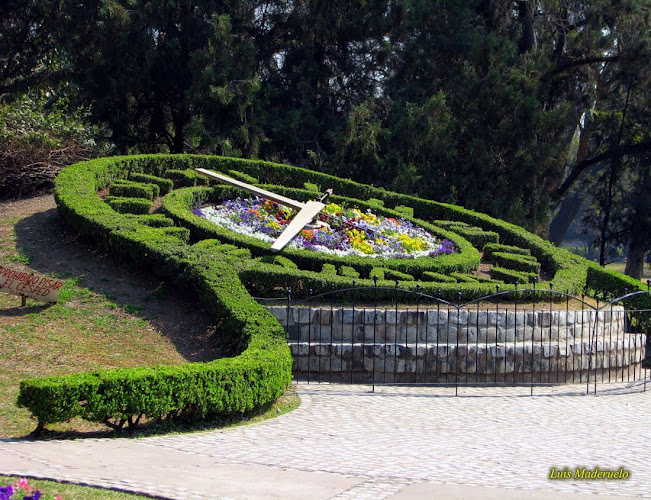
The park features multiple themed gardens that change character depending on which section you’re exploring. Some areas feel almost European in design, with manicured pathways and formal plantings, while others embrace a more natural, wild aesthetic that lets the native landscape shine through. And honestly, this variety is what prevents the park from feeling monotonous despite its size.
The museum housed within the park grounds adds an educational dimension that elevates this space beyond just being another pretty park. Meanwhile, the historic train that chugs through certain sections creates this nostalgic atmosphere that appeals to both kids and adults who never quite outgrew their fascination with locomotives. It’s these unexpected elements—the combination of nature, history, and recreation—that make Parque 9 de Julio memorable rather than forgettable.
Key Features
The attractions and amenities at Parque 9 de Julio deserve proper attention because they really do set this park apart from your average urban green space:
- Boating Lake: The centerpiece of the park where visitors can rent paddle boats or simply walk around the perimeter enjoying the waterfront views. The lake attracts various bird species, making it unexpectedly good for casual birdwatching.
- Multiple Gardens: Different themed garden areas showcase both native Argentine plants and international species, creating distinct atmospheres throughout the park.
- Museum: On-site cultural institution that provides historical context about the region and adds educational value to what might otherwise be purely recreational visits.
- Historic Train: A functioning train that operates within the park, offering rides that are particularly popular with families and train enthusiasts.
- Cycling Lanes: Dedicated bike paths that wind through the park, making it ideal for cyclists who want car-free riding experiences.
- Playground Areas: Multiple play zones equipped with slides, swings, and other equipment designed for children of various ages.
- Dog Park: Designated area where dogs can run off-leash, making this a favorite spot for local pet owners and traveling dog lovers.
- Skateboarding Area: Purpose-built space for skateboarders and inline skaters, complete with ramps and rails.
- Hiking Trails: Marked paths suitable for walkers and hikers of different fitness levels, including kid-friendly routes.
- Picnic Tables: Scattered throughout the park, providing designated spots for meals though many visitors prefer blankets on the open grass.
- Accessibility Features: Wheelchair accessible entrances and parking areas ensure the park welcomes visitors with mobility challenges.
Best Time to Visit
Timing your visit to Parque 9 de Julio can genuinely make the difference between a good experience and a great one. The park operates year-round, but each season brings its own character and challenges.
Spring (September through November) arguably offers the most pleasant conditions. The gardens burst into bloom during these months, temperatures hover in that comfortable range where you’re neither sweating nor shivering, and the park hasn’t yet reached its peak summer crowds. If you’re into photography, spring provides the most diverse color palette with flowering plants at their showiest.
Summer (December through February) sees the highest visitor numbers, particularly during January when many Argentines take their vacations. The park gets busy—sometimes almost too busy—but the boating lake becomes especially appealing when temperatures climb. Just be prepared for intense heat during midday hours. The smart locals arrive early morning or wait until late afternoon when the sun loses some of its punch.
Autumn (March through May) brings cooler temperatures and fewer crowds as kids return to school. The changing foliage creates beautiful scenery, though not quite as dramatically as in some other regions. This season works particularly well for serious walkers and cyclists who want to cover distance without battling summer heat or crowds.
Winter (June through August) is the least crowded season, which has its advantages if you prefer solitude. Temperatures can get quite cool, especially in early morning and evening, but midday visits remain pleasant. Some attractions may operate on reduced schedules during winter months, so check ahead if you’re specifically interested in the train rides or boat rentals.
Weekday visits typically offer more peaceful experiences than weekends, when local families descend on the park in numbers. If your schedule allows flexibility, Tuesday through Thursday mornings provide the best balance of pleasant weather, operational facilities, and manageable crowd levels.
How to Get There
Getting to Parque 9 de Julio isn’t complicated, though your transportation method will depend on where you’re staying and your comfort level with different travel modes.
The park sits relatively close to downtown San Miguel de Tucumán, making it accessible from most hotels and accommodations in the city center. Many visitors simply walk if their lodging is within a reasonable distance—the park’s size means you’ll see it from several blocks away, making navigation straightforward.
Public buses serve the area around the park, with multiple lines stopping near various entrances. The local bus system in Tucumán works reasonably well, though schedules can be a bit unpredictable. If you’re staying in the city for several days, asking locals or hotel staff about specific bus routes serving the park will give you current information that’s more reliable than what you might find online.
Taxis and ride-sharing services like Uber or Cabify operate in Tucumán and can drop you directly at whichever entrance makes most sense for your plans. This option works particularly well if you’re traveling with young kids, mobility challenges, or just don’t want to navigate public transportation in an unfamiliar city.
If you’re driving, the park offers parking areas including designated wheelchair accessible spots. However, parking can fill up quickly on weekends and holidays, so arriving early becomes even more important if you’re bringing a vehicle. Street parking exists around the park’s perimeter but comes with the usual urban parking challenges.
Cycling to the park makes perfect sense if you’re already planning to ride within it. The surrounding neighborhoods have varying levels of bike-friendly infrastructure, so scout your route beforehand or ask experienced local cyclists for recommendations on the safest approaches.
Tips for Visiting
Actually enjoying Parque 9 de Julio versus just showing up requires a bit of advance thought. Here’s what actually matters based on real visitor experiences rather than generic travel advice.
Bring more water than you think you’ll need. Sure, there are places to buy drinks within and around the park, but they’re not everywhere, and carrying your own supply means you won’t cut your exploration short just because you got thirsty. And trust me, walking around a 400-acre park generates thirst faster than you’d expect.
The picnic situation deserves consideration. While picnic tables exist, many visitors prefer spreading blankets on the grass for a more relaxed vibe. If you’re planning an outdoor meal, bringing your own food from outside the park often provides better quality and value than on-site options. Pack everything in bags you don’t mind carrying, though, because distances can be substantial.
Comfortable walking shoes matter more here than at smaller parks. You’ll be covering significant ground even if you think you’re just taking a quick stroll. I’ve seen too many tourists in inappropriate footwear limping their way back to entrances after underestimating the terrain.
For families with children, the playground areas get crowded during peak hours, typically late morning through early afternoon on weekends. Arriving earlier or later provides better access to equipment with shorter waits. The dog park follows similar patterns if you’re bringing four-legged companions.
Photographers should note that the best light happens during the golden hours—early morning and late afternoon. Midday sun creates harsh shadows that flatten the gardens and lake views. But if you’re shooting anyway, the museum and train offer interesting subjects regardless of lighting conditions.
The cycling lanes work wonderfully but watch out for pedestrians who don’t always respect the separation between walking and riding zones. Defensive cycling applies here just like anywhere else. And if you’re skating in the skateboard area, local etiquette and unwritten rules exist—observe for a few minutes before jumping in if you want to avoid awkward situations.
Weather changes can happen quickly, particularly during spring and autumn. Bringing a light jacket or sweater makes sense even when the forecast looks perfect. The park’s size means you might be far from shelter when unexpected rain appears.
Accessibility features exist throughout the park, but some areas navigate more easily than others for wheelchair users or people with mobility limitations. The paved paths around the main lake offer the smoothest experience, while some garden areas and trails present more challenges. Don’t hesitate to ask park staff about the most accessible routes to features that interest you.
If you’re visiting during popular times, the public restrooms can get overwhelmed. They’re functional but not always pristine, so adjusting expectations helps. Families with young children might want to time bathroom breaks strategically.
The park’s cultural events calendar sometimes includes concerts, festivals, and special activities that can either enhance your visit or create crowds you’d rather avoid. Checking ahead about scheduled events lets you decide whether to seek them out or plan around them.
Finally, don’t try to see everything in one visit unless you genuinely have an entire day to dedicate. The park rewards repeat visits where you can focus on different sections rather than rushing through in an attempt to tick every box. Sometimes the best park experience comes from finding one perfect spot and just being there, watching the light change and the people go by, rather than treating it like a checklist to complete.
Key Highlights
- Over 200 hectares of green space with large lawns and shaded avenues
- Walking and cycling paths popular with locals for exercise and leisure
- Historical monuments, plazas and small memorials reflecting provincial history
- Ponds, ornamental plantings and seasonal flower displays
- Kiosks, playgrounds and open areas suitable for picnics and events
Location
Places to Stay Near Parque 9 de Julio
Find and Book a Tour
Explore More Travel Guides
No reviews found! Be the first to review!
Parque 9 de Julio is a prominent attractions located in San Miguel de Tucumán.
Visit us at: Av. Soldati SN, San Miguel de Tucumán, Tucumán, Argentina.
Traveler Reviews for Parque 9 de Julio
There are no reviews yet. Be the first one to write one.
Have you visited Parque 9 de Julio? Help other travelers by sharing your review.
Nearby Attractions
Find Accommodations Nearby
Recommended Tours & Activities
Visitor Reviews
There are no reviews yet. Be the first one to write one.
Share Your Experience
Have you visited Parque 9 de Julio? Help other travelers by leaving a review.
