Catedral de Nuestra Señora de la Encarnación
About Catedral de Nuestra Señora de la Encarnación
Description
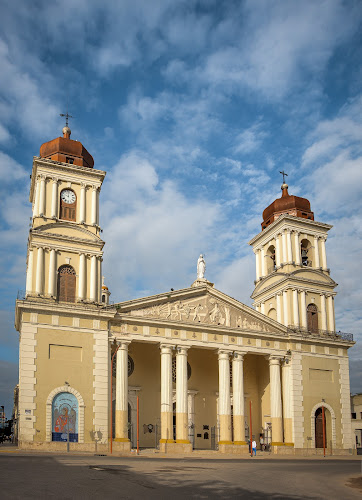
The Catedral de Nuestra Señora de la Encarnación stands as one of those architectural treasures that somehow manages to surprise visitors even in an age where we've all seen thousands of cathedral photos on Instagram. This stunning cathedral isn't just another stop on the tourist trail – it's a living testament to centuries of faith, artistry, and the kind of architectural ambition that makes you wonder how people built something this magnificent without modern machinery. Walking up to this cathedral for the first time, travelers often find themselves stopping in their tracks. The building commands attention without being ostentatious, which is quite the feat considering its size and grandeur. Built over several centuries, the cathedral reflects various architectural styles that somehow work together in harmony rather than creating a chaotic mishmash. You'll notice Renaissance influences blending with Baroque elements, all wrapped up in a distinctly Spanish character that reflects the region's rich cultural heritage. What really sets this cathedral apart from others you might visit during your travels is its authenticity. And I don't mean that in some touristy, manufactured way. This is a functioning place of worship where locals still gather for mass, celebrate weddings, and mark important life events. You're not just visiting a museum piece – you're stepping into a space that continues to serve its original purpose hundreds of years after its construction began. The interior will likely take your breath away, though not in the overwhelming, gilded-everything approach some cathedrals take. There's a restraint here, a certain elegance in how the space unfolds. The high vaulted ceilings create an atmosphere of reverence without making you feel small and insignificant. Natural light filters through in ways that change throughout the day, transforming the interior experience depending on when you visit.Key Features
Visitors to the Catedral de Nuestra Señora de la Encarnación will discover numerous remarkable features that make this cathedral worth adding to any travel itinerary: • The main altar showcases exceptional craftsmanship with intricate carvings and religious imagery that took skilled artisans years to complete • Multiple side chapels offer quieter spaces for reflection, each with its own unique artistic elements and historical significance • The cathedral's facade presents a masterclass in Spanish colonial architecture, with details that reveal something new each time you look • Original religious artwork adorns the walls, including pieces by regional artists whose work rarely receives the international attention it deserves • The choir section features beautifully carved wooden stalls that demonstrate the incredible woodworking skills of craftsmen from centuries past • Accessible entrance and facilities ensure visitors with mobility challenges can fully experience the cathedral's beauty • Active participation in local religious life means you might witness traditional ceremonies and celebrations during your visit • The building's structural elements showcase engineering ingenuity from an era when architects had to rely on mathematical principles and experience rather than computer modeling • Restroom facilities on-site make extended visits more comfortable, which honestly matters more than most travel guides want to admit • The acoustics inside create an almost otherworldly quality during musical performances and servicesBest Time to Visit
Timing your visit to the Catedral de Nuestra Señora de la Encarnación can significantly impact your experience, and I learned this the hard way during my travels through Spain. The cathedral welcomes visitors throughout the year, but certain times definitely offer advantages over others. Early morning visits, particularly on weekdays, provide the most peaceful experience. You'll encounter fewer tour groups and have more space to appreciate the architecture without dodging selfie sticks. The morning light also creates particularly beautiful effects as it streams through the windows, illuminating the interior in ways that afternoon sun just doesn't replicate. If you're hoping to experience the cathedral during a mass, Sunday mornings offer regular services where you can observe local worship traditions. But be respectful – attending mass as a cultural observer requires appropriate behavior and dress. This isn't the time for shorts and tank tops, folks. The shoulder seasons of spring and fall generally bring more comfortable temperatures and smaller crowds compared to the summer peak tourist months. Summer can get packed with tour groups, and the heat outside might make you more focused on finding air conditioning than appreciating Renaissance architecture. Though I'll be honest, sometimes the cool stone interior provides welcome relief from scorching summer days. Avoiding major holidays and festival periods might seem counterintuitive, but unless you specifically want to witness special celebrations, these times bring massive crowds that make quiet contemplation nearly impossible. On the flip side, experiencing a major religious celebration here offers a unique glimpse into local traditions you won't find in guidebooks. Late afternoon visits work well if you want to see the cathedral in different lighting conditions. The changing sun angles create an entirely different atmosphere than morning visits. Just check the closing times beforehand – showing up thirty minutes before closing when staff are clearly ready to go home isn't the move.How to Get There
Getting to the Catedral de Nuestra Señora de la Encarnación proves relatively straightforward for most travelers, though your exact route will depend on where you're staying and your preferred transportation method. For visitors staying in the city center, walking often presents the best option. The cathedral's central location makes it accessible on foot from many hotels and accommodations, and you'll get to experience the surrounding area along the way. Plus, you'll avoid the stress of finding parking, which can be a nightmare in historic districts. Public transportation serves the area well, with several bus routes stopping within easy walking distance of the cathedral. Local buses provide an inexpensive way to reach the cathedral while also giving you a taste of daily life in the city. Don't be intimidated if you don't speak fluent Spanish – bus drivers generally deal with confused tourists regularly and most people are happy to help if you ask politely. Taxis and ride-sharing services can drop you right near the cathedral, which works great if you're traveling with people who have mobility concerns or if you're visiting during particularly hot weather. The wheelchair accessible entrance means visitors using mobility aids can enter without difficulty. If you're driving, parking lots exist in the vicinity, including accessible parking options. However, parking in historic city centers always comes with challenges – spaces fill up quickly, especially during peak tourist season, and navigating narrow streets designed for horse-drawn carriages can test even experienced drivers' nerves. Many organized tours include the cathedral as part of broader city sightseeing packages. While this reduces flexibility, it eliminates navigation stress and often provides historical context you might miss exploring independently.Tips for Visiting
Making the most of your cathedral visit requires a bit of preparation and awareness of local customs and practical considerations that can enhance your experience. Dress appropriately. This is still an active place of worship, and showing up in beachwear or overly revealing clothing shows disrespect to both the religious significance of the space and local worshippers. Cover shoulders and knees at minimum – it's not about being prudish, it's about being considerate. Some cathedrals enforce dress codes strictly and may refuse entry to inappropriately dressed visitors. Bring cash for donations. While entry might be free or very inexpensive, contributing to the cathedral's maintenance helps preserve this architectural treasure for future generations. These buildings require constant upkeep, and tourism revenue supports essential conservation work. Photography policies vary, so check before snapping away. Some areas might prohibit photography entirely, particularly during services. And even where photos are allowed, turn off your flash – the light damages artwork and artifacts over time, plus it annoys everyone around you. Visit the restroom before exploring if possible, though facilities are available on-site. Nothing ruins contemplating centuries-old religious art quite like desperately needing to pee. Allow more time than you think you'll need. Rushing through diminishes the experience significantly. An hour minimum gives you time to actually absorb the atmosphere and architectural details rather than just checking a box on your itinerary. Mind your noise level. Speaking in hushed tones respects both the sacred nature of the space and other visitors seeking peaceful contemplation. Save the loud conversations for outside. Consider hiring a local guide or using an audio guide if available. The historical and artistic context they provide transforms the visit from "looking at old stuff" to genuinely understanding what you're seeing and why it matters. Check the mass schedule if you want to avoid or attend services. Wandering in during an active service as a tourist creates awkward situations for everyone involved. Watch your belongings. Unfortunately, even in sacred spaces, pickpockets sometimes target distracted tourists. Keep bags zipped and valuables secure. Take advantage of the accessibility features if you need them. The wheelchair accessible entrance and facilities mean mobility challenges shouldn't prevent anyone from experiencing this remarkable cathedral. But most importantly, take time to just sit and observe. Put away your phone, stop worrying about the perfect Instagram shot, and actually experience being present in this extraordinary space. The cathedral has stood for centuries and will outlast us all – giving it your full attention for even fifteen minutes creates memories that photo galleries on your phone simply cannot replicate.Key Features
- Key Features
- Best Time to Visit
- How to Get There
- Tips for Visiting
More Details
Updated March 30, 2026
Table of Contents
- Description
- Key Features
- Best Time to Visit
- How to Get There
- Tips for Visiting
- Key Highlights
- Location
- Places to Stay Near Catedral de Nuestra Señora de la Encarnación
- Find and Book a Tour
- Explore More Travel Guides
- Nearby Places You Might Like
- Traveler Reviews for Catedral de Nuestra Señora de la Encarnación
- Share Your Experience
Description
The Catedral de Nuestra Señora de la Encarnación stands as one of those architectural treasures that somehow manages to surprise visitors even in an age where we’ve all seen thousands of cathedral photos on Instagram. This stunning cathedral isn’t just another stop on the tourist trail – it’s a living testament to centuries of faith, artistry, and the kind of architectural ambition that makes you wonder how people built something this magnificent without modern machinery.
Walking up to this cathedral for the first time, travelers often find themselves stopping in their tracks. The building commands attention without being ostentatious, which is quite the feat considering its size and grandeur. Built over several centuries, the cathedral reflects various architectural styles that somehow work together in harmony rather than creating a chaotic mishmash. You’ll notice Renaissance influences blending with Baroque elements, all wrapped up in a distinctly Spanish character that reflects the region’s rich cultural heritage.
What really sets this cathedral apart from others you might visit during your travels is its authenticity. And I don’t mean that in some touristy, manufactured way. This is a functioning place of worship where locals still gather for mass, celebrate weddings, and mark important life events. You’re not just visiting a museum piece – you’re stepping into a space that continues to serve its original purpose hundreds of years after its construction began.
The interior will likely take your breath away, though not in the overwhelming, gilded-everything approach some cathedrals take. There’s a restraint here, a certain elegance in how the space unfolds. The high vaulted ceilings create an atmosphere of reverence without making you feel small and insignificant. Natural light filters through in ways that change throughout the day, transforming the interior experience depending on when you visit.
Key Features
Visitors to the Catedral de Nuestra Señora de la Encarnación will discover numerous remarkable features that make this cathedral worth adding to any travel itinerary:
• The main altar showcases exceptional craftsmanship with intricate carvings and religious imagery that took skilled artisans years to complete
• Multiple side chapels offer quieter spaces for reflection, each with its own unique artistic elements and historical significance
• The cathedral’s facade presents a masterclass in Spanish colonial architecture, with details that reveal something new each time you look
• Original religious artwork adorns the walls, including pieces by regional artists whose work rarely receives the international attention it deserves
• The choir section features beautifully carved wooden stalls that demonstrate the incredible woodworking skills of craftsmen from centuries past
• Accessible entrance and facilities ensure visitors with mobility challenges can fully experience the cathedral’s beauty
• Active participation in local religious life means you might witness traditional ceremonies and celebrations during your visit
• The building’s structural elements showcase engineering ingenuity from an era when architects had to rely on mathematical principles and experience rather than computer modeling
• Restroom facilities on-site make extended visits more comfortable, which honestly matters more than most travel guides want to admit
• The acoustics inside create an almost otherworldly quality during musical performances and services
Best Time to Visit
Timing your visit to the Catedral de Nuestra Señora de la Encarnación can significantly impact your experience, and I learned this the hard way during my travels through Spain. The cathedral welcomes visitors throughout the year, but certain times definitely offer advantages over others.
Early morning visits, particularly on weekdays, provide the most peaceful experience. You’ll encounter fewer tour groups and have more space to appreciate the architecture without dodging selfie sticks. The morning light also creates particularly beautiful effects as it streams through the windows, illuminating the interior in ways that afternoon sun just doesn’t replicate.
If you’re hoping to experience the cathedral during a mass, Sunday mornings offer regular services where you can observe local worship traditions. But be respectful – attending mass as a cultural observer requires appropriate behavior and dress. This isn’t the time for shorts and tank tops, folks.
The shoulder seasons of spring and fall generally bring more comfortable temperatures and smaller crowds compared to the summer peak tourist months. Summer can get packed with tour groups, and the heat outside might make you more focused on finding air conditioning than appreciating Renaissance architecture. Though I’ll be honest, sometimes the cool stone interior provides welcome relief from scorching summer days.
Avoiding major holidays and festival periods might seem counterintuitive, but unless you specifically want to witness special celebrations, these times bring massive crowds that make quiet contemplation nearly impossible. On the flip side, experiencing a major religious celebration here offers a unique glimpse into local traditions you won’t find in guidebooks.
Late afternoon visits work well if you want to see the cathedral in different lighting conditions. The changing sun angles create an entirely different atmosphere than morning visits. Just check the closing times beforehand – showing up thirty minutes before closing when staff are clearly ready to go home isn’t the move.
How to Get There
Getting to the Catedral de Nuestra Señora de la Encarnación proves relatively straightforward for most travelers, though your exact route will depend on where you’re staying and your preferred transportation method.
For visitors staying in the city center, walking often presents the best option. The cathedral’s central location makes it accessible on foot from many hotels and accommodations, and you’ll get to experience the surrounding area along the way. Plus, you’ll avoid the stress of finding parking, which can be a nightmare in historic districts.
Public transportation serves the area well, with several bus routes stopping within easy walking distance of the cathedral. Local buses provide an inexpensive way to reach the cathedral while also giving you a taste of daily life in the city. Don’t be intimidated if you don’t speak fluent Spanish – bus drivers generally deal with confused tourists regularly and most people are happy to help if you ask politely.
Taxis and ride-sharing services can drop you right near the cathedral, which works great if you’re traveling with people who have mobility concerns or if you’re visiting during particularly hot weather. The wheelchair accessible entrance means visitors using mobility aids can enter without difficulty.
If you’re driving, parking lots exist in the vicinity, including accessible parking options. However, parking in historic city centers always comes with challenges – spaces fill up quickly, especially during peak tourist season, and navigating narrow streets designed for horse-drawn carriages can test even experienced drivers’ nerves.
Many organized tours include the cathedral as part of broader city sightseeing packages. While this reduces flexibility, it eliminates navigation stress and often provides historical context you might miss exploring independently.
Tips for Visiting
Making the most of your cathedral visit requires a bit of preparation and awareness of local customs and practical considerations that can enhance your experience.
Dress appropriately. This is still an active place of worship, and showing up in beachwear or overly revealing clothing shows disrespect to both the religious significance of the space and local worshippers. Cover shoulders and knees at minimum – it’s not about being prudish, it’s about being considerate. Some cathedrals enforce dress codes strictly and may refuse entry to inappropriately dressed visitors.
Bring cash for donations. While entry might be free or very inexpensive, contributing to the cathedral’s maintenance helps preserve this architectural treasure for future generations. These buildings require constant upkeep, and tourism revenue supports essential conservation work.
Photography policies vary, so check before snapping away. Some areas might prohibit photography entirely, particularly during services. And even where photos are allowed, turn off your flash – the light damages artwork and artifacts over time, plus it annoys everyone around you.
Visit the restroom before exploring if possible, though facilities are available on-site. Nothing ruins contemplating centuries-old religious art quite like desperately needing to pee.
Allow more time than you think you’ll need. Rushing through diminishes the experience significantly. An hour minimum gives you time to actually absorb the atmosphere and architectural details rather than just checking a box on your itinerary.
Mind your noise level. Speaking in hushed tones respects both the sacred nature of the space and other visitors seeking peaceful contemplation. Save the loud conversations for outside.
Consider hiring a local guide or using an audio guide if available. The historical and artistic context they provide transforms the visit from “looking at old stuff” to genuinely understanding what you’re seeing and why it matters.
Check the mass schedule if you want to avoid or attend services. Wandering in during an active service as a tourist creates awkward situations for everyone involved.
Watch your belongings. Unfortunately, even in sacred spaces, pickpockets sometimes target distracted tourists. Keep bags zipped and valuables secure.
Take advantage of the accessibility features if you need them. The wheelchair accessible entrance and facilities mean mobility challenges shouldn’t prevent anyone from experiencing this remarkable cathedral.
But most importantly, take time to just sit and observe. Put away your phone, stop worrying about the perfect Instagram shot, and actually experience being present in this extraordinary space. The cathedral has stood for centuries and will outlast us all – giving it your full attention for even fifteen minutes creates memories that photo galleries on your phone simply cannot replicate.
Key Highlights
- Key Features
- Best Time to Visit
- How to Get There
- Tips for Visiting
Location
Places to Stay Near Catedral de Nuestra Señora de la Encarnación
Find and Book a Tour
Explore More Travel Guides
No reviews found! Be the first to review!
Catedral de Nuestra Señora de la Encarnación is a prominent attractions located in San Miguel de Tucumán.
Visit us at: Av. 24 de Septiembre 420, T4000CNJ San Miguel de Tucumán, Tucumán, Argentine.
Traveler Reviews for Catedral de Nuestra Señora de la Encarnación
There are no reviews yet. Be the first one to write one.
Have you visited Catedral de Nuestra Señora de la Encarnación? Help other travelers by sharing your review.
Find Accommodations Nearby
Recommended Tours & Activities
Visitor Reviews
There are no reviews yet. Be the first one to write one.
Share Your Experience
Have you visited Catedral de Nuestra Señora de la Encarnación? Help other travelers by leaving a review.
