About Av. 24 de Septiembre 253

Description

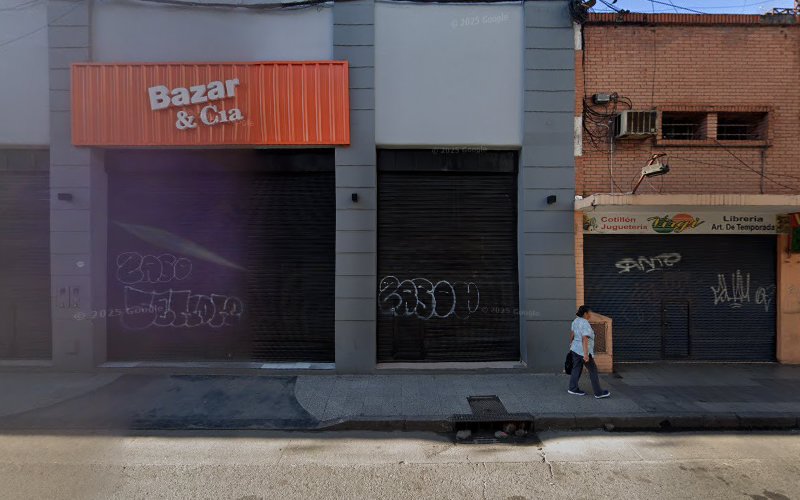
When travelers find themselves exploring the fascinating streets of Bolivia, they often stumble upon addresses that become memorable parts of their journey. Av. 24 de Septiembre 253 represents one of those authentic urban experiences that captures the essence of local life in this South American destination. The street itself tells a story of modern Bolivian culture, where everyday activities blend seamlessly with the rhythm of city living. I remember my first time wandering through Bolivian streets, honestly feeling a bit lost but in the best possible way. There's something about these addresses that become reference points not just for navigation but for understanding how a city breathes and moves. This particular location sits in an area that sees both locals going about their daily routines and travelers seeking genuine experiences beyond the typical tourist circuit. The avenue carries historical significance through its name—24 de Septiembre commemorates an important date in the region's history—and buildings along this street reflect various architectural periods that Bolivia has experienced. You'll notice how the urban landscape here differs from the postcard-perfect colonial centers that dominate travel brochures. Instead, this represents the working heart of the city where real life happens. Walking along this stretch, visitors get an unfiltered view of contemporary Bolivian society. The surrounding area features a mix of commercial establishments, residential buildings, and public spaces that locals actually use. And that's exactly what makes places like this valuable for travelers who want to move beyond surface-level tourism. You're not watching a performance put on for tourists—you're witnessing the actual daily flow of a Bolivian neighborhood.

Key Features

The distinctive characteristics of Av. 24 de Septiembre 253 and its surrounding area offer travelers several noteworthy aspects worth experiencing: • Authentic Urban Environment: The location provides an unvarnished look at everyday Bolivian city life, free from tourist-oriented modifications or artificial enhancements • Strategic Central Position: Situated in an area that connects various parts of the city, making it a practical base for exploring different neighborhoods • Local Commerce: Nearby shops and businesses cater primarily to residents rather than tourists, offering genuine products and services at local prices • Residential Character: The street maintains its function as a living neighborhood rather than a commercialized tourist zone • Transportation Access: The avenue serves as a transit corridor with multiple options for moving throughout the city • Cultural Immersion: Daily interactions here provide natural opportunities to practice Spanish and engage with Bolivian customs • Architectural Variety: Buildings along the street showcase different construction periods, reflecting the city's development over time • Practical Amenities: Access to services that travelers actually need during extended stays rather than just souvenir shops

Best Time to Visit

Timing your visit to Av. 24 de Septiembre 253 really depends on what kind of experience you're after. But let me share what I've learned about getting the most from urban Bolivian locations like this one. The dry season from May through October generally offers the most comfortable weather conditions for exploring on foot. During these months, you'll encounter clearer skies and less rainfall, which makes wandering the streets considerably more pleasant. Temperatures remain moderate, though mornings can be quite cool—something that catches many travelers off guard when they first arrive. Weekday mornings between 8 AM and 10 AM present perhaps the most authentic slice of local life. This is when the neighborhood truly comes alive with people heading to work, opening shops, and going about their daily business. The energy is palpable and quite different from the quieter weekend atmosphere. If you're an early riser (which I'll admit, I'm usually not), this timing rewards you with the most genuine cultural observation. Tuesday through Thursday tend to be slightly less hectic than Mondays and Fridays, offering a balanced experience where you can observe regular activity without feeling overwhelmed by weekend crowds or the rushed energy of week beginnings and endings. I've found these mid-week days ideal for casual exploration when you want to take your time. The late afternoon period around 4 PM to 6 PM marks another interesting time frame. People finish their work days, students return home, and the street takes on a different character. Small food vendors might appear, and the social dynamics shift noticeably. It's less about rushing and more about transitioning into evening mode. Avoid planning important visits during major Bolivian holidays or festivals when many businesses close and the usual rhythm gets disrupted. While festivals can be exciting in their own right, they don't showcase the typical daily patterns that make this location interesting for cultural observation. Weather-wise, the rainy season from November through March can turn streets muddy and make walking less enjoyable, though it shouldn't completely deter you if that's when your travel schedule demands. Just bring appropriate footwear and perhaps an umbrella that actually works.

How to Get There

Getting yourself to Av. 24 de Septiembre 253 requires some navigation skills, but honestly, that's part of the adventure. Bolivian cities aren't always set up with tourist-friendly wayfinding, which means you'll need to channel your inner explorer a bit. Taxis remain the most straightforward option for travelers unfamiliar with local transportation systems. When taking a taxi, have the address written clearly or saved on your phone to show the driver. Many taxi drivers don't use GPS consistently, so verbal directions combined with the written address work best. Negotiate the fare before departing or ensure the meter is running to avoid misunderstandings later. Ride-sharing apps have gained traction in larger Bolivian cities, offering an alternative that provides pricing transparency and GPS tracking. These services work similarly to what you'd experience in other countries, though coverage may be less comprehensive than in major global cities. Download the relevant apps before your trip and set up your account while you still have reliable internet access. Public transportation, specifically minibuses and micros, offers the most economical option though it comes with a steeper learning curve. Routes aren't always clearly marked for outsiders, and you'll need to listen for route callers announcing destinations. If you're comfortable with some trial and error, this method provides the most authentic local experience and costs just a fraction of taxi fares. Walking from nearby major landmarks or plazas can work if you're staying relatively close. Bolivian cities are more walkable than many travelers expect, though altitude considerations matter significantly. The thinner air means you'll tire more quickly than at sea level, so don't overestimate your walking capacity, especially during your first few days. For those arriving from the airport, pre-arranged transportation through your accommodation often makes the most sense for initial arrival. Once you're settled and have oriented yourself to the city layout, you can experiment with other transportation methods for subsequent visits to the area. Google Maps functions reasonably well in Bolivian cities, though offline maps downloaded in advance prove invaluable when mobile data becomes unreliable. Screenshot key intersections and save the address in multiple formats to ensure you're not left stranded without directions.

Tips for Visiting

After spending time in similar Bolivian neighborhoods, I've gathered some practical wisdom that'll make your visit to Av. 24 de Septiembre 253 considerably smoother. First off, bring cash—and I mean physical bolivianos. While card payment infrastructure continues expanding, many smaller establishments in residential areas still operate on a cash-only basis. ATMs exist throughout the city, but they're not always conveniently located right when you need one. Having denominations smaller than 100 boliviano notes helps too since getting change for large bills can sometimes be problematic. Dress practically rather than flashily. This isn't a tourist showcase area, so wearing expensive jewelry or carrying high-end cameras openly marks you as an obvious target. Blend in with casual, modest clothing that respects local norms while keeping you comfortable. Layering matters because Bolivian weather can shift dramatically between morning chill and afternoon warmth. Learn some basic Spanish phrases before arriving. While hand gestures and translation apps provide backup, being able to exchange simple greetings and ask basic questions in Spanish creates significantly better interactions with locals. People genuinely appreciate the effort, even if your pronunciation is terrible—trust me, mine certainly is. Watch your step literally. Sidewalk conditions vary wildly, with uneven surfaces, unexpected drop-offs, and occasional obstacles that require attention. Looking at your phone while walking here is basically asking to trip over something. Stay aware of your surroundings both for safety and to actually notice the interesting details you came to see. Altitude adjustment is real and affects everyone differently. If you're arriving from sea level, give yourself time to acclimate before attempting extensive walking or physical activity. Drink more water than you think necessary, and don't push through severe headaches or shortness of breath. Some travelers breeze through adjustment while others need several days—there's no predicting how your body will respond. Street food presents tempting opportunities but comes with risk considerations. If you decide to try local food vendors, choose places where you see locals actively eating and where food is cooked fresh in front of you. Avoid items that have been sitting out for unknown periods. Your stomach will thank you for exercising some caution. Photography etiquette matters more in residential areas than tourist zones. Always ask permission before photographing people directly, and respect when someone declines. Many locals don't appreciate being treated as exotic subjects for visitor photos. Building interiors and street scenes generally pose fewer issues, but remain sensitive to privacy concerns. Keep your accommodation's address and contact information easily accessible. Getting turned around in unfamiliar urban areas happens to everyone, and being able to show a taxi driver exactly where you need to return provides peace of mind. Having your embassy or consulate contact info saved doesn't hurt either. Business hours can be unpredictable, with some establishments closing for extended lunch periods or operating on schedules that seem inconsistent. Don't assume something will be open just because it's during normal business hours—flexibility is essential when navigating areas off the tourist trail. Finally, approach the experience with genuine curiosity rather than expectations. Places like Av. 24 de Septiembre 253 won't provide polished, Instagram-ready moments at every turn. Instead, they offer something potentially more valuable—authentic glimpses into how real people live their daily lives in Bolivia. That authenticity, with all its imperfections and surprises, is precisely what makes visiting worthwhile for travelers seeking experiences beyond the conventional tourist path.

Key Features

  • Historic basilica with ties to local independence-era history
  • Venerated image of Nuestra Señora de la Merced (important local devotion)
  • Architectural details blending colonial and later restorations
  • Active parish life: masses, processions and community events
  • Central location on Av. 24 de Septiembre, easy access to city sights

More Details

Updated March 30, 2026

Description

When travelers find themselves exploring the fascinating streets of Bolivia, they often stumble upon addresses that become memorable parts of their journey. Av. 24 de Septiembre 253 represents one of those authentic urban experiences that captures the essence of local life in this South American destination. The street itself tells a story of modern Bolivian culture, where everyday activities blend seamlessly with the rhythm of city living.

I remember my first time wandering through Bolivian streets, honestly feeling a bit lost but in the best possible way. There’s something about these addresses that become reference points not just for navigation but for understanding how a city breathes and moves. This particular location sits in an area that sees both locals going about their daily routines and travelers seeking genuine experiences beyond the typical tourist circuit.

The avenue carries historical significance through its name—24 de Septiembre commemorates an important date in the region’s history—and buildings along this street reflect various architectural periods that Bolivia has experienced. You’ll notice how the urban landscape here differs from the postcard-perfect colonial centers that dominate travel brochures. Instead, this represents the working heart of the city where real life happens.

Walking along this stretch, visitors get an unfiltered view of contemporary Bolivian society. The surrounding area features a mix of commercial establishments, residential buildings, and public spaces that locals actually use. And that’s exactly what makes places like this valuable for travelers who want to move beyond surface-level tourism. You’re not watching a performance put on for tourists—you’re witnessing the actual daily flow of a Bolivian neighborhood.

Key Features

The distinctive characteristics of Av. 24 de Septiembre 253 and its surrounding area offer travelers several noteworthy aspects worth experiencing:

Authentic Urban Environment: The location provides an unvarnished look at everyday Bolivian city life, free from tourist-oriented modifications or artificial enhancements

Strategic Central Position: Situated in an area that connects various parts of the city, making it a practical base for exploring different neighborhoods

Local Commerce: Nearby shops and businesses cater primarily to residents rather than tourists, offering genuine products and services at local prices

Residential Character: The street maintains its function as a living neighborhood rather than a commercialized tourist zone

Transportation Access: The avenue serves as a transit corridor with multiple options for moving throughout the city

Cultural Immersion: Daily interactions here provide natural opportunities to practice Spanish and engage with Bolivian customs

Architectural Variety: Buildings along the street showcase different construction periods, reflecting the city’s development over time

Practical Amenities: Access to services that travelers actually need during extended stays rather than just souvenir shops

Best Time to Visit

Timing your visit to Av. 24 de Septiembre 253 really depends on what kind of experience you’re after. But let me share what I’ve learned about getting the most from urban Bolivian locations like this one.

The dry season from May through October generally offers the most comfortable weather conditions for exploring on foot. During these months, you’ll encounter clearer skies and less rainfall, which makes wandering the streets considerably more pleasant. Temperatures remain moderate, though mornings can be quite cool—something that catches many travelers off guard when they first arrive.

Weekday mornings between 8 AM and 10 AM present perhaps the most authentic slice of local life. This is when the neighborhood truly comes alive with people heading to work, opening shops, and going about their daily business. The energy is palpable and quite different from the quieter weekend atmosphere. If you’re an early riser (which I’ll admit, I’m usually not), this timing rewards you with the most genuine cultural observation.

Tuesday through Thursday tend to be slightly less hectic than Mondays and Fridays, offering a balanced experience where you can observe regular activity without feeling overwhelmed by weekend crowds or the rushed energy of week beginnings and endings. I’ve found these mid-week days ideal for casual exploration when you want to take your time.

The late afternoon period around 4 PM to 6 PM marks another interesting time frame. People finish their work days, students return home, and the street takes on a different character. Small food vendors might appear, and the social dynamics shift noticeably. It’s less about rushing and more about transitioning into evening mode.

Avoid planning important visits during major Bolivian holidays or festivals when many businesses close and the usual rhythm gets disrupted. While festivals can be exciting in their own right, they don’t showcase the typical daily patterns that make this location interesting for cultural observation.

Weather-wise, the rainy season from November through March can turn streets muddy and make walking less enjoyable, though it shouldn’t completely deter you if that’s when your travel schedule demands. Just bring appropriate footwear and perhaps an umbrella that actually works.

How to Get There

Getting yourself to Av. 24 de Septiembre 253 requires some navigation skills, but honestly, that’s part of the adventure. Bolivian cities aren’t always set up with tourist-friendly wayfinding, which means you’ll need to channel your inner explorer a bit.

Taxis remain the most straightforward option for travelers unfamiliar with local transportation systems. When taking a taxi, have the address written clearly or saved on your phone to show the driver. Many taxi drivers don’t use GPS consistently, so verbal directions combined with the written address work best. Negotiate the fare before departing or ensure the meter is running to avoid misunderstandings later.

Ride-sharing apps have gained traction in larger Bolivian cities, offering an alternative that provides pricing transparency and GPS tracking. These services work similarly to what you’d experience in other countries, though coverage may be less comprehensive than in major global cities. Download the relevant apps before your trip and set up your account while you still have reliable internet access.

Public transportation, specifically minibuses and micros, offers the most economical option though it comes with a steeper learning curve. Routes aren’t always clearly marked for outsiders, and you’ll need to listen for route callers announcing destinations. If you’re comfortable with some trial and error, this method provides the most authentic local experience and costs just a fraction of taxi fares.

Walking from nearby major landmarks or plazas can work if you’re staying relatively close. Bolivian cities are more walkable than many travelers expect, though altitude considerations matter significantly. The thinner air means you’ll tire more quickly than at sea level, so don’t overestimate your walking capacity, especially during your first few days.

For those arriving from the airport, pre-arranged transportation through your accommodation often makes the most sense for initial arrival. Once you’re settled and have oriented yourself to the city layout, you can experiment with other transportation methods for subsequent visits to the area.

Google Maps functions reasonably well in Bolivian cities, though offline maps downloaded in advance prove invaluable when mobile data becomes unreliable. Screenshot key intersections and save the address in multiple formats to ensure you’re not left stranded without directions.

Tips for Visiting

After spending time in similar Bolivian neighborhoods, I’ve gathered some practical wisdom that’ll make your visit to Av. 24 de Septiembre 253 considerably smoother.

First off, bring cash—and I mean physical bolivianos. While card payment infrastructure continues expanding, many smaller establishments in residential areas still operate on a cash-only basis. ATMs exist throughout the city, but they’re not always conveniently located right when you need one. Having denominations smaller than 100 boliviano notes helps too since getting change for large bills can sometimes be problematic.

Dress practically rather than flashily. This isn’t a tourist showcase area, so wearing expensive jewelry or carrying high-end cameras openly marks you as an obvious target. Blend in with casual, modest clothing that respects local norms while keeping you comfortable. Layering matters because Bolivian weather can shift dramatically between morning chill and afternoon warmth.

Learn some basic Spanish phrases before arriving. While hand gestures and translation apps provide backup, being able to exchange simple greetings and ask basic questions in Spanish creates significantly better interactions with locals. People genuinely appreciate the effort, even if your pronunciation is terrible—trust me, mine certainly is.

Watch your step literally. Sidewalk conditions vary wildly, with uneven surfaces, unexpected drop-offs, and occasional obstacles that require attention. Looking at your phone while walking here is basically asking to trip over something. Stay aware of your surroundings both for safety and to actually notice the interesting details you came to see.

Altitude adjustment is real and affects everyone differently. If you’re arriving from sea level, give yourself time to acclimate before attempting extensive walking or physical activity. Drink more water than you think necessary, and don’t push through severe headaches or shortness of breath. Some travelers breeze through adjustment while others need several days—there’s no predicting how your body will respond.

Street food presents tempting opportunities but comes with risk considerations. If you decide to try local food vendors, choose places where you see locals actively eating and where food is cooked fresh in front of you. Avoid items that have been sitting out for unknown periods. Your stomach will thank you for exercising some caution.

Photography etiquette matters more in residential areas than tourist zones. Always ask permission before photographing people directly, and respect when someone declines. Many locals don’t appreciate being treated as exotic subjects for visitor photos. Building interiors and street scenes generally pose fewer issues, but remain sensitive to privacy concerns.

Keep your accommodation’s address and contact information easily accessible. Getting turned around in unfamiliar urban areas happens to everyone, and being able to show a taxi driver exactly where you need to return provides peace of mind. Having your embassy or consulate contact info saved doesn’t hurt either.

Business hours can be unpredictable, with some establishments closing for extended lunch periods or operating on schedules that seem inconsistent. Don’t assume something will be open just because it’s during normal business hours—flexibility is essential when navigating areas off the tourist trail.

Finally, approach the experience with genuine curiosity rather than expectations. Places like Av. 24 de Septiembre 253 won’t provide polished, Instagram-ready moments at every turn. Instead, they offer something potentially more valuable—authentic glimpses into how real people live their daily lives in Bolivia. That authenticity, with all its imperfections and surprises, is precisely what makes visiting worthwhile for travelers seeking experiences beyond the conventional tourist path.

Key Highlights

  • Historic basilica with ties to local independence-era history
  • Venerated image of Nuestra Señora de la Merced (important local devotion)
  • Architectural details blending colonial and later restorations
  • Active parish life: masses, processions and community events
  • Central location on Av. 24 de Septiembre, easy access to city sights

Location

Places to Stay Near Av. 24 de Septiembre 253

Find and Book a Tour

Explore More Travel Guides

No reviews found! Be the first to review!

Av. 24 de Septiembre 253 is a prominent Religion & Spirituality located in San Miguel de Tucumán.

Visit us at: Av. 24 de Septiembre 253, T4000CNE San Miguel de Tucumán, Tucumán, Argentina.

Traveler Reviews for Av. 24 de Septiembre 253

There are no reviews yet. Be the first one to write one.

Share Your Experience

Have you visited Av. 24 de Septiembre 253? Help other travelers by sharing your review.

Nearby Attractions

Casa de la Independencia (House of Independence) Plaza Independencia Catedral de San Miguel de Tucumán

Find Accommodations Nearby

Recommended Tours & Activities

Visitor Reviews

There are no reviews yet. Be the first one to write one.

Share Your Experience

Have you visited Av. 24 de Septiembre 253? Help other travelers by leaving a review.