About Horco Molle Botanical Garden

Description

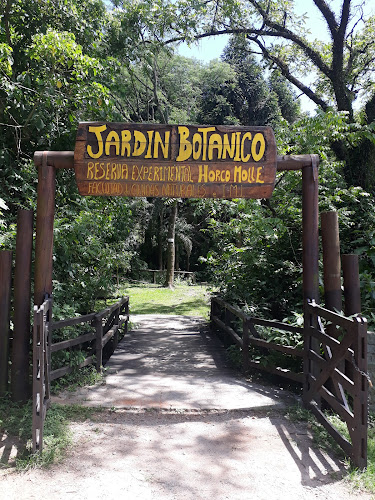
The Horco Molle Botanical Garden sits tucked into the foothills of northwestern Argentina, where the urbanized areas of Tucumán meet the wild Yungas cloud forests. This natural preserve offers travelers a rare glimpse into one of South America's most biodiverse ecosystems without requiring them to embark on a multi-day wilderness expedition. The garden functions both as a conservation area and a recreational space where families, nature enthusiasts, and casual visitors can experience the region's unique flora in a relatively accessible setting. What makes this botanical garden particularly interesting is how it bridges the gap between cultivated garden spaces and genuine wilderness. Unlike many botanical gardens that feel manicured and controlled, Horco Molle retains much of its wild character while still providing the infrastructure travelers need for a comfortable visit. You'll find yourself walking through areas that feel authentically untamed, with native vegetation spreading across the hillsides just as it would in the surrounding mountain ranges. The preserve encompasses several hundred hectares of protected land, though the main visitor areas cover a more manageable portion that most people can explore in a few hours. The terrain here isn't flat – you're dealing with elevation changes that give the garden its character but also require a moderate level of fitness if you plan to explore thoroughly. And honestly, that's part of what makes it memorable. The views you get from some of the higher paths are worth every step. I've always believed that the best nature experiences happen when you can slow down enough to actually notice what's around you, and this garden rewards that kind of attention. The diversity of plant species here reflects the transitional zone between different ecosystems, creating combinations you won't encounter in many other places.

Key Features

The Horco Molle Botanical Garden distinguishes itself through several characteristics that appeal to different types of travelers:
  • Native Yungas Forest Species – The garden showcases plants from the cloud forest ecosystem, including species that thrive in the humid, misty conditions of this elevation zone. You'll encounter trees, shrubs, and ground cover plants that have adapted to the specific microclimate here.
  • Wheelchair Accessible Infrastructure – Both the entrance and parking areas accommodate visitors with mobility challenges, making this one of the more accessible natural sites in the region. Not every trail works for wheelchairs, but the main areas can be enjoyed by visitors with various mobility needs.
  • Hiking Trail Network – Multiple paths wind through the preserve at different difficulty levels. Some trails stay relatively level while others climb into the hillsides, giving hikers options based on their energy levels and time constraints.
  • Designated Picnic Areas – Tables are scattered throughout the grounds, particularly in shaded spots that become precious during warmer months. These aren't just afterthoughts – they're positioned in places where you can actually enjoy your meal with pleasant surroundings.
  • Children's Facilities – A playground area gives younger visitors a place to burn energy, which any parent knows is essential for a successful family outing. The kid-friendly hiking options mean families aren't restricted to just the playground area though.
  • Educational Opportunities – While not always formalized with guided tours, the garden provides opportunities to learn about regional ecosystems, plant identification, and conservation efforts protecting these unique habitats.
  • Microclimate Variations – As you move through different elevations and exposures within the garden, you'll notice temperature and humidity changes that demonstrate how plants adapt to specific conditions even within a relatively small area.
  • Bird Watching Potential – The vegetation attracts various bird species, making this a worthwhile stop for travelers interested in observing regional wildlife without venturing deep into remote areas.

Best Time to Visit

Timing your visit to Horco Molle requires considering both seasonal weather patterns and practical factors like crowds and comfort levels. The garden remains open throughout the year, but your experience will vary considerably depending on when you show up. The autumn months from March through May offer arguably the best conditions for most travelers. Temperatures moderate from the intense summer heat, the humidity drops to more comfortable levels, and you'll encounter fewer crowds than during peak holiday periods. The vegetation remains lush from summer rains but without the occasional downpours that can interrupt visits during warmer months. Spring (September through November) presents another excellent window, particularly for travelers interested in seeing flowering plants. The garden comes alive with blooms during this season, and temperatures stay pleasant for hiking. But be prepared for variable weather – spring in this region can surprise you with unexpected rain showers or temperature swings. Summer visits from December through February mean dealing with heat and humidity that can feel oppressive, especially if you're not acclimatized to subtropical conditions. Mornings become crucial during these months – arriving right when the garden opens lets you experience the space before temperatures peak. Afternoon thunderstorms occur frequently during summer, which can actually be beautiful to watch from sheltered picnic areas if you time things right. Just don't get caught on exposed trails when lightning threatens. Winter (June through August) brings the coolest temperatures and typically the driest weather. For travelers who overheat easily or prefer crisp air for hiking, winter visits work wonderfully. The garden looks less lush than during other seasons, with some plants entering dormancy, but you'll have more solitude and comfortable walking conditions. Weekends attract local families and groups, so weekday visits generally provide a quieter experience if your schedule allows flexibility. Early mornings on any day of the week offer the most peaceful atmosphere and the best conditions for wildlife observation.

How to Get There

Reaching Horco Molle Botanical Garden requires first getting yourself to San Miguel de Tucumán, the provincial capital and the nearest major city. Most international travelers arrive via Buenos Aires, then take a domestic flight to Tucumán's Benjamín Matienzo International Airport. The flight takes roughly two hours and connects multiple times daily. Alternatively, long-distance buses serve Tucumán from various Argentine cities, though the journey from Buenos Aires consumes about fifteen hours. From central Tucumán city, the botanical garden lies approximately eight kilometers to the northwest. Several transportation options can get you there, each with different advantages depending on your preferences and budget. Taxis and ride-sharing services offer the most convenient option for travelers without their own vehicles. The journey takes around twenty to thirty minutes depending on traffic and your starting point in the city. Having the driver wait or arranging a pickup time makes sense since public transportation from the garden back to the city runs less frequently than you might hope. Local buses do serve the area, but routes and schedules change periodically, so confirming current information with locals or your accommodation provider prevents frustrating waits. The bus option works best for budget travelers who don't mind less predictable timing. Renting a car gives you maximum flexibility for exploring not just the botanical garden but other attractions in the surrounding region. The drive from Tucumán city follows well-maintained roads that don't require special navigation skills. Parking at the garden accommodates multiple vehicles and includes accessible spaces near the entrance. Some travelers opt for organized tours that include transportation along with visits to Horco Molle and other nearby sites like the San Javier hill station. This approach works well if you're short on time or prefer having logistics handled by someone else.

Tips for Visiting

Making the most of your time at Horco Molle Botanical Garden involves some practical preparation that enhances comfort and enjoyment. Wear appropriate footwear – this isn't the place for flip-flops or fashion sneakers. The trails include uneven surfaces, occasional muddy patches (especially after rain), and rocky sections that require shoes with actual grip and ankle support. I've seen too many travelers struggling in inappropriate footwear when proper hiking shoes would have transformed their experience. Bring water, probably more than you think you'll need. The combination of walking, elevation changes, and humidity (depending on season) means you'll drink more than during a casual city stroll. While you might find occasional facilities, don't count on purchasing drinks within the garden itself. Sunscreen and insect repellent belong in your day pack regardless of season. Even on overcast days, the UV exposure at this elevation can surprise you. And mosquitoes plus other biting insects inhabit forested areas – protecting yourself prevents distraction and discomfort that diminish your enjoyment. Pack snacks or a full picnic if you plan to spend several hours exploring. Taking advantage of those picnic tables scattered throughout the grounds turns a simple nature walk into a more memorable experience. There's something particularly satisfying about eating surrounded by forest sounds and fresh air. Carry a light rain jacket or poncho, especially during summer months when afternoon showers appear seemingly from nowhere. Getting caught in rain doesn't ruin a visit if you've got basic protection, but being unprepared transforms a shower into a miserable slog back to the entrance. Allow more time than you initially think necessary. Travelers who budget just an hour or two often feel rushed and miss quieter corners of the preserve that reveal themselves only to those who linger. Three to four hours provides a comfortable timeframe for thorough exploration without exhaustion. Respect trail closures and stay on designated paths. Conservation areas function only when visitors follow guidelines designed to protect sensitive habitats. Cutting switchbacks or wandering off-trail might seem harmless individually but creates cumulative damage when hundreds of visitors do the same. Bring a camera but also practice putting it down occasionally. The instinct to photograph everything sometimes prevents us from actually experiencing places. Take your shots, then spend time simply observing without a screen between you and the environment. If you're visiting with children, let them set some of the pace. Kids notice details adults rush past – interesting insects, unusual leaf shapes, bird calls. Their curiosity can actually enhance your own observation skills if you resist the urge to hurry them along constantly. Check weather forecasts before heading out but don't let imperfect conditions cancel your plans entirely. Some of my most memorable garden visits happened under overcast skies or light mist that created atmospheric conditions impossible on sunny days. Consider visiting more than once if your schedule allows. Morning visits offer different wildlife activity and light conditions than afternoon explorations. The garden reveals different aspects of itself depending on time of day and your own mood when arriving.

Key Features

  • Trails through Tucumán yungas cloud-forest transition
  • University-managed reserve with conservation and research programs
  • Scenic viewpoints overlooking San Miguel de Tucumán valley
  • Family-friendly facilities: picnic areas, playgrounds and grills
  • Opportunities for birdwatching and environmental education

More Details

Updated March 30, 2026

Description

The Horco Molle Botanical Garden sits tucked into the foothills of northwestern Argentina, where the urbanized areas of Tucumán meet the wild Yungas cloud forests. This natural preserve offers travelers a rare glimpse into one of South America’s most biodiverse ecosystems without requiring them to embark on a multi-day wilderness expedition. The garden functions both as a conservation area and a recreational space where families, nature enthusiasts, and casual visitors can experience the region’s unique flora in a relatively accessible setting.

What makes this botanical garden particularly interesting is how it bridges the gap between cultivated garden spaces and genuine wilderness. Unlike many botanical gardens that feel manicured and controlled, Horco Molle retains much of its wild character while still providing the infrastructure travelers need for a comfortable visit. You’ll find yourself walking through areas that feel authentically untamed, with native vegetation spreading across the hillsides just as it would in the surrounding mountain ranges.

The preserve encompasses several hundred hectares of protected land, though the main visitor areas cover a more manageable portion that most people can explore in a few hours. The terrain here isn’t flat – you’re dealing with elevation changes that give the garden its character but also require a moderate level of fitness if you plan to explore thoroughly. And honestly, that’s part of what makes it memorable. The views you get from some of the higher paths are worth every step.

I’ve always believed that the best nature experiences happen when you can slow down enough to actually notice what’s around you, and this garden rewards that kind of attention. The diversity of plant species here reflects the transitional zone between different ecosystems, creating combinations you won’t encounter in many other places.

Key Features

The Horco Molle Botanical Garden distinguishes itself through several characteristics that appeal to different types of travelers:

  • Native Yungas Forest Species – The garden showcases plants from the cloud forest ecosystem, including species that thrive in the humid, misty conditions of this elevation zone. You’ll encounter trees, shrubs, and ground cover plants that have adapted to the specific microclimate here.
  • Wheelchair Accessible Infrastructure – Both the entrance and parking areas accommodate visitors with mobility challenges, making this one of the more accessible natural sites in the region. Not every trail works for wheelchairs, but the main areas can be enjoyed by visitors with various mobility needs.
  • Hiking Trail Network – Multiple paths wind through the preserve at different difficulty levels. Some trails stay relatively level while others climb into the hillsides, giving hikers options based on their energy levels and time constraints.
  • Designated Picnic Areas – Tables are scattered throughout the grounds, particularly in shaded spots that become precious during warmer months. These aren’t just afterthoughts – they’re positioned in places where you can actually enjoy your meal with pleasant surroundings.
  • Children’s Facilities – A playground area gives younger visitors a place to burn energy, which any parent knows is essential for a successful family outing. The kid-friendly hiking options mean families aren’t restricted to just the playground area though.
  • Educational Opportunities – While not always formalized with guided tours, the garden provides opportunities to learn about regional ecosystems, plant identification, and conservation efforts protecting these unique habitats.
  • Microclimate Variations – As you move through different elevations and exposures within the garden, you’ll notice temperature and humidity changes that demonstrate how plants adapt to specific conditions even within a relatively small area.
  • Bird Watching Potential – The vegetation attracts various bird species, making this a worthwhile stop for travelers interested in observing regional wildlife without venturing deep into remote areas.

Best Time to Visit

Timing your visit to Horco Molle requires considering both seasonal weather patterns and practical factors like crowds and comfort levels. The garden remains open throughout the year, but your experience will vary considerably depending on when you show up.

The autumn months from March through May offer arguably the best conditions for most travelers. Temperatures moderate from the intense summer heat, the humidity drops to more comfortable levels, and you’ll encounter fewer crowds than during peak holiday periods. The vegetation remains lush from summer rains but without the occasional downpours that can interrupt visits during warmer months.

Spring (September through November) presents another excellent window, particularly for travelers interested in seeing flowering plants. The garden comes alive with blooms during this season, and temperatures stay pleasant for hiking. But be prepared for variable weather – spring in this region can surprise you with unexpected rain showers or temperature swings.

Summer visits from December through February mean dealing with heat and humidity that can feel oppressive, especially if you’re not acclimatized to subtropical conditions. Mornings become crucial during these months – arriving right when the garden opens lets you experience the space before temperatures peak. Afternoon thunderstorms occur frequently during summer, which can actually be beautiful to watch from sheltered picnic areas if you time things right. Just don’t get caught on exposed trails when lightning threatens.

Winter (June through August) brings the coolest temperatures and typically the driest weather. For travelers who overheat easily or prefer crisp air for hiking, winter visits work wonderfully. The garden looks less lush than during other seasons, with some plants entering dormancy, but you’ll have more solitude and comfortable walking conditions.

Weekends attract local families and groups, so weekday visits generally provide a quieter experience if your schedule allows flexibility. Early mornings on any day of the week offer the most peaceful atmosphere and the best conditions for wildlife observation.

How to Get There

Reaching Horco Molle Botanical Garden requires first getting yourself to San Miguel de Tucumán, the provincial capital and the nearest major city. Most international travelers arrive via Buenos Aires, then take a domestic flight to Tucumán’s Benjamín Matienzo International Airport. The flight takes roughly two hours and connects multiple times daily. Alternatively, long-distance buses serve Tucumán from various Argentine cities, though the journey from Buenos Aires consumes about fifteen hours.

From central Tucumán city, the botanical garden lies approximately eight kilometers to the northwest. Several transportation options can get you there, each with different advantages depending on your preferences and budget.

Taxis and ride-sharing services offer the most convenient option for travelers without their own vehicles. The journey takes around twenty to thirty minutes depending on traffic and your starting point in the city. Having the driver wait or arranging a pickup time makes sense since public transportation from the garden back to the city runs less frequently than you might hope.

Local buses do serve the area, but routes and schedules change periodically, so confirming current information with locals or your accommodation provider prevents frustrating waits. The bus option works best for budget travelers who don’t mind less predictable timing.

Renting a car gives you maximum flexibility for exploring not just the botanical garden but other attractions in the surrounding region. The drive from Tucumán city follows well-maintained roads that don’t require special navigation skills. Parking at the garden accommodates multiple vehicles and includes accessible spaces near the entrance.

Some travelers opt for organized tours that include transportation along with visits to Horco Molle and other nearby sites like the San Javier hill station. This approach works well if you’re short on time or prefer having logistics handled by someone else.

Tips for Visiting

Making the most of your time at Horco Molle Botanical Garden involves some practical preparation that enhances comfort and enjoyment.

Wear appropriate footwear – this isn’t the place for flip-flops or fashion sneakers. The trails include uneven surfaces, occasional muddy patches (especially after rain), and rocky sections that require shoes with actual grip and ankle support. I’ve seen too many travelers struggling in inappropriate footwear when proper hiking shoes would have transformed their experience.

Bring water, probably more than you think you’ll need. The combination of walking, elevation changes, and humidity (depending on season) means you’ll drink more than during a casual city stroll. While you might find occasional facilities, don’t count on purchasing drinks within the garden itself.

Sunscreen and insect repellent belong in your day pack regardless of season. Even on overcast days, the UV exposure at this elevation can surprise you. And mosquitoes plus other biting insects inhabit forested areas – protecting yourself prevents distraction and discomfort that diminish your enjoyment.

Pack snacks or a full picnic if you plan to spend several hours exploring. Taking advantage of those picnic tables scattered throughout the grounds turns a simple nature walk into a more memorable experience. There’s something particularly satisfying about eating surrounded by forest sounds and fresh air.

Carry a light rain jacket or poncho, especially during summer months when afternoon showers appear seemingly from nowhere. Getting caught in rain doesn’t ruin a visit if you’ve got basic protection, but being unprepared transforms a shower into a miserable slog back to the entrance.

Allow more time than you initially think necessary. Travelers who budget just an hour or two often feel rushed and miss quieter corners of the preserve that reveal themselves only to those who linger. Three to four hours provides a comfortable timeframe for thorough exploration without exhaustion.

Respect trail closures and stay on designated paths. Conservation areas function only when visitors follow guidelines designed to protect sensitive habitats. Cutting switchbacks or wandering off-trail might seem harmless individually but creates cumulative damage when hundreds of visitors do the same.

Bring a camera but also practice putting it down occasionally. The instinct to photograph everything sometimes prevents us from actually experiencing places. Take your shots, then spend time simply observing without a screen between you and the environment.

If you’re visiting with children, let them set some of the pace. Kids notice details adults rush past – interesting insects, unusual leaf shapes, bird calls. Their curiosity can actually enhance your own observation skills if you resist the urge to hurry them along constantly.

Check weather forecasts before heading out but don’t let imperfect conditions cancel your plans entirely. Some of my most memorable garden visits happened under overcast skies or light mist that created atmospheric conditions impossible on sunny days.

Consider visiting more than once if your schedule allows. Morning visits offer different wildlife activity and light conditions than afternoon explorations. The garden reveals different aspects of itself depending on time of day and your own mood when arriving.

Key Highlights

  • Trails through Tucumán yungas cloud-forest transition
  • University-managed reserve with conservation and research programs
  • Scenic viewpoints overlooking San Miguel de Tucumán valley
  • Family-friendly facilities: picnic areas, playgrounds and grills
  • Opportunities for birdwatching and environmental education

Location

Places to Stay Near Horco Molle Botanical Garden

Find and Book a Tour

Explore More Travel Guides

No reviews found! Be the first to review!

Horco Molle Botanical Garden is a prominent Reserva natural located in San Miguel de Tucumán.

Visit us at: Yerba Buena, Tucumán, Argentine.

Traveler Reviews for Horco Molle Botanical Garden

There are no reviews yet. Be the first one to write one.

Share Your Experience

Have you visited Horco Molle Botanical Garden? Help other travelers by sharing your review.

Nearby Attractions

San Javier / Cerro San Javier scenic area San Miguel de Tucumán historic downtown Benjamín Matienzo International Airport (as transit hub)

Find Accommodations Nearby

Recommended Tours & Activities

Visitor Reviews

There are no reviews yet. Be the first one to write one.

Share Your Experience

Have you visited Horco Molle Botanical Garden? Help other travelers by leaving a review.