

Pantai Daecheon
About Pantai Daecheon
Description
Pantai Daecheon stands as one of South Korea's most beloved coastal destinations, drawing families and beach enthusiasts to its expansive shoreline along the Yellow Sea. This remarkable stretch of sand has earned its reputation not just for the typical beach activities you'd expect, but for something far more extraordinary – it's home to the world-famous Boryeong Mud Festival that transforms this quiet seaside town into a playground of epic proportions every summer.
What makes Daecheon Beach particularly special is its unique combination of fine, clean sand and the mineral-rich mud that's harvested from the nearby Boryeong mud flats. And trust me, once you experience the therapeutic properties of this mud firsthand, you'll understand why thousands of visitors make the pilgrimage here annually. The beach itself stretches for approximately 3.5 kilometers, offering plenty of space for everyone to find their perfect spot without feeling crowded.
The area has this wonderful laid-back vibe that immediately puts you at ease. Unlike some of Korea's more commercialized beach destinations, Daecheon maintains a genuine charm that feels authentic rather than manufactured for tourists. Local vendors sell fresh seafood right on the beach, and the aroma of grilled squid and other marine delicacies fills the air, creating an atmosphere that's distinctly Korean coastal culture.
Key Features
Daecheon Beach offers an impressive array of attractions and amenities that cater to diverse interests and age groups:
- World-renowned Boryeong Mud Festival - The annual celebration that puts Daecheon on the international map, featuring mud wrestling, mud slides, and therapeutic mud treatments
- Therapeutic mud flats - Natural mineral-rich mud known for its skin-healing and cosmetic benefits, available year-round for visitors seeking wellness experiences
- Family-friendly shallow waters - Gentle slopes and calm waves make it exceptionally safe for children to play and swim
- Fresh seafood markets - Local fishermen bring their daily catch directly to beachside stalls, offering the freshest possible marine cuisine
- Beach sports facilities - Volleyball courts, soccer areas, and water sports equipment rental stations scattered along the shoreline
- Traditional Korean spa experiences - Several jjimjilbangs (Korean bathhouses) in the vicinity incorporate the famous Boryeong mud into their treatments
- Scenic coastal walking paths - Well-maintained trails that extend beyond the main beach area, perfect for morning jogs or sunset strolls
- Local cultural experiences - Traditional fishing demonstrations and opportunities to participate in seaweed harvesting during certain seasons
Best Time to Visit
The timing of your visit to Pantai Daecheon can dramatically influence your experience, and honestly, each season brings its own unique charm. But if I'm being completely honest, the optimal window falls between late June and early September when the weather gods seem to smile most favorably upon this coastal gem.
July is undoubtedly the crown jewel of visiting times – this is when the legendary Boryeong Mud Festival takes place, typically during the second or third weekend of the month. The energy during festival time is absolutely electric, with an estimated 2.2 million visitors descending upon the beach over the course of just ten days. However, if massive crowds aren't your thing, you might want to avoid this particular period.
August offers the perfect sweet spot for many travelers. The weather remains warm and inviting, with average temperatures hovering around 26°C (79°F), but the festival crowds have dispersed, leaving you with more breathing room to enjoy the beach's natural beauty. The water temperature during this time is particularly pleasant for swimming, reaching its annual peak warmth.
For those seeking a more tranquil experience, late spring (May) and early fall (September) provide surprisingly delightful conditions. The weather during these shoulder seasons can be quite mild, and you'll find accommodation prices significantly more reasonable. September, in particular, offers this beautiful golden light that photographers absolutely love, and the summer heat begins to mellow into something more comfortable for extended beach walks.
Winter visits aren't completely off the table, though they require a different mindset. The beach takes on a stark, almost meditative quality during the colder months, and the mud treatments at local spas become even more appealing as a warming, therapeutic escape from the chill.
How to Get There
Getting to Pantai Daecheon is refreshingly straightforward, especially considering South Korea's exceptional public transportation infrastructure. The journey from Seoul, where most international visitors begin their Korean adventure, takes approximately 3 hours by various transportation methods.
The most popular route involves taking the subway to Gangnam Station, then catching an express bus to Boryeong. These buses run frequently throughout the day, typically every 30-45 minutes, and cost around 8,000-10,000 KRW (roughly $6-8 USD). The bus ride itself is comfortable and offers glimpses of Korea's countryside that you simply can't appreciate from a plane window.
Train enthusiasts can opt for the KTX (Korea's high-speed rail) to Cheonan-Asan Station, followed by a local bus transfer to Daecheon Beach. This route takes slightly longer but provides a more scenic journey through Korea's interior provinces. And let me tell you, there's something quite romantic about watching the landscape transform from urban sprawl to rural farmland through a train window.
For those traveling from Busan, the coastal route via bus or rental car offers spectacular ocean views for much of the journey. The drive takes approximately 4-5 hours but allows for spontaneous stops at smaller coastal towns along the way – something I'd highly recommend if you have the flexibility in your schedule.
Rental cars provide the ultimate freedom to explore the broader Chungcheongnam-do province, though parking during peak season (especially during the Mud Festival) can become a bit of a puzzle. Local authorities do set up temporary parking areas during high-traffic periods, but arriving early in the day definitely works in your favor.
Tips for Visiting
After several visits to Daecheon Beach over the years, I've gathered some insights that can make your trip significantly more enjoyable and help you avoid some common pitfalls that catch first-time visitors off guard.
Accommodation booking requires strategic thinking, particularly if you're planning to visit during festival season. Hotels and guesthouses in the immediate beach area get snatched up months in advance, but don't panic if you've left planning to the last minute. Consider staying in nearby Boryeong city center – it's only a 15-minute bus ride to the beach, and you'll find more availability plus significantly better prices. Plus, staying in town gives you access to authentic local restaurants that haven't adjusted their prices for the tourist market.
Pack more than just your standard beach gear. The mud activities can get incredibly messy (that's half the fun!), so bring clothes you don't mind getting permanently stained. Old sneakers or water shoes are essential – the beach areas around the mud zones can be slippery, and protecting your feet should be a priority. Also, bring plenty of plastic bags for storing muddy items separately from your clean belongings.
Language barriers are less challenging here than you might expect, but having a translation app ready on your phone proves invaluable when ordering from local food stalls or communicating with spa staff about mud treatment preferences. Many vendors have basic English, but showing respect by attempting to use Korean phrases, even poorly pronounced ones, typically results in warmer interactions and sometimes even small discounts.
The local seafood deserves special attention in your planning. Morning visits to the fish markets yield the best selection and freshest options, but if you're squeamish about choosing live seafood, afternoon visits work better as vendors have pre-prepared options available. Don't miss the grilled clams and Korean-style seafood pancakes – they're regional specialties that taste remarkably different from what you'll find in Seoul restaurants.
Weather can change quickly along the coast, so packing layers makes sense even during summer visits. Evening temperatures can drop surprisingly fast, and having a light jacket or hoodie prevents an early retreat to your accommodation. Sunscreen requires frequent reapplication due to reflection off both water and sand – the UV intensity here catches many visitors off guard.
Budget considerations extend beyond just accommodation and transportation. ATMs are readily available, but carrying cash remains important for smaller vendors and market purchases. Local prices are generally reasonable, but festival periods see temporary price increases for food and some services. A daily budget of 30,000-50,000 KRW (roughly $25-40 USD) per person covers meals, local transportation, and modest souvenir purchases comfortably.
Key Features
- Key Features
- Best Time to Visit
- How to Get There
- Tips for Visiting
More Details
Updated September 16, 2025
Table of Contents
Description
Pantai Daecheon stands as one of South Korea’s most beloved coastal destinations, drawing families and beach enthusiasts to its expansive shoreline along the Yellow Sea. This remarkable stretch of sand has earned its reputation not just for the typical beach activities you’d expect, but for something far more extraordinary – it’s home to the world-famous Boryeong Mud Festival that transforms this quiet seaside town into a playground of epic proportions every summer.
What makes Daecheon Beach particularly special is its unique combination of fine, clean sand and the mineral-rich mud that’s harvested from the nearby Boryeong mud flats. And trust me, once you experience the therapeutic properties of this mud firsthand, you’ll understand why thousands of visitors make the pilgrimage here annually. The beach itself stretches for approximately 3.5 kilometers, offering plenty of space for everyone to find their perfect spot without feeling crowded.
The area has this wonderful laid-back vibe that immediately puts you at ease. Unlike some of Korea’s more commercialized beach destinations, Daecheon maintains a genuine charm that feels authentic rather than manufactured for tourists. Local vendors sell fresh seafood right on the beach, and the aroma of grilled squid and other marine delicacies fills the air, creating an atmosphere that’s distinctly Korean coastal culture.
Key Features
Daecheon Beach offers an impressive array of attractions and amenities that cater to diverse interests and age groups:
- World-renowned Boryeong Mud Festival – The annual celebration that puts Daecheon on the international map, featuring mud wrestling, mud slides, and therapeutic mud treatments
- Therapeutic mud flats – Natural mineral-rich mud known for its skin-healing and cosmetic benefits, available year-round for visitors seeking wellness experiences
- Family-friendly shallow waters – Gentle slopes and calm waves make it exceptionally safe for children to play and swim
- Fresh seafood markets – Local fishermen bring their daily catch directly to beachside stalls, offering the freshest possible marine cuisine
- Beach sports facilities – Volleyball courts, soccer areas, and water sports equipment rental stations scattered along the shoreline
- Traditional Korean spa experiences – Several jjimjilbangs (Korean bathhouses) in the vicinity incorporate the famous Boryeong mud into their treatments
- Scenic coastal walking paths – Well-maintained trails that extend beyond the main beach area, perfect for morning jogs or sunset strolls
- Local cultural experiences – Traditional fishing demonstrations and opportunities to participate in seaweed harvesting during certain seasons
Best Time to Visit
The timing of your visit to Pantai Daecheon can dramatically influence your experience, and honestly, each season brings its own unique charm. But if I’m being completely honest, the optimal window falls between late June and early September when the weather gods seem to smile most favorably upon this coastal gem.
July is undoubtedly the crown jewel of visiting times – this is when the legendary Boryeong Mud Festival takes place, typically during the second or third weekend of the month. The energy during festival time is absolutely electric, with an estimated 2.2 million visitors descending upon the beach over the course of just ten days. However, if massive crowds aren’t your thing, you might want to avoid this particular period.
August offers the perfect sweet spot for many travelers. The weather remains warm and inviting, with average temperatures hovering around 26°C (79°F), but the festival crowds have dispersed, leaving you with more breathing room to enjoy the beach’s natural beauty. The water temperature during this time is particularly pleasant for swimming, reaching its annual peak warmth.
For those seeking a more tranquil experience, late spring (May) and early fall (September) provide surprisingly delightful conditions. The weather during these shoulder seasons can be quite mild, and you’ll find accommodation prices significantly more reasonable. September, in particular, offers this beautiful golden light that photographers absolutely love, and the summer heat begins to mellow into something more comfortable for extended beach walks.
Winter visits aren’t completely off the table, though they require a different mindset. The beach takes on a stark, almost meditative quality during the colder months, and the mud treatments at local spas become even more appealing as a warming, therapeutic escape from the chill.
How to Get There
Getting to Pantai Daecheon is refreshingly straightforward, especially considering South Korea’s exceptional public transportation infrastructure. The journey from Seoul, where most international visitors begin their Korean adventure, takes approximately 3 hours by various transportation methods.
The most popular route involves taking the subway to Gangnam Station, then catching an express bus to Boryeong. These buses run frequently throughout the day, typically every 30-45 minutes, and cost around 8,000-10,000 KRW (roughly $6-8 USD). The bus ride itself is comfortable and offers glimpses of Korea’s countryside that you simply can’t appreciate from a plane window.
Train enthusiasts can opt for the KTX (Korea’s high-speed rail) to Cheonan-Asan Station, followed by a local bus transfer to Daecheon Beach. This route takes slightly longer but provides a more scenic journey through Korea’s interior provinces. And let me tell you, there’s something quite romantic about watching the landscape transform from urban sprawl to rural farmland through a train window.
For those traveling from Busan, the coastal route via bus or rental car offers spectacular ocean views for much of the journey. The drive takes approximately 4-5 hours but allows for spontaneous stops at smaller coastal towns along the way – something I’d highly recommend if you have the flexibility in your schedule.
Rental cars provide the ultimate freedom to explore the broader Chungcheongnam-do province, though parking during peak season (especially during the Mud Festival) can become a bit of a puzzle. Local authorities do set up temporary parking areas during high-traffic periods, but arriving early in the day definitely works in your favor.
Tips for Visiting
After several visits to Daecheon Beach over the years, I’ve gathered some insights that can make your trip significantly more enjoyable and help you avoid some common pitfalls that catch first-time visitors off guard.
Accommodation booking requires strategic thinking, particularly if you’re planning to visit during festival season. Hotels and guesthouses in the immediate beach area get snatched up months in advance, but don’t panic if you’ve left planning to the last minute. Consider staying in nearby Boryeong city center – it’s only a 15-minute bus ride to the beach, and you’ll find more availability plus significantly better prices. Plus, staying in town gives you access to authentic local restaurants that haven’t adjusted their prices for the tourist market.
Pack more than just your standard beach gear. The mud activities can get incredibly messy (that’s half the fun!), so bring clothes you don’t mind getting permanently stained. Old sneakers or water shoes are essential – the beach areas around the mud zones can be slippery, and protecting your feet should be a priority. Also, bring plenty of plastic bags for storing muddy items separately from your clean belongings.
Language barriers are less challenging here than you might expect, but having a translation app ready on your phone proves invaluable when ordering from local food stalls or communicating with spa staff about mud treatment preferences. Many vendors have basic English, but showing respect by attempting to use Korean phrases, even poorly pronounced ones, typically results in warmer interactions and sometimes even small discounts.
The local seafood deserves special attention in your planning. Morning visits to the fish markets yield the best selection and freshest options, but if you’re squeamish about choosing live seafood, afternoon visits work better as vendors have pre-prepared options available. Don’t miss the grilled clams and Korean-style seafood pancakes – they’re regional specialties that taste remarkably different from what you’ll find in Seoul restaurants.
Weather can change quickly along the coast, so packing layers makes sense even during summer visits. Evening temperatures can drop surprisingly fast, and having a light jacket or hoodie prevents an early retreat to your accommodation. Sunscreen requires frequent reapplication due to reflection off both water and sand – the UV intensity here catches many visitors off guard.
Budget considerations extend beyond just accommodation and transportation. ATMs are readily available, but carrying cash remains important for smaller vendors and market purchases. Local prices are generally reasonable, but festival periods see temporary price increases for food and some services. A daily budget of 30,000-50,000 KRW (roughly $25-40 USD) per person covers meals, local transportation, and modest souvenir purchases comfortably.
Key Highlights
- Key Features
- Best Time to Visit
- How to Get There
- Tips for Visiting
Location
Places to Stay Near Pantai Daecheon
Find and Book a Tour
Explore More Travel Guides
No reviews found! Be the first to review!
Traveler Reviews for Pantai Daecheon
There are no reviews yet. Be the first one to write one.
Have you visited Pantai Daecheon? Help other travelers by sharing your review.
You Might Also Like
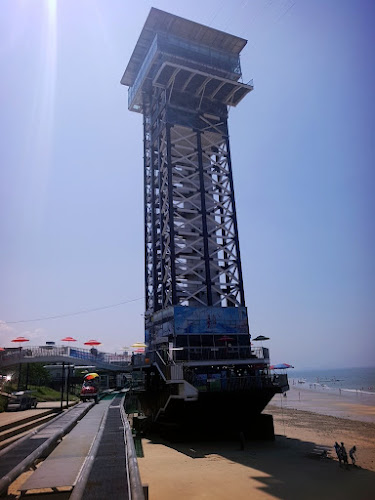
Sky bike
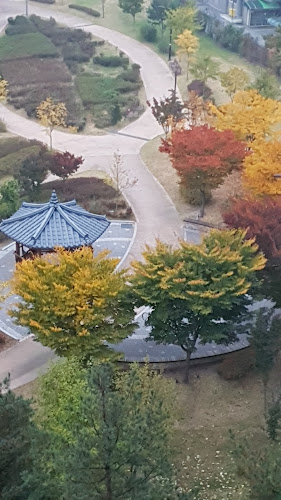
Chul Mae Sea Range
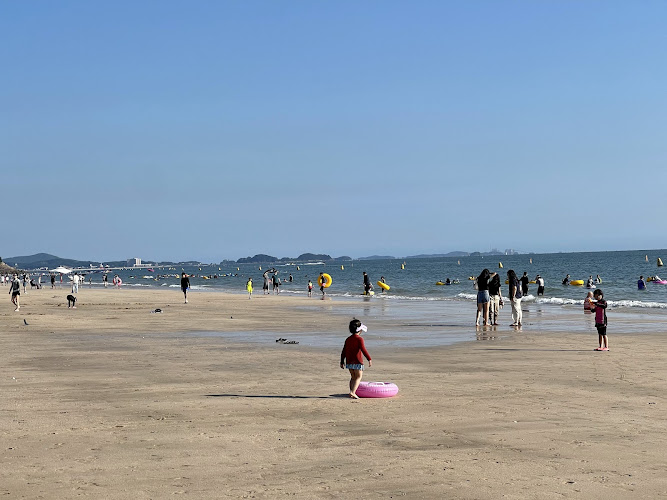
Daecheon Beach
Find Accommodations Nearby
Recommended Tours & Activities
Visitor Reviews
There are no reviews yet. Be the first one to write one.
Share Your Experience
Have you visited Pantai Daecheon? Help other travelers by leaving a review.