
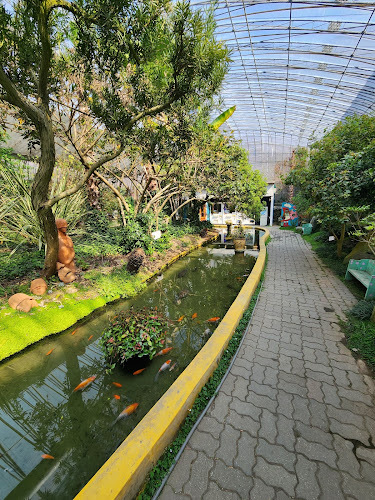
개화예술공원
About 개화예술공원
Description
개화예술공원 (Gaehwa Art Park) stands as South Korea's most ambitious artistic endeavor - a sprawling cultural landscape where contemporary sculptures meet traditional Korean aesthetics in ways that'll honestly surprise you. Located in Boryeong, Chungcheongnam-do, this expansive park stretches across rolling hills and carefully manicured gardens, creating what locals proudly call the world's largest art park.
What strikes visitors first isn't just the sheer scale of the place, but how thoughtfully each installation connects with the natural environment. You'll find yourself wandering through outdoor galleries where massive stone sculptures crafted from local materials tell stories of Korean heritage while modern abstract pieces challenge your perception of art in nature. The park houses the Mosan Sculpture Museum, which showcases an impressive collection of works by both established and emerging artists.
But here's what most travel guides won't tell you - this place works brilliantly for families with kids who normally get antsy in traditional museums. Children can actually touch many of the outdoor installations, run between the sculptures, and engage with art in ways that would make museum guards elsewhere nervous. And yes, your four-legged friends are welcome too, making it one of the few art destinations where you won't have to leave your dog at home.
The park's design philosophy centers around accessibility, ensuring that visitors using wheelchairs can navigate most areas comfortably. This thoughtful approach extends to the parking facilities and entrance points, making art appreciation truly inclusive.
Key Features
개화예술공원 offers an impressive array of attractions and amenities that cater to diverse interests and needs:
- Mosan Sculpture Museum - Houses an extensive collection of contemporary Korean sculptures and rotating international exhibitions
- Outdoor Sculpture Garden - Over 200 large-scale installations scattered across 50 acres of landscaped grounds
- Interactive Art Zones - Designated areas where visitors can touch and interact with specially designed installations
- Herb Garden Section - A fragrant addition featuring medicinal and culinary herbs alongside artistic installations
- Multiple Picnic Areas - Well-maintained spaces with tables perfect for family gatherings and outdoor dining
- Walking Trails - Several kilometers of paved and unpaved paths connecting different sections of the park
- Gift Shop and Cultural Center - Features works by local artisans and educational materials about Korean art history
- Seasonal Exhibition Spaces - Temporary installations that change throughout the year, ensuring repeat visits offer new experiences
- Photography Spots - Strategically placed installations designed specifically for memorable photo opportunities
- Educational Programs - Workshops and guided tours available for school groups and art enthusiasts
Best Time to Visit
Timing your visit to 개화예술공원 can significantly impact your experience, and frankly, each season offers something quite different. Spring (April to June) brings cherry blossoms and mild weather that makes the extensive walking much more pleasant. The sculptures seem to come alive against the backdrop of blooming flowers, creating Instagram-worthy scenes around every corner.
Summer months can be brutally hot and humid - I'm talking about that sticky Korean summer heat that makes you question your life choices. However, if you're visiting during this time, aim for early morning hours (the park opens at 9 AM) or late afternoon visits. The extended daylight hours mean you'll have plenty of time to explore without feeling rushed.
Autumn (September to November) is arguably the most spectacular time to visit. The changing leaves create a natural canvas that complements the artistic installations beautifully. Plus, the cooler temperatures make it comfortable to spend several hours wandering the grounds. Just be prepared for larger crowds, especially on weekends, as this is peak season for domestic tourism.
Winter visits offer a completely different perspective. While some might find the bare trees and cold weather uninspiring, there's something quite moving about seeing these massive sculptures against a stark winter landscape. The crowds are minimal, giving you an almost private viewing experience. Just dress warmly and check weather conditions beforehand.
Weekdays generally offer a more peaceful experience compared to weekends, when Korean families flock here for day trips. If you're looking for that perfect photo without photobombers, Tuesday through Thursday mornings are your best bet.
How to Get There
Getting to 개화예술공원 requires some planning since it's not exactly next to major public transportation hubs. The most straightforward approach is driving, and honestly, having your own vehicle gives you the flexibility to explore the surrounding Boryeong area at your own pace.
If you're driving from Seoul, take the Seohaean Expressway (West Coast Expressway) south toward Boryeong. Exit at either Daecheon IC or Muchangpo IC - both are roughly equidistant from the park. From there, follow National Route 40, and you'll see signs directing you to the park. The total drive time from Seoul is approximately 2.5 to 3 hours, depending on traffic conditions.
For those coming from Busan or other southern cities, the Seocheon-Gongju Expressway connects to the area, with Seobu-yeoju IC being your best exit option. The drive from Busan takes about 4 hours, making it a perfect weekend getaway destination.
Public transportation is possible but requires some patience and planning. Take a KTX or regular train to Daejeon Station, then catch an intercity bus to Boryeong Bus Terminal. From there, local buses run to the park area, though service can be infrequent. Alternatively, taxi rides from Boryeong city center cost around 15,000-20,000 won and take about 20 minutes.
The park provides ample parking space, and here's a nice surprise - parking is free. You can drive right up to the entrance and pay your admission fee without leaving your car, which is particularly convenient during rainy weather or when traveling with elderly family members.
Tips for Visiting
Here's where I'll share some insider knowledge that'll make your visit much more enjoyable. First off, wear comfortable walking shoes - and I mean really comfortable ones. You'll be doing more walking than you think, especially if you want to see everything the park offers. The terrain varies from paved paths to gravel walkways, so skip the fancy footwear.
Pack your own snacks and drinks, particularly if you're visiting during peak hours. While the park has some food options, they're limited and frankly overpriced. The designated picnic areas are perfect for spreading out a blanket and enjoying a meal surrounded by art. Plus, the park allows you to bring your own food, unlike many tourist attractions.
Download a translation app if you don't read Korean. While major installations have English descriptions, many of the smaller pieces and detailed explanations are only in Korean. This small preparation step will significantly enrich your understanding of the artworks and their cultural significance.
Bring a portable phone charger. You'll be taking way more photos than anticipated, and the park's size means you might rely on your phone's map function to navigate between sections. There are some charging stations, but they're not conveniently located throughout the grounds.
If you're visiting with children, consider bringing a small wagon or stroller. While kids often enjoy the walking initially, the park's size can tire out little legs quickly. The paved pathways accommodate strollers easily, and having one gives you space to carry snacks, water, and any art supplies if your kids want to sketch.
Plan for at least 3-4 hours to see everything properly. Many visitors underestimate the time needed and end up rushing through sections. The park works best when you can take your time, sit with certain pieces, and really absorb the artistic experience.
Check the weather forecast and dress in layers. The park offers limited shelter, so if rain is expected, bring an umbrella. Conversely, on sunny days, the lack of shade in some sections can be intense, so sunscreen and hats are essential.
Finally, engage with the interactive elements. Unlike traditional museums where touching is forbidden, many installations here are designed for hands-on exploration. Don't be shy about running your hands over textures or walking through installations - it's often the intended experience and adds a tactile dimension to your art appreciation.
Key Features
- Key Features
- Best Time to Visit
- How to Get There
- Tips for Visiting
More Details
Updated September 16, 2025
Table of Contents
Description
개화예술공원 (Gaehwa Art Park) stands as South Korea’s most ambitious artistic endeavor – a sprawling cultural landscape where contemporary sculptures meet traditional Korean aesthetics in ways that’ll honestly surprise you. Located in Boryeong, Chungcheongnam-do, this expansive park stretches across rolling hills and carefully manicured gardens, creating what locals proudly call the world’s largest art park.
What strikes visitors first isn’t just the sheer scale of the place, but how thoughtfully each installation connects with the natural environment. You’ll find yourself wandering through outdoor galleries where massive stone sculptures crafted from local materials tell stories of Korean heritage while modern abstract pieces challenge your perception of art in nature. The park houses the Mosan Sculpture Museum, which showcases an impressive collection of works by both established and emerging artists.
But here’s what most travel guides won’t tell you – this place works brilliantly for families with kids who normally get antsy in traditional museums. Children can actually touch many of the outdoor installations, run between the sculptures, and engage with art in ways that would make museum guards elsewhere nervous. And yes, your four-legged friends are welcome too, making it one of the few art destinations where you won’t have to leave your dog at home.
The park’s design philosophy centers around accessibility, ensuring that visitors using wheelchairs can navigate most areas comfortably. This thoughtful approach extends to the parking facilities and entrance points, making art appreciation truly inclusive.
Key Features
개화예술공원 offers an impressive array of attractions and amenities that cater to diverse interests and needs:
- Mosan Sculpture Museum – Houses an extensive collection of contemporary Korean sculptures and rotating international exhibitions
- Outdoor Sculpture Garden – Over 200 large-scale installations scattered across 50 acres of landscaped grounds
- Interactive Art Zones – Designated areas where visitors can touch and interact with specially designed installations
- Herb Garden Section – A fragrant addition featuring medicinal and culinary herbs alongside artistic installations
- Multiple Picnic Areas – Well-maintained spaces with tables perfect for family gatherings and outdoor dining
- Walking Trails – Several kilometers of paved and unpaved paths connecting different sections of the park
- Gift Shop and Cultural Center – Features works by local artisans and educational materials about Korean art history
- Seasonal Exhibition Spaces – Temporary installations that change throughout the year, ensuring repeat visits offer new experiences
- Photography Spots – Strategically placed installations designed specifically for memorable photo opportunities
- Educational Programs – Workshops and guided tours available for school groups and art enthusiasts
Best Time to Visit
Timing your visit to 개화예술공원 can significantly impact your experience, and frankly, each season offers something quite different. Spring (April to June) brings cherry blossoms and mild weather that makes the extensive walking much more pleasant. The sculptures seem to come alive against the backdrop of blooming flowers, creating Instagram-worthy scenes around every corner.
Summer months can be brutally hot and humid – I’m talking about that sticky Korean summer heat that makes you question your life choices. However, if you’re visiting during this time, aim for early morning hours (the park opens at 9 AM) or late afternoon visits. The extended daylight hours mean you’ll have plenty of time to explore without feeling rushed.
Autumn (September to November) is arguably the most spectacular time to visit. The changing leaves create a natural canvas that complements the artistic installations beautifully. Plus, the cooler temperatures make it comfortable to spend several hours wandering the grounds. Just be prepared for larger crowds, especially on weekends, as this is peak season for domestic tourism.
Winter visits offer a completely different perspective. While some might find the bare trees and cold weather uninspiring, there’s something quite moving about seeing these massive sculptures against a stark winter landscape. The crowds are minimal, giving you an almost private viewing experience. Just dress warmly and check weather conditions beforehand.
Weekdays generally offer a more peaceful experience compared to weekends, when Korean families flock here for day trips. If you’re looking for that perfect photo without photobombers, Tuesday through Thursday mornings are your best bet.
How to Get There
Getting to 개화예술공원 requires some planning since it’s not exactly next to major public transportation hubs. The most straightforward approach is driving, and honestly, having your own vehicle gives you the flexibility to explore the surrounding Boryeong area at your own pace.
If you’re driving from Seoul, take the Seohaean Expressway (West Coast Expressway) south toward Boryeong. Exit at either Daecheon IC or Muchangpo IC – both are roughly equidistant from the park. From there, follow National Route 40, and you’ll see signs directing you to the park. The total drive time from Seoul is approximately 2.5 to 3 hours, depending on traffic conditions.
For those coming from Busan or other southern cities, the Seocheon-Gongju Expressway connects to the area, with Seobu-yeoju IC being your best exit option. The drive from Busan takes about 4 hours, making it a perfect weekend getaway destination.
Public transportation is possible but requires some patience and planning. Take a KTX or regular train to Daejeon Station, then catch an intercity bus to Boryeong Bus Terminal. From there, local buses run to the park area, though service can be infrequent. Alternatively, taxi rides from Boryeong city center cost around 15,000-20,000 won and take about 20 minutes.
The park provides ample parking space, and here’s a nice surprise – parking is free. You can drive right up to the entrance and pay your admission fee without leaving your car, which is particularly convenient during rainy weather or when traveling with elderly family members.
Tips for Visiting
Here’s where I’ll share some insider knowledge that’ll make your visit much more enjoyable. First off, wear comfortable walking shoes – and I mean really comfortable ones. You’ll be doing more walking than you think, especially if you want to see everything the park offers. The terrain varies from paved paths to gravel walkways, so skip the fancy footwear.
Pack your own snacks and drinks, particularly if you’re visiting during peak hours. While the park has some food options, they’re limited and frankly overpriced. The designated picnic areas are perfect for spreading out a blanket and enjoying a meal surrounded by art. Plus, the park allows you to bring your own food, unlike many tourist attractions.
Download a translation app if you don’t read Korean. While major installations have English descriptions, many of the smaller pieces and detailed explanations are only in Korean. This small preparation step will significantly enrich your understanding of the artworks and their cultural significance.
Bring a portable phone charger. You’ll be taking way more photos than anticipated, and the park’s size means you might rely on your phone’s map function to navigate between sections. There are some charging stations, but they’re not conveniently located throughout the grounds.
If you’re visiting with children, consider bringing a small wagon or stroller. While kids often enjoy the walking initially, the park’s size can tire out little legs quickly. The paved pathways accommodate strollers easily, and having one gives you space to carry snacks, water, and any art supplies if your kids want to sketch.
Plan for at least 3-4 hours to see everything properly. Many visitors underestimate the time needed and end up rushing through sections. The park works best when you can take your time, sit with certain pieces, and really absorb the artistic experience.
Check the weather forecast and dress in layers. The park offers limited shelter, so if rain is expected, bring an umbrella. Conversely, on sunny days, the lack of shade in some sections can be intense, so sunscreen and hats are essential.
Finally, engage with the interactive elements. Unlike traditional museums where touching is forbidden, many installations here are designed for hands-on exploration. Don’t be shy about running your hands over textures or walking through installations – it’s often the intended experience and adds a tactile dimension to your art appreciation.
Key Highlights
- Key Features
- Best Time to Visit
- How to Get There
- Tips for Visiting
Location
Places to Stay Near 개화예술공원
Find and Book a Tour
Explore More Travel Guides
No reviews found! Be the first to review!
Traveler Reviews for 개화예술공원
There are no reviews yet. Be the first one to write one.
Have you visited 개화예술공원? Help other travelers by sharing your review.
You Might Also Like
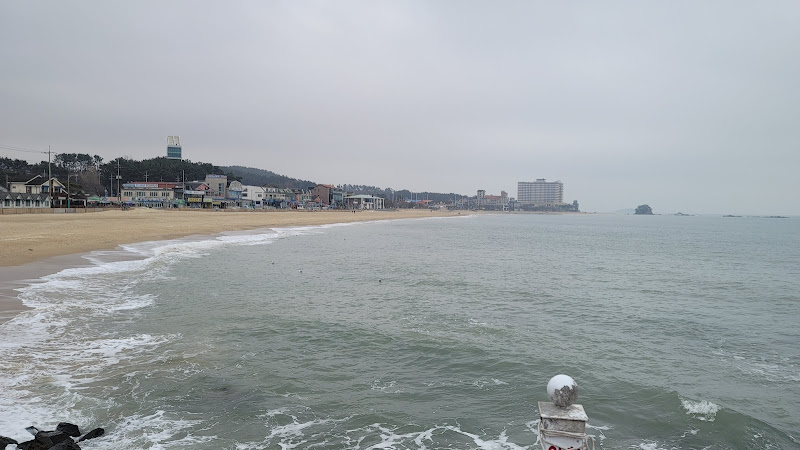
Muchangpo Tideland
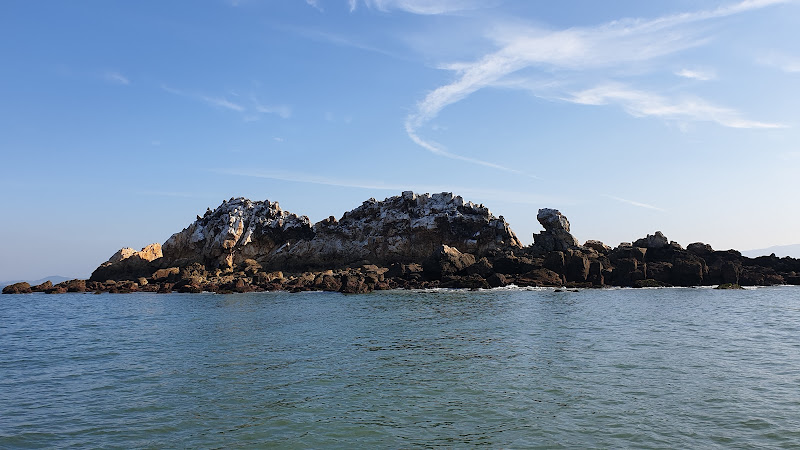
Dabodo Island
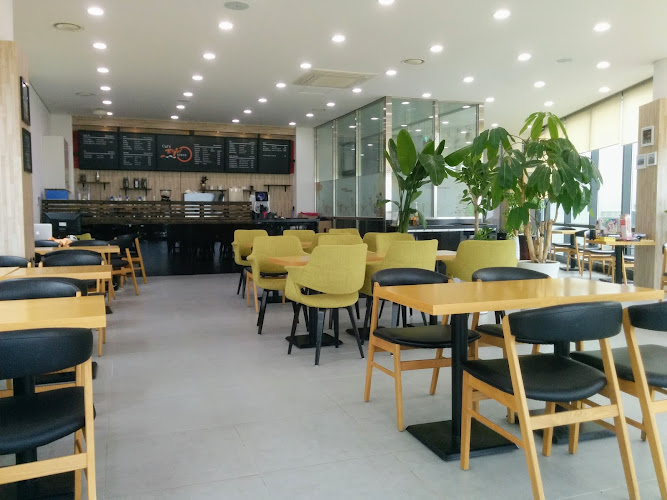
Muchangpo Tower Cafe
Find Accommodations Nearby
Recommended Tours & Activities
Visitor Reviews
There are no reviews yet. Be the first one to write one.
Share Your Experience
Have you visited 개화예술공원? Help other travelers by leaving a review.