About Ogmasan

Description

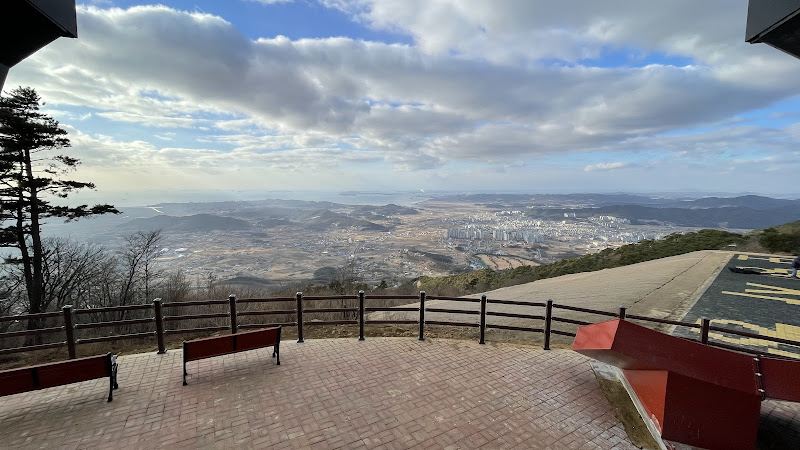
Ogmasan stands as one of South Korea's most captivating natural protection areas, offering visitors an extraordinary blend of adventure and scenic beauty that genuinely takes your breath away. Located at an elevation of 601 meters, this remarkable destination has earned the nickname "Korea's Interlaken" – and honestly, once you witness the panoramic views of Daecheon's coastal waters stretching endlessly before you, you'll understand exactly why. The moment you reach the paragliding launch site, something magical happens. Your eyes feast on a landscape that seems almost too perfect to be real, where emerald hills roll down to meet the shimmering expanse of the sea. It's the kind of view that makes you pause mid-conversation and just... stare. And trust me, I've seen plenty of scenic spots in my travels, but there's something particularly special about Ogmasan that gets under your skin in the best possible way. What sets this natural protection park apart isn't just its stunning elevation or the paragliding opportunities – though those are absolutely incredible. It's the way this place manages to offer both heart-pumping adventure and soul-soothing tranquility in equal measure. Whether you're an adrenaline junkie ready to soar through the skies or someone seeking a peaceful escape from urban chaos, Ogmasan delivers an experience that resonates long after you've returned home. The protected status of this area means you're experiencing nature in its most pristine form. Conservation efforts here have preserved the delicate ecosystem while still allowing visitors to enjoy responsible recreation and sightseeing. It's a perfect example of how tourism and environmental protection can work hand in hand.

Key Features

Ogmasan offers visitors an impressive array of natural and recreational features that make it a standout destination in South Korea's outdoor recreation scene: • **Premium Paragliding Launch Site** – The 601-meter elevation provides ideal wind conditions and spectacular takeoff experiences for both beginners and experienced pilots • **Panoramic Ocean Views** – Unobstructed vistas of Daecheon's coastal waters create picture-perfect moments worthy of your camera's memory card • **Well-Maintained Hiking Trails** – Multiple pathways wind through the protected forest area, offering varying difficulty levels for different fitness abilities • **Protected Ecosystem** – Diverse flora and fauna thrive within the natural protection zone, providing excellent opportunities for wildlife observation • **Family-Friendly Accessibility** – While not wheelchair accessible, the main viewing areas accommodate families with children safely • **Photography Opportunities** – The dramatic landscape changes throughout the day, offering golden hour shots that rival professional travel magazines • **Seasonal Wildlife Migration** – Various bird species use this area as a stopover point, making it particularly appealing for birdwatching enthusiasts • **Clean Mountain Air** – The elevation and forest coverage provide refreshingly pure air quality, especially noticeable for urban visitors • **Cultural Significance** – Local legends and historical connections add depth to the natural beauty experience • **Professional Paragliding Services** – Certified instructors and equipment rental facilities ensure safe adventures for newcomers to the sport

Best Time to Visit

Timing your visit to Ogmasan can make the difference between a good experience and an absolutely unforgettable one. From my observations and conversations with locals, the sweet spot really depends on what you're hoping to get out of your trip. Spring (April to June) emerges as the crown jewel of seasons here. The weather's mild enough that you won't be sweating through your hiking clothes, but warm enough that the paragliding conditions are nearly perfect. Plus, the surrounding vegetation comes alive with fresh green growth that creates this incredibly lush backdrop against the ocean views. April can still be a bit unpredictable with occasional rain showers, so May and early June typically offer the most consistent conditions. Summer brings its own charm, though you'll need to prepare for Korea's notorious humidity. The upside? Crystal-clear skies on good days mean visibility extends for miles across the coastal waters. However, the monsoon season (usually July into August) can put a damper on outdoor activities, particularly paragliding operations. But here's something most guidebooks won't tell you – autumn at Ogmasan is absolutely magical. September through November transforms the landscape into this incredible tapestry of colors. The crowds thin out considerably after summer vacation season ends, meaning you'll often have those spectacular viewpoints practically to yourself. The air becomes crisp and clean, making it perfect for both hiking and flying. Winter visits require more planning and appropriate gear, but brave souls who venture up during clear winter days are rewarded with some of the most dramatic views of the year. Snow-capped peaks meeting the dark blue sea creates this almost surreal contrast that's simply stunning. For paragliding specifically, late spring and early autumn offer the most reliable wind conditions and weather windows. Professional operators typically recommend avoiding the peak summer heat and winter weather extremes for safety reasons.

How to Get There

Getting to Ogmasan requires a bit of planning, but the journey itself becomes part of the adventure. The most straightforward approach involves traveling to Boryeong city first, which serves as your gateway to the Daecheon area. If you're starting from Seoul, the KTX high-speed train gets you to Cheonan-Asan Station in about an hour. From there, you'll need to transfer to a local bus or arrange private transportation to reach Boryeong. The entire journey typically takes around 2.5 to 3 hours, depending on connections and traffic conditions. Driving offers more flexibility and honestly, it's my preferred method when traveling with photography equipment or planning to stay in the area for several days. The drive from Seoul takes approximately 2 hours via the Seohaean Expressway, and you'll have the freedom to stop at scenic viewpoints along the way. Parking at the base area is generally available, though spots can fill up during peak seasons. Once you reach the Boryeong area, local taxi services can take you directly to the Ogmasan access points. However, I'd strongly recommend confirming return transportation arrangements beforehand, especially if you're visiting during off-peak hours when taxi availability might be limited. For international visitors, flying into Incheon International Airport and taking airport buses to Boryeong represents another viable option. The total travel time increases to about 4 hours, but it eliminates the need for multiple train transfers. Several local tour operators offer day trips from major cities that include transportation, which can be convenient if you're traveling solo or prefer organized logistics. These tours often combine Ogmasan visits with other regional attractions, maximizing your sightseeing opportunities. Public transportation within the immediate area can be sporadic, so planning your movements carefully ensures you don't get stranded at the base of the mountain when you're ready to head back.

Tips for Visiting

After spending considerable time exploring Ogmasan and talking with both locals and fellow travelers, I've gathered some insider knowledge that can significantly enhance your experience. Weather preparation is absolutely crucial, and I can't stress this enough. Mountain weather changes rapidly, and being at 601 meters elevation means conditions can differ dramatically from what you experienced at sea level just an hour earlier. Pack layers, even if the forecast looks perfect. I've seen too many visitors caught off-guard by sudden temperature drops or unexpected wind shifts. For paragliding enthusiasts, booking with certified operators is non-negotiable. Don't let budget considerations tempt you into choosing unlicensed providers – your safety isn't worth the savings. Most reputable companies require advance reservations, especially during peak seasons, so plan accordingly. Photography lovers should bring extra batteries and memory cards. The combination of stunning landscapes and varying light conditions throughout the day means you'll be taking far more photos than anticipated. The golden hour shots from the launch platform are particularly spectacular, but they drain camera batteries faster due to the challenging lighting conditions. Comfortable hiking footwear makes a massive difference in your enjoyment level. While the main trails aren't technically demanding, the terrain includes some rocky sections and occasional steep grades that can be tricky in inappropriate shoes. And please, leave the flip-flops at your hotel. Hydration becomes more important at elevation, particularly if you're engaging in physical activities like hiking or paragliding. The mountain air can be deceptive – you might not feel as thirsty as you actually are. Bring more water than you think you'll need. Local etiquette matters in this protected natural area. Stay on designated trails, don't disturb wildlife, and pack out everything you bring in. The preservation of this beautiful place depends on visitor cooperation. If you're traveling with children, the experience can be incredibly rewarding, but extra supervision near viewpoints and cliff edges is essential. The dramatic elevation changes that make Ogmasan spectacular also create potential safety concerns for young explorers. Consider timing your visit to avoid weekend crowds if possible. Midweek visits often provide a more peaceful experience and better opportunities for unobstructed photography. Plus, paragliding instructors typically have more availability for personalized attention during slower periods.

Key Features

  • Key Features
  • Best Time to Visit
  • How to Get There
  • Tips for Visiting

More Details

Updated September 16, 2025

Description

Ogmasan stands as one of South Korea’s most captivating natural protection areas, offering visitors an extraordinary blend of adventure and scenic beauty that genuinely takes your breath away. Located at an elevation of 601 meters, this remarkable destination has earned the nickname “Korea’s Interlaken” – and honestly, once you witness the panoramic views of Daecheon’s coastal waters stretching endlessly before you, you’ll understand exactly why.

The moment you reach the paragliding launch site, something magical happens. Your eyes feast on a landscape that seems almost too perfect to be real, where emerald hills roll down to meet the shimmering expanse of the sea. It’s the kind of view that makes you pause mid-conversation and just… stare. And trust me, I’ve seen plenty of scenic spots in my travels, but there’s something particularly special about Ogmasan that gets under your skin in the best possible way.

What sets this natural protection park apart isn’t just its stunning elevation or the paragliding opportunities – though those are absolutely incredible. It’s the way this place manages to offer both heart-pumping adventure and soul-soothing tranquility in equal measure. Whether you’re an adrenaline junkie ready to soar through the skies or someone seeking a peaceful escape from urban chaos, Ogmasan delivers an experience that resonates long after you’ve returned home.

The protected status of this area means you’re experiencing nature in its most pristine form. Conservation efforts here have preserved the delicate ecosystem while still allowing visitors to enjoy responsible recreation and sightseeing. It’s a perfect example of how tourism and environmental protection can work hand in hand.

Key Features

Ogmasan offers visitors an impressive array of natural and recreational features that make it a standout destination in South Korea’s outdoor recreation scene:

• **Premium Paragliding Launch Site** – The 601-meter elevation provides ideal wind conditions and spectacular takeoff experiences for both beginners and experienced pilots
• **Panoramic Ocean Views** – Unobstructed vistas of Daecheon’s coastal waters create picture-perfect moments worthy of your camera’s memory card
• **Well-Maintained Hiking Trails** – Multiple pathways wind through the protected forest area, offering varying difficulty levels for different fitness abilities
• **Protected Ecosystem** – Diverse flora and fauna thrive within the natural protection zone, providing excellent opportunities for wildlife observation
• **Family-Friendly Accessibility** – While not wheelchair accessible, the main viewing areas accommodate families with children safely
• **Photography Opportunities** – The dramatic landscape changes throughout the day, offering golden hour shots that rival professional travel magazines
• **Seasonal Wildlife Migration** – Various bird species use this area as a stopover point, making it particularly appealing for birdwatching enthusiasts
• **Clean Mountain Air** – The elevation and forest coverage provide refreshingly pure air quality, especially noticeable for urban visitors
• **Cultural Significance** – Local legends and historical connections add depth to the natural beauty experience
• **Professional Paragliding Services** – Certified instructors and equipment rental facilities ensure safe adventures for newcomers to the sport

Best Time to Visit

Timing your visit to Ogmasan can make the difference between a good experience and an absolutely unforgettable one. From my observations and conversations with locals, the sweet spot really depends on what you’re hoping to get out of your trip.

Spring (April to June) emerges as the crown jewel of seasons here. The weather’s mild enough that you won’t be sweating through your hiking clothes, but warm enough that the paragliding conditions are nearly perfect. Plus, the surrounding vegetation comes alive with fresh green growth that creates this incredibly lush backdrop against the ocean views. April can still be a bit unpredictable with occasional rain showers, so May and early June typically offer the most consistent conditions.

Summer brings its own charm, though you’ll need to prepare for Korea’s notorious humidity. The upside? Crystal-clear skies on good days mean visibility extends for miles across the coastal waters. However, the monsoon season (usually July into August) can put a damper on outdoor activities, particularly paragliding operations.

But here’s something most guidebooks won’t tell you – autumn at Ogmasan is absolutely magical. September through November transforms the landscape into this incredible tapestry of colors. The crowds thin out considerably after summer vacation season ends, meaning you’ll often have those spectacular viewpoints practically to yourself. The air becomes crisp and clean, making it perfect for both hiking and flying.

Winter visits require more planning and appropriate gear, but brave souls who venture up during clear winter days are rewarded with some of the most dramatic views of the year. Snow-capped peaks meeting the dark blue sea creates this almost surreal contrast that’s simply stunning.

For paragliding specifically, late spring and early autumn offer the most reliable wind conditions and weather windows. Professional operators typically recommend avoiding the peak summer heat and winter weather extremes for safety reasons.

How to Get There

Getting to Ogmasan requires a bit of planning, but the journey itself becomes part of the adventure. The most straightforward approach involves traveling to Boryeong city first, which serves as your gateway to the Daecheon area.

If you’re starting from Seoul, the KTX high-speed train gets you to Cheonan-Asan Station in about an hour. From there, you’ll need to transfer to a local bus or arrange private transportation to reach Boryeong. The entire journey typically takes around 2.5 to 3 hours, depending on connections and traffic conditions.

Driving offers more flexibility and honestly, it’s my preferred method when traveling with photography equipment or planning to stay in the area for several days. The drive from Seoul takes approximately 2 hours via the Seohaean Expressway, and you’ll have the freedom to stop at scenic viewpoints along the way. Parking at the base area is generally available, though spots can fill up during peak seasons.

Once you reach the Boryeong area, local taxi services can take you directly to the Ogmasan access points. However, I’d strongly recommend confirming return transportation arrangements beforehand, especially if you’re visiting during off-peak hours when taxi availability might be limited.

For international visitors, flying into Incheon International Airport and taking airport buses to Boryeong represents another viable option. The total travel time increases to about 4 hours, but it eliminates the need for multiple train transfers.

Several local tour operators offer day trips from major cities that include transportation, which can be convenient if you’re traveling solo or prefer organized logistics. These tours often combine Ogmasan visits with other regional attractions, maximizing your sightseeing opportunities.

Public transportation within the immediate area can be sporadic, so planning your movements carefully ensures you don’t get stranded at the base of the mountain when you’re ready to head back.

Tips for Visiting

After spending considerable time exploring Ogmasan and talking with both locals and fellow travelers, I’ve gathered some insider knowledge that can significantly enhance your experience.

Weather preparation is absolutely crucial, and I can’t stress this enough. Mountain weather changes rapidly, and being at 601 meters elevation means conditions can differ dramatically from what you experienced at sea level just an hour earlier. Pack layers, even if the forecast looks perfect. I’ve seen too many visitors caught off-guard by sudden temperature drops or unexpected wind shifts.

For paragliding enthusiasts, booking with certified operators is non-negotiable. Don’t let budget considerations tempt you into choosing unlicensed providers – your safety isn’t worth the savings. Most reputable companies require advance reservations, especially during peak seasons, so plan accordingly.

Photography lovers should bring extra batteries and memory cards. The combination of stunning landscapes and varying light conditions throughout the day means you’ll be taking far more photos than anticipated. The golden hour shots from the launch platform are particularly spectacular, but they drain camera batteries faster due to the challenging lighting conditions.

Comfortable hiking footwear makes a massive difference in your enjoyment level. While the main trails aren’t technically demanding, the terrain includes some rocky sections and occasional steep grades that can be tricky in inappropriate shoes. And please, leave the flip-flops at your hotel.

Hydration becomes more important at elevation, particularly if you’re engaging in physical activities like hiking or paragliding. The mountain air can be deceptive – you might not feel as thirsty as you actually are. Bring more water than you think you’ll need.

Local etiquette matters in this protected natural area. Stay on designated trails, don’t disturb wildlife, and pack out everything you bring in. The preservation of this beautiful place depends on visitor cooperation.

If you’re traveling with children, the experience can be incredibly rewarding, but extra supervision near viewpoints and cliff edges is essential. The dramatic elevation changes that make Ogmasan spectacular also create potential safety concerns for young explorers.

Consider timing your visit to avoid weekend crowds if possible. Midweek visits often provide a more peaceful experience and better opportunities for unobstructed photography. Plus, paragliding instructors typically have more availability for personalized attention during slower periods.

Key Highlights

  • Key Features
  • Best Time to Visit
  • How to Get There
  • Tips for Visiting

Location

Places to Stay Near Ogmasan

Find and Book a Tour

Explore More Travel Guides

No reviews found! Be the first to review!

Traveler Reviews for Ogmasan

There are no reviews yet. Be the first one to write one.

Share Your Experience

Have you visited Ogmasan? Help other travelers by sharing your review.

Find Accommodations Nearby

Recommended Tours & Activities

Visitor Reviews

There are no reviews yet. Be the first one to write one.

Share Your Experience

Have you visited Ogmasan? Help other travelers by leaving a review.