
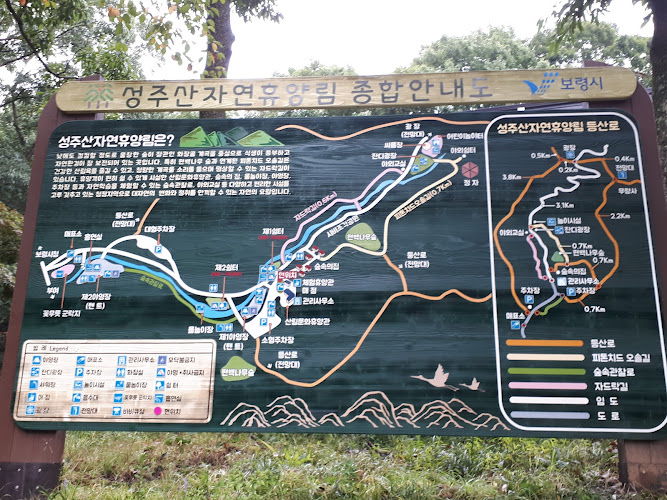
성주산자연휴양림
About 성주산자연휴양림
Description
Seongju Mountain Natural Recreation Forest stands as one of South Korea's most enchanting national forest retreats, where towering hinoki cypress trees create an almost cathedral-like atmosphere that visitors find utterly mesmerizing. Located in Chungcheongnam-do Province, this remarkable destination opened its doors in November 1992 and later achieved national status in December 2003, cementing its reputation as a premier eco-tourism destination.
What makes this place truly special isn't just the impressive scale of the cypress forest - though that certainly takes your breath away - but the way the entire ecosystem seems perfectly orchestrated for relaxation and rejuvenation. The Chaeryeong Mountain range provides a dramatic backdrop, while the crystal-clear Hwajang Valley weaves through the property like nature's own soundtrack. And let me tell you, there's something almost therapeutic about the way sunlight filters through those ancient cypress canopies.
The recreation forest spans across diverse terrain that includes dense natural deciduous forests dominated by oak, chestnut, Japanese snowbell trees, and maple varieties. But it's those hinoki cypress groves that really steal the show - these aren't your average trees we're talking about. They release natural phytoncides, those beneficial compounds that research suggests can boost your immune system and reduce stress levels. I've noticed many visitors actually pause mid-hike just to breathe deeper when they encounter these aromatic giants.
Key Features
The recreational facilities at Seongju Mountain cater to various travel styles and preferences, making it genuinely accessible for different types of outdoor enthusiasts:
- Accommodation Options: 11 buildings housing 20 individual guest rooms, plus specialized forest experience centers and cultural recreation halls for those wanting to stay overnight
- Camping Facilities: Two designated camping areas equipped with modern amenities, perfect for families who prefer sleeping under the stars
- Hiking Trail Network: Multiple difficulty levels ranging from gentle family-friendly paths to more challenging mountain routes that reward you with panoramic valley views
- Wheelchair Accessibility: Thoughtfully designed accessible entrances, parking areas, and select trail sections ensuring mobility-impaired visitors can enjoy the forest experience
- Children's Recreation Zone: Purpose-built playground equipment, swing sets, and kid-friendly hiking loops that keep younger adventurers engaged
- Picnic Infrastructure: Strategically placed tables and shelters throughout the grounds, with some offering those coveted shaded spots during summer months
- Valley Swimming Areas: Natural pools formed by the mountain stream where brave souls can take refreshing dips during warmer weather
- Forest Therapy Programs: Guided sessions focusing on the health benefits of spending time among the hinoki cypress trees
Best Time to Visit
Timing your visit to Seongju Mountain Natural Recreation Forest can dramatically impact your experience, and honestly, each season offers completely different rewards. Spring arrives with a gentle awakening - typically March through May - when wildflowers carpet the forest floor and fresh green shoots emerge against the evergreen cypress backdrop. The weather's mild, crowds are manageable, and there's this sense of renewal in the air that's pretty infectious.
Summer brings its own magic, though you'll want to prepare for higher humidity and occasional afternoon thunderstorms. The cypress trees provide natural air conditioning, and those valley streams become absolutely essential for cooling off. July and August see peak visitation, so booking accommodations well in advance becomes crucial. But here's a insider tip - early morning visits during summer offer the most comfortable hiking conditions and the best opportunities for spotting wildlife.
Fall transforms the deciduous portions of the forest into a painter's palette of reds, oranges, and golden yellows, while the cypress trees remain steadfastly green, creating this stunning contrast that photographers absolutely love. September through November typically offers the most stable weather patterns, making it ideal for extended hiking adventures. The autumn foliage usually peaks around mid to late October, depending on temperature fluctuations.
Winter visits require more preparation but reward hardy travelers with a completely different forest personality. Snow dusting the cypress branches creates scenes that look straight out of a Korean postcard. December through February sees fewer crowds, lower accommodation rates, and crystal-clear mountain air that makes distant peaks appear surprisingly close.
How to Get There
Reaching Seongju Mountain Natural Recreation Forest requires some planning since public transportation options are somewhat limited - this remoteness is actually part of its charm, ensuring the forest maintains its peaceful character. Most visitors find driving the most convenient option, with the recreation forest accessible via well-maintained mountain roads that wind through scenic countryside.
From Seoul, the journey typically takes about 2.5 to 3 hours depending on traffic conditions and your chosen route. Take the Gyeongbu Expressway southbound, then transfer to local highways that lead toward Yesan County. GPS navigation works reliably in this area, though having a backup paper map never hurts when exploring mountain regions.
Public transportation enthusiasts can reach the general vicinity using intercity buses to Yesan or nearby towns, but you'll need to arrange taxi service or rental car for the final stretch to the recreation forest entrance. Some tour companies offer day trips from major cities, which can be convenient if you're not planning an overnight stay.
The approach roads wind through rural farming communities and smaller mountains, offering glimpses of traditional Korean countryside life that many international visitors find fascinating. Road conditions are generally excellent, though winter driving requires extra caution due to potential ice and snow on mountain sections.
Tips for Visiting
Making reservations through the national forest booking system "Sup-nadle" becomes absolutely essential during peak seasons - seriously, popular weekends and holidays fill up months in advance. The reservation system opens at 9 AM on the first day of each month for the following month, and it's genuinely competitive. I've learned that having your payment information ready and being online right at opening time significantly improves your chances.
Packing strategies can make or break your forest experience. Comfortable hiking shoes with good grip are non-negotiable since trail conditions vary from smooth paths to rocky sections. Layered clothing works best because temperatures can fluctuate significantly between sunny clearings and shaded cypress groves. Don't forget insect repellent during warmer months - the pristine natural environment means bugs are part of the ecosystem.
Forest bathing, or "shinrin-yoku" as it's known in nearby Japan, reaches its full potential here among the hinoki cypress trees. Plan to spend at least 2-3 hours in the cypress groves if you want to experience the documented stress-reduction benefits. Bring a small towel or mat for sitting meditation sessions - many visitors report feeling noticeably more relaxed after just 30 minutes of mindful breathing in these areas.
Photography enthusiasts should time their visits for early morning or late afternoon when lighting conditions create dramatic contrasts between the dark cypress trunks and filtered sunbeams. The mist that often rises from the valley streams during cooler mornings provides ethereal backdrops for landscape shots.
Food and beverage options within the recreation forest are somewhat limited, so bringing a well-stocked picnic enhances your experience significantly. The designated picnic areas offer beautiful settings for outdoor meals, and there's something special about eating fresh food surrounded by centuries-old trees. However, remember that all trash must be packed out to preserve the forest's pristine condition.
Weather can change quickly in mountain environments, so checking forecasts immediately before departure prevents unpleasant surprises. Even during seemingly stable conditions, bringing a light rain jacket or poncho proves wise since mountain weather patterns can shift rapidly.
For families with children, the playground areas and gentler hiking trails provide perfect introduction to forest recreation, while the natural swimming spots in the valley offer exciting adventures for kids who love water activities. The swings positioned throughout the grounds have become surprisingly popular Instagram spots, offering unique perspectives of the towering trees.
Key Features
- Key Features
- Best Time to Visit
- How to Get There
- Tips for Visiting
More Details
Updated September 17, 2025
Table of Contents
Description
Seongju Mountain Natural Recreation Forest stands as one of South Korea’s most enchanting national forest retreats, where towering hinoki cypress trees create an almost cathedral-like atmosphere that visitors find utterly mesmerizing. Located in Chungcheongnam-do Province, this remarkable destination opened its doors in November 1992 and later achieved national status in December 2003, cementing its reputation as a premier eco-tourism destination.
What makes this place truly special isn’t just the impressive scale of the cypress forest – though that certainly takes your breath away – but the way the entire ecosystem seems perfectly orchestrated for relaxation and rejuvenation. The Chaeryeong Mountain range provides a dramatic backdrop, while the crystal-clear Hwajang Valley weaves through the property like nature’s own soundtrack. And let me tell you, there’s something almost therapeutic about the way sunlight filters through those ancient cypress canopies.
The recreation forest spans across diverse terrain that includes dense natural deciduous forests dominated by oak, chestnut, Japanese snowbell trees, and maple varieties. But it’s those hinoki cypress groves that really steal the show – these aren’t your average trees we’re talking about. They release natural phytoncides, those beneficial compounds that research suggests can boost your immune system and reduce stress levels. I’ve noticed many visitors actually pause mid-hike just to breathe deeper when they encounter these aromatic giants.
Key Features
The recreational facilities at Seongju Mountain cater to various travel styles and preferences, making it genuinely accessible for different types of outdoor enthusiasts:
- Accommodation Options: 11 buildings housing 20 individual guest rooms, plus specialized forest experience centers and cultural recreation halls for those wanting to stay overnight
- Camping Facilities: Two designated camping areas equipped with modern amenities, perfect for families who prefer sleeping under the stars
- Hiking Trail Network: Multiple difficulty levels ranging from gentle family-friendly paths to more challenging mountain routes that reward you with panoramic valley views
- Wheelchair Accessibility: Thoughtfully designed accessible entrances, parking areas, and select trail sections ensuring mobility-impaired visitors can enjoy the forest experience
- Children’s Recreation Zone: Purpose-built playground equipment, swing sets, and kid-friendly hiking loops that keep younger adventurers engaged
- Picnic Infrastructure: Strategically placed tables and shelters throughout the grounds, with some offering those coveted shaded spots during summer months
- Valley Swimming Areas: Natural pools formed by the mountain stream where brave souls can take refreshing dips during warmer weather
- Forest Therapy Programs: Guided sessions focusing on the health benefits of spending time among the hinoki cypress trees
Best Time to Visit
Timing your visit to Seongju Mountain Natural Recreation Forest can dramatically impact your experience, and honestly, each season offers completely different rewards. Spring arrives with a gentle awakening – typically March through May – when wildflowers carpet the forest floor and fresh green shoots emerge against the evergreen cypress backdrop. The weather’s mild, crowds are manageable, and there’s this sense of renewal in the air that’s pretty infectious.
Summer brings its own magic, though you’ll want to prepare for higher humidity and occasional afternoon thunderstorms. The cypress trees provide natural air conditioning, and those valley streams become absolutely essential for cooling off. July and August see peak visitation, so booking accommodations well in advance becomes crucial. But here’s a insider tip – early morning visits during summer offer the most comfortable hiking conditions and the best opportunities for spotting wildlife.
Fall transforms the deciduous portions of the forest into a painter’s palette of reds, oranges, and golden yellows, while the cypress trees remain steadfastly green, creating this stunning contrast that photographers absolutely love. September through November typically offers the most stable weather patterns, making it ideal for extended hiking adventures. The autumn foliage usually peaks around mid to late October, depending on temperature fluctuations.
Winter visits require more preparation but reward hardy travelers with a completely different forest personality. Snow dusting the cypress branches creates scenes that look straight out of a Korean postcard. December through February sees fewer crowds, lower accommodation rates, and crystal-clear mountain air that makes distant peaks appear surprisingly close.
How to Get There
Reaching Seongju Mountain Natural Recreation Forest requires some planning since public transportation options are somewhat limited – this remoteness is actually part of its charm, ensuring the forest maintains its peaceful character. Most visitors find driving the most convenient option, with the recreation forest accessible via well-maintained mountain roads that wind through scenic countryside.
From Seoul, the journey typically takes about 2.5 to 3 hours depending on traffic conditions and your chosen route. Take the Gyeongbu Expressway southbound, then transfer to local highways that lead toward Yesan County. GPS navigation works reliably in this area, though having a backup paper map never hurts when exploring mountain regions.
Public transportation enthusiasts can reach the general vicinity using intercity buses to Yesan or nearby towns, but you’ll need to arrange taxi service or rental car for the final stretch to the recreation forest entrance. Some tour companies offer day trips from major cities, which can be convenient if you’re not planning an overnight stay.
The approach roads wind through rural farming communities and smaller mountains, offering glimpses of traditional Korean countryside life that many international visitors find fascinating. Road conditions are generally excellent, though winter driving requires extra caution due to potential ice and snow on mountain sections.
Tips for Visiting
Making reservations through the national forest booking system “Sup-nadle” becomes absolutely essential during peak seasons – seriously, popular weekends and holidays fill up months in advance. The reservation system opens at 9 AM on the first day of each month for the following month, and it’s genuinely competitive. I’ve learned that having your payment information ready and being online right at opening time significantly improves your chances.
Packing strategies can make or break your forest experience. Comfortable hiking shoes with good grip are non-negotiable since trail conditions vary from smooth paths to rocky sections. Layered clothing works best because temperatures can fluctuate significantly between sunny clearings and shaded cypress groves. Don’t forget insect repellent during warmer months – the pristine natural environment means bugs are part of the ecosystem.
Forest bathing, or “shinrin-yoku” as it’s known in nearby Japan, reaches its full potential here among the hinoki cypress trees. Plan to spend at least 2-3 hours in the cypress groves if you want to experience the documented stress-reduction benefits. Bring a small towel or mat for sitting meditation sessions – many visitors report feeling noticeably more relaxed after just 30 minutes of mindful breathing in these areas.
Photography enthusiasts should time their visits for early morning or late afternoon when lighting conditions create dramatic contrasts between the dark cypress trunks and filtered sunbeams. The mist that often rises from the valley streams during cooler mornings provides ethereal backdrops for landscape shots.
Food and beverage options within the recreation forest are somewhat limited, so bringing a well-stocked picnic enhances your experience significantly. The designated picnic areas offer beautiful settings for outdoor meals, and there’s something special about eating fresh food surrounded by centuries-old trees. However, remember that all trash must be packed out to preserve the forest’s pristine condition.
Weather can change quickly in mountain environments, so checking forecasts immediately before departure prevents unpleasant surprises. Even during seemingly stable conditions, bringing a light rain jacket or poncho proves wise since mountain weather patterns can shift rapidly.
For families with children, the playground areas and gentler hiking trails provide perfect introduction to forest recreation, while the natural swimming spots in the valley offer exciting adventures for kids who love water activities. The swings positioned throughout the grounds have become surprisingly popular Instagram spots, offering unique perspectives of the towering trees.
Key Highlights
- Key Features
- Best Time to Visit
- How to Get There
- Tips for Visiting
Location
Places to Stay Near 성주산자연휴양림
Find and Book a Tour
Explore More Travel Guides
No reviews found! Be the first to review!
Traveler Reviews for 성주산자연휴양림
There are no reviews yet. Be the first one to write one.
Have you visited 성주산자연휴양림? Help other travelers by sharing your review.
You Might Also Like

Boryeong Mugunghwa Arboretum
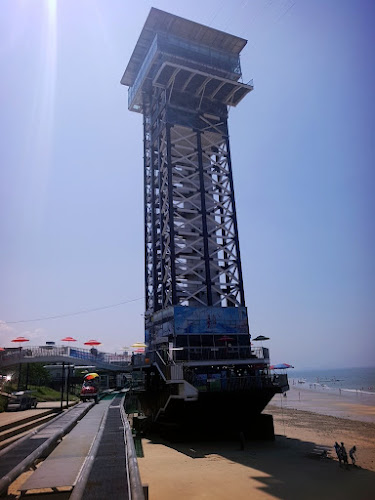
Sky bike
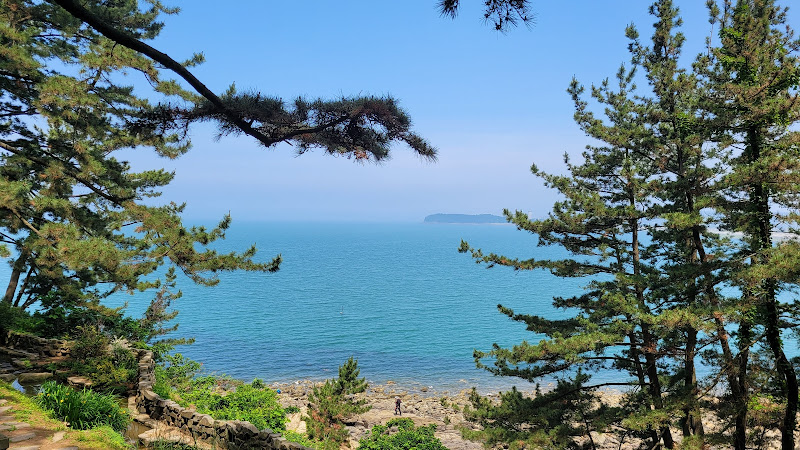
상화원(尙和園)
Find Accommodations Nearby
Recommended Tours & Activities
Visitor Reviews
There are no reviews yet. Be the first one to write one.
Share Your Experience
Have you visited 성주산자연휴양림? Help other travelers by leaving a review.