
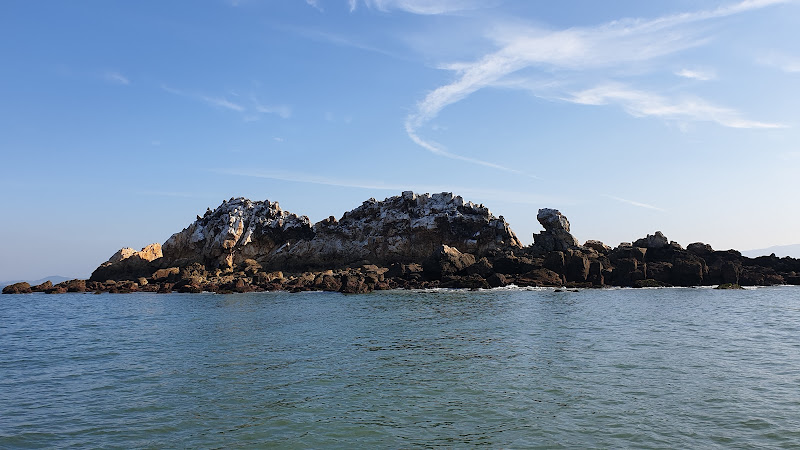
Dabodo Island
About Dabodo Island
Description
Daebudo Island stands as South Korea's second-largest island in the Yellow Sea, right after Ganghwa Island, and honestly, it deserves way more recognition than it gets. Located within Ansan city's municipal boundaries in Gyeonggi Province, this remarkable destination has earned the affectionate nickname "the Hawaii of Ansan" – though I'd argue it has its own unique charm that doesn't need comparisons.
What makes Daebudo truly special is how it perfectly balances accessibility with that genuine island atmosphere. The northern tip connects to the mainland via the impressive Sihwa Seawall, which means you can drive there without dealing with ferry schedules or weather delays. But don't worry – once you're exploring the coastline and wandering through the nature preserve areas, you'll definitely feel like you've escaped to somewhere completely different.
The island's name literally translates to "great hill," and when you see the landscape, it makes perfect sense. Rolling hills meet dramatic coastlines, while traditional fishing villages dot the shoreline. And the beaches? They're genuinely beautiful, with clean sand and relatively calm waters that make swimming actually enjoyable rather than just tolerable.
As a designated nature preserve, Daebudo maintains strict environmental protections that keep development in check. This means you'll find pristine hiking trails, unspoiled coastal areas, and wildlife habitats that thrive without excessive human interference. The island serves as an important stopover for migratory birds, making it a fantastic spot for birdwatching enthusiasts.
Key Features
Daebudo's attractions extend far beyond typical beach destinations, offering experiences that genuinely surprise visitors:
- Yukdo Cluster - Six interconnected islands including Tando (famous for its distinctive black stone formations), Buldo (steeped in Buddhist legends), and Seongamdo (traditionally believed to be a playground for Taoist immortals)
- Sihwa Seawall Road - A scenic drive that ranks among Korea's most beautiful coastal routes, connecting multiple islands with breathtaking ocean views
- Protected Beach Areas - Multiple pristine beaches with facilities for families, including clean public restrooms and designated swimming zones
- Migratory Bird Habitats - Seasonal viewing opportunities for various species, particularly impressive during spring and autumn migrations
- Traditional Fishing Villages - Authentic communities where you can observe traditional Korean fishing methods and sample incredibly fresh seafood
- Coastal Hiking Trails - Well-maintained paths that wind through the nature preserve, offering stunning viewpoints without requiring extreme fitness levels
- Tidal Pools - Fascinating marine ecosystems exposed during low tide, perfect for educational exploration with children
- Sunset Viewing Points - Strategic locations across the island that provide unobstructed views of spectacular Yellow Sea sunsets
Best Time to Visit
Timing your visit to Daebudo can make the difference between a good trip and an absolutely memorable one. Late spring through early autumn (May to October) offers the most comfortable weather conditions, but each season brings its own advantages.
Summer months (July and August) draw the biggest crowds, especially families with school-age children. The weather's perfect for swimming and beach activities, but you'll need to arrive early to secure parking and good spots on popular beaches. I've noticed that weekday visits during summer feel significantly less crowded than weekends.
But here's something most guidebooks won't tell you – autumn visits (September through November) might actually be superior. The weather remains pleasant, crowds thin out considerably, and the migratory bird activity reaches peak levels. Plus, the changing foliage creates stunning photography opportunities along the hiking trails.
Winter visits aren't impossible, though they require different expectations. The nature preserve takes on a stark, beautiful character during colder months, and you'll practically have the place to yourself. Just dress warmly and check weather conditions before making the drive.
Spring (March through May) offers mild temperatures and emerging wildlife activity, making it excellent for hiking and birdwatching. The downside? Unpredictable weather patterns can sometimes interfere with outdoor plans.
For the absolute best experience, plan your visit during weekdays in late spring or early autumn. You'll avoid crowds, enjoy comfortable temperatures, and have better opportunities for wildlife observation.
How to Get There
Getting to Daebudo Island is refreshingly straightforward compared to most island destinations in Korea. The Sihwa Seawall connection means you can drive directly from Seoul metropolitan area in about an hour, depending on traffic conditions.
By car, take Highway 15 (West Coast Expressway) toward Ansan, then follow signs for Sihwa Lake and Daebudo. The drive itself becomes part of the experience once you reach the seawall – the ocean views on both sides are genuinely spectacular. Parking is available near most major attractions, though spaces fill up quickly during peak season weekends.
Public transportation requires a bit more planning but remains totally feasible. From Seoul, take Line 4 subway to Ansan Station, then catch Bus 123 directly to Daebudo. The bus ride takes approximately 40 minutes and runs regularly throughout the day. Some visitors prefer this option because it eliminates parking concerns and allows them to enjoy the scenery without focusing on driving.
For international visitors staying in Seoul, many tour companies offer day trips to Daebudo that include transportation and guided activities. While more expensive than independent travel, these tours often provide insights and access to areas that might be challenging to find on your own.
One thing to keep in mind – GPS systems sometimes struggle with the exact locations of smaller attractions on the island. Download offline maps or bring a physical map as backup, especially if you're planning to explore the more remote areas of the nature preserve.
Tips for Visiting
After several visits to Daebudo, I've learned some practical strategies that can significantly improve your experience. First and foremost – bring layers of clothing regardless of the season. Island weather can change quickly, and coastal winds often make temperatures feel different than inland forecasts suggest.
The nature preserve designation means certain environmental rules apply strictly. Stay on marked trails, don't disturb wildlife, and pack out everything you bring in. Rangers do patrol regularly, and violations can result in hefty fines. But honestly, following these guidelines just makes sense when you see how pristine the environment remains.
Food options exist on the island, particularly fresh seafood restaurants in the fishing villages, but selection can be limited during off-peak times. Packing snacks and plenty of water ensures you won't cut your exploration short due to hunger or thirst. The hiking trails don't have facilities along the way, so plan accordingly.
Timing your visit around tidal schedules opens up additional exploration opportunities. Low tide exposes fascinating tidal pool ecosystems and provides access to areas that remain underwater during high tide. Check tide charts before your visit and plan the most interesting activities accordingly.
Photography enthusiasts should bring extra batteries and memory cards. The combination of coastal scenery, wildlife opportunities, and changing light conditions throughout the day creates countless photo opportunities. And those sunset shots? They're absolutely worth staying late for.
Families with children will find Daebudo particularly accommodating. The beaches have gentle slopes into the water, public restrooms are clean and well-maintained, and the shorter hiking trails offer manageable distances for younger legs. Just keep a close eye on kids near the coastal areas – currents can be stronger than they appear.
Finally, consider bringing binoculars if you're visiting during migration seasons. The bird watching opportunities can be extraordinary, but many species maintain considerable distance from human visitors. A good pair of binoculars transforms casual observation into genuine wildlife encounters.
One last practical note – cell phone coverage can be spotty in some remote areas of the nature preserve. Let someone know your planned itinerary and expected return time, especially if you're hiking alone or in small groups.
Key Features
- Key Features
- Best Time to Visit
- How to Get There
- Tips for Visiting
More Details
Updated September 17, 2025
Table of Contents
Description
Daebudo Island stands as South Korea’s second-largest island in the Yellow Sea, right after Ganghwa Island, and honestly, it deserves way more recognition than it gets. Located within Ansan city’s municipal boundaries in Gyeonggi Province, this remarkable destination has earned the affectionate nickname “the Hawaii of Ansan” – though I’d argue it has its own unique charm that doesn’t need comparisons.
What makes Daebudo truly special is how it perfectly balances accessibility with that genuine island atmosphere. The northern tip connects to the mainland via the impressive Sihwa Seawall, which means you can drive there without dealing with ferry schedules or weather delays. But don’t worry – once you’re exploring the coastline and wandering through the nature preserve areas, you’ll definitely feel like you’ve escaped to somewhere completely different.
The island’s name literally translates to “great hill,” and when you see the landscape, it makes perfect sense. Rolling hills meet dramatic coastlines, while traditional fishing villages dot the shoreline. And the beaches? They’re genuinely beautiful, with clean sand and relatively calm waters that make swimming actually enjoyable rather than just tolerable.
As a designated nature preserve, Daebudo maintains strict environmental protections that keep development in check. This means you’ll find pristine hiking trails, unspoiled coastal areas, and wildlife habitats that thrive without excessive human interference. The island serves as an important stopover for migratory birds, making it a fantastic spot for birdwatching enthusiasts.
Key Features
Daebudo’s attractions extend far beyond typical beach destinations, offering experiences that genuinely surprise visitors:
- Yukdo Cluster – Six interconnected islands including Tando (famous for its distinctive black stone formations), Buldo (steeped in Buddhist legends), and Seongamdo (traditionally believed to be a playground for Taoist immortals)
- Sihwa Seawall Road – A scenic drive that ranks among Korea’s most beautiful coastal routes, connecting multiple islands with breathtaking ocean views
- Protected Beach Areas – Multiple pristine beaches with facilities for families, including clean public restrooms and designated swimming zones
- Migratory Bird Habitats – Seasonal viewing opportunities for various species, particularly impressive during spring and autumn migrations
- Traditional Fishing Villages – Authentic communities where you can observe traditional Korean fishing methods and sample incredibly fresh seafood
- Coastal Hiking Trails – Well-maintained paths that wind through the nature preserve, offering stunning viewpoints without requiring extreme fitness levels
- Tidal Pools – Fascinating marine ecosystems exposed during low tide, perfect for educational exploration with children
- Sunset Viewing Points – Strategic locations across the island that provide unobstructed views of spectacular Yellow Sea sunsets
Best Time to Visit
Timing your visit to Daebudo can make the difference between a good trip and an absolutely memorable one. Late spring through early autumn (May to October) offers the most comfortable weather conditions, but each season brings its own advantages.
Summer months (July and August) draw the biggest crowds, especially families with school-age children. The weather’s perfect for swimming and beach activities, but you’ll need to arrive early to secure parking and good spots on popular beaches. I’ve noticed that weekday visits during summer feel significantly less crowded than weekends.
But here’s something most guidebooks won’t tell you – autumn visits (September through November) might actually be superior. The weather remains pleasant, crowds thin out considerably, and the migratory bird activity reaches peak levels. Plus, the changing foliage creates stunning photography opportunities along the hiking trails.
Winter visits aren’t impossible, though they require different expectations. The nature preserve takes on a stark, beautiful character during colder months, and you’ll practically have the place to yourself. Just dress warmly and check weather conditions before making the drive.
Spring (March through May) offers mild temperatures and emerging wildlife activity, making it excellent for hiking and birdwatching. The downside? Unpredictable weather patterns can sometimes interfere with outdoor plans.
For the absolute best experience, plan your visit during weekdays in late spring or early autumn. You’ll avoid crowds, enjoy comfortable temperatures, and have better opportunities for wildlife observation.
How to Get There
Getting to Daebudo Island is refreshingly straightforward compared to most island destinations in Korea. The Sihwa Seawall connection means you can drive directly from Seoul metropolitan area in about an hour, depending on traffic conditions.
By car, take Highway 15 (West Coast Expressway) toward Ansan, then follow signs for Sihwa Lake and Daebudo. The drive itself becomes part of the experience once you reach the seawall – the ocean views on both sides are genuinely spectacular. Parking is available near most major attractions, though spaces fill up quickly during peak season weekends.
Public transportation requires a bit more planning but remains totally feasible. From Seoul, take Line 4 subway to Ansan Station, then catch Bus 123 directly to Daebudo. The bus ride takes approximately 40 minutes and runs regularly throughout the day. Some visitors prefer this option because it eliminates parking concerns and allows them to enjoy the scenery without focusing on driving.
For international visitors staying in Seoul, many tour companies offer day trips to Daebudo that include transportation and guided activities. While more expensive than independent travel, these tours often provide insights and access to areas that might be challenging to find on your own.
One thing to keep in mind – GPS systems sometimes struggle with the exact locations of smaller attractions on the island. Download offline maps or bring a physical map as backup, especially if you’re planning to explore the more remote areas of the nature preserve.
Tips for Visiting
After several visits to Daebudo, I’ve learned some practical strategies that can significantly improve your experience. First and foremost – bring layers of clothing regardless of the season. Island weather can change quickly, and coastal winds often make temperatures feel different than inland forecasts suggest.
The nature preserve designation means certain environmental rules apply strictly. Stay on marked trails, don’t disturb wildlife, and pack out everything you bring in. Rangers do patrol regularly, and violations can result in hefty fines. But honestly, following these guidelines just makes sense when you see how pristine the environment remains.
Food options exist on the island, particularly fresh seafood restaurants in the fishing villages, but selection can be limited during off-peak times. Packing snacks and plenty of water ensures you won’t cut your exploration short due to hunger or thirst. The hiking trails don’t have facilities along the way, so plan accordingly.
Timing your visit around tidal schedules opens up additional exploration opportunities. Low tide exposes fascinating tidal pool ecosystems and provides access to areas that remain underwater during high tide. Check tide charts before your visit and plan the most interesting activities accordingly.
Photography enthusiasts should bring extra batteries and memory cards. The combination of coastal scenery, wildlife opportunities, and changing light conditions throughout the day creates countless photo opportunities. And those sunset shots? They’re absolutely worth staying late for.
Families with children will find Daebudo particularly accommodating. The beaches have gentle slopes into the water, public restrooms are clean and well-maintained, and the shorter hiking trails offer manageable distances for younger legs. Just keep a close eye on kids near the coastal areas – currents can be stronger than they appear.
Finally, consider bringing binoculars if you’re visiting during migration seasons. The bird watching opportunities can be extraordinary, but many species maintain considerable distance from human visitors. A good pair of binoculars transforms casual observation into genuine wildlife encounters.
One last practical note – cell phone coverage can be spotty in some remote areas of the nature preserve. Let someone know your planned itinerary and expected return time, especially if you’re hiking alone or in small groups.
Key Highlights
- Key Features
- Best Time to Visit
- How to Get There
- Tips for Visiting
Location
Places to Stay Near Dabodo Island
Find and Book a Tour
Explore More Travel Guides
No reviews found! Be the first to review!
Traveler Reviews for Dabodo Island
There are no reviews yet. Be the first one to write one.
Have you visited Dabodo Island? Help other travelers by sharing your review.
You Might Also Like
개화예술공원
Daecheon Beach
Daecheon Zipline & Sky Bike
Find Accommodations Nearby
Recommended Tours & Activities
Visitor Reviews
There are no reviews yet. Be the first one to write one.
Share Your Experience
Have you visited Dabodo Island? Help other travelers by leaving a review.