
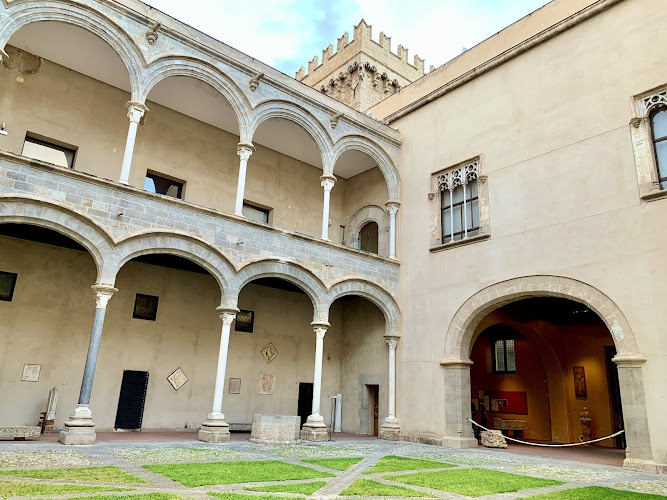
Palazzo Abatellis
About Palazzo Abatellis
Palazzo Abatellis is one of those places that makes you stop in your tracks and just breathe in the history around you. Built in the late 1400s, this Catalan Gothic-style palace once belonged to Francesco Abatellis, an important figure in the Kingdom of Sicily. Today, it’s not just a palace—it’s a museum, and a rather impressive one at that. Inside, you’ll find a wide-ranging collection of Sicilian art, from medieval frescoes to Renaissance masterpieces. The highlight for many visitors is Antonello da Messina’s haunting Annunciata, a painting that has a way of pulling you in with its quiet intensity. But honestly, the building itself is just as fascinating as the art it holds. High vaulted ceilings, stone arches, and a sense of grandeur that feels both intimate and monumental at the same time.
Now, not everyone falls head over heels for Palazzo Abatellis. Some people walk away thinking it’s smaller than expected or that the collection could be better explained. And fair enough, it’s not the Louvre. But if you’re the kind of traveler who likes to take their time, to really look at details and imagine the lives of the people who once walked these halls, then this place will reward you. Personally, I’ve always loved spots like this where art and architecture come together, where you feel like you’re stepping into a story rather than just ticking off another museum stop. It’s not flashy, but it’s rich—layered with centuries of Sicilian history and creativity.
Key Features
- 15th-century Catalan Gothic architecture designed by Matteo Carnelivari
- Collection ranges from medieval art to Renaissance works
- Famous painting: Annunciata by Antonello da Messina
- Wooden sculptures, frescoes, and religious art from across Sicily
- Wheelchair accessible entrance and restrooms
- Located in Palermo’s historic Kalsa district, adding to the charm of the visit
Best Time to Visit
If you’re planning a trip, think about timing. Palermo summers can be brutally hot, and wandering around a stone palace when it’s 35°C outside isn’t exactly comfortable. Spring and autumn are much kinder—the weather is warm but not oppressive, and you can enjoy strolling through the nearby streets after your museum visit. Winter has its own appeal too; the crowds thin out, and you might even have some of the galleries to yourself. Personally, I love visiting museums in the morning. You get in before the tour groups arrive, and there’s something magical about being almost alone in front of a Renaissance painting. It feels like you’re sharing a secret with the past.
How to Get There
Reaching Palazzo Abatellis is straightforward if you’re already in Palermo. It’s tucked into the Kalsa quarter, one of the city’s oldest neighborhoods. You can walk from the city center in about 15 minutes, and honestly, the walk is part of the experience—narrow streets, local shops, the occasional Vespa zipping by. Public buses also stop nearby if you prefer not to walk. Taxis and ride apps are available, but unless you’re carrying heavy bags or dealing with mobility issues, walking is the best way to soak in the atmosphere. Just wear decent shoes; Palermo’s cobblestones can be unforgiving.
Tips for Visiting
Here’s the thing: Palazzo Abatellis isn’t massive, so don’t rush. Give yourself at least an hour, maybe two if you’re the type who likes to linger over details. Take a moment to really look at the wooden sculptures—they’re easy to overlook, but they tell such human, almost raw stories. If you’re traveling with kids, set their expectations; this isn’t an interactive museum, but older children who enjoy history or art might find it surprisingly engaging. And don’t forget to look up—the ceilings and architectural details are works of art in themselves.
Another tip: don’t expect a café or restaurant inside. There are restrooms, and the facilities are accessible, but you’ll need to head out into the neighborhood for food or coffee. Luckily, Kalsa is full of little trattorias and bars where you can grab a bite afterward. I once ended up in a tiny café just around the corner, sipping an espresso while flipping through the photos I’d taken inside. It felt like the perfect way to let the experience sink in. And maybe that’s the best advice of all—don’t just see Palazzo Abatellis, let it linger with you a bit. It’s not the biggest museum in Italy, but it has a quiet power that stays with you long after you’ve left its stone walls.
Key Features
- 15th-century Catalan Gothic architecture designed by Matteo Carnelivari
- Collection ranges from medieval art to Renaissance works
- Wooden sculptures, frescoes, and religious art from across Sicily
- Wheelchair accessible entrance and restrooms
- Located in Palermo’s historic Kalsa district, adding to the charm of the visit
You Might Also Like

Catacombe dei Cappuccini di Palermo
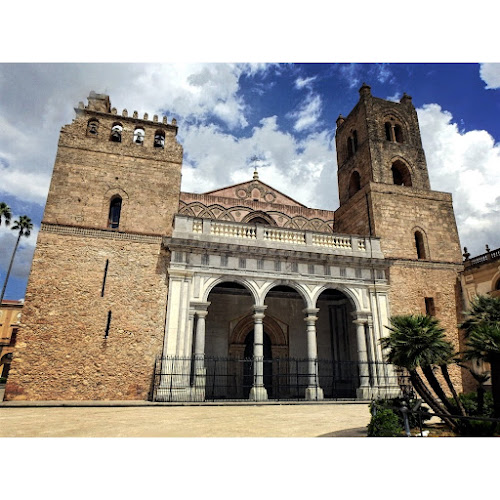
Cattedrale di Monreale

Church of Saint John of the Hermits
Tours & Activities
GetYourGuide provides this tour inventory. We may earn a commission if you book through it; verify current availability, prices, and terms with the provider.
Visitor Reviews
There are no reviews yet. Be the first one to write one.
Share Your Experience
Have you visited Palazzo Abatellis? Help other travelers by leaving a review.