
Noyamakita-Rokudōyama Park
About Noyamakita-Rokudōyama Park
Description
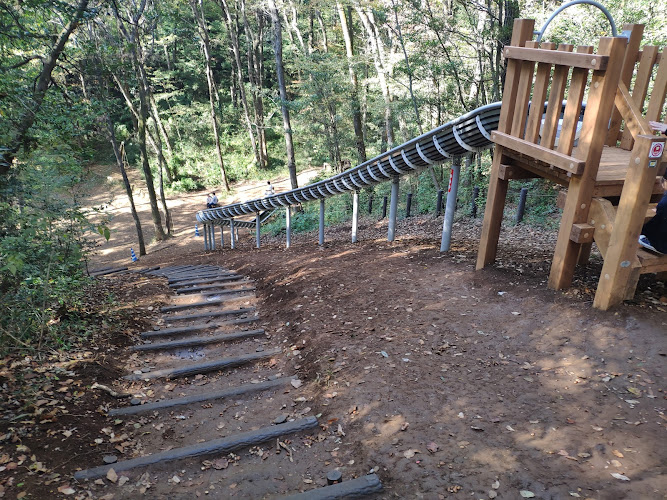
Noyamakita-Rokudōyama Park is one of those places that feels like it’s been quietly waiting for you to discover it. Spanning over a million square meters in the Sayama Hills area of Tokyo, it’s a mix of wide-open fields, shaded forest trails, and little surprises like a traditional satoyama-style farmhouse tucked away among the greenery. It’s not a manicured, overly polished type of park—more of a natural, lived-in space where you can wander without feeling rushed. On clear days, the observatory rewards you with a view of Mt. Fuji that honestly feels like it’s been painted onto the horizon. And while some parts can get a bit busy on weekends, there’s still plenty of room to find your own quiet spot, whether you’re there for a hike, a picnic, or just to let the kids run wild on the playground.
It’s a park that wears its seasons well—spring brings soft pink cherry blossoms, summer hums with cicadas, autumn spills gold and red leaves across the trails, and winter has that crisp, clean air that makes the Fuji view even sharper. It’s not perfect—some facilities feel a little dated, and certain paths can get muddy after rain—but that’s part of its charm. It’s a place where you go to breathe a little deeper and slow down without even realizing you’re doing it.
Key Features
- Extensive network of hiking and walking trails through forested hills
- Observatory with panoramic views, including Mt. Fuji on clear days
- Large playground area with slides, swings, and open space for kids
- Traditional satoyama farmhouse recreation with an irori hearth
- Picnic tables scattered throughout for casual outdoor meals
- Wheelchair-accessible parking and certain flat trail sections
- On-site parking for cars and bicycles
- Dog-friendly areas and trails
- Public restrooms available at key points
Best Time to Visit
Honestly, it depends on what you’re after. If you’re chasing Mt. Fuji views, winter is your friend—cool, dry air makes the mountain pop against the sky like a postcard. For color and atmosphere, autumn is hard to beat; the park’s hills turn into a fiery patchwork that makes even the simplest walk feel cinematic. Spring is all about blossoms, both cherry and plum, which tend to draw more crowds but also give the park a soft, dreamy quality. Summer has its own magic with lush greenery and the sound of cicadas filling the air, though you’ll want to bring water and maybe a hat because some trails can get pretty warm. My personal pick? Late autumn mornings—cool, quiet, and just enough sunlight to make the leaves glow.
How to Get There
Reaching the park is straightforward if you’re already in western Tokyo. From central Tokyo, you can take a train toward the Musashimurayama area and then hop on a local bus that drops you near one of the park’s entrances. If you’re driving, the on-site parking is a big plus, especially for families hauling picnic gear or those traveling with pets. Cyclists often make it part of their weekend route, as the approach roads are relatively gentle and scenic. Just keep in mind that on sunny weekends, parking spots can fill up by late morning, so an early start is worth it.
Tips for Visiting
Bring good shoes—some of the trails are well-maintained, but others can be uneven or muddy after rain. If you’re planning to see Mt. Fuji, check the weather forecast the night before; a clear day makes all the difference. Families with kids will appreciate the playground, but it’s worth exploring the trails too—there are a few kid-friendly routes that aren’t too steep. If you’ve got a dog, this is one of the better parks in Tokyo for bringing them along, as long as they’re leashed. And for picnics, aim for a weekday if possible; weekends can get lively, and while that can be fun, it’s not exactly peaceful. Oh, and don’t skip the satoyama farmhouse—it’s a little time capsule that adds a cultural layer to your visit.
One more thing: take your time. This isn’t the kind of park you “do” in an hour. Let yourself wander, follow a side path, sit on a bench with some tea, and just watch the light shift through the trees. That’s when Noyamakita-Rokudōyama Park really shows you what it’s about.
Key Features
- Extensive network of hiking and walking trails through forested hills
- Observatory with panoramic views, including Mt. Fuji on clear days
- Large playground area with slides, swings, and open space for kids
- Traditional satoyama farmhouse recreation with an irori hearth
- Picnic tables scattered throughout for casual outdoor meals
- Wheelchair-accessible parking and certain flat trail sections
- On-site parking for cars and bicycles
- Dog-friendly areas and trails
More Details
Updated August 9, 2025
Table of Contents
Description
Noyamakita-Rokudōyama Park is one of those places that feels like it’s been quietly waiting for you to discover it. Spanning over a million square meters in the Sayama Hills area of Tokyo, it’s a mix of wide-open fields, shaded forest trails, and little surprises like a traditional satoyama-style farmhouse tucked away among the greenery. It’s not a manicured, overly polished type of park—more of a natural, lived-in space where you can wander without feeling rushed. On clear days, the observatory rewards you with a view of Mt. Fuji that honestly feels like it’s been painted onto the horizon. And while some parts can get a bit busy on weekends, there’s still plenty of room to find your own quiet spot, whether you’re there for a hike, a picnic, or just to let the kids run wild on the playground.
It’s a park that wears its seasons well—spring brings soft pink cherry blossoms, summer hums with cicadas, autumn spills gold and red leaves across the trails, and winter has that crisp, clean air that makes the Fuji view even sharper. It’s not perfect—some facilities feel a little dated, and certain paths can get muddy after rain—but that’s part of its charm. It’s a place where you go to breathe a little deeper and slow down without even realizing you’re doing it.
Key Features
- Extensive network of hiking and walking trails through forested hills
- Observatory with panoramic views, including Mt. Fuji on clear days
- Large playground area with slides, swings, and open space for kids
- Traditional satoyama farmhouse recreation with an irori hearth
- Picnic tables scattered throughout for casual outdoor meals
- Wheelchair-accessible parking and certain flat trail sections
- On-site parking for cars and bicycles
- Dog-friendly areas and trails
- Public restrooms available at key points
Best Time to Visit
Honestly, it depends on what you’re after. If you’re chasing Mt. Fuji views, winter is your friend—cool, dry air makes the mountain pop against the sky like a postcard. For color and atmosphere, autumn is hard to beat; the park’s hills turn into a fiery patchwork that makes even the simplest walk feel cinematic. Spring is all about blossoms, both cherry and plum, which tend to draw more crowds but also give the park a soft, dreamy quality. Summer has its own magic with lush greenery and the sound of cicadas filling the air, though you’ll want to bring water and maybe a hat because some trails can get pretty warm. My personal pick? Late autumn mornings—cool, quiet, and just enough sunlight to make the leaves glow.
How to Get There
Reaching the park is straightforward if you’re already in western Tokyo. From central Tokyo, you can take a train toward the Musashimurayama area and then hop on a local bus that drops you near one of the park’s entrances. If you’re driving, the on-site parking is a big plus, especially for families hauling picnic gear or those traveling with pets. Cyclists often make it part of their weekend route, as the approach roads are relatively gentle and scenic. Just keep in mind that on sunny weekends, parking spots can fill up by late morning, so an early start is worth it.
Tips for Visiting
Bring good shoes—some of the trails are well-maintained, but others can be uneven or muddy after rain. If you’re planning to see Mt. Fuji, check the weather forecast the night before; a clear day makes all the difference. Families with kids will appreciate the playground, but it’s worth exploring the trails too—there are a few kid-friendly routes that aren’t too steep. If you’ve got a dog, this is one of the better parks in Tokyo for bringing them along, as long as they’re leashed. And for picnics, aim for a weekday if possible; weekends can get lively, and while that can be fun, it’s not exactly peaceful. Oh, and don’t skip the satoyama farmhouse—it’s a little time capsule that adds a cultural layer to your visit.
One more thing: take your time. This isn’t the kind of park you “do” in an hour. Let yourself wander, follow a side path, sit on a bench with some tea, and just watch the light shift through the trees. That’s when Noyamakita-Rokudōyama Park really shows you what it’s about.
Key Highlights
- Extensive network of hiking and walking trails through forested hills
- Observatory with panoramic views, including Mt. Fuji on clear days
- Large playground area with slides, swings, and open space for kids
- Traditional satoyama farmhouse recreation with an irori hearth
- Picnic tables scattered throughout for casual outdoor meals
- Wheelchair-accessible parking and certain flat trail sections
- On-site parking for cars and bicycles
- Dog-friendly areas and trails
Location
Places to Stay Near Noyamakita-Rokudōyama Park
Find and Book a Tour
Explore More Travel Guides
No reviews found! Be the first to review!
Traveler Reviews for Noyamakita-Rokudōyama Park
There are no reviews yet. Be the first one to write one.
Have you visited Noyamakita-Rokudōyama Park? Help other travelers by sharing your review.
You Might Also Like
Ominami Park
Kabuto Bridge

Musashimurayama History & Folklore Museum
Find Accommodations Nearby
Recommended Tours & Activities
Visitor Reviews
There are no reviews yet. Be the first one to write one.
Share Your Experience
Have you visited Noyamakita-Rokudōyama Park? Help other travelers by leaving a review.