

Musashimurayama History & Folklore Museum
About Musashimurayama History & Folklore Museum
Description
The Musashimurayama History & Folklore Museum offers visitors a fascinating glimpse into the cultural heritage and historical evolution of this unique corner of Tokyo Prefecture. As a [local history museum focusing on the area's nature, heritage, and prehistoric artifacts](https://en.japantravel.com/tokyo/musashimurayama-city-museums-galleries/68223), it's become an essential stop for history buffs and curious travelers alike. The museum's comprehensive collection includes an impressive array of stone tools from prehistoric periods, giving visitors tangible connections to the region's ancient past. What sets this museum apart is its dedication to preserving and showcasing local folklore alongside historical artifacts. You'll find yourself wandering through carefully curated exhibits that tell the story of Musashimurayama's transformation from ancient times to the present day. The facility is entirely accessible, with modern amenities that make it comfortable for all visitors while maintaining its authentic cultural atmosphere.Key Features
• Extensive collection of prehistoric stone tools and artifacts • Detailed exhibits on local folklore and cultural traditions • Interactive educational displays suitable for all ages • Fully wheelchair-accessible facilities throughout • Clean, well-maintained restrooms • Spacious, barrier-free exhibition areas • Educational programs and seasonal special exhibitions • Comprehensive signage and information displays • Child-friendly learning spaces • Climate-controlled exhibition roomsBest Time to Visit
Morning visits, particularly on weekdays, offer the most peaceful experience at the museum. The lighting is perfect for examining the detailed exhibits, and you'll have plenty of space to move at your own pace. Weekends can get somewhat crowded, especially during special exhibitions or cultural events. I'd suggest planning your visit between 10 AM and noon when the museum is at its quietest. The museum really comes alive during seasonal festivals and special exhibitions, though these times also bring larger crowds. If you're interested in deeper cultural immersion, these events are worth braving the extra visitors. Spring and autumn months provide the most comfortable temperatures for exploring both indoor and outdoor exhibits.How to Get There
Getting to the Musashimurayama History & Folklore Museum is straightforward using Tokyo's efficient public transportation system. Take the JR Ome Line to Musashimurayama Station. From there, it's about a 15-minute walk through local neighborhoods that give you a nice preview of the area's character. The walk is pretty straightforward, but I'd recommend downloading an offline map just in case. If you're driving, the museum offers accessible parking facilities, including designated spots for visitors with disabilities. Just remember that parking can fill up quickly during peak times and special events.Tips for Visiting
Plan to spend at least 90 minutes exploring the main exhibits - trust me, you'll want the time to really absorb everything. The prehistoric tool collection alone deserves a good 30 minutes of your attention. Bring along a camera (photography is allowed in most areas), but remember to check with staff about flash photography restrictions in certain sections. Consider visiting on weekday mornings to avoid crowds and get the most out of your experience. The museum's accessibility features make it perfect for families with strollers or visitors using wheelchairs. While there's no restaurant on-site, you'll find several nice local eateries within walking distance - perfect for combining your museum visit with a taste of local cuisine. Remember to check the museum's schedule for special exhibitions or events - these often provide unique insights into specific aspects of local history and culture. And don't forget to pick up a guide brochure at the entrance; while many exhibits have English descriptions, the additional context can really enhance your visit. If you're traveling with kids, head to the interactive sections first while their energy levels are high. The museum does a great job of making history accessible to younger visitors, but like any museum, it's best to tackle the more engaging exhibits before museum fatigue sets in. Lastly, wear comfortable shoes - you'll be doing quite a bit of standing and walking. And though the museum is climate-controlled, it's always smart to bring a light layer as some exhibition rooms can get slightly cool to protect the artifacts.Key Features
- Key Features
- Best Time to Visit
- How to Get There
- Tips for Visiting
More Details
Updated June 26, 2025
Table of Contents
- Description
- Key Features
- Best Time to Visit
- How to Get There
- Tips for Visiting
- Key Highlights
- Location
- Places to Stay Near Musashimurayama History & Folklore Museum
- Find and Book a Tour
- Explore More Travel Guides
- Nearby Places You Might Like
- Traveler Reviews for Musashimurayama History & Folklore Museum
- Share Your Experience
Description
The Musashimurayama History & Folklore Museum offers visitors a fascinating glimpse into the cultural heritage and historical evolution of this unique corner of Tokyo Prefecture. As a [local history museum focusing on the area’s nature, heritage, and prehistoric artifacts](https://en.japantravel.com/tokyo/musashimurayama-city-museums-galleries/68223), it’s become an essential stop for history buffs and curious travelers alike. The museum’s comprehensive collection includes an impressive array of stone tools from prehistoric periods, giving visitors tangible connections to the region’s ancient past.
What sets this museum apart is its dedication to preserving and showcasing local folklore alongside historical artifacts. You’ll find yourself wandering through carefully curated exhibits that tell the story of Musashimurayama’s transformation from ancient times to the present day. The facility is entirely accessible, with modern amenities that make it comfortable for all visitors while maintaining its authentic cultural atmosphere.
Key Features
• Extensive collection of prehistoric stone tools and artifacts
• Detailed exhibits on local folklore and cultural traditions
• Interactive educational displays suitable for all ages
• Fully wheelchair-accessible facilities throughout
• Clean, well-maintained restrooms
• Spacious, barrier-free exhibition areas
• Educational programs and seasonal special exhibitions
• Comprehensive signage and information displays
• Child-friendly learning spaces
• Climate-controlled exhibition rooms
Best Time to Visit
Morning visits, particularly on weekdays, offer the most peaceful experience at the museum. The lighting is perfect for examining the detailed exhibits, and you’ll have plenty of space to move at your own pace. Weekends can get somewhat crowded, especially during special exhibitions or cultural events. I’d suggest planning your visit between 10 AM and noon when the museum is at its quietest.
The museum really comes alive during seasonal festivals and special exhibitions, though these times also bring larger crowds. If you’re interested in deeper cultural immersion, these events are worth braving the extra visitors. Spring and autumn months provide the most comfortable temperatures for exploring both indoor and outdoor exhibits.
How to Get There
Getting to the Musashimurayama History & Folklore Museum is straightforward using Tokyo’s efficient public transportation system. Take the JR Ome Line to Musashimurayama Station. From there, it’s about a 15-minute walk through local neighborhoods that give you a nice preview of the area’s character. The walk is pretty straightforward, but I’d recommend downloading an offline map just in case.
If you’re driving, the museum offers accessible parking facilities, including designated spots for visitors with disabilities. Just remember that parking can fill up quickly during peak times and special events.
Tips for Visiting
Plan to spend at least 90 minutes exploring the main exhibits – trust me, you’ll want the time to really absorb everything. The prehistoric tool collection alone deserves a good 30 minutes of your attention. Bring along a camera (photography is allowed in most areas), but remember to check with staff about flash photography restrictions in certain sections.
Consider visiting on weekday mornings to avoid crowds and get the most out of your experience. The museum’s accessibility features make it perfect for families with strollers or visitors using wheelchairs. While there’s no restaurant on-site, you’ll find several nice local eateries within walking distance – perfect for combining your museum visit with a taste of local cuisine.
Remember to check the museum’s schedule for special exhibitions or events – these often provide unique insights into specific aspects of local history and culture. And don’t forget to pick up a guide brochure at the entrance; while many exhibits have English descriptions, the additional context can really enhance your visit.
If you’re traveling with kids, head to the interactive sections first while their energy levels are high. The museum does a great job of making history accessible to younger visitors, but like any museum, it’s best to tackle the more engaging exhibits before museum fatigue sets in.
Lastly, wear comfortable shoes – you’ll be doing quite a bit of standing and walking. And though the museum is climate-controlled, it’s always smart to bring a light layer as some exhibition rooms can get slightly cool to protect the artifacts.
Key Highlights
- Key Features
- Best Time to Visit
- How to Get There
- Tips for Visiting
Location
Places to Stay Near Musashimurayama History & Folklore Museum
Find and Book a Tour
Explore More Travel Guides
No reviews found! Be the first to review!
Traveler Reviews for Musashimurayama History & Folklore Museum
There are no reviews yet. Be the first one to write one.
Have you visited Musashimurayama History & Folklore Museum? Help other travelers by sharing your review.
You Might Also Like
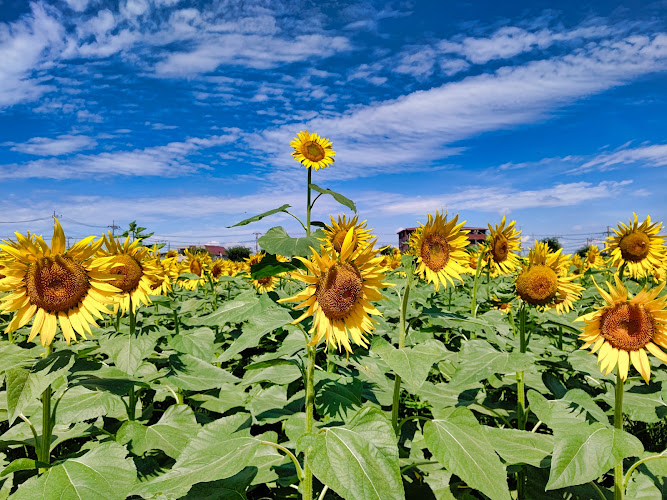
Musashimurayama Sunflower Garden
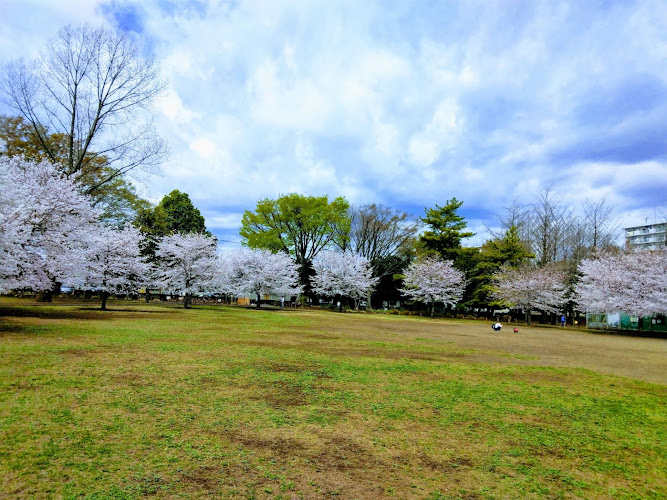
Ominami Park
Kabuto Bridge
Find Accommodations Nearby
Recommended Tours & Activities
Visitor Reviews
There are no reviews yet. Be the first one to write one.
Share Your Experience
Have you visited Musashimurayama History & Folklore Museum? Help other travelers by leaving a review.