
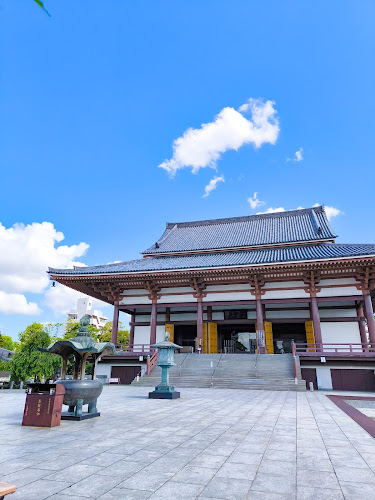
Nishiarai Daishi
About Nishiarai Daishi
Description
There’s something quietly powerful about walking through Nishiarai Daishi, a grand Buddhist temple complex tucked in the northeastern part of Tokyo. It’s not the kind of place that shouts for attention with neon lights or crowds of tourists waving selfie sticks. Instead, it draws you in with a steady, grounded energy—the kind that makes you slow down, breathe, and just... be. Founded in the 9th century by the revered monk Kukai, also known as Kobo Daishi, this temple has stood as a spiritual anchor for over a millennium. It’s one of the three great temples of the Kanto region, alongside Kawasaki Daishi and Sano Yakuyoke Daishi, known for warding off misfortune and bringing good luck.
When you step into the temple grounds, you immediately feel the shift. The air smells faintly of incense, and the rhythmic sound of wooden prayer sticks clacking together mixes with the soft rustle of leaves. The temple’s architecture, though reconstructed over time, carries an old-world dignity—massive wooden gates, pagoda-style roofs, and intricately carved details that tell stories of devotion and resilience. I remember my first visit here; I was expecting a quick stop, but I ended up spending half a day wandering the gardens, watching koi glide through the ponds, and losing track of time beneath a wisteria canopy that looked like it had been painted by nature itself.
The temple is more than just a religious site—it’s a living part of Tokyo’s cultural fabric. Locals come here to pray for protection against misfortune, especially during the New Year season when the place bursts into life with food stalls, fortune-telling booths, and the hum of conversation. But even outside of festivals, there’s always something quietly happening: a monk chanting sutras, a gardener trimming peonies, or an elderly couple feeding pigeons near the pond. It’s these small, human moments that give Nishiarai Daishi its soul.
Key Features
- Historic Significance: Established in the 9th century by Kukai, the founder of Shingon Buddhism, it’s one of the oldest and most respected temples in Tokyo’s Adachi district.
- Spiritual Purpose: Known as a powerful site for warding off evil and misfortune—many visitors come to perform yakuyoke (exorcism of bad luck).
- Seasonal Beauty: The temple gardens bloom spectacularly throughout the year—plum blossoms in February, peonies in April, and a breathtaking wisteria in late spring that drapes over the grounds like a lilac waterfall.
- Architectural Details: A mix of traditional Shingon Buddhist design with ornate gates, pagodas, and stone statues that date back centuries.
- Festivals and Events: The New Year celebrations here are legendary, drawing thousands of visitors for blessings, food stalls, and traditional performances. The Hanamatsuri (Flower Festival) in April and May is another highlight.
- Accessibility: The temple grounds are wheelchair accessible, with restrooms and on-site parking available—making it comfortable for all visitors.
- Peaceful Gardens: The ponds and landscaped paths create a tranquil space for reflection and photography, especially during early mornings when the crowds haven’t yet arrived.
Best Time to Visit
If you can, plan your visit around the changing seasons—it’s the kind of place that transforms with the weather. In February, the plum blossoms start to bloom, adding soft pink hues to the temple’s serene atmosphere. By April, the peony garden explodes in color, and it’s honestly one of the most underrated floral displays in Tokyo. Then, come late April to early May, the wisteria takes over—long, fragrant clusters of purple flowers hang like chandeliers, creating a dreamy tunnel of color. I’ve been there during that time, and it’s hard not to feel a little awe-struck.
That said, if crowds aren’t your thing, weekdays in autumn are perfect. The air is crisp, the maple leaves turn fiery red, and you can stroll around in relative quiet. Early mornings and late afternoons are especially peaceful, with soft light filtering through the trees and the faint sound of temple bells echoing in the distance. And if you’re into cultural experiences, visiting during New Year’s is unforgettable—yes, it’s busy, but the energy is contagious. You’ll see families dressed in traditional kimono, people buying lucky charms, and monks performing blessings—it’s a slice of Japanese spirituality at its most alive.
How to Get There
Getting to Nishiarai Daishi is surprisingly easy, even if you’re not fluent in Japanese (and trust me, I’ve been lost enough times in Tokyo to appreciate that). The temple is located in Adachi City, in the northeastern part of Tokyo. The most straightforward route is to take the Tobu Skytree Line or Tobu Daishi Line and get off at Daishimae Station. From there, it’s just a short walk—maybe five minutes tops—along a street lined with small shops selling sweets, incense, and lucky charms.
If you’re coming from central Tokyo, the whole trip usually takes about 30 to 40 minutes depending on where you start. And honestly, the journey itself is part of the fun. You’ll pass through residential neighborhoods that show a quieter, more local side of Tokyo—kids riding bikes, shop owners sweeping their storefronts, and the occasional cat lounging in the sun. It’s a nice change of pace from the city’s busier districts.
For those driving, there’s on-site parking available, though it can fill up quickly during weekends and festivals. Public transport is usually the better bet, especially if you plan to explore other parts of Adachi afterward.
Tips for Visiting
Here’s the thing about Nishiarai Daishi—it’s not just about seeing the temple; it’s about feeling it. To really make the most of your visit, take your time. Don’t rush from one building to the next. Instead, wander, observe, and let the place reveal itself to you. I like to start by washing my hands at the purification fountain near the entrance—it’s a small ritual, but it helps set the tone. Then I walk slowly through the main gate, stopping to admire the statues and carvings before heading to the main hall to offer incense.
Here are a few practical tips that can make your visit smoother and more meaningful:
- Arrive early: The temple opens around sunrise, and mornings are wonderfully calm. You’ll have the gardens almost to yourself, and the light is perfect for photos.
- Bring cash: Small shops and stalls nearby often don’t take cards, especially the ones selling charms and snacks.
- Try the local treats: The street leading to the temple has vendors selling traditional sweets like senbei (rice crackers) and taiyaki (fish-shaped cakes filled with red bean paste). They’re simple, but delicious.
- Respect the rituals: If you see people bowing, clapping, or ringing bells, it’s part of their prayer practice. You can quietly observe or join in if you wish—just follow the locals’ lead.
- Visit the gardens: Don’t skip the back areas. The ponds, bridges, and flower beds are some of the most photogenic spots on the grounds.
- Check the event calendar: The temple hosts seasonal festivals, including the Flower Festival (Hanamatsuri) in spring. It’s a great chance to see traditional performances and local crafts.
- Be mindful of crowds: Weekends and holidays can get busy, so if you prefer a quieter experience, aim for weekday mornings.
And one last thing—don’t just look through your camera lens. I know, it’s tempting to capture every corner, but sometimes the best memory is the one you make by simply standing still, listening to the wind through the trees, and letting the centuries of history wash over you. Nishiarai Daishi isn’t flashy or overly polished, but that’s exactly what makes it special. It’s a place that feels lived in, loved, and sacred in the truest sense. Whether you’re seeking peace, luck, or just a break from Tokyo’s fast pace, this temple offers a quiet kind of magic that stays with you long after you’ve left.
Key Features
- Key Features
- Best Time to Visit
- How to Get There
- Tips for Visiting
More Details
Updated November 7, 2025
Table of Contents There’s something quietly powerful about walking through Nishiarai Daishi, a grand Buddhist temple complex tucked in the northeastern part of Tokyo. It’s not the kind of place that shouts for attention with neon lights or crowds of tourists waving selfie sticks. Instead, it draws you in with a steady, grounded energy—the kind that makes you slow down, breathe, and just… be. Founded in the 9th century by the revered monk Kukai, also known as Kobo Daishi, this temple has stood as a spiritual anchor for over a millennium. It’s one of the three great temples of the Kanto region, alongside Kawasaki Daishi and Sano Yakuyoke Daishi, known for warding off misfortune and bringing good luck. When you step into the temple grounds, you immediately feel the shift. The air smells faintly of incense, and the rhythmic sound of wooden prayer sticks clacking together mixes with the soft rustle of leaves. The temple’s architecture, though reconstructed over time, carries an old-world dignity—massive wooden gates, pagoda-style roofs, and intricately carved details that tell stories of devotion and resilience. I remember my first visit here; I was expecting a quick stop, but I ended up spending half a day wandering the gardens, watching koi glide through the ponds, and losing track of time beneath a wisteria canopy that looked like it had been painted by nature itself. The temple is more than just a religious site—it’s a living part of Tokyo’s cultural fabric. Locals come here to pray for protection against misfortune, especially during the New Year season when the place bursts into life with food stalls, fortune-telling booths, and the hum of conversation. But even outside of festivals, there’s always something quietly happening: a monk chanting sutras, a gardener trimming peonies, or an elderly couple feeding pigeons near the pond. It’s these small, human moments that give Nishiarai Daishi its soul. If you can, plan your visit around the changing seasons—it’s the kind of place that transforms with the weather. In February, the plum blossoms start to bloom, adding soft pink hues to the temple’s serene atmosphere. By April, the peony garden explodes in color, and it’s honestly one of the most underrated floral displays in Tokyo. Then, come late April to early May, the wisteria takes over—long, fragrant clusters of purple flowers hang like chandeliers, creating a dreamy tunnel of color. I’ve been there during that time, and it’s hard not to feel a little awe-struck. That said, if crowds aren’t your thing, weekdays in autumn are perfect. The air is crisp, the maple leaves turn fiery red, and you can stroll around in relative quiet. Early mornings and late afternoons are especially peaceful, with soft light filtering through the trees and the faint sound of temple bells echoing in the distance. And if you’re into cultural experiences, visiting during New Year’s is unforgettable—yes, it’s busy, but the energy is contagious. You’ll see families dressed in traditional kimono, people buying lucky charms, and monks performing blessings—it’s a slice of Japanese spirituality at its most alive. Getting to Nishiarai Daishi is surprisingly easy, even if you’re not fluent in Japanese (and trust me, I’ve been lost enough times in Tokyo to appreciate that). The temple is located in Adachi City, in the northeastern part of Tokyo. The most straightforward route is to take the Tobu Skytree Line or Tobu Daishi Line and get off at Daishimae Station. From there, it’s just a short walk—maybe five minutes tops—along a street lined with small shops selling sweets, incense, and lucky charms. If you’re coming from central Tokyo, the whole trip usually takes about 30 to 40 minutes depending on where you start. And honestly, the journey itself is part of the fun. You’ll pass through residential neighborhoods that show a quieter, more local side of Tokyo—kids riding bikes, shop owners sweeping their storefronts, and the occasional cat lounging in the sun. It’s a nice change of pace from the city’s busier districts. For those driving, there’s on-site parking available, though it can fill up quickly during weekends and festivals. Public transport is usually the better bet, especially if you plan to explore other parts of Adachi afterward. Here’s the thing about Nishiarai Daishi—it’s not just about seeing the temple; it’s about feeling it. To really make the most of your visit, take your time. Don’t rush from one building to the next. Instead, wander, observe, and let the place reveal itself to you. I like to start by washing my hands at the purification fountain near the entrance—it’s a small ritual, but it helps set the tone. Then I walk slowly through the main gate, stopping to admire the statues and carvings before heading to the main hall to offer incense. Here are a few practical tips that can make your visit smoother and more meaningful: And one last thing—don’t just look through your camera lens. I know, it’s tempting to capture every corner, but sometimes the best memory is the one you make by simply standing still, listening to the wind through the trees, and letting the centuries of history wash over you. Nishiarai Daishi isn’t flashy or overly polished, but that’s exactly what makes it special. It’s a place that feels lived in, loved, and sacred in the truest sense. Whether you’re seeking peace, luck, or just a break from Tokyo’s fast pace, this temple offers a quiet kind of magic that stays with you long after you’ve left. Description
Key Features
Best Time to Visit
How to Get There
Tips for Visiting
Key Highlights
- Key Features
- Best Time to Visit
- How to Get There
- Tips for Visiting
Location
Places to Stay Near Nishiarai Daishi
Find and Book a Tour
Explore More Travel Guides
No reviews found! Be the first to review!
Traveler Reviews for Nishiarai Daishi
There are no reviews yet. Be the first one to write one.
Have you visited Nishiarai Daishi? Help other travelers by sharing your review.
You Might Also Like
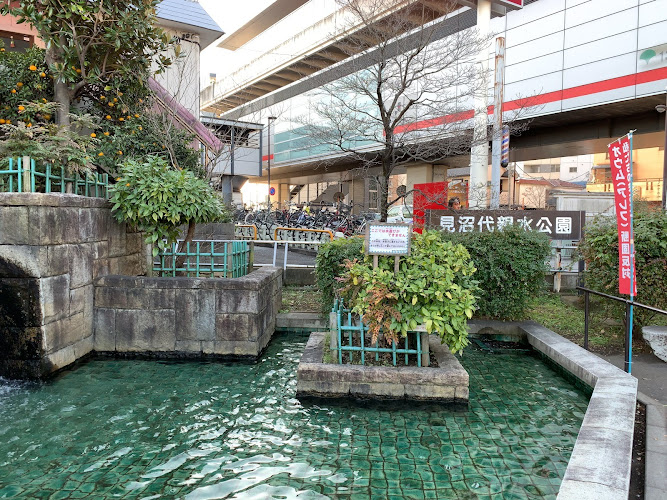
Minumadai Water Park
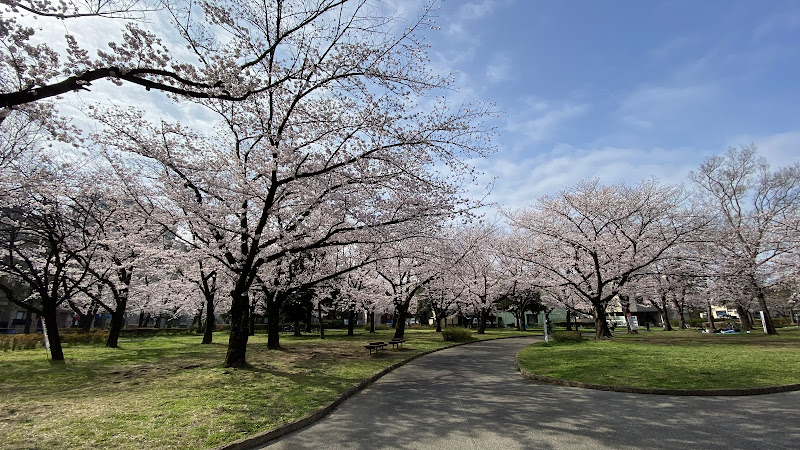
Higashi-Ayase Park
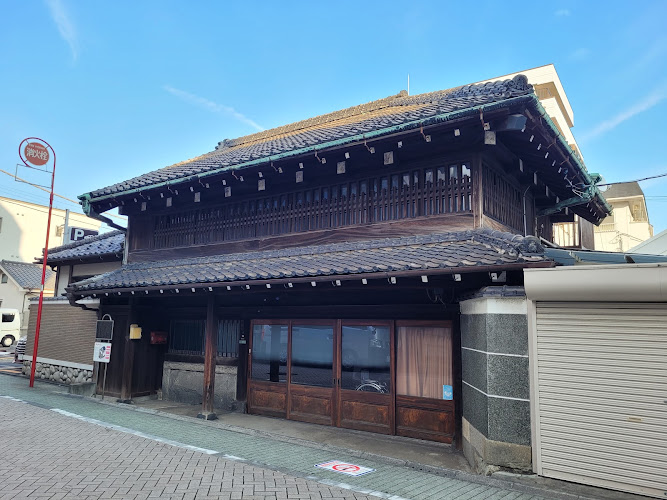
Yokoyama Family House
Find Accommodations Nearby
Recommended Tours & Activities
Visitor Reviews
There are no reviews yet. Be the first one to write one.
Share Your Experience
Have you visited Nishiarai Daishi? Help other travelers by leaving a review.