
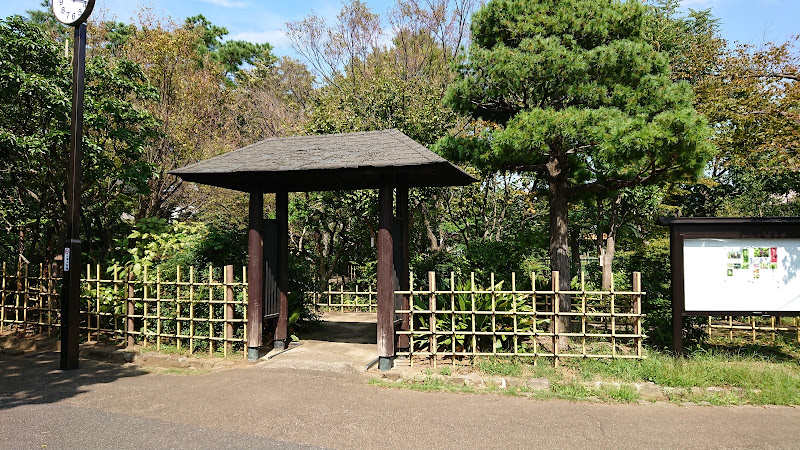
Yanagihara Chigusa Garden
About Yanagihara Chigusa Garden
Description
Yanagihara Chigusa Garden in Adachi City is one of those quiet Tokyo corners that people often stumble upon by chance and then can’t stop talking about afterward. It’s not the kind of place that screams for attention — no flashy signs or crowds of tourists — but that’s exactly what makes it special. The garden feels like a small pocket of calm tucked away from the city’s usual rush, where locals come for a breath of fresh air, families gather, and even solo wanderers find a bit of peace. I remember walking through it one early morning, coffee in hand, watching a few kids chase each other near the playground while an older couple tended to the flower beds. It felt like a slice of everyday Tokyo life, unfiltered and genuine.
The layout of the garden is simple yet thoughtful. You can tell it was designed for people to actually use, not just admire from a distance. There are walking paths that curve gently through patches of seasonal flowers, benches shaded by tall trees, and open spaces where dogs happily trot alongside their owners. It’s not a massive park, but it has that cozy, lived-in feeling — like it’s part of the neighborhood’s rhythm. The garden’s name, “Chigusa,” which loosely translates to “a thousand plants,” fits perfectly because each season brings a new face to the place. Spring bursts with blossoms, summer hums with green energy, autumn glows with warm colors, and winter — well, it’s quiet but still kind of poetic.
What struck me most was how inclusive the space feels. The entrance is wheelchair accessible, and families with strollers seem to move around comfortably. Sure, the parking situation could be better, but it’s Tokyo — finding parking anywhere is a small adventure. The garden’s accessibility and kid-friendly atmosphere make it a go-to spot for local families, especially on weekends. You’ll see toddlers on the swings, kids sliding down with shrieks of laughter, and parents chatting nearby. And yes, dogs are welcome too, which just adds to the friendly vibe. There’s something heartwarming about seeing a community space that actually feels like it belongs to everyone.
Key Features
- Wheelchair accessible entrance for easy access to all visitors
- Playground area with slides and swings for children
- Public restrooms available within the park grounds
- Dog-friendly environment — pets are welcome on leashes
- Peaceful walking paths surrounded by seasonal flowers and greenery
- Quiet seating areas ideal for reading, sketching, or simply relaxing
- Community-oriented atmosphere, often visited by local families and seniors
One of the underrated features here is how the garden manages to balance nature and play. It’s not just a park for kids or a garden for plant lovers — it’s both. And that’s rare in Tokyo, where space is always at a premium. You’ll find parents pushing swings while taking photos of blooming hydrangeas, or someone quietly sketching under a tree while a dog naps nearby. It’s those small overlaps that make the garden feel alive.
Best Time to Visit
Honestly, Yanagihara Chigusa Garden has something to offer year-round, but if you’re after that picture-perfect moment, spring and autumn are unbeatable. In spring, the air smells faintly sweet from the blossoms, and the whole place feels washed in soft colors. I once visited in late April, and the cherry trees were just shedding their petals — it looked like pink snow falling. In autumn, the tones shift to gold and crimson, and the light in the late afternoon gives everything a warm, nostalgic glow. Summer can be a bit humid, but the shade from the trees helps, and if you bring a cold drink, it’s actually quite refreshing. Winter is quieter — fewer people, bare branches — but there’s a certain stillness that makes it perfect for reflection or photography.
If you’re planning your visit, mornings are the best. The air is crisp, and the garden feels almost private before the families start arriving. Late afternoons are also lovely, especially if you enjoy watching the sky change colors behind the trees. Avoid midday on weekends if you prefer tranquility — that’s when the playground gets lively.
How to Get There
Reaching Yanagihara Chigusa Garden is fairly straightforward if you’re already exploring northern Tokyo. Most travelers take the train to a nearby station and then enjoy a short walk through the residential streets. The stroll itself is quite pleasant — you’ll pass by small local shops, vending machines humming quietly, and the occasional cat lounging on a wall. If you’re using public transport, it’s easy to navigate with a Suica or Pasmo card, though note that the garden doesn’t accept electronic payments for anything on-site. There’s no major signage pointing you there, so keeping a map app handy helps. And if you’re cycling, even better — the surrounding streets are calm and safe for bikes.
For those driving, parking is limited, so it’s best to plan ahead or park a little farther away and walk. Honestly, walking there adds to the experience. You get to see a slice of daily Tokyo life — school kids in uniform, neighbors chatting, the smell of someone’s lunch wafting from a nearby home. It’s these small details that make the trip feel more personal and memorable.
Tips for Visiting
Here’s what I’ve learned from a few visits and from chatting with locals who frequent the garden. First, bring your own snacks or drinks if you plan to stay a while. There aren’t many vending machines inside, and while there are convenience stores nearby, it’s nicer to settle in without having to leave for refreshments. A picnic mat is a great idea too — there are plenty of grassy patches perfect for sitting down and people-watching.
If you’re visiting with kids, the playground is safe and well-maintained, but keep an eye out during peak hours since it can get busy. For pet owners, remember to bring waste bags and keep dogs on a leash. Locals are friendly, but they appreciate visitors who respect the space. And if you’re into photography, bring a good lens — the light filtering through the trees in the late afternoon is simply magical. I’ve taken some of my favorite Tokyo photos there, completely by accident, just because the lighting was too good to ignore.
One more thing — take your time. It’s easy to rush through, but the charm of Yanagihara Chigusa Garden lies in its details: the way the leaves rustle, the distant laughter of children, the occasional cat wandering by. Sit on a bench, listen to the sounds around you, and let the garden reveal itself slowly. That’s when you really feel the heart of the place.
For travelers looking for a break from Tokyo’s high-energy pace, this garden offers a glimpse into a quieter, more grounded side of the city. It’s not a must-see in the guidebooks, but maybe that’s the point. It’s a space that rewards those who take the time to notice — the kind of spot that stays with you long after you’ve left, like a small, peaceful memory tucked in your travel story.
Key Features
- Wheelchair accessible entrance for easy access to all visitors
- Playground area with slides and swings for children
- Public restrooms available within the park grounds
- Dog-friendly environment — pets are welcome on leashes
- Peaceful walking paths surrounded by seasonal flowers and greenery
- Quiet seating areas ideal for reading, sketching, or simply relaxing
- Community-oriented atmosphere, often visited by local families and seniors
More Details
Updated November 7, 2025
Table of Contents
Description
Yanagihara Chigusa Garden in Adachi City is one of those quiet Tokyo corners that people often stumble upon by chance and then can’t stop talking about afterward. It’s not the kind of place that screams for attention — no flashy signs or crowds of tourists — but that’s exactly what makes it special. The garden feels like a small pocket of calm tucked away from the city’s usual rush, where locals come for a breath of fresh air, families gather, and even solo wanderers find a bit of peace. I remember walking through it one early morning, coffee in hand, watching a few kids chase each other near the playground while an older couple tended to the flower beds. It felt like a slice of everyday Tokyo life, unfiltered and genuine.
The layout of the garden is simple yet thoughtful. You can tell it was designed for people to actually use, not just admire from a distance. There are walking paths that curve gently through patches of seasonal flowers, benches shaded by tall trees, and open spaces where dogs happily trot alongside their owners. It’s not a massive park, but it has that cozy, lived-in feeling — like it’s part of the neighborhood’s rhythm. The garden’s name, “Chigusa,” which loosely translates to “a thousand plants,” fits perfectly because each season brings a new face to the place. Spring bursts with blossoms, summer hums with green energy, autumn glows with warm colors, and winter — well, it’s quiet but still kind of poetic.
What struck me most was how inclusive the space feels. The entrance is wheelchair accessible, and families with strollers seem to move around comfortably. Sure, the parking situation could be better, but it’s Tokyo — finding parking anywhere is a small adventure. The garden’s accessibility and kid-friendly atmosphere make it a go-to spot for local families, especially on weekends. You’ll see toddlers on the swings, kids sliding down with shrieks of laughter, and parents chatting nearby. And yes, dogs are welcome too, which just adds to the friendly vibe. There’s something heartwarming about seeing a community space that actually feels like it belongs to everyone.
Key Features
- Wheelchair accessible entrance for easy access to all visitors
- Playground area with slides and swings for children
- Public restrooms available within the park grounds
- Dog-friendly environment — pets are welcome on leashes
- Peaceful walking paths surrounded by seasonal flowers and greenery
- Quiet seating areas ideal for reading, sketching, or simply relaxing
- Community-oriented atmosphere, often visited by local families and seniors
One of the underrated features here is how the garden manages to balance nature and play. It’s not just a park for kids or a garden for plant lovers — it’s both. And that’s rare in Tokyo, where space is always at a premium. You’ll find parents pushing swings while taking photos of blooming hydrangeas, or someone quietly sketching under a tree while a dog naps nearby. It’s those small overlaps that make the garden feel alive.
Best Time to Visit
Honestly, Yanagihara Chigusa Garden has something to offer year-round, but if you’re after that picture-perfect moment, spring and autumn are unbeatable. In spring, the air smells faintly sweet from the blossoms, and the whole place feels washed in soft colors. I once visited in late April, and the cherry trees were just shedding their petals — it looked like pink snow falling. In autumn, the tones shift to gold and crimson, and the light in the late afternoon gives everything a warm, nostalgic glow. Summer can be a bit humid, but the shade from the trees helps, and if you bring a cold drink, it’s actually quite refreshing. Winter is quieter — fewer people, bare branches — but there’s a certain stillness that makes it perfect for reflection or photography.
If you’re planning your visit, mornings are the best. The air is crisp, and the garden feels almost private before the families start arriving. Late afternoons are also lovely, especially if you enjoy watching the sky change colors behind the trees. Avoid midday on weekends if you prefer tranquility — that’s when the playground gets lively.
How to Get There
Reaching Yanagihara Chigusa Garden is fairly straightforward if you’re already exploring northern Tokyo. Most travelers take the train to a nearby station and then enjoy a short walk through the residential streets. The stroll itself is quite pleasant — you’ll pass by small local shops, vending machines humming quietly, and the occasional cat lounging on a wall. If you’re using public transport, it’s easy to navigate with a Suica or Pasmo card, though note that the garden doesn’t accept electronic payments for anything on-site. There’s no major signage pointing you there, so keeping a map app handy helps. And if you’re cycling, even better — the surrounding streets are calm and safe for bikes.
For those driving, parking is limited, so it’s best to plan ahead or park a little farther away and walk. Honestly, walking there adds to the experience. You get to see a slice of daily Tokyo life — school kids in uniform, neighbors chatting, the smell of someone’s lunch wafting from a nearby home. It’s these small details that make the trip feel more personal and memorable.
Tips for Visiting
Here’s what I’ve learned from a few visits and from chatting with locals who frequent the garden. First, bring your own snacks or drinks if you plan to stay a while. There aren’t many vending machines inside, and while there are convenience stores nearby, it’s nicer to settle in without having to leave for refreshments. A picnic mat is a great idea too — there are plenty of grassy patches perfect for sitting down and people-watching.
If you’re visiting with kids, the playground is safe and well-maintained, but keep an eye out during peak hours since it can get busy. For pet owners, remember to bring waste bags and keep dogs on a leash. Locals are friendly, but they appreciate visitors who respect the space. And if you’re into photography, bring a good lens — the light filtering through the trees in the late afternoon is simply magical. I’ve taken some of my favorite Tokyo photos there, completely by accident, just because the lighting was too good to ignore.
One more thing — take your time. It’s easy to rush through, but the charm of Yanagihara Chigusa Garden lies in its details: the way the leaves rustle, the distant laughter of children, the occasional cat wandering by. Sit on a bench, listen to the sounds around you, and let the garden reveal itself slowly. That’s when you really feel the heart of the place.
For travelers looking for a break from Tokyo’s high-energy pace, this garden offers a glimpse into a quieter, more grounded side of the city. It’s not a must-see in the guidebooks, but maybe that’s the point. It’s a space that rewards those who take the time to notice — the kind of spot that stays with you long after you’ve left, like a small, peaceful memory tucked in your travel story.
Key Highlights
- Wheelchair accessible entrance for easy access to all visitors
- Playground area with slides and swings for children
- Public restrooms available within the park grounds
- Dog-friendly environment — pets are welcome on leashes
- Peaceful walking paths surrounded by seasonal flowers and greenery
- Quiet seating areas ideal for reading, sketching, or simply relaxing
- Community-oriented atmosphere, often visited by local families and seniors
Location
Places to Stay Near Yanagihara Chigusa Garden
Find and Book a Tour
Explore More Travel Guides
No reviews found! Be the first to review!
Traveler Reviews for Yanagihara Chigusa Garden
There are no reviews yet. Be the first one to write one.
Have you visited Yanagihara Chigusa Garden? Help other travelers by sharing your review.
You Might Also Like
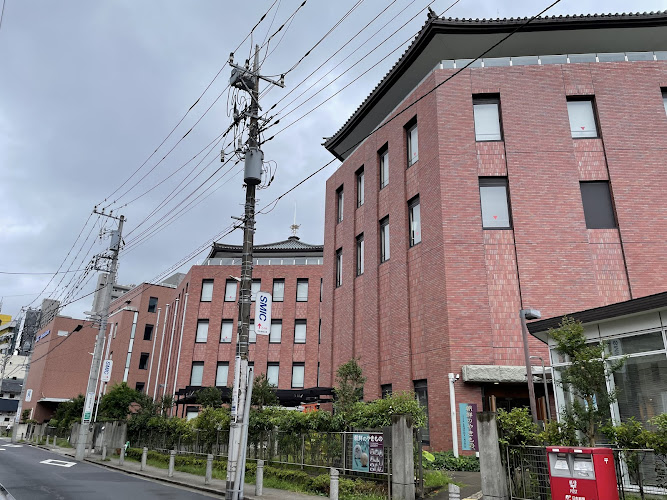
Sekido Museum of Art
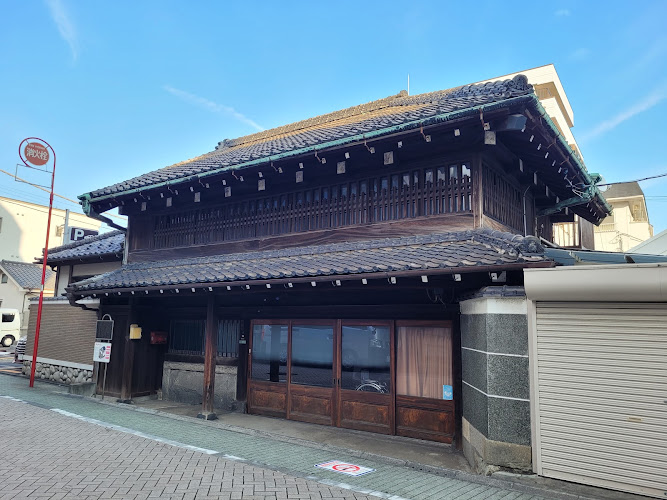
Yokoyama Family House
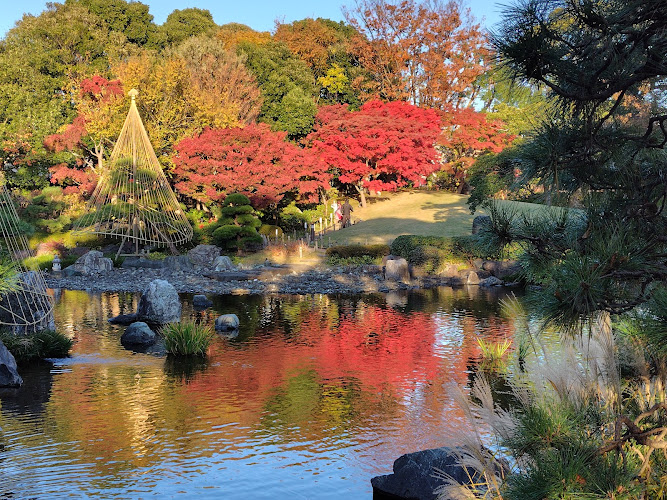
Oukatei
Find Accommodations Nearby
Recommended Tours & Activities
Visitor Reviews
There are no reviews yet. Be the first one to write one.
Share Your Experience
Have you visited Yanagihara Chigusa Garden? Help other travelers by leaving a review.