
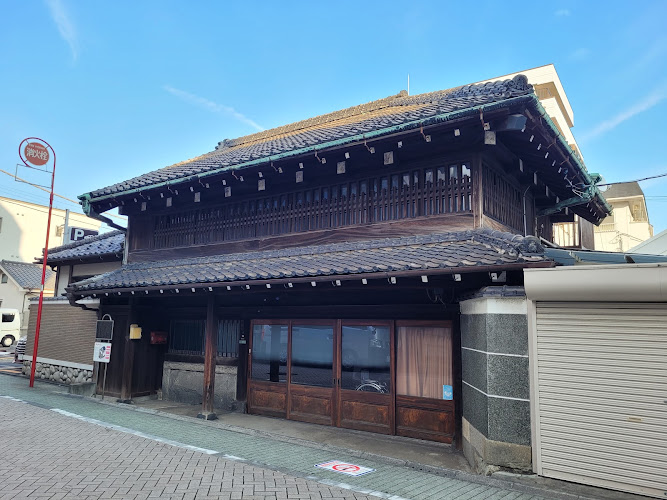
Yokoyama Family House
About Yokoyama Family House
Description
The Yokoyama Family House is one of those quiet gems that doesn’t try too hard to impress you, yet somehow leaves a lasting impression. Tucked away in the Senju area of Tokyo, this beautifully preserved historical landmark offers a rare peek into what life looked like during Japan’s Edo period. It’s not one of those flashy, overly polished attractions that feel more like a museum gift shop than history itself—this place feels lived in, real, and deeply human. When stepping inside, you can almost hear the faint creak of the wooden floors and imagine the quiet hum of daily life centuries ago.
Built by the Yokoyama family, who were prominent local merchants, the house once served as both a residence and a business hub. You can sense the practical yet refined lifestyle of the time through its architecture—simple, elegant, and functional. The structure stands as a reminder of Japan’s shukuba culture, those old post towns that supported travelers moving between Edo (now Tokyo) and other regions. It’s fascinating to think that this house once stood along a busy route filled with merchants, samurai, and weary travelers stopping for rest.
What makes the Yokoyama Family House truly special is that it hasn’t been overly modernized. The wooden beams, paper sliding doors, and tatami mats are all original or carefully restored, preserving that earthy, nostalgic scent of old wood and rice straw. It’s the kind of place where time feels slower, where you can take a breath and just appreciate the craftsmanship that went into every joint and beam. I remember visiting on a slightly overcast afternoon, and the soft light filtering through the shoji screens gave the rooms a warm, golden hue. It felt like stepping into a painting—quiet, contemplative, and deeply rooted in the past.
While it’s not a large site, it’s one that rewards those who take their time. Some visitors might find it modest compared to grander historical attractions in Tokyo, but that’s part of its charm. It’s a reminder that history doesn’t always shout—it often whispers. And if you listen closely, you’ll catch stories of family life, trade, and community that shaped the local culture in ways still felt today.
Key Features
- Authentic Edo-era architecture: The house retains its original wooden framework, tatami flooring, and traditional sliding doors, giving visitors a genuine sense of historical Japan.
- Historical significance: Once home to a merchant family, the building reflects the lifestyle and social structure of the shukuba towns that supported Edo’s thriving economy.
- Traditional garden: A small but beautifully maintained garden sits quietly behind the house, designed for reflection and harmony with nature.
- Exhibit displays: Inside, artifacts and household items from the Edo period are displayed, from cooking utensils to merchant tools, each telling its own story.
- Atmospheric experience: The creaking floors, the scent of aged wood, and the filtered daylight all contribute to a sensory experience that feels authentic and grounding.
- Guided insights: Local guides occasionally offer tours that provide deeper context about the Yokoyama family and the area’s historical significance.
It’s not a flashy place, but it’s one of those spots where you find beauty in the details—the joinery of the beams, the way the light hits the tatami, the subtle asymmetry that defines Japanese aesthetics. I’ve always been drawn to places like this because they remind me that history isn’t just about grand events; it’s also about ordinary people living their everyday lives with quiet dignity.
Best Time to Visit
Tokyo’s seasons each bring a different mood to the Yokoyama Family House, and honestly, you can’t go wrong no matter when you visit. But if I had to pick, I’d say spring and autumn are the most rewarding times. In spring, the air feels fresh, and the small garden begins to bloom—plum and cherry blossoms lend a soft pink hue that perfectly complements the dark wooden exterior. There’s something poetic about sitting by the engawa (veranda) and watching petals float to the ground like slow snowflakes.
Autumn, though, might be my personal favorite. The golden leaves and gentle chill in the air make the house feel even cozier. You can almost picture the Yokoyama family gathering around a small hearth, preparing tea as the sun sets earlier each day. Summer can be quite humid in Tokyo, and winter, while peaceful, can get a bit cold inside since traditional houses like this weren’t built for insulation. Still, if you’re someone who enjoys quiet solitude, winter mornings here are magical—mist hanging low, the neighborhood still waking up, and the faint smell of wood in the air.
For photography lovers, early morning or late afternoon light works wonders. The shadows stretch long across the tatami mats, and the soft glow brings out the textures in the wooden beams. It’s a photographer’s dream, really—subtle, moody, and rich in atmosphere.
How to Get There
Getting to the Yokoyama Family House is relatively straightforward, especially if you’re already exploring Tokyo’s northern neighborhoods. The area is well connected by public transport, and that’s probably the easiest way to reach it. From central Tokyo, you can take a train toward Adachi City and hop off at one of the nearby stations. From there, it’s just a short walk through quiet residential streets where you’ll see a mix of old and new Tokyo—modern apartments standing side by side with traditional wooden homes.
If you’re anything like me, you’ll enjoy that short walk. It’s a glimpse into everyday life in Tokyo, far from the neon lights and crowds of Shibuya or Shinjuku. You might pass a small local bakery or a neighborhood shrine, each adding to the sense of discovery. For those who prefer taxis, that’s an option too, though it’s worth noting that parking nearby can be tricky. The house itself isn’t wheelchair accessible, which is something to keep in mind if you’re planning your visit with mobility needs. There’s no dedicated accessible parking either, so public transport remains the most convenient choice for most travelers.
And if you’re the kind of traveler who loves to explore beyond the main tourist routes, consider pairing your visit with a walk along the old Nikko Kaido route nearby. It’s one of those places where past and present overlap—you can almost trace the footsteps of travelers who once passed through this very area centuries ago.
Tips for Visiting
Visiting the Yokoyama Family House isn’t about rushing through exhibits or snapping a hundred photos. It’s about slowing down and letting the atmosphere sink in. Here are a few tips to make the most of your time there:
- Take your time: Don’t just walk through each room—pause, look closely at the details, and imagine the lives once lived here. The house rewards curiosity.
- Go during weekdays: It’s usually quieter, so you’ll have more space to explore without feeling rushed. Weekends can get slightly busier with local visitors.
- Respect the space: Remember, this is a preserved historical site. Avoid touching artifacts or leaning on fragile wooden frames.
- Bring socks: You’ll likely need to remove your shoes before entering, as is customary in traditional Japanese homes. Wearing comfortable socks makes the experience nicer.
- Ask questions: If there are staff or guides around, don’t hesitate to chat with them. They often have fascinating stories or lesser-known tidbits about the house and its surroundings.
- Combine with nearby attractions: After exploring the house, wander around the Senju area. It’s full of small eateries and local shops where you can grab a bite or a cup of tea.
One thing I’ve learned from visiting historical sites like this is that they’re best appreciated when you let yourself be present. Forget the itinerary for a bit. Just listen—to the creak of the floorboards, to the faint hum of the city outside, to your own thoughts. It’s rare to find a place in Tokyo that feels so untouched by time, and that’s what makes the Yokoyama Family House worth visiting. It’s not just about seeing history—it’s about feeling it.
So, if you’re planning your Tokyo itinerary and want a break from the usual hustle, carve out an hour or two for this quiet corner of the city. You might walk away not just with photos, but with a deeper appreciation for the everyday beauty of Japan’s past. And maybe, just maybe, a reminder that sometimes the simplest places leave the strongest impressions.
Key Features
- Key Features
- Best Time to Visit
- How to Get There
- Tips for Visiting
More Details
Updated November 7, 2025
Table of Contents
Description
The Yokoyama Family House is one of those quiet gems that doesn’t try too hard to impress you, yet somehow leaves a lasting impression. Tucked away in the Senju area of Tokyo, this beautifully preserved historical landmark offers a rare peek into what life looked like during Japan’s Edo period. It’s not one of those flashy, overly polished attractions that feel more like a museum gift shop than history itself—this place feels lived in, real, and deeply human. When stepping inside, you can almost hear the faint creak of the wooden floors and imagine the quiet hum of daily life centuries ago.
Built by the Yokoyama family, who were prominent local merchants, the house once served as both a residence and a business hub. You can sense the practical yet refined lifestyle of the time through its architecture—simple, elegant, and functional. The structure stands as a reminder of Japan’s shukuba culture, those old post towns that supported travelers moving between Edo (now Tokyo) and other regions. It’s fascinating to think that this house once stood along a busy route filled with merchants, samurai, and weary travelers stopping for rest.
What makes the Yokoyama Family House truly special is that it hasn’t been overly modernized. The wooden beams, paper sliding doors, and tatami mats are all original or carefully restored, preserving that earthy, nostalgic scent of old wood and rice straw. It’s the kind of place where time feels slower, where you can take a breath and just appreciate the craftsmanship that went into every joint and beam. I remember visiting on a slightly overcast afternoon, and the soft light filtering through the shoji screens gave the rooms a warm, golden hue. It felt like stepping into a painting—quiet, contemplative, and deeply rooted in the past.
While it’s not a large site, it’s one that rewards those who take their time. Some visitors might find it modest compared to grander historical attractions in Tokyo, but that’s part of its charm. It’s a reminder that history doesn’t always shout—it often whispers. And if you listen closely, you’ll catch stories of family life, trade, and community that shaped the local culture in ways still felt today.
Key Features
- Authentic Edo-era architecture: The house retains its original wooden framework, tatami flooring, and traditional sliding doors, giving visitors a genuine sense of historical Japan.
- Historical significance: Once home to a merchant family, the building reflects the lifestyle and social structure of the shukuba towns that supported Edo’s thriving economy.
- Traditional garden: A small but beautifully maintained garden sits quietly behind the house, designed for reflection and harmony with nature.
- Exhibit displays: Inside, artifacts and household items from the Edo period are displayed, from cooking utensils to merchant tools, each telling its own story.
- Atmospheric experience: The creaking floors, the scent of aged wood, and the filtered daylight all contribute to a sensory experience that feels authentic and grounding.
- Guided insights: Local guides occasionally offer tours that provide deeper context about the Yokoyama family and the area’s historical significance.
It’s not a flashy place, but it’s one of those spots where you find beauty in the details—the joinery of the beams, the way the light hits the tatami, the subtle asymmetry that defines Japanese aesthetics. I’ve always been drawn to places like this because they remind me that history isn’t just about grand events; it’s also about ordinary people living their everyday lives with quiet dignity.
Best Time to Visit
Tokyo’s seasons each bring a different mood to the Yokoyama Family House, and honestly, you can’t go wrong no matter when you visit. But if I had to pick, I’d say spring and autumn are the most rewarding times. In spring, the air feels fresh, and the small garden begins to bloom—plum and cherry blossoms lend a soft pink hue that perfectly complements the dark wooden exterior. There’s something poetic about sitting by the engawa (veranda) and watching petals float to the ground like slow snowflakes.
Autumn, though, might be my personal favorite. The golden leaves and gentle chill in the air make the house feel even cozier. You can almost picture the Yokoyama family gathering around a small hearth, preparing tea as the sun sets earlier each day. Summer can be quite humid in Tokyo, and winter, while peaceful, can get a bit cold inside since traditional houses like this weren’t built for insulation. Still, if you’re someone who enjoys quiet solitude, winter mornings here are magical—mist hanging low, the neighborhood still waking up, and the faint smell of wood in the air.
For photography lovers, early morning or late afternoon light works wonders. The shadows stretch long across the tatami mats, and the soft glow brings out the textures in the wooden beams. It’s a photographer’s dream, really—subtle, moody, and rich in atmosphere.
How to Get There
Getting to the Yokoyama Family House is relatively straightforward, especially if you’re already exploring Tokyo’s northern neighborhoods. The area is well connected by public transport, and that’s probably the easiest way to reach it. From central Tokyo, you can take a train toward Adachi City and hop off at one of the nearby stations. From there, it’s just a short walk through quiet residential streets where you’ll see a mix of old and new Tokyo—modern apartments standing side by side with traditional wooden homes.
If you’re anything like me, you’ll enjoy that short walk. It’s a glimpse into everyday life in Tokyo, far from the neon lights and crowds of Shibuya or Shinjuku. You might pass a small local bakery or a neighborhood shrine, each adding to the sense of discovery. For those who prefer taxis, that’s an option too, though it’s worth noting that parking nearby can be tricky. The house itself isn’t wheelchair accessible, which is something to keep in mind if you’re planning your visit with mobility needs. There’s no dedicated accessible parking either, so public transport remains the most convenient choice for most travelers.
And if you’re the kind of traveler who loves to explore beyond the main tourist routes, consider pairing your visit with a walk along the old Nikko Kaido route nearby. It’s one of those places where past and present overlap—you can almost trace the footsteps of travelers who once passed through this very area centuries ago.
Tips for Visiting
Visiting the Yokoyama Family House isn’t about rushing through exhibits or snapping a hundred photos. It’s about slowing down and letting the atmosphere sink in. Here are a few tips to make the most of your time there:
- Take your time: Don’t just walk through each room—pause, look closely at the details, and imagine the lives once lived here. The house rewards curiosity.
- Go during weekdays: It’s usually quieter, so you’ll have more space to explore without feeling rushed. Weekends can get slightly busier with local visitors.
- Respect the space: Remember, this is a preserved historical site. Avoid touching artifacts or leaning on fragile wooden frames.
- Bring socks: You’ll likely need to remove your shoes before entering, as is customary in traditional Japanese homes. Wearing comfortable socks makes the experience nicer.
- Ask questions: If there are staff or guides around, don’t hesitate to chat with them. They often have fascinating stories or lesser-known tidbits about the house and its surroundings.
- Combine with nearby attractions: After exploring the house, wander around the Senju area. It’s full of small eateries and local shops where you can grab a bite or a cup of tea.
One thing I’ve learned from visiting historical sites like this is that they’re best appreciated when you let yourself be present. Forget the itinerary for a bit. Just listen—to the creak of the floorboards, to the faint hum of the city outside, to your own thoughts. It’s rare to find a place in Tokyo that feels so untouched by time, and that’s what makes the Yokoyama Family House worth visiting. It’s not just about seeing history—it’s about feeling it.
So, if you’re planning your Tokyo itinerary and want a break from the usual hustle, carve out an hour or two for this quiet corner of the city. You might walk away not just with photos, but with a deeper appreciation for the everyday beauty of Japan’s past. And maybe, just maybe, a reminder that sometimes the simplest places leave the strongest impressions.
Key Highlights
- Key Features
- Best Time to Visit
- How to Get There
- Tips for Visiting
Location
Places to Stay Near Yokoyama Family House
Find and Book a Tour
Explore More Travel Guides
No reviews found! Be the first to review!
Traveler Reviews for Yokoyama Family House
There are no reviews yet. Be the first one to write one.
Have you visited Yokoyama Family House? Help other travelers by sharing your review.
You Might Also Like
Mibasyou
Yanagihara Chigusa Garden
MARIE
Find Accommodations Nearby
Recommended Tours & Activities
Visitor Reviews
There are no reviews yet. Be the first one to write one.
Share Your Experience
Have you visited Yokoyama Family House? Help other travelers by leaving a review.