
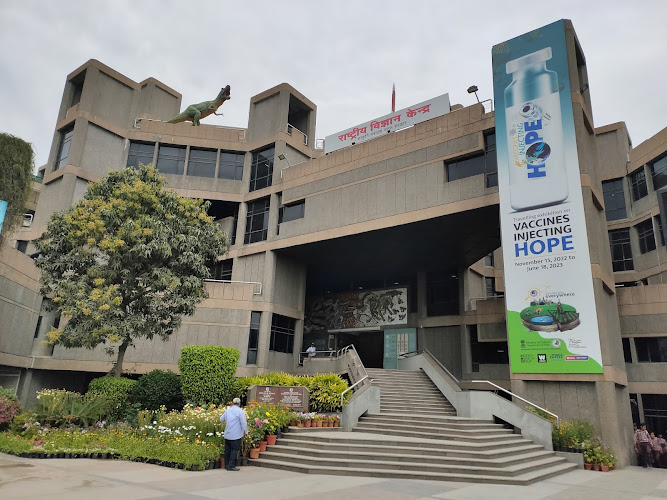
National Science Centre
About National Science Centre
Description
The National Science Centre in New Delhi is one of those places that somehow manages to make science feel like playtime. It’s not the kind of museum where you quietly shuffle from one glass case to another — no, this one’s alive with curious chatter, blinking lights, and the occasional “whoa!” from kids (and adults) discovering how things actually work. I still remember my first visit years ago — I pressed every button I could find, spun every wheel, and left with my head buzzing with questions I didn’t even know I had.
Spread across several floors, the museum offers a fascinating mix of interactive exhibits, life-size models, and hands-on experiments that make learning fun without feeling forced. It’s geared toward kids, sure, but honestly, any adult who’s ever wondered how a jet engine works or why magnets behave the way they do will find themselves equally engrossed. One of the most enjoyable aspects is how it turns abstract scientific concepts into tangible, visual experiences. Instead of reading about the laws of motion, you can see them in action — and maybe even break a sweat trying them out.
There’s a certain warmth to the place too. The staff often engage visitors with demonstrations and live performances, making science feel less like a subject and more like a story unfolding in front of your eyes. And yes, after a few hours of exploring, the cafeteria becomes your best friend — serving simple, satisfying meals that hit the spot without burning a hole in your wallet. It’s the kind of spot where families end up chatting over lunch about what they just learned, which is honestly pretty wholesome.
While it’s not perfect — some exhibits could use a refresh, and the entry queues can get a bit long on weekends — the overall experience is genuinely memorable. The museum’s accessibility is fairly good too, with wheelchair-friendly restrooms and parking, though the entrance itself could be more convenient for visitors with mobility challenges. Still, the sense of inclusivity and curiosity that fills the air makes it worth every minute spent inside.
Key Features
- Interactive exhibits covering physics, biology, space, and technology
- Live science shows and demonstrations that engage both kids and adults
- Dedicated sections for innovation, energy, and human biology
- Hands-on experiments that encourage curiosity and creativity
- Onsite cafeteria offering snacks and meals for visitors
- Wheelchair-accessible parking and restrooms
- Paid parking available near the entrance
- Accepts digital payments, including Google Pay
- Ideal for school trips, family outings, and curious travelers
Best Time to Visit
If you want to avoid crowds, weekdays are your best bet. Mornings tend to be quieter, giving you space to explore at your own pace. The museum is open year-round, but visiting during the cooler months — between October and March — makes the experience far more comfortable, especially if you plan to spend time exploring the nearby attractions. Summers in Delhi can be intense, and while the museum is air-conditioned, traveling around the city in that heat can be exhausting. I once made the mistake of visiting in June — let’s just say I spent more time near the water cooler than at the exhibits!
Another tip: if you’re traveling with kids, try to align your visit with one of the live science shows. They’re often scheduled around mid-morning and early afternoon, and they add a whole new layer of excitement to the visit. The weekends can get pretty packed, especially with school groups and families, so plan ahead if you prefer a quieter experience.
How to Get There
Reaching the National Science Centre is fairly straightforward, thanks to its central location. If you’re staying anywhere in central Delhi, it’s a short drive or cab ride away. The Delhi Metro is also a convenient option — just hop off at the nearest station to Pragati Maidan, and from there, it’s a quick walk or rickshaw ride. I personally prefer taking the metro; it’s efficient, affordable, and you get to avoid the city’s unpredictable traffic. For those driving, there’s paid parking available near the entrance, though it tends to fill up fast during weekends and holidays.
If you’re arriving from another part of the city, you might want to factor in some extra travel time — Delhi’s traffic can be a bit of a wild card. But honestly, that’s part of the adventure. You’ll pass by some of the city’s most iconic spots on your way, and if you’re lucky, you might even catch a glimpse of India Gate along the route.
Tips for Visiting
Here’s the thing — the National Science Centre can be overwhelming if you try to see everything in one go. There’s just so much to explore. So, pace yourself. Start from the lower floors and work your way up; that’s usually the most logical route. Bring a bottle of water, a light snack, and definitely your curiosity. And don’t be afraid to ask questions — the staff are usually more than happy to explain how things work.
If you’re visiting with kids, set aside at least three to four hours. They’ll want to touch, press, and test everything, and honestly, that’s the best way to experience the place. For adults traveling solo or in groups, I’d recommend keeping your phone handy — not just for photos, but because some exhibits use QR codes for extra information. It’s a neat little touch that makes the whole experience more interactive.
Also, wear comfortable shoes. You’ll be walking a lot, and trust me, you’ll thank yourself later. If you plan to grab lunch at the cafeteria, try to go a bit early — it gets crowded around noon. The food’s simple but surprisingly good; I still remember the masala dosa I had there, crisp and just the right amount of spicy. And if you’re into photography, the architecture of the building itself offers some interesting angles — especially the spiral staircase near the entrance.
Lastly, don’t rush. The National Science Centre isn’t just a museum; it’s a reminder of how endlessly fascinating the world is when you start asking “why” again. Whether you’re a traveler passing through Delhi or a local looking for a weekend plan, this place has a way of making you feel like a kid again — curious, amazed, and just a little bit wiser by the end of it.
Key Features
- Interactive exhibits covering physics, biology, space, and technology
- Live science shows and demonstrations that engage both kids and adults
- Dedicated sections for innovation, energy, and human biology
- Hands-on experiments that encourage curiosity and creativity
- Onsite cafeteria offering snacks and meals for visitors
- Wheelchair-accessible parking and restrooms
- Paid parking available near the entrance
- Accepts digital payments, including Google Pay
More Details
Updated October 8, 2025
Description
The National Science Centre in New Delhi is one of those places that somehow manages to make science feel like playtime. It’s not the kind of museum where you quietly shuffle from one glass case to another — no, this one’s alive with curious chatter, blinking lights, and the occasional “whoa!” from kids (and adults) discovering how things actually work. I still remember my first visit years ago — I pressed every button I could find, spun every wheel, and left with my head buzzing with questions I didn’t even know I had.
Spread across several floors, the museum offers a fascinating mix of interactive exhibits, life-size models, and hands-on experiments that make learning fun without feeling forced. It’s geared toward kids, sure, but honestly, any adult who’s ever wondered how a jet engine works or why magnets behave the way they do will find themselves equally engrossed. One of the most enjoyable aspects is how it turns abstract scientific concepts into tangible, visual experiences. Instead of reading about the laws of motion, you can see them in action — and maybe even break a sweat trying them out.
There’s a certain warmth to the place too. The staff often engage visitors with demonstrations and live performances, making science feel less like a subject and more like a story unfolding in front of your eyes. And yes, after a few hours of exploring, the cafeteria becomes your best friend — serving simple, satisfying meals that hit the spot without burning a hole in your wallet. It’s the kind of spot where families end up chatting over lunch about what they just learned, which is honestly pretty wholesome.
While it’s not perfect — some exhibits could use a refresh, and the entry queues can get a bit long on weekends — the overall experience is genuinely memorable. The museum’s accessibility is fairly good too, with wheelchair-friendly restrooms and parking, though the entrance itself could be more convenient for visitors with mobility challenges. Still, the sense of inclusivity and curiosity that fills the air makes it worth every minute spent inside.
Key Features
- Interactive exhibits covering physics, biology, space, and technology
- Live science shows and demonstrations that engage both kids and adults
- Dedicated sections for innovation, energy, and human biology
- Hands-on experiments that encourage curiosity and creativity
- Onsite cafeteria offering snacks and meals for visitors
- Wheelchair-accessible parking and restrooms
- Paid parking available near the entrance
- Accepts digital payments, including Google Pay
- Ideal for school trips, family outings, and curious travelers
Best Time to Visit
If you want to avoid crowds, weekdays are your best bet. Mornings tend to be quieter, giving you space to explore at your own pace. The museum is open year-round, but visiting during the cooler months — between October and March — makes the experience far more comfortable, especially if you plan to spend time exploring the nearby attractions. Summers in Delhi can be intense, and while the museum is air-conditioned, traveling around the city in that heat can be exhausting. I once made the mistake of visiting in June — let’s just say I spent more time near the water cooler than at the exhibits!
Another tip: if you’re traveling with kids, try to align your visit with one of the live science shows. They’re often scheduled around mid-morning and early afternoon, and they add a whole new layer of excitement to the visit. The weekends can get pretty packed, especially with school groups and families, so plan ahead if you prefer a quieter experience.
How to Get There
Reaching the National Science Centre is fairly straightforward, thanks to its central location. If you’re staying anywhere in central Delhi, it’s a short drive or cab ride away. The Delhi Metro is also a convenient option — just hop off at the nearest station to Pragati Maidan, and from there, it’s a quick walk or rickshaw ride. I personally prefer taking the metro; it’s efficient, affordable, and you get to avoid the city’s unpredictable traffic. For those driving, there’s paid parking available near the entrance, though it tends to fill up fast during weekends and holidays.
If you’re arriving from another part of the city, you might want to factor in some extra travel time — Delhi’s traffic can be a bit of a wild card. But honestly, that’s part of the adventure. You’ll pass by some of the city’s most iconic spots on your way, and if you’re lucky, you might even catch a glimpse of India Gate along the route.
Tips for Visiting
Here’s the thing — the National Science Centre can be overwhelming if you try to see everything in one go. There’s just so much to explore. So, pace yourself. Start from the lower floors and work your way up; that’s usually the most logical route. Bring a bottle of water, a light snack, and definitely your curiosity. And don’t be afraid to ask questions — the staff are usually more than happy to explain how things work.
If you’re visiting with kids, set aside at least three to four hours. They’ll want to touch, press, and test everything, and honestly, that’s the best way to experience the place. For adults traveling solo or in groups, I’d recommend keeping your phone handy — not just for photos, but because some exhibits use QR codes for extra information. It’s a neat little touch that makes the whole experience more interactive.
Also, wear comfortable shoes. You’ll be walking a lot, and trust me, you’ll thank yourself later. If you plan to grab lunch at the cafeteria, try to go a bit early — it gets crowded around noon. The food’s simple but surprisingly good; I still remember the masala dosa I had there, crisp and just the right amount of spicy. And if you’re into photography, the architecture of the building itself offers some interesting angles — especially the spiral staircase near the entrance.
Lastly, don’t rush. The National Science Centre isn’t just a museum; it’s a reminder of how endlessly fascinating the world is when you start asking “why” again. Whether you’re a traveler passing through Delhi or a local looking for a weekend plan, this place has a way of making you feel like a kid again — curious, amazed, and just a little bit wiser by the end of it.
Key Highlights
- Interactive exhibits covering physics, biology, space, and technology
- Live science shows and demonstrations that engage both kids and adults
- Dedicated sections for innovation, energy, and human biology
- Hands-on experiments that encourage curiosity and creativity
- Onsite cafeteria offering snacks and meals for visitors
- Wheelchair-accessible parking and restrooms
- Paid parking available near the entrance
- Accepts digital payments, including Google Pay
Location
Places to Stay Near National Science Centre
Find and Book a Tour
Explore More Travel Guides
No reviews found! Be the first to review!
Traveler Reviews for National Science Centre
There are no reviews yet. Be the first one to write one.
Have you visited National Science Centre? Help other travelers by sharing your review.
You Might Also Like
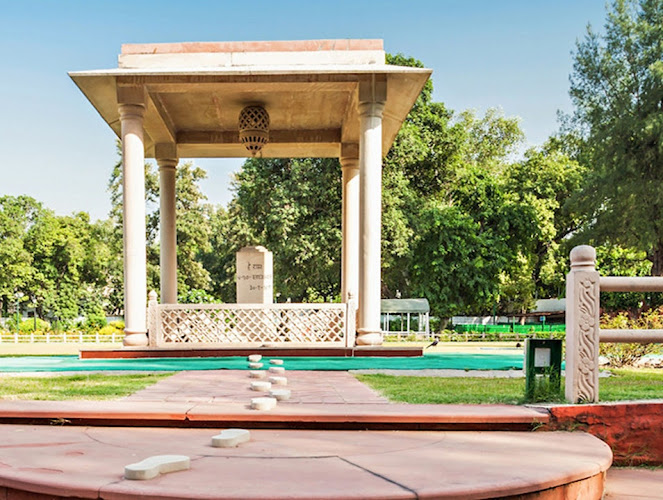
Gandhi Smriti Museum
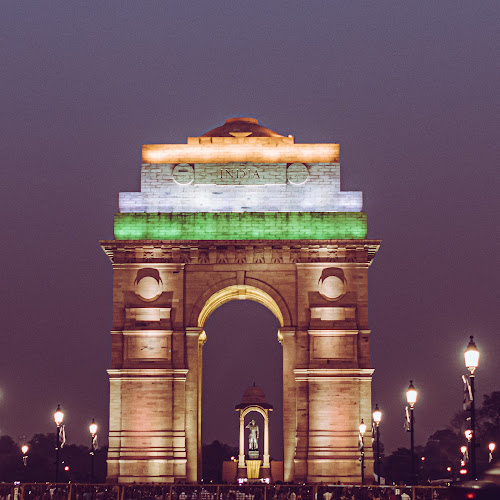
India Gate
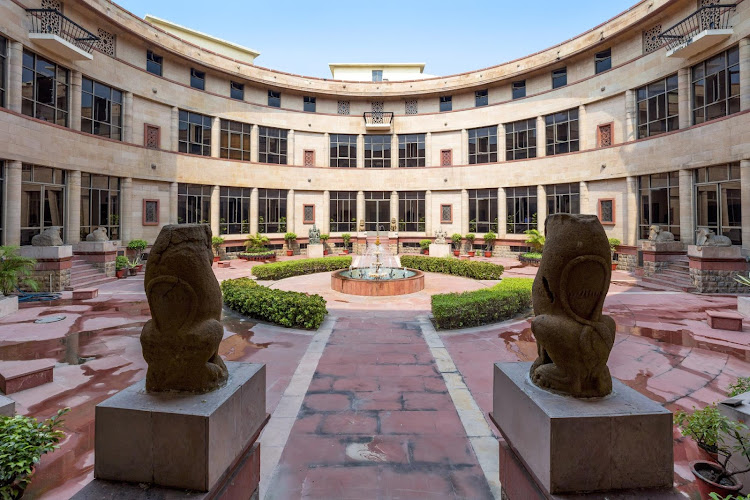
National Museum, New Delhi
Find Accommodations Nearby
Recommended Tours & Activities
Visitor Reviews
There are no reviews yet. Be the first one to write one.
Share Your Experience
Have you visited National Science Centre? Help other travelers by leaving a review.