
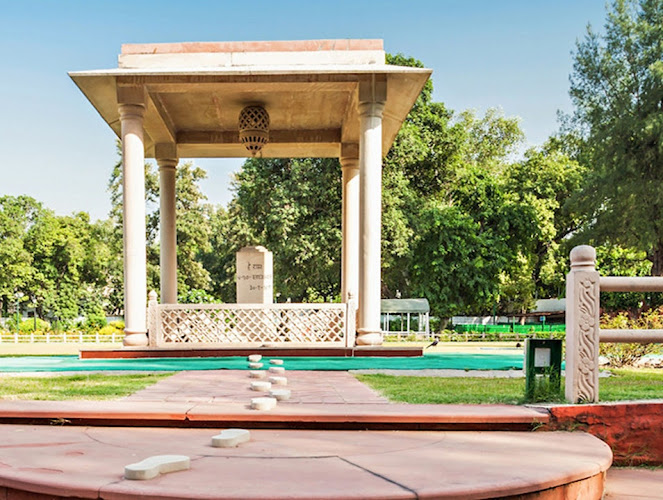
Gandhi Smriti Museum
About Gandhi Smriti Museum
Description
The Gandhi Smriti Museum is one of those places that quietly gets under your skin. It’s not flashy or overly polished—thankfully—but rather deeply human, like the man it honors. Once the residence where Mahatma Gandhi spent the last 144 days of his life, this museum holds a strange stillness that feels almost sacred. The creaking floors, the soft light filtering through old windows, and the faint scent of aged wood all seem to whisper stories of India’s struggle for independence.
Walking through the rooms, you can almost picture Gandhi sitting cross-legged on the floor, writing letters or meeting visitors. The simplicity of his living quarters—just a mat, a spinning wheel, and a few personal belongings—hits harder than any grand monument ever could. It’s strange how something so minimal can feel so powerful. I remember the first time I visited; I expected a typical museum experience, but instead, I walked away quiet, reflective, and oddly emotional.
The museum’s exhibits are thoughtfully curated, blending photographs, personal artifacts, and multimedia displays that trace Gandhi’s journey and philosophy. There are moments when the silence is broken by the soft hum of recorded speeches, and it feels as though history breathes again. While some visitors come for the historical significance, others find themselves drawn to the emotional undercurrent—the sense that this place still carries Gandhi’s presence.
Of course, not every visitor leaves with the same impression. Some find the museum a bit dated in presentation, while others are moved to tears. But that’s the beauty of it—it’s not a sterile history lesson; it’s an experience that meets you where you are. Whether you’re a history buff, a peace seeker, or just curious about India’s past, the Gandhi Smriti Museum has a way of making you pause and reflect on what really matters.
Key Features
- Located in the very house where Mahatma Gandhi spent his final days, offering a deeply personal connection to his life and legacy.
- Exhibits include Gandhi’s personal belongings, letters, and the iconic spinning wheel that symbolizes self-reliance.
- The Martyr’s Column marks the exact spot where Gandhi was assassinated—a poignant and powerful place for reflection.
- Interactive displays and multimedia installations narrate India’s independence movement and Gandhi’s philosophy of non-violence.
- Live performances and educational programs occasionally take place, adding a cultural and emotional depth to the visit.
- Wheelchair-accessible facilities, restrooms, and free parking make it convenient for all visitors.
- Peaceful gardens and walking paths encourage quiet contemplation amid the bustle of Delhi.
- Good for families and children, offering a meaningful introduction to India’s history in an accessible way.
Best Time to Visit
Delhi can be pretty intense, weather-wise, so timing your visit makes a huge difference. The best months are between October and March when the air is crisp and the city feels a bit more forgiving. The winter sun gives the museum grounds a soft golden glow that’s perfect for slow walks and quiet reflection.
If you visit in the summer, brace yourself—it gets hot, really hot. The museum is mostly indoors, but the gardens and open spaces can be sweltering by midday. Early mornings or late afternoons are your best bet then. And if you happen to be in Delhi on January 30th, the day of Gandhi’s assassination, the museum holds a solemn prayer meeting that draws people from all walks of life. It’s not a touristy event—it’s heartfelt, and honestly, quite moving.
How to Get There
Reaching the Gandhi Smriti Museum is fairly straightforward if you’re already exploring central Delhi. The area is well-connected by metro, taxis, and even auto-rickshaws. The nearest metro station is just a short ride away, and from there, it’s a pleasant walk through one of the city’s quieter, tree-lined avenues.
If you’re coming from Connaught Place or India Gate, it’s an easy drive of about 10–15 minutes, depending on traffic (and trust me, Delhi traffic has a mind of its own). For those who prefer a bit of adventure, hopping on a cycle rickshaw for the last stretch can be surprisingly fun—it’s a slice of everyday Delhi life.
Parking is free and generally available, though weekends can get busy. If you’re not in a rush, I recommend walking around the surrounding neighborhood after your visit—it’s full of stately old buildings and leafy streets that feel worlds away from the chaos of the city.
Tips for Visiting
A visit to Gandhi Smriti isn’t just about ticking off another attraction—it’s about slowing down and letting the place speak to you. Here are a few things that might help you make the most of it:
- Take your time. Don’t rush through the exhibits. Each room tells a story, and some of them take a moment to sink in.
- Go early in the day. Mornings are quieter, and the light inside the museum is beautiful around that time.
- Respect the space. This isn’t just a museum; it’s a memorial. Keep voices low, and avoid using flash photography near the sacred areas.
- Bring water and wear comfortable shoes. You’ll be walking through the gardens and pathways, so comfort matters.
- Take a moment at the Martyr’s Column. It’s one of those spots that doesn’t need words—you’ll know what I mean when you’re there.
- Visit the bookstore. It’s small but full of gems—books on Gandhi’s life, philosophy, and letters that reveal his human side.
- Travel light. Bags aren’t allowed in some sections, and security checks can be slow during busy hours.
- Engage with the staff. Many of them have been here for years and have wonderful stories and insights to share if you take the time to ask.
One thing I personally love about Gandhi Smriti is that it doesn’t scream for attention. It doesn’t rely on grand displays or modern gimmicks—it just exists, quietly, with dignity. And in a world where everything feels loud and fast, that’s something special.
If you’re traveling through Delhi and want a moment of peace, or maybe even a little perspective, this museum offers both. It’s not the kind of place you visit once and forget—it lingers. Long after you’ve left, you might find yourself thinking about Gandhi’s simple life, his relentless pursuit of truth, and how one person’s quiet conviction can still echo through time.
And maybe, just maybe, you’ll walk away a little changed.
Key Features
- Located in the very house where Mahatma Gandhi spent his final days, offering a deeply personal connection to his life and legacy.
- Exhibits include Gandhi’s personal belongings, letters, and the iconic spinning wheel that symbolizes self-reliance.
- The Martyr’s Column marks the exact spot where Gandhi was assassinated—a poignant and powerful place for reflection.
- Interactive displays and multimedia installations narrate India’s independence movement and Gandhi’s philosophy of non-violence.
- Live performances and educational programs occasionally take place, adding a cultural and emotional depth to the visit.
- Wheelchair-accessible facilities, restrooms, and free parking make it convenient for all visitors.
- Peaceful gardens and walking paths encourage quiet contemplation amid the bustle of Delhi.
- Good for families and children, offering a meaningful introduction to India’s history in an accessible way.
More Details
Updated October 8, 2025
Description
The Gandhi Smriti Museum is one of those places that quietly gets under your skin. It’s not flashy or overly polished—thankfully—but rather deeply human, like the man it honors. Once the residence where Mahatma Gandhi spent the last 144 days of his life, this museum holds a strange stillness that feels almost sacred. The creaking floors, the soft light filtering through old windows, and the faint scent of aged wood all seem to whisper stories of India’s struggle for independence.
Walking through the rooms, you can almost picture Gandhi sitting cross-legged on the floor, writing letters or meeting visitors. The simplicity of his living quarters—just a mat, a spinning wheel, and a few personal belongings—hits harder than any grand monument ever could. It’s strange how something so minimal can feel so powerful. I remember the first time I visited; I expected a typical museum experience, but instead, I walked away quiet, reflective, and oddly emotional.
The museum’s exhibits are thoughtfully curated, blending photographs, personal artifacts, and multimedia displays that trace Gandhi’s journey and philosophy. There are moments when the silence is broken by the soft hum of recorded speeches, and it feels as though history breathes again. While some visitors come for the historical significance, others find themselves drawn to the emotional undercurrent—the sense that this place still carries Gandhi’s presence.
Of course, not every visitor leaves with the same impression. Some find the museum a bit dated in presentation, while others are moved to tears. But that’s the beauty of it—it’s not a sterile history lesson; it’s an experience that meets you where you are. Whether you’re a history buff, a peace seeker, or just curious about India’s past, the Gandhi Smriti Museum has a way of making you pause and reflect on what really matters.
Key Features
- Located in the very house where Mahatma Gandhi spent his final days, offering a deeply personal connection to his life and legacy.
- Exhibits include Gandhi’s personal belongings, letters, and the iconic spinning wheel that symbolizes self-reliance.
- The Martyr’s Column marks the exact spot where Gandhi was assassinated—a poignant and powerful place for reflection.
- Interactive displays and multimedia installations narrate India’s independence movement and Gandhi’s philosophy of non-violence.
- Live performances and educational programs occasionally take place, adding a cultural and emotional depth to the visit.
- Wheelchair-accessible facilities, restrooms, and free parking make it convenient for all visitors.
- Peaceful gardens and walking paths encourage quiet contemplation amid the bustle of Delhi.
- Good for families and children, offering a meaningful introduction to India’s history in an accessible way.
Best Time to Visit
Delhi can be pretty intense, weather-wise, so timing your visit makes a huge difference. The best months are between October and March when the air is crisp and the city feels a bit more forgiving. The winter sun gives the museum grounds a soft golden glow that’s perfect for slow walks and quiet reflection.
If you visit in the summer, brace yourself—it gets hot, really hot. The museum is mostly indoors, but the gardens and open spaces can be sweltering by midday. Early mornings or late afternoons are your best bet then. And if you happen to be in Delhi on January 30th, the day of Gandhi’s assassination, the museum holds a solemn prayer meeting that draws people from all walks of life. It’s not a touristy event—it’s heartfelt, and honestly, quite moving.
How to Get There
Reaching the Gandhi Smriti Museum is fairly straightforward if you’re already exploring central Delhi. The area is well-connected by metro, taxis, and even auto-rickshaws. The nearest metro station is just a short ride away, and from there, it’s a pleasant walk through one of the city’s quieter, tree-lined avenues.
If you’re coming from Connaught Place or India Gate, it’s an easy drive of about 10–15 minutes, depending on traffic (and trust me, Delhi traffic has a mind of its own). For those who prefer a bit of adventure, hopping on a cycle rickshaw for the last stretch can be surprisingly fun—it’s a slice of everyday Delhi life.
Parking is free and generally available, though weekends can get busy. If you’re not in a rush, I recommend walking around the surrounding neighborhood after your visit—it’s full of stately old buildings and leafy streets that feel worlds away from the chaos of the city.
Tips for Visiting
A visit to Gandhi Smriti isn’t just about ticking off another attraction—it’s about slowing down and letting the place speak to you. Here are a few things that might help you make the most of it:
- Take your time. Don’t rush through the exhibits. Each room tells a story, and some of them take a moment to sink in.
- Go early in the day. Mornings are quieter, and the light inside the museum is beautiful around that time.
- Respect the space. This isn’t just a museum; it’s a memorial. Keep voices low, and avoid using flash photography near the sacred areas.
- Bring water and wear comfortable shoes. You’ll be walking through the gardens and pathways, so comfort matters.
- Take a moment at the Martyr’s Column. It’s one of those spots that doesn’t need words—you’ll know what I mean when you’re there.
- Visit the bookstore. It’s small but full of gems—books on Gandhi’s life, philosophy, and letters that reveal his human side.
- Travel light. Bags aren’t allowed in some sections, and security checks can be slow during busy hours.
- Engage with the staff. Many of them have been here for years and have wonderful stories and insights to share if you take the time to ask.
One thing I personally love about Gandhi Smriti is that it doesn’t scream for attention. It doesn’t rely on grand displays or modern gimmicks—it just exists, quietly, with dignity. And in a world where everything feels loud and fast, that’s something special.
If you’re traveling through Delhi and want a moment of peace, or maybe even a little perspective, this museum offers both. It’s not the kind of place you visit once and forget—it lingers. Long after you’ve left, you might find yourself thinking about Gandhi’s simple life, his relentless pursuit of truth, and how one person’s quiet conviction can still echo through time.
And maybe, just maybe, you’ll walk away a little changed.
Key Highlights
- Located in the very house where Mahatma Gandhi spent his final days, offering a deeply personal connection to his life and legacy.
- Exhibits include Gandhi’s personal belongings, letters, and the iconic spinning wheel that symbolizes self-reliance.
- The Martyr’s Column marks the exact spot where Gandhi was assassinated—a poignant and powerful place for reflection.
- Interactive displays and multimedia installations narrate India’s independence movement and Gandhi’s philosophy of non-violence.
- Live performances and educational programs occasionally take place, adding a cultural and emotional depth to the visit.
- Wheelchair-accessible facilities, restrooms, and free parking make it convenient for all visitors.
- Peaceful gardens and walking paths encourage quiet contemplation amid the bustle of Delhi.
- Good for families and children, offering a meaningful introduction to India’s history in an accessible way.
Location
Places to Stay Near Gandhi Smriti Museum
Find and Book a Tour
Explore More Travel Guides
No reviews found! Be the first to review!
Traveler Reviews for Gandhi Smriti Museum
There are no reviews yet. Be the first one to write one.
Have you visited Gandhi Smriti Museum? Help other travelers by sharing your review.
You Might Also Like

High Mast Indian National Flag

Rashtrapati Bhavan

Sacred Heart Cathedral
Find Accommodations Nearby
Recommended Tours & Activities
Visitor Reviews
There are no reviews yet. Be the first one to write one.
Share Your Experience
Have you visited Gandhi Smriti Museum? Help other travelers by leaving a review.