
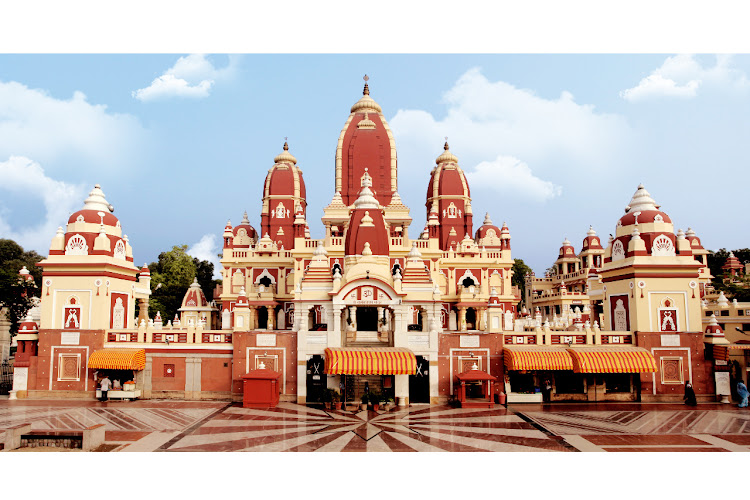
Shri Laxmi Narayan Temple (Birla Mandir)
About Shri Laxmi Narayan Temple (Birla Mandir)
Description
Shri Laxmi Narayan Temple, better known as Birla Mandir, is one of those places in Delhi that quietly takes your breath away the moment you step in. It’s not just a temple—it’s an experience that blends spirituality, architecture, and a bit of old-world charm. Spread over a generous stretch of land with lush gardens, sparkling fountains, and intricate shrines, the temple feels like a peaceful island in the middle of Delhi’s constant buzz. Dedicated to Lord Vishnu (Narayan) and Goddess Lakshmi, it was built by the industrialist Birla family in the 1930s and inaugurated by Mahatma Gandhi himself. That’s right—Gandhi personally insisted that the temple be open to people of all castes, which was a pretty revolutionary idea at the time.
Now, if you’ve ever been to Delhi, you know how the city can be—chaotic, loud, and somehow always moving. So stepping into Birla Mandir feels like pressing the pause button. The marble floors are cool under your feet, the carvings on the walls tell ancient stories, and the chants echo softly in the background. It’s not overly crowded most of the time, though weekends and festivals can get busy. I remember visiting one early morning when the light hit the golden domes, and for a moment, everything felt still. That’s the kind of place this is—it gives you room to breathe.
The temple complex is massive, covering over three hectares, and it’s surprisingly well maintained. You’ll find fountains, manicured lawns, and smaller shrines dedicated to other deities tucked around the main structure. The main sanctum shines with white marble and red sandstone, and the detailing is something you’ll want to photograph (though photography is restricted inside the temple, so keep that in mind). Even if you’re not particularly religious, you can still appreciate the craftsmanship and serenity here. It’s one of those rare spots where faith and art meet beautifully.
Key Features
- Architectural Grandeur: The temple’s design combines traditional Hindu styles with modern touches. The domes and carvings reflect deep symbolism and artistry.
- Sprawling Complex: The entire area includes gardens, fountains, and multiple shrines, making it more than just a temple—it’s a peaceful retreat.
- Historical Significance: Inaugurated by Mahatma Gandhi, the temple symbolizes unity and equality, being one of the first temples open to all castes.
- Accessibility: The site is wheelchair-friendly, with accessible parking and entrances, ensuring everyone can visit comfortably.
- Onsite Amenities: There are restrooms, drinking water facilities, and shaded areas where visitors can relax after exploring.
- Spiritual Vibe: Daily aartis (prayer ceremonies) and soft devotional music enhance the peaceful atmosphere.
And one more thing worth noting—the temple looks especially stunning at night when it’s lit up. The golden glow against the dark sky is something else. I once sat on the steps outside just watching the lights flicker across the domes while the city hummed in the background. It’s a moment that sticks with you.
Best Time to Visit
Delhi’s weather can be a bit unpredictable, but if you want to enjoy your visit without melting in the heat or freezing in the chill, aim for the months between October and March. The mornings are crisp, and the evenings are pleasantly cool—perfect for wandering around the temple grounds. If you’re into festivals, Diwali and Janmashtami are incredible times to visit. The temple glows with thousands of diyas (lamps), and the energy is just magical. However, expect crowds during these times, so patience is key.
I once made the mistake of visiting in May—let’s just say the marble floors can get *very* warm under the sun. So, if you’re planning a summer trip, go early in the morning or later in the evening. The temple opens early enough for you to catch the sunrise, which adds a golden tint to everything and makes for a peaceful start to your day.
How to Get There
The temple sits right in the heart of Delhi, so getting there isn’t a problem at all. If you’re using the metro, the nearest station is R.K. Ashram Marg or Patel Chowk, each just a short rickshaw ride away. For those coming by car or cab, it’s easily accessible from most parts of central Delhi, and there’s ample parking nearby. You could also hop on a cycle rickshaw if you’re staying close by—it’s a fun, local way to travel and gives you a glimpse of everyday Delhi life.
If you’re new to the city, I’d recommend combining your visit to Birla Mandir with a stop at Connaught Place or India Gate, both of which are just a few minutes away. It makes for a nice half-day itinerary—you get a bit of spirituality, a bit of history, and maybe some shopping or street food on the side. And honestly, that’s the best way to experience Delhi—mixing the sacred with the everyday chaos.
Tips for Visiting
Here’s the thing about visiting temples in India—there’s etiquette, but it’s mostly about respect and mindfulness. Birla Mandir is open to all, but a few simple tips can help make your visit smoother and more meaningful.
- Dress Modestly: It’s a place of worship, so cover your shoulders and knees. Light cotton clothes work best for Delhi’s weather.
- Footwear: You’ll need to leave your shoes outside, so wear something easy to slip off. There’s a designated shoe stand near the entrance.
- No Photography Inside: Cameras and phones aren’t allowed in the main sanctum. Respect the rule—it helps maintain the calm atmosphere.
- Arrive Early: Morning hours are quieter and cooler, plus you can catch the morning aarti, which is a beautiful experience even if you’re not religious.
- Stay Hydrated: Delhi can get hot, so carry a water bottle. There are drinking water facilities on-site too.
- Be Mindful: Avoid loud conversations or phone use inside the temple. It’s a space for reflection and peace.
- Combine Your Visit: Plan to visit nearby attractions like Jantar Mantar or India Gate afterward—they’re close enough to walk or take a short cab ride.
And here’s a small personal tip—if you can, sit for a few minutes in the garden area after your visit. The sound of the fountains and the rustling trees create this gentle white noise that’s oddly calming. I remember sitting there once, watching a group of kids feed the pigeons, and thinking how this temple somehow manages to bring together people from every walk of life—devotees, tourists, locals, even the occasional curious wanderer like me.
Overall, Shri Laxmi Narayan Temple isn’t just another tourist stop—it’s a reminder of Delhi’s layered soul. It’s grand without being overwhelming, spiritual without being preachy, and open-hearted in a way that feels rare these days. Whether you’re there to pray, to admire the architecture, or just to escape the city noise for a while, it’s a place that leaves an impression long after you’ve left. And honestly, that’s what makes it worth the visit.
Key Features
- Key Features
- Best Time to Visit
- How to Get There
- Tips for Visiting
More Details
Updated October 8, 2025
Table of Contents
- Description
- Key Features
- Best Time to Visit
- How to Get There
- Tips for Visiting
- Key Highlights
- Location
- Places to Stay Near Shri Laxmi Narayan Temple (Birla Mandir)
- Find and Book a Tour
- Explore More Travel Guides
- Nearby Places You Might Like
- Traveler Reviews for Shri Laxmi Narayan Temple (Birla Mandir)
- Share Your Experience
Description
Shri Laxmi Narayan Temple, better known as Birla Mandir, is one of those places in Delhi that quietly takes your breath away the moment you step in. It’s not just a temple—it’s an experience that blends spirituality, architecture, and a bit of old-world charm. Spread over a generous stretch of land with lush gardens, sparkling fountains, and intricate shrines, the temple feels like a peaceful island in the middle of Delhi’s constant buzz. Dedicated to Lord Vishnu (Narayan) and Goddess Lakshmi, it was built by the industrialist Birla family in the 1930s and inaugurated by Mahatma Gandhi himself. That’s right—Gandhi personally insisted that the temple be open to people of all castes, which was a pretty revolutionary idea at the time.
Now, if you’ve ever been to Delhi, you know how the city can be—chaotic, loud, and somehow always moving. So stepping into Birla Mandir feels like pressing the pause button. The marble floors are cool under your feet, the carvings on the walls tell ancient stories, and the chants echo softly in the background. It’s not overly crowded most of the time, though weekends and festivals can get busy. I remember visiting one early morning when the light hit the golden domes, and for a moment, everything felt still. That’s the kind of place this is—it gives you room to breathe.
The temple complex is massive, covering over three hectares, and it’s surprisingly well maintained. You’ll find fountains, manicured lawns, and smaller shrines dedicated to other deities tucked around the main structure. The main sanctum shines with white marble and red sandstone, and the detailing is something you’ll want to photograph (though photography is restricted inside the temple, so keep that in mind). Even if you’re not particularly religious, you can still appreciate the craftsmanship and serenity here. It’s one of those rare spots where faith and art meet beautifully.
Key Features
- Architectural Grandeur: The temple’s design combines traditional Hindu styles with modern touches. The domes and carvings reflect deep symbolism and artistry.
- Sprawling Complex: The entire area includes gardens, fountains, and multiple shrines, making it more than just a temple—it’s a peaceful retreat.
- Historical Significance: Inaugurated by Mahatma Gandhi, the temple symbolizes unity and equality, being one of the first temples open to all castes.
- Accessibility: The site is wheelchair-friendly, with accessible parking and entrances, ensuring everyone can visit comfortably.
- Onsite Amenities: There are restrooms, drinking water facilities, and shaded areas where visitors can relax after exploring.
- Spiritual Vibe: Daily aartis (prayer ceremonies) and soft devotional music enhance the peaceful atmosphere.
And one more thing worth noting—the temple looks especially stunning at night when it’s lit up. The golden glow against the dark sky is something else. I once sat on the steps outside just watching the lights flicker across the domes while the city hummed in the background. It’s a moment that sticks with you.
Best Time to Visit
Delhi’s weather can be a bit unpredictable, but if you want to enjoy your visit without melting in the heat or freezing in the chill, aim for the months between October and March. The mornings are crisp, and the evenings are pleasantly cool—perfect for wandering around the temple grounds. If you’re into festivals, Diwali and Janmashtami are incredible times to visit. The temple glows with thousands of diyas (lamps), and the energy is just magical. However, expect crowds during these times, so patience is key.
I once made the mistake of visiting in May—let’s just say the marble floors can get *very* warm under the sun. So, if you’re planning a summer trip, go early in the morning or later in the evening. The temple opens early enough for you to catch the sunrise, which adds a golden tint to everything and makes for a peaceful start to your day.
How to Get There
The temple sits right in the heart of Delhi, so getting there isn’t a problem at all. If you’re using the metro, the nearest station is R.K. Ashram Marg or Patel Chowk, each just a short rickshaw ride away. For those coming by car or cab, it’s easily accessible from most parts of central Delhi, and there’s ample parking nearby. You could also hop on a cycle rickshaw if you’re staying close by—it’s a fun, local way to travel and gives you a glimpse of everyday Delhi life.
If you’re new to the city, I’d recommend combining your visit to Birla Mandir with a stop at Connaught Place or India Gate, both of which are just a few minutes away. It makes for a nice half-day itinerary—you get a bit of spirituality, a bit of history, and maybe some shopping or street food on the side. And honestly, that’s the best way to experience Delhi—mixing the sacred with the everyday chaos.
Tips for Visiting
Here’s the thing about visiting temples in India—there’s etiquette, but it’s mostly about respect and mindfulness. Birla Mandir is open to all, but a few simple tips can help make your visit smoother and more meaningful.
- Dress Modestly: It’s a place of worship, so cover your shoulders and knees. Light cotton clothes work best for Delhi’s weather.
- Footwear: You’ll need to leave your shoes outside, so wear something easy to slip off. There’s a designated shoe stand near the entrance.
- No Photography Inside: Cameras and phones aren’t allowed in the main sanctum. Respect the rule—it helps maintain the calm atmosphere.
- Arrive Early: Morning hours are quieter and cooler, plus you can catch the morning aarti, which is a beautiful experience even if you’re not religious.
- Stay Hydrated: Delhi can get hot, so carry a water bottle. There are drinking water facilities on-site too.
- Be Mindful: Avoid loud conversations or phone use inside the temple. It’s a space for reflection and peace.
- Combine Your Visit: Plan to visit nearby attractions like Jantar Mantar or India Gate afterward—they’re close enough to walk or take a short cab ride.
And here’s a small personal tip—if you can, sit for a few minutes in the garden area after your visit. The sound of the fountains and the rustling trees create this gentle white noise that’s oddly calming. I remember sitting there once, watching a group of kids feed the pigeons, and thinking how this temple somehow manages to bring together people from every walk of life—devotees, tourists, locals, even the occasional curious wanderer like me.
Overall, Shri Laxmi Narayan Temple isn’t just another tourist stop—it’s a reminder of Delhi’s layered soul. It’s grand without being overwhelming, spiritual without being preachy, and open-hearted in a way that feels rare these days. Whether you’re there to pray, to admire the architecture, or just to escape the city noise for a while, it’s a place that leaves an impression long after you’ve left. And honestly, that’s what makes it worth the visit.
Key Highlights
- Key Features
- Best Time to Visit
- How to Get There
- Tips for Visiting
Location
Places to Stay Near Shri Laxmi Narayan Temple (Birla Mandir)
Find and Book a Tour
Explore More Travel Guides
No reviews found! Be the first to review!
Traveler Reviews for Shri Laxmi Narayan Temple (Birla Mandir)
There are no reviews yet. Be the first one to write one.
Have you visited Shri Laxmi Narayan Temple (Birla Mandir)? Help other travelers by sharing your review.
You Might Also Like
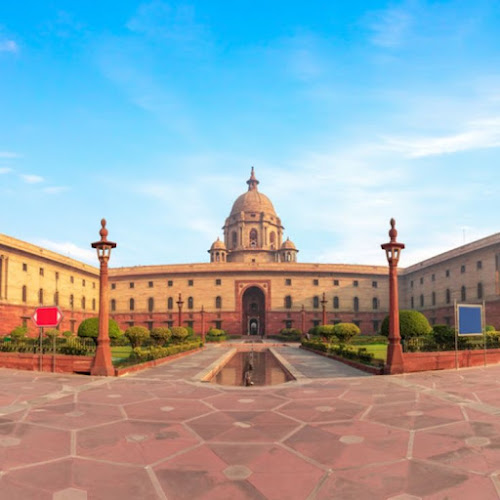
Rashtrapati Bhavan
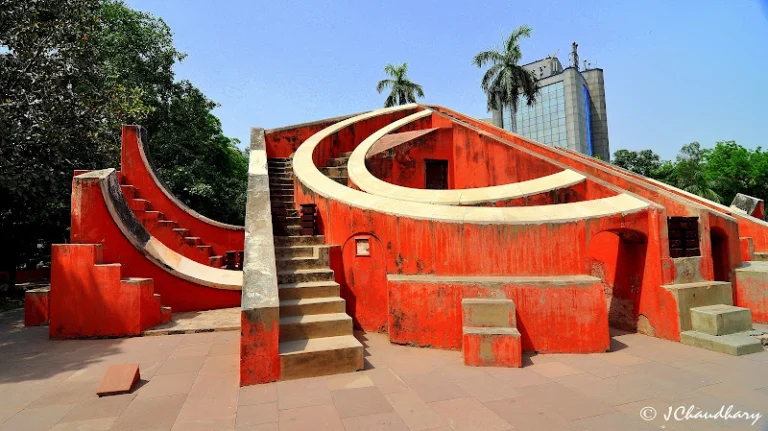
Jantar Mantar
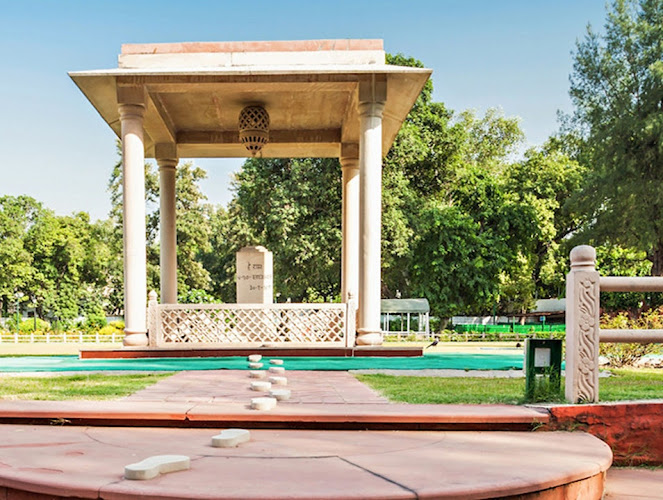
Gandhi Smriti Museum
Find Accommodations Nearby
Recommended Tours & Activities
Visitor Reviews
There are no reviews yet. Be the first one to write one.
Share Your Experience
Have you visited Shri Laxmi Narayan Temple (Birla Mandir)? Help other travelers by leaving a review.