
Muzey Istorii Tomska
About Muzey Istorii Tomska
Description
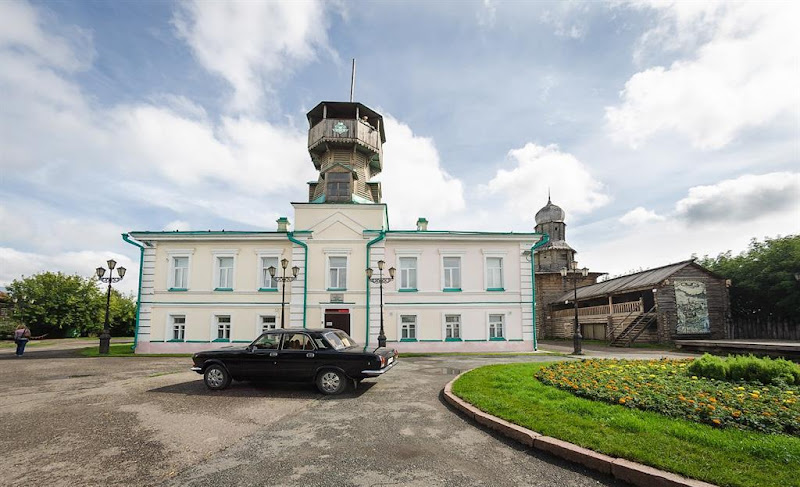
The Muzey Istorii Tomska stands as one of Siberia's most intriguing cultural institutions, offering travelers a deep dive into the rich tapestry of Tomsk's past. This local history museum has carved out quite the reputation among visitors who find themselves drawn to this corner of Russia, and honestly, it deserves every bit of attention it gets. The museum itself occupies a fascinating space that includes a meticulously reconstructed wooden tower - a nod to the city's original fortress architecture from centuries past. When I think about museums that truly capture a city's essence, this one definitely makes the list. What sets this museum apart from your typical historical collection is its commitment to making history feel alive rather than stuck behind glass. The exhibits span several centuries of Tomsk's development, from its founding days as a fortress town through its evolution into one of Siberia's most important educational and cultural centers. The reconstructed tower isn't just for show either - it features an observation deck that gives visitors panoramic views of the city, and trust me, climbing up there provides context that no amount of reading can match. You'll see the layout of old Tomsk streets, the wooden architecture that survived modernization, and the Siberian landscape that shaped this community's character. The building's architecture itself tells a story. The tower recreation uses traditional construction methods that transport you back to the 17th century when Tomsk first appeared on maps as a strategic outpost. And while some museums feel sterile and disconnected from their surroundings, this one manages to maintain an authentic atmosphere that resonates with both history enthusiasts and casual tourists alike. The museum staff have done impressive work curating exhibits that don't just showcase artifacts but explain the why and how behind Tomsk's development.Key Features
The Muzey Istorii Tomska offers several distinctive elements that make it worth adding to any Tomsk itinerary: • A full-scale reconstructed wooden watchtower that replicates the original fortress structures from Tomsk's founding era, complete with period-appropriate construction techniques and materials • An observation deck positioned at the tower's peak providing sweeping views across Tomsk's historic districts and modern cityscape - particularly stunning during golden hour • Interactive exhibits focusing on different periods of Siberian settlement and development, including displays about the indigenous peoples who inhabited the region before Russian expansion • Collections of traditional Siberian crafts, tools, and everyday objects that illustrate how people survived and thrived in one of Earth's harshest climates • Seasonal activities and temporary exhibitions that keep the museum experience fresh for repeat visitors • Educational programs designed specifically for younger audiences, though adults often find these presentations equally engaging • Documentary materials and photographs chronicling Tomsk's transformation from military outpost to university town • Artifacts related to the Siberian exile system, offering sobering insights into this region's role in Russian political history • Display sections dedicated to Tomsk's architectural heritage, explaining why this city preserved more wooden buildings than most Siberian cities • Special focus on the merchant class that drove Tomsk's economic development during the 19th and early 20th centuriesBest Time to Visit
Planning your visit to the Muzey Istorii Tomska requires some thought about Siberian weather patterns and tourist seasons. The museum operates year-round, but the experience varies considerably depending on when you go. Summer months from June through August offer the most comfortable conditions for exploring both the museum and the observation deck. Temperatures reach pleasant levels, and the extended daylight hours characteristic of Siberian summers mean you can visit later in the afternoon and still enjoy excellent views from the tower. But here's the thing - summer also brings the highest concentration of tour groups and school excursions, so the galleries can feel crowded. Late spring and early autumn present excellent alternatives. September particularly stands out because the tourist crowds thin out, yet weather remains reasonable for tower climbing. The autumn colors visible from the observation deck create spectacular photo opportunities that summer visitors miss entirely. I'd argue that catching Tomsk in its shoulder seasons gives you a more authentic experience anyway. Winter visits have their own appeal for hardy travelers. Yes, temperatures plunge to levels that seem almost fictional if you're from warmer climates, but the museum's indoor exhibits provide welcome warmth, and seeing Tomsk blanketed in snow from the tower deck offers a uniquely Siberian perspective. Just dress appropriately - and I mean really appropriately. Siberian winter isn't forgiving to underprepared tourists. Weekdays generally offer calmer visiting conditions than weekends, when local families make up a significant portion of the museum's audience. If you're someone who prefers contemplating exhibits without constant background chatter, Tuesday through Thursday mornings work best in my experience.How to Get There
Reaching the Muzey Istorii Tomska involves navigating Tomsk's public transportation system or arranging alternative transport, depending on where you're staying in the city. The museum sits in a fairly central location that's accessible through multiple routes. For travelers staying in Tomsk's downtown area, walking often proves the most straightforward option. The city's compact historic center means many hotels and hostels sit within 15-20 minutes' walk of the museum. This approach has the added benefit of letting you experience Tomsk's remarkable wooden architecture along the way. Just grab a city map and don't be afraid to take slight detours when you spot interesting buildings. Tomsk's bus network serves the museum area reasonably well. Several routes stop within a few blocks, though figuring out the system requires some effort if you don't read Cyrillic. Local buses remain incredibly affordable compared to Western standards, costing just a handful of rubles per ride. Most hotels can help identify which bus numbers will get you closest to the museum. Taxis and ride-sharing services operate throughout Tomsk and provide the most convenient option for travelers uncomfortable with public transit or dealing with extreme weather. Fares stay reasonable for short trips within the city center. Make sure your driver understands your destination - having the museum name written in Russian helps avoid miscommunication. If you're arriving in Tomsk specifically to visit the museum, the city itself is accessible by train, plane, and long-distance bus from other Siberian cities and major Russian hubs. The Trans-Siberian Railway passes through Tomsk, making it a logical stop for travelers doing the classic cross-Russia journey. From Tomsk's main train station, you'll need additional transport to reach the museum, but again, it's not a complicated journey.Tips for Visiting
Making the most of your Muzey Istorii Tomska experience involves some practical preparation and understanding of what to expect. First off, know that this isn't a massive institution like Moscow's State Historical Museum - you can reasonably see everything in two to three hours, though history buffs might linger longer. The museum doesn't have a restaurant onsite, so eat before you arrive or plan to grab food afterward at one of the nearby cafes. Restrooms are available, which matters more than you might think when exploring a city where public facilities aren't always easy to find. Here's something important - the museum lacks wheelchair accessibility, which unfortunately excludes visitors with mobility challenges from fully experiencing the site. The reconstructed tower in particular involves climbing stairs that wouldn't accommodate wheelchairs or even some folks who struggle with steep ascents. If you're traveling with someone who has accessibility needs, this is worth knowing in advance. Photography policies vary by exhibit area, so ask staff before snapping pictures. Generally speaking, personal photography without flash is permitted, but some special exhibitions might have restrictions. And honestly, the observation deck views practically demand photography - you'll want to capture those perspectives. English signage remains limited throughout the museum, which reflects Tomsk's position as a less internationally-visited Siberian city. Consider hiring a local guide or downloading translation apps beforehand. Some exhibits feature QR codes linking to additional information, though these resources also tend toward Russian-language content. Don't let the language barrier discourage you though - much of the museum's appeal comes from visual displays and artifacts that communicate across language differences. Dress in layers regardless of season. Siberian buildings often run hot inside during winter due to aggressive heating systems, creating dramatic temperature contrasts with the frigid outdoors. Summer can bring surprising warmth, particularly in upper tower levels where heat accumulates. Comfortable walking shoes are essential since you'll be standing and climbing quite a bit. The museum's family-friendly nature means children are welcome and catered to through various interactive elements. But keep realistic expectations about attention spans - younger kids might find some exhibit areas less engaging despite the museum's efforts. The tower climbing usually captures children's imagination more reliably than display cases. Timing your visit around special events or temporary exhibitions can significantly enhance the experience. Check the museum's schedule before finalizing your Tomsk itinerary. These special programs often showcase aspects of local culture that permanent exhibits don't fully capture. Budget about 300-400 rubles for admission, though prices fluctuate and special rates apply for students, children, and seniors. It's worth noting that this represents excellent value - you're getting multiple hours of quality museum experience plus observatory access for less than a decent restaurant meal in most countries. Finally, approach the museum with openness to learning about a part of Russia that rarely features in international media or tourist brochures. Tomsk's story involves fascinating intersections of indigenous Siberian cultures, Russian expansion, political exile, educational development, and architectural preservation. The Muzey Istorii Tomska serves as your gateway to understanding these complex historical threads, and visitors who arrive with genuine curiosity leave with perspectives they wouldn't gain anywhere else.Key Features
- Collections of over 6,000 local historical exhibits
- Archaeological finds from the original Tomsk fortress site
- Signature printed glazed tile ('Dinotherium') and unique decorative artifacts
- Reconstructed period interiors and civic-history displays
- Observation opportunities from the Voskresenskaya Hill area and atmospheric old-town setting
More Details
Updated March 30, 2026
Table of Contents
Description
The Muzey Istorii Tomska stands as one of Siberia’s most intriguing cultural institutions, offering travelers a deep dive into the rich tapestry of Tomsk’s past. This local history museum has carved out quite the reputation among visitors who find themselves drawn to this corner of Russia, and honestly, it deserves every bit of attention it gets. The museum itself occupies a fascinating space that includes a meticulously reconstructed wooden tower – a nod to the city’s original fortress architecture from centuries past. When I think about museums that truly capture a city’s essence, this one definitely makes the list.
What sets this museum apart from your typical historical collection is its commitment to making history feel alive rather than stuck behind glass. The exhibits span several centuries of Tomsk’s development, from its founding days as a fortress town through its evolution into one of Siberia’s most important educational and cultural centers. The reconstructed tower isn’t just for show either – it features an observation deck that gives visitors panoramic views of the city, and trust me, climbing up there provides context that no amount of reading can match. You’ll see the layout of old Tomsk streets, the wooden architecture that survived modernization, and the Siberian landscape that shaped this community’s character.
The building’s architecture itself tells a story. The tower recreation uses traditional construction methods that transport you back to the 17th century when Tomsk first appeared on maps as a strategic outpost. And while some museums feel sterile and disconnected from their surroundings, this one manages to maintain an authentic atmosphere that resonates with both history enthusiasts and casual tourists alike. The museum staff have done impressive work curating exhibits that don’t just showcase artifacts but explain the why and how behind Tomsk’s development.
Key Features
The Muzey Istorii Tomska offers several distinctive elements that make it worth adding to any Tomsk itinerary:
• A full-scale reconstructed wooden watchtower that replicates the original fortress structures from Tomsk’s founding era, complete with period-appropriate construction techniques and materials
• An observation deck positioned at the tower’s peak providing sweeping views across Tomsk’s historic districts and modern cityscape – particularly stunning during golden hour
• Interactive exhibits focusing on different periods of Siberian settlement and development, including displays about the indigenous peoples who inhabited the region before Russian expansion
• Collections of traditional Siberian crafts, tools, and everyday objects that illustrate how people survived and thrived in one of Earth’s harshest climates
• Seasonal activities and temporary exhibitions that keep the museum experience fresh for repeat visitors
• Educational programs designed specifically for younger audiences, though adults often find these presentations equally engaging
• Documentary materials and photographs chronicling Tomsk’s transformation from military outpost to university town
• Artifacts related to the Siberian exile system, offering sobering insights into this region’s role in Russian political history
• Display sections dedicated to Tomsk’s architectural heritage, explaining why this city preserved more wooden buildings than most Siberian cities
• Special focus on the merchant class that drove Tomsk’s economic development during the 19th and early 20th centuries
Best Time to Visit
Planning your visit to the Muzey Istorii Tomska requires some thought about Siberian weather patterns and tourist seasons. The museum operates year-round, but the experience varies considerably depending on when you go.
Summer months from June through August offer the most comfortable conditions for exploring both the museum and the observation deck. Temperatures reach pleasant levels, and the extended daylight hours characteristic of Siberian summers mean you can visit later in the afternoon and still enjoy excellent views from the tower. But here’s the thing – summer also brings the highest concentration of tour groups and school excursions, so the galleries can feel crowded.
Late spring and early autumn present excellent alternatives. September particularly stands out because the tourist crowds thin out, yet weather remains reasonable for tower climbing. The autumn colors visible from the observation deck create spectacular photo opportunities that summer visitors miss entirely. I’d argue that catching Tomsk in its shoulder seasons gives you a more authentic experience anyway.
Winter visits have their own appeal for hardy travelers. Yes, temperatures plunge to levels that seem almost fictional if you’re from warmer climates, but the museum’s indoor exhibits provide welcome warmth, and seeing Tomsk blanketed in snow from the tower deck offers a uniquely Siberian perspective. Just dress appropriately – and I mean really appropriately. Siberian winter isn’t forgiving to underprepared tourists.
Weekdays generally offer calmer visiting conditions than weekends, when local families make up a significant portion of the museum’s audience. If you’re someone who prefers contemplating exhibits without constant background chatter, Tuesday through Thursday mornings work best in my experience.
How to Get There
Reaching the Muzey Istorii Tomska involves navigating Tomsk’s public transportation system or arranging alternative transport, depending on where you’re staying in the city. The museum sits in a fairly central location that’s accessible through multiple routes.
For travelers staying in Tomsk’s downtown area, walking often proves the most straightforward option. The city’s compact historic center means many hotels and hostels sit within 15-20 minutes’ walk of the museum. This approach has the added benefit of letting you experience Tomsk’s remarkable wooden architecture along the way. Just grab a city map and don’t be afraid to take slight detours when you spot interesting buildings.
Tomsk’s bus network serves the museum area reasonably well. Several routes stop within a few blocks, though figuring out the system requires some effort if you don’t read Cyrillic. Local buses remain incredibly affordable compared to Western standards, costing just a handful of rubles per ride. Most hotels can help identify which bus numbers will get you closest to the museum.
Taxis and ride-sharing services operate throughout Tomsk and provide the most convenient option for travelers uncomfortable with public transit or dealing with extreme weather. Fares stay reasonable for short trips within the city center. Make sure your driver understands your destination – having the museum name written in Russian helps avoid miscommunication.
If you’re arriving in Tomsk specifically to visit the museum, the city itself is accessible by train, plane, and long-distance bus from other Siberian cities and major Russian hubs. The Trans-Siberian Railway passes through Tomsk, making it a logical stop for travelers doing the classic cross-Russia journey. From Tomsk’s main train station, you’ll need additional transport to reach the museum, but again, it’s not a complicated journey.
Tips for Visiting
Making the most of your Muzey Istorii Tomska experience involves some practical preparation and understanding of what to expect. First off, know that this isn’t a massive institution like Moscow’s State Historical Museum – you can reasonably see everything in two to three hours, though history buffs might linger longer.
The museum doesn’t have a restaurant onsite, so eat before you arrive or plan to grab food afterward at one of the nearby cafes. Restrooms are available, which matters more than you might think when exploring a city where public facilities aren’t always easy to find.
Here’s something important – the museum lacks wheelchair accessibility, which unfortunately excludes visitors with mobility challenges from fully experiencing the site. The reconstructed tower in particular involves climbing stairs that wouldn’t accommodate wheelchairs or even some folks who struggle with steep ascents. If you’re traveling with someone who has accessibility needs, this is worth knowing in advance.
Photography policies vary by exhibit area, so ask staff before snapping pictures. Generally speaking, personal photography without flash is permitted, but some special exhibitions might have restrictions. And honestly, the observation deck views practically demand photography – you’ll want to capture those perspectives.
English signage remains limited throughout the museum, which reflects Tomsk’s position as a less internationally-visited Siberian city. Consider hiring a local guide or downloading translation apps beforehand. Some exhibits feature QR codes linking to additional information, though these resources also tend toward Russian-language content. Don’t let the language barrier discourage you though – much of the museum’s appeal comes from visual displays and artifacts that communicate across language differences.
Dress in layers regardless of season. Siberian buildings often run hot inside during winter due to aggressive heating systems, creating dramatic temperature contrasts with the frigid outdoors. Summer can bring surprising warmth, particularly in upper tower levels where heat accumulates. Comfortable walking shoes are essential since you’ll be standing and climbing quite a bit.
The museum’s family-friendly nature means children are welcome and catered to through various interactive elements. But keep realistic expectations about attention spans – younger kids might find some exhibit areas less engaging despite the museum’s efforts. The tower climbing usually captures children’s imagination more reliably than display cases.
Timing your visit around special events or temporary exhibitions can significantly enhance the experience. Check the museum’s schedule before finalizing your Tomsk itinerary. These special programs often showcase aspects of local culture that permanent exhibits don’t fully capture.
Budget about 300-400 rubles for admission, though prices fluctuate and special rates apply for students, children, and seniors. It’s worth noting that this represents excellent value – you’re getting multiple hours of quality museum experience plus observatory access for less than a decent restaurant meal in most countries.
Finally, approach the museum with openness to learning about a part of Russia that rarely features in international media or tourist brochures. Tomsk’s story involves fascinating intersections of indigenous Siberian cultures, Russian expansion, political exile, educational development, and architectural preservation. The Muzey Istorii Tomska serves as your gateway to understanding these complex historical threads, and visitors who arrive with genuine curiosity leave with perspectives they wouldn’t gain anywhere else.
Key Highlights
- Collections of over 6,000 local historical exhibits
- Archaeological finds from the original Tomsk fortress site
- Signature printed glazed tile (‘Dinotherium’) and unique decorative artifacts
- Reconstructed period interiors and civic-history displays
- Observation opportunities from the Voskresenskaya Hill area and atmospheric old-town setting
Location
Places to Stay Near Muzey Istorii Tomska
Find and Book a Tour
Explore More Travel Guides
No reviews found! Be the first to review!
Muzey Istorii Tomska is a prominent museums located in Tomsk.
Visit us at: Ulitsa Bakunina, 3, Tomsk, Tomsk Oblast, Russie, 634009.
Traveler Reviews for Muzey Istorii Tomska
There are no reviews yet. Be the first one to write one.
Have you visited Muzey Istorii Tomska? Help other travelers by sharing your review.
Nearby Attractions
You Might Also Like

Gorodskoy Sad
Первый Музей Славянской Мифологии
Buff-Sad
Find Accommodations Nearby
Recommended Tours & Activities
Visitor Reviews
There are no reviews yet. Be the first one to write one.
Share Your Experience
Have you visited Muzey Istorii Tomska? Help other travelers by leaving a review.