
Museum of Prehistory and Archaeology of Cantabria
About Museum of Prehistory and Archaeology of Cantabria
Description
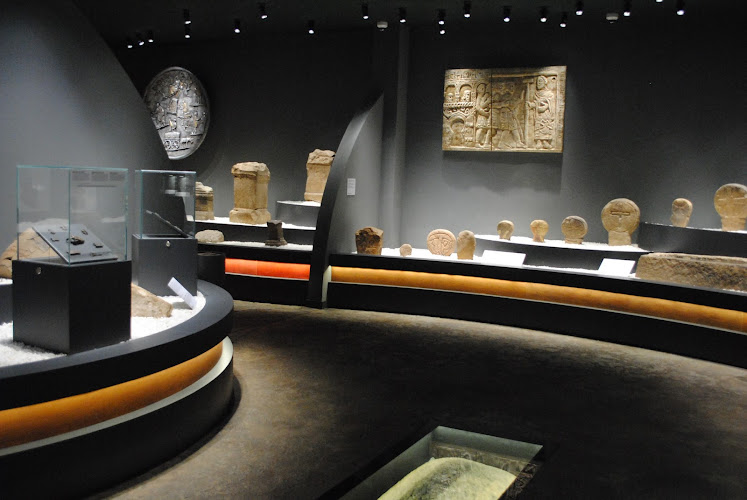
The Museum of Prehistory and Archaeology of Cantabria stands as a thoughtful, modern space that traces human presence in Cantabria from deep prehistoric times through to the Middle Ages. Designed with clarity and curiosity in mind, the museum organizes its displays chronologically so that a visitor can quite literally walk through millennia. Exhibits range from stone tools and skeletal remains to reconstructed domestic scenes, and there are interactive stations that invite hands-on learning rather than passive staring. It’s an archaeological museum that tries to make time feel readable and human — and for the most part, it succeeds.
What separates this museum from many dusty-away collections is its attention to storytelling. Objects are not just catalogued: they’re contextualized. Labels explain the technology, the rituals, the daily tedium and occasional brilliance of prehistoric life. And every now and then the museum will stage a live performance or a themed event, which adds an element of theater. The acoustic of one exhibit hall once swallowed a local musician’s bowed lyre and produced an oddly evocative soundtrack to the stone tools on display — an unexpected, spine-tingling moment that made a visitor think about the people behind the artifacts rather than the artifacts alone.
The building itself is accessible and intentionally low-key, nothing ostentatious to distract from the objects. There is a wheelchair accessible entrance and restroom, making the core experience available to many, although parking with accessible spaces can be a hassle nearby. Facilities are practical: there are restrooms but no on-site restaurant, so planning around meal times is wise. The staff have a reputation for being knowledgeable and occasionally wry; they sometimes offer little anecdotes during tours that humanize the material. Families often report that the museum holds children’s attention thanks to its interactive exhibits and approachable curation.
For travelers who map their trips by cultural highlights, this museum is a dependable stop in Santander. It doesn’t scream for attention like a blockbuster exhibit might, but it rewards curiosity with depth. It’s well suited to someone who wants to understand how Cantabria’s landscape and seacoast shaped human settlement patterns, and how communities adapted to changing climates, technologies and contacts with other peoples.
Key Features
- Comprehensive chronological displays from prehistory to the Middle Ages, making it a compact yet thorough archaeological museum.
- Interactive exhibits and hands-on stations designed to engage children and adults alike; especially good for families and school groups.
- Live performances and special events that animate ancient daily life — think music, demonstrations, and occasionally craft workshops.
- Roomy exhibition halls with clear signage and accessible pathways; wheelchair accessible entrance and restroom are available.
- Curated artifacts that include lithic tools, pottery, funerary items, and reconstructions that help imagine domestic life across eras.
- Friendly, informed staff who can add local color and lesser-known stories to exhibits during guided moments.
- Educational materials suitable for kids; exhibits emphasize storytelling and cause-and-effect rather than dense academic prose.
- Practical visitor amenities: restrooms on site and straightforward visitor flow, though no cafeteria or restaurant inside the building.
Best Time to Visit
Timing matters. For a calm, contemplative experience, midweek mornings are prime. The museum attracts school groups in late spring and early autumn, so if a quieter visit is desired, avoid weekday mornings during the academic year. Summer afternoons can be busier because tourists and families combine museum visits with beach time. If a visitor wants to catch a live performance or a special demonstration, it’s best to check the museum’s events calendar in advance; these programs frequently happen on weekends or during regional holidays.
Weather in Cantabria is mild but changeable. On cooler, drizzly days, indoor attractions like this museum become especially appealing — and so the off-season (late autumn through early spring) can be surprisingly rewarding. There are fewer crowds, and local guides may have more time to chat. Conversely, late spring and early summer are lively times when the museum participates in cultural festivals around Santander, offering extra programs and family activities.
How to Get There
The museum is situated in Santander and is straightforward to reach by public transport, taxi, or on foot from many central points. Visitors arriving by train to Santander can take a short bus or taxi ride; those staying in central neighborhoods often find it an easy short ride. For people driving, parking in the area exists but can fill up during peak tourist season and there may be limited or no dedicated accessible parking, so planning ahead is recommended. Local buses stop reasonably close and walking for those staying centrally is feasible and pleasant — the city is compact enough to combine a museum visit with nearby eateries and promenades.
Visitors relying on public transit should check local timetables, as weekend and holiday schedules differ. For travelers on a tighter schedule, taxis are plentiful and relatively affordable in Santander; a quick taxi from the center will usually get someone there in under 10 minutes, depending on traffic. But again: if accessibility parking is essential, it’s safer to contact the museum ahead of time so arrangements can be clarified — staff are generally helpful when asked in advance.
Tips for Visiting
Plan at least 1.5 to 2 hours for the visit. It’s tempting to rush through, but several galleries reward slow reading and looking. If visitors want to experience a live performance, they should arrive a little early to secure a good spot — these programs can draw local families and are intimate by design.
Bring a notebook or take photos where permitted. The signage is excellent but sometimes the stories that stick are the small details: a reconstructed hearth, a burial oddity, or the particular wear pattern on a tool. Recording these moments helps keep the visit from fading into a pleasant blur. And yes, there will be moments worth lingering over — a bone bead, a perfectly flaked blade — so give the eyes time to adjust.
Children respond well to the interactive stations, so those traveling with youngsters should allow extra time. The museum is good for kids but, as with any small institution, it helps to break the visit up with short rests or a snack just outside. Since there is no restaurant on-site, packing a small snack or planning a nearby café stop afterward is smart. Locals love to pair a museum visit with a coffee at a nearby plaza; it’s a nice way to digest what was seen and to compare notes.
Accessibility is largely good: the entrance and restroom are wheelchair accessible, and the layout supports movement. However, those requiring accessible parking should verify options ahead of arrival. For visitors with limited mobility who worry about walking distances between displays, arranging assistance at the desk or going during off-peak hours will make the experience smoother.
Engage with staff. Curators and docents often slip in fascinating tidbits that won’t appear on panels. During one visit a guide pointed out a tiny dent on an Iron Age tool and linked it to a survival story: a repair, a reuse, a patch in a long chain of human ingenuity. Stuff like that turns an object into a narrative and, frankly, is why the museum is worth the visit.
Budget and tickets: ticket prices are usually reasonable; concessions may apply for students, seniors, and children. Prices can change with temporary exhibits or events, so checking current rates before arriving is practical. Occasionally the museum offers free entry days or reduced-price hours — these are ideal times for budget-minded travelers but also attract more visitors. If a visitor prefers a quieter atmosphere, pay the regular fee and choose a weekday morning.
Lastly, think about combining the museum visit with other cultural stops in Santander. A walking route that pairs the museum with a nearby gallery, a coastline promenade, or a historic plaza makes for a fuller day. But if time is short, the museum itself delivers a compact, meaningful encounter with Cantabria’s deep past.
In short, the Museum of Prehistory and Archaeology of Cantabria is a carefully curated, accessible, and often surprising place. It rewards patient visitors who want to read the traces of everyday life across millennia. And for anyone who loves the little connective threads between past and present — a worn edge, a repaired vessel, an improvised tool — this museum quietly supplies plenty of those moments.
Key Features
- Comprehensive chronological displays from prehistory to the Middle Ages, making it a compact yet thorough archaeological museum.
- Interactive exhibits and hands-on stations designed to engage children and adults alike; especially good for families and school groups.
- Live performances and special events that animate ancient daily life — think music, demonstrations, and occasionally craft workshops.
- Roomy exhibition halls with clear signage and accessible pathways; wheelchair accessible entrance and restroom are available.
- Curated artifacts that include lithic tools, pottery, funerary items, and reconstructions that help imagine domestic life across eras.
- Friendly, informed staff who can add local color and lesser-known stories to exhibits during guided moments.
- Educational materials suitable for kids; exhibits emphasize storytelling and cause-and-effect rather than dense academic prose.
- Practical visitor amenities: restrooms on site and straightforward visitor flow, though no cafeteria or restaurant inside the building.
More Details
Updated August 30, 2025
Table of Contents
- Description
- Key Features
- Best Time to Visit
- How to Get There
- Tips for Visiting
- Key Highlights
- Location
- Places to Stay Near Museum of Prehistory and Archaeology of Cantabria
- Find and Book a Tour
- Explore More Travel Guides
- Nearby Places You Might Like
- Traveler Reviews for Museum of Prehistory and Archaeology of Cantabria
- Share Your Experience
Description
The Museum of Prehistory and Archaeology of Cantabria stands as a thoughtful, modern space that traces human presence in Cantabria from deep prehistoric times through to the Middle Ages. Designed with clarity and curiosity in mind, the museum organizes its displays chronologically so that a visitor can quite literally walk through millennia. Exhibits range from stone tools and skeletal remains to reconstructed domestic scenes, and there are interactive stations that invite hands-on learning rather than passive staring. It’s an archaeological museum that tries to make time feel readable and human — and for the most part, it succeeds.
What separates this museum from many dusty-away collections is its attention to storytelling. Objects are not just catalogued: they’re contextualized. Labels explain the technology, the rituals, the daily tedium and occasional brilliance of prehistoric life. And every now and then the museum will stage a live performance or a themed event, which adds an element of theater. The acoustic of one exhibit hall once swallowed a local musician’s bowed lyre and produced an oddly evocative soundtrack to the stone tools on display — an unexpected, spine-tingling moment that made a visitor think about the people behind the artifacts rather than the artifacts alone.
The building itself is accessible and intentionally low-key, nothing ostentatious to distract from the objects. There is a wheelchair accessible entrance and restroom, making the core experience available to many, although parking with accessible spaces can be a hassle nearby. Facilities are practical: there are restrooms but no on-site restaurant, so planning around meal times is wise. The staff have a reputation for being knowledgeable and occasionally wry; they sometimes offer little anecdotes during tours that humanize the material. Families often report that the museum holds children’s attention thanks to its interactive exhibits and approachable curation.
For travelers who map their trips by cultural highlights, this museum is a dependable stop in Santander. It doesn’t scream for attention like a blockbuster exhibit might, but it rewards curiosity with depth. It’s well suited to someone who wants to understand how Cantabria’s landscape and seacoast shaped human settlement patterns, and how communities adapted to changing climates, technologies and contacts with other peoples.
Key Features
- Comprehensive chronological displays from prehistory to the Middle Ages, making it a compact yet thorough archaeological museum.
- Interactive exhibits and hands-on stations designed to engage children and adults alike; especially good for families and school groups.
- Live performances and special events that animate ancient daily life — think music, demonstrations, and occasionally craft workshops.
- Roomy exhibition halls with clear signage and accessible pathways; wheelchair accessible entrance and restroom are available.
- Curated artifacts that include lithic tools, pottery, funerary items, and reconstructions that help imagine domestic life across eras.
- Friendly, informed staff who can add local color and lesser-known stories to exhibits during guided moments.
- Educational materials suitable for kids; exhibits emphasize storytelling and cause-and-effect rather than dense academic prose.
- Practical visitor amenities: restrooms on site and straightforward visitor flow, though no cafeteria or restaurant inside the building.
Best Time to Visit
Timing matters. For a calm, contemplative experience, midweek mornings are prime. The museum attracts school groups in late spring and early autumn, so if a quieter visit is desired, avoid weekday mornings during the academic year. Summer afternoons can be busier because tourists and families combine museum visits with beach time. If a visitor wants to catch a live performance or a special demonstration, it’s best to check the museum’s events calendar in advance; these programs frequently happen on weekends or during regional holidays.
Weather in Cantabria is mild but changeable. On cooler, drizzly days, indoor attractions like this museum become especially appealing — and so the off-season (late autumn through early spring) can be surprisingly rewarding. There are fewer crowds, and local guides may have more time to chat. Conversely, late spring and early summer are lively times when the museum participates in cultural festivals around Santander, offering extra programs and family activities.
How to Get There
The museum is situated in Santander and is straightforward to reach by public transport, taxi, or on foot from many central points. Visitors arriving by train to Santander can take a short bus or taxi ride; those staying in central neighborhoods often find it an easy short ride. For people driving, parking in the area exists but can fill up during peak tourist season and there may be limited or no dedicated accessible parking, so planning ahead is recommended. Local buses stop reasonably close and walking for those staying centrally is feasible and pleasant — the city is compact enough to combine a museum visit with nearby eateries and promenades.
Visitors relying on public transit should check local timetables, as weekend and holiday schedules differ. For travelers on a tighter schedule, taxis are plentiful and relatively affordable in Santander; a quick taxi from the center will usually get someone there in under 10 minutes, depending on traffic. But again: if accessibility parking is essential, it’s safer to contact the museum ahead of time so arrangements can be clarified — staff are generally helpful when asked in advance.
Tips for Visiting
Plan at least 1.5 to 2 hours for the visit. It’s tempting to rush through, but several galleries reward slow reading and looking. If visitors want to experience a live performance, they should arrive a little early to secure a good spot — these programs can draw local families and are intimate by design.
Bring a notebook or take photos where permitted. The signage is excellent but sometimes the stories that stick are the small details: a reconstructed hearth, a burial oddity, or the particular wear pattern on a tool. Recording these moments helps keep the visit from fading into a pleasant blur. And yes, there will be moments worth lingering over — a bone bead, a perfectly flaked blade — so give the eyes time to adjust.
Children respond well to the interactive stations, so those traveling with youngsters should allow extra time. The museum is good for kids but, as with any small institution, it helps to break the visit up with short rests or a snack just outside. Since there is no restaurant on-site, packing a small snack or planning a nearby café stop afterward is smart. Locals love to pair a museum visit with a coffee at a nearby plaza; it’s a nice way to digest what was seen and to compare notes.
Accessibility is largely good: the entrance and restroom are wheelchair accessible, and the layout supports movement. However, those requiring accessible parking should verify options ahead of arrival. For visitors with limited mobility who worry about walking distances between displays, arranging assistance at the desk or going during off-peak hours will make the experience smoother.
Engage with staff. Curators and docents often slip in fascinating tidbits that won’t appear on panels. During one visit a guide pointed out a tiny dent on an Iron Age tool and linked it to a survival story: a repair, a reuse, a patch in a long chain of human ingenuity. Stuff like that turns an object into a narrative and, frankly, is why the museum is worth the visit.
Budget and tickets: ticket prices are usually reasonable; concessions may apply for students, seniors, and children. Prices can change with temporary exhibits or events, so checking current rates before arriving is practical. Occasionally the museum offers free entry days or reduced-price hours — these are ideal times for budget-minded travelers but also attract more visitors. If a visitor prefers a quieter atmosphere, pay the regular fee and choose a weekday morning.
Lastly, think about combining the museum visit with other cultural stops in Santander. A walking route that pairs the museum with a nearby gallery, a coastline promenade, or a historic plaza makes for a fuller day. But if time is short, the museum itself delivers a compact, meaningful encounter with Cantabria’s deep past.
In short, the Museum of Prehistory and Archaeology of Cantabria is a carefully curated, accessible, and often surprising place. It rewards patient visitors who want to read the traces of everyday life across millennia. And for anyone who loves the little connective threads between past and present — a worn edge, a repaired vessel, an improvised tool — this museum quietly supplies plenty of those moments.
Key Highlights
- Comprehensive chronological displays from prehistory to the Middle Ages, making it a compact yet thorough archaeological museum.
- Interactive exhibits and hands-on stations designed to engage children and adults alike; especially good for families and school groups.
- Live performances and special events that animate ancient daily life — think music, demonstrations, and occasionally craft workshops.
- Roomy exhibition halls with clear signage and accessible pathways; wheelchair accessible entrance and restroom are available.
- Curated artifacts that include lithic tools, pottery, funerary items, and reconstructions that help imagine domestic life across eras.
- Friendly, informed staff who can add local color and lesser-known stories to exhibits during guided moments.
- Educational materials suitable for kids; exhibits emphasize storytelling and cause-and-effect rather than dense academic prose.
- Practical visitor amenities: restrooms on site and straightforward visitor flow, though no cafeteria or restaurant inside the building.
Location
Places to Stay Near Museum of Prehistory and Archaeology of Cantabria
Find and Book a Tour
Explore More Travel Guides
No reviews found! Be the first to review!
Traveler Reviews for Museum of Prehistory and Archaeology of Cantabria
There are no reviews yet. Be the first one to write one.
Have you visited Museum of Prehistory and Archaeology of Cantabria? Help other travelers by sharing your review.
Find Accommodations Nearby
Recommended Tours & Activities
Visitor Reviews
There are no reviews yet. Be the first one to write one.
Share Your Experience
Have you visited Museum of Prehistory and Archaeology of Cantabria? Help other travelers by leaving a review.