
Ermita de la Virgen del Mar
About Ermita de la Virgen del Mar
Key Features
More Details
Updated June 11, 2025
## Ermita de la Virgen del Mar (Santander): what makes this coastal hermitage worth the detour
Ermita de la Virgen del Mar sits on (and is identified with) the Isla de la Virgen del Mar in San Román de la Llanilla, within the municipality of Santander, Cantabria (Spain). It’s dedicated to the Virgen del Mar, the patron saint of Santander—and the setting is the point: a small sanctuary exposed to the Cantabrian Sea, with rocky shoreline and big-sky views that feel nothing like “city Santander.”
Address (as provided): C. el Somo, 60, 39012 San Román de la Llanilla, Cantabria, Spain
Coordinates (as provided): 43.4783568, -3.8775476
Category (as provided): Tourist attraction | Rating (as provided): 4.6
If you want a quick “why go”: it’s a compact religious site with real local meaning, placed in a landscape that behaves like the north coast does—wind, tide, storms, and stone.
—
## The backstory locals actually care about
This isn’t just a pretty chapel by the water. The hermitage is tied to long-running devotion to the Virgen del Mar in Santander.
A few historically specific points that are well-attested:
– The original hermitage is dated to around 1400, and there’s evidence the image of the Virgen del Mar existed by 1315, suggesting devotion here predates the current structure.
– Its exposed coastal position has led to repeated damage/destruction during sea storms, with major destruction noted toward the end of the 17th century.
– Architecturally, the building is described as a single nave divided into three vaulted sections, plus a chancel whose geometry is described as an irregular half-hexagon.
That combination—local patronage + a structure repeatedly tested by the sea—is why the place doesn’t feel like a generic “small church you peek into and forget.”
—
## What to expect on-site (and what not to assume)
### The atmosphere
Expect a simple, compact sanctuary where the approach and surroundings do as much work as the building itself. The coastline here is part of the experience; you’re not coming for grand interiors.
### Access and openings
One practical reality: you should not assume the interior will be open when you arrive. Visitor reports frequently note it can be closed outside of services/occasions.
That’s not “bad management”—it’s common for small sanctuaries with limited staffing and a worship-first purpose.
### The “different kind of beach” comment (what it usually means here)
When people describe this as a “different kind of beach,” in this context it typically points to the rocky, tide-shaped shoreline more than classic sand-and-umbrella vibes. On the Cantabrian coast, conditions can change quickly with tide and swell, so plan to walk, watch, and photograph more than sprawl.
—
## How to visit smoothly: timing, tide, and comfort
### Pick your timing deliberately
– Low tide vs high tide can completely change what you can see and where you can walk along rocky shorelines. A quick tide check before you go isn’t overkill—it’s basic north-coast common sense.
– If your goal is photography, shifting cloud cover and fast-moving weather often produce dramatic light.
### Footwear matters
On rock platforms and uneven coastal paths, wear shoes with grip. This is one of those places where “I’ll just pop down in sandals” is the easiest way to turn a short visit into a careful shuffle.
### Accessibility reality check
The site is a religious building on a coastal island setting; assume uneven terrain and plan accordingly if you’re visiting with limited mobility or with a stroller. (If step-free access is essential, confirm locally before committing.)
—
## What to look for: small details that add up
### Architectural cues
Even if you’re not an architecture person, it’s worth noticing the structure’s described layout: one nave, three vaulted bays, and a distinctive chancel geometry.
It’s an example of how small coastal religious architecture can still have precise spatial intent.
### The relationship with the sea
This isn’t metaphorical. The building’s history explicitly references storm damage and rebuilding.
Stand back and read the site the way you’d read a lighthouse: it’s positioned in dialogue with the coastline, not apart from it.
—
## Pair it with nearby Santander sights (without overpacking your day)
If you’re stitching this into a wider Santander plan, start here and then pivot back into the city’s cultural core. RealJourneyTravels’ Santander destination hub is a good jumping-off point for structuring the rest of your day: Top-Rated Tourist Attractions in Santander. Journey Travels
If you’re building a Cantabria-heavy itinerary beyond Santander, consider adding a second stop that anchors the region’s deep-time story rather than its maritime one: National Museum & Research Center of Altamira (near Santillana del Mar, Cantabria). Journey Travels
—
## Quick practical checklist
– Bring: wind layer, shoes with grip, water
– Plan for: changeable weather, tide-dependent shoreline access
– Don’t assume: the interior will be open when you arrive
– Best mindset: treat it as a coastal landscape + local devotion site, not a “big monument”
—
## Outdated-data / uncertainty flags (so you’re not surprised)
– Opening hours: multiple sources and visitor reports suggest limited access; hours can change and may not be consistently posted. Confirm locally if entering the chapel is a must-do.
– On-site services (cafés, facilities, lifeguards, etc.): not reliably documented in the sources used here, so I’m not claiming they exist.
If you want, paste one more nearby place you’re considering (or your starting point in Santander), and I’ll map a tight half-day loop that minimizes backtracking and maximizes coastline time.
Table of Contents
Key Highlights
Ermita de la Virgen del Mar
Location
Places to Stay Near Ermita de la Virgen del Mar"If you are in the area ...do not miss it.different kind of a beach"
Find and Book a Tour
Explore More Travel Guides
No reviews found! Be the first to review!
Traveler Reviews for Ermita de la Virgen del Mar
There are no reviews yet. Be the first one to write one.
Have you visited Ermita de la Virgen del Mar? Help other travelers by sharing your review.
You Might Also Like
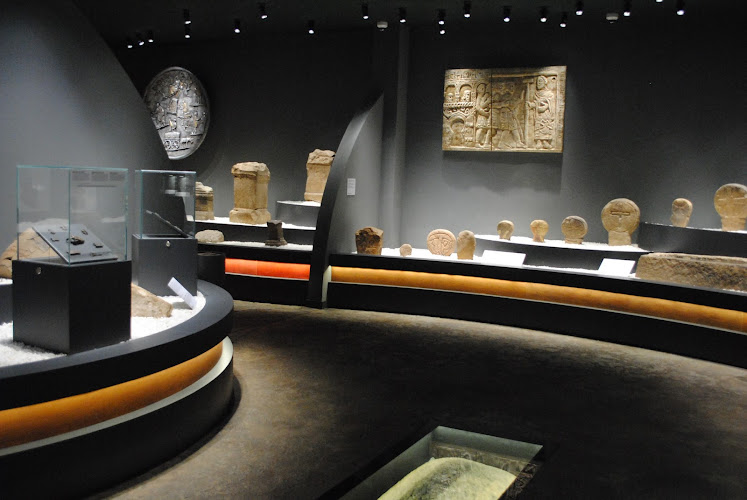
Museum of Prehistory and Archaeology of Cantabria
Los Raqueros
Faro de Punta del Torco de Afuera
Find Accommodations Nearby
Recommended Tours & Activities
Visitor Reviews
There are no reviews yet. Be the first one to write one.
Share Your Experience
Have you visited Ermita de la Virgen del Mar? Help other travelers by leaving a review.